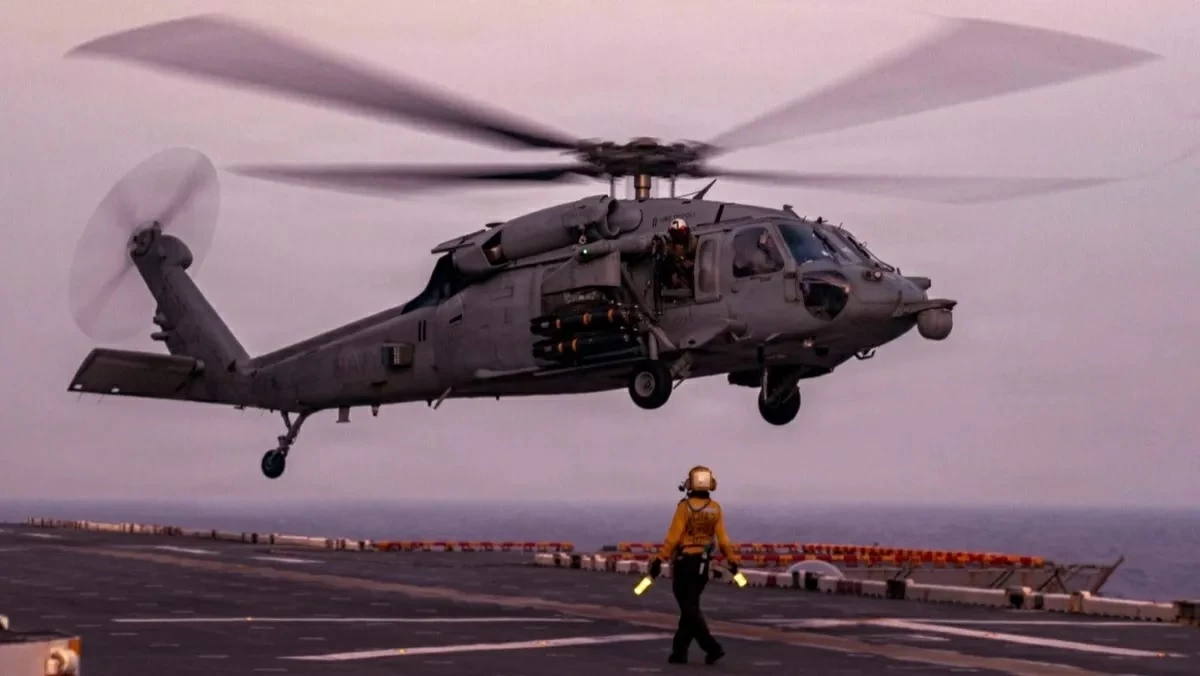
كشف مسؤول أمريكي أن الولايات المتحدة نشرت 19 سفينة حربية في منطقة الشرق الأوسط، مما يمنحها قدرة نارية وحضوراً عسكرياً كبيراً لتنفيذ الحصار البحري على إيران.
ونقلت صحيفة «واشنطن بوست»، اليوم (الثلاثاء)، عن المسؤول، الذي رفض كشف هويته، قوله: إن معظم القطع البحرية تتمركز في شمال بحر العرب، وتشمل حاملتي الطائرات «يو إس إس أبراهام لينكولن» و«يو إس إس جورج إتش دبليو بوش»، إضافة إلى 13 مدمرة وسفينة هجومية برمائية وطراداً وسفينتي إنزال.
وأشار إلى أن العدد الكبير من المدمرات يمنح القوات الأمريكية قدرة كبيرة على فرض الحصار البحري على إيران وتأمين وجود عسكري قوي في المنطقة.
ولم يشمل الحصار أي غواصات نووية، حيث ترفض البحرية الأمريكية عادة الكشف عن مواقع انتشارها.
وبحسب الصحيفة، من المقرر أن يبدأ سريان الحصار الأمريكي مجدداً (الثلاثاء) الساعة الـ4:00 مساء بتوقيت شرق الولايات المتحدة، ويستهدف أي سفينة متجهة إلى الموانئ الإيرانية أو مغادرة لها.
يذكر أنه خلال فترة الحصار السابقة، اعترضت البحرية الأمريكية أو أجبرت على العودة أكثر من 140 سفينة تجارية، فيما أطلقت النار على غرف محركات 9 سفن لتعطيلها بعد رفضها الامتثال.
وتأتي هذه التطورات بعدما أعلن الرئيس دونالد ترمب، استئناف العمليات العسكرية ضد إيران وإعادة فرض الحصار البحري، بالتزامن مع تصاعد المواجهات بين الجانبين.
وترغب طهران في فرض رسوم عبور في المضيق، بينما أفصح ترمب أنه يريد تحصيل مبلغ يعادل 20% من قيمة كل شحنة مقابل حماية المضيق، وهو ما يخالف القانون الدولي الذي من المفترض أن يضمن حرية الملاحة.
وقبل اندلاع الحرب في فبراير الماضي، كان نحو خُمس الإمدادات العالمية من النفط والغاز يمر عبر مضيق هرمز يومياً لنقل أكثر من 15 مليون برميل من الوقود إلى الأسواق العالمية بقيمة لا تقل عن 1.2 مليار دولار.
وأنهت القوات الأمريكية، اليوم، أحدث موجة من الضربات على إيران، إذ استمرت خمس ساعات لليلة الثالثة على التوالي، في الوقت الذي أعاد فيه ترمب فرض سيطرة على حركة الشحن الإيراني واقترح فرض رسوم 20% لحراسة مضيق هرمز.
وقال ترمب، أمس (الاثنين)، إن الولايات المتحدة ستعيد فرض حصار على الملاحة الإيرانية في الخليج، وستضمن بقاء مضيق هرمز مفتوحاً «مقابل رسوم».
وحذّر من أن القوات الأمريكية ستضرب إيران مجدداً «بقوة كبيرة» في الساعات القادمة، بعدما تبادل الجانبان هجمات بالصواريخ والطائرات المسيرة.
وتتمسك القيادة العسكرية العليا في إيران بألا يكون للولايات المتحدة أي دور في تحديد مستقبل مضيق هرمز، وتؤكد أنه لن يُسمح لها بالتدخل.
An American official revealed that the United States has deployed 19 warships in the Middle East, giving it significant firepower and military presence to enforce a naval blockade on Iran.
The Washington Post reported today (Tuesday) that the official, who refused to disclose his identity, stated that most of the naval vessels are stationed in the northern Arabian Sea, including the aircraft carriers USS Abraham Lincoln and USS George H.W. Bush, in addition to 13 destroyers, an amphibious assault ship, a cruiser, and two landing ships.
He pointed out that the large number of destroyers provides the American forces with a great capability to impose the naval blockade on Iran and ensure a strong military presence in the region.
The blockade does not include any nuclear submarines, as the U.S. Navy typically refuses to disclose their deployment locations.
According to the newspaper, the U.S. blockade is set to take effect again (Tuesday) at 4:00 PM Eastern Time, targeting any ship heading to or leaving Iranian ports.
It is noted that during the previous blockade, the U.S. Navy intercepted or forced back more than 140 commercial vessels, while firing on the engine rooms of 9 ships to disable them after they refused to comply.
These developments come after President Donald Trump announced the resumption of military operations against Iran and the re-imposition of the naval blockade, coinciding with escalating confrontations between the two sides.
Tehran wishes to impose transit fees in the strait, while Trump has stated that he wants to collect an amount equivalent to 20% of the value of each shipment in exchange for protecting the strait, which contradicts international law that is supposed to guarantee freedom of navigation.
Before the outbreak of the war last February, about one-fifth of the world's oil and gas supplies passed through the Strait of Hormuz daily, transporting more than 15 million barrels of fuel to global markets worth no less than $1.2 billion.
Today, U.S. forces concluded the latest wave of strikes on Iran, which lasted five hours for the third consecutive night, while Trump reasserted control over Iranian shipping movements and proposed a 20% fee for guarding the Strait of Hormuz.
Trump stated yesterday (Monday) that the United States will re-impose a blockade on Iranian shipping in the Gulf and will ensure that the Strait of Hormuz remains open "for a fee."
He warned that U.S. forces would strike Iran again "with great force" in the coming hours, after both sides exchanged attacks using missiles and drones.
The top military leadership in Iran insists that the United States should have no role in determining the future of the Strait of Hormuz, affirming that it will not be allowed to intervene.