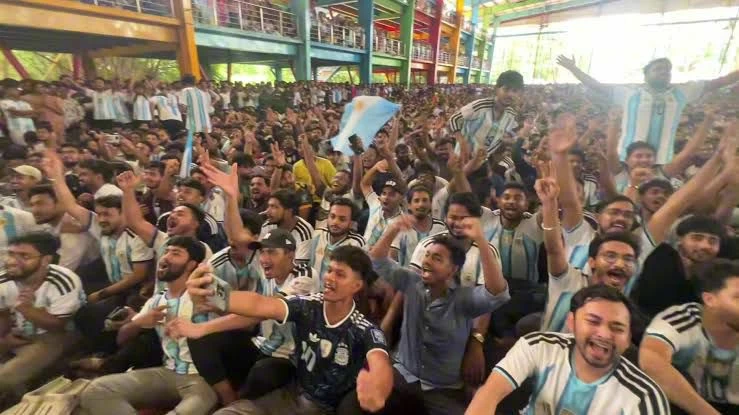
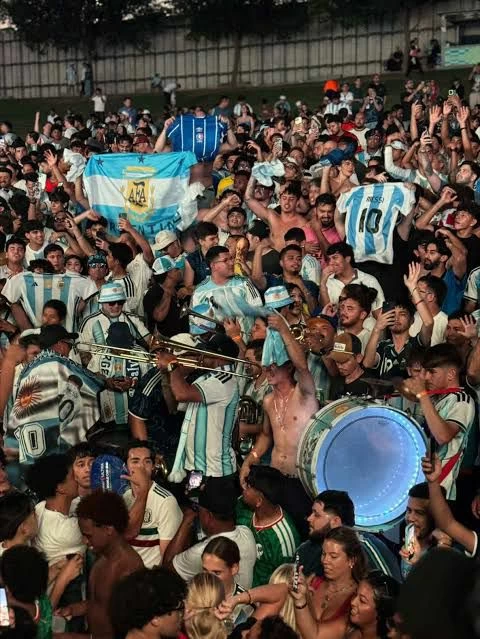
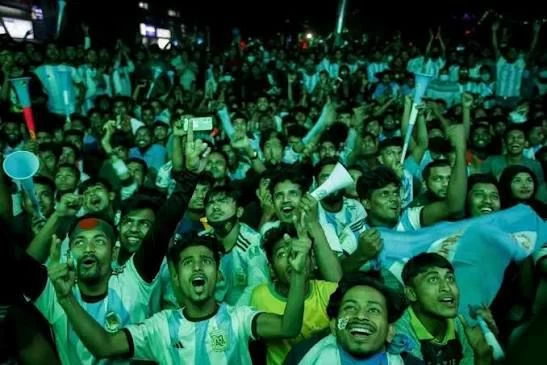
«ومن الحب ما قتل».. تلك المقولة بكل صدق تنطبق على الشعب البنغلاديشي الذي يروي في عروقه حب وعشق وانتماء المنتخب الأرجنتيني منذ عصور من الزمن.
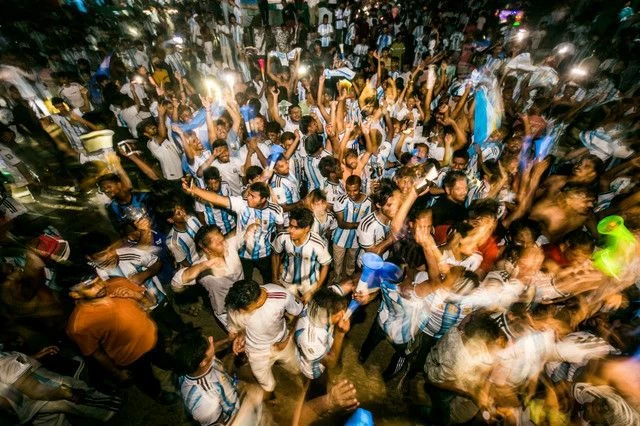
الأرجنتين وبنغلاديش لا تربطهما لغة مشتركة، ولا حدود جغرافية، بل يفصلهما محيطات شاسعة وثقافات متباينة، لكنه يتحول بالكامل مع كل صافرة مونديالية إلى بحر متلاطم من اللونين الأبيض والسماوي.
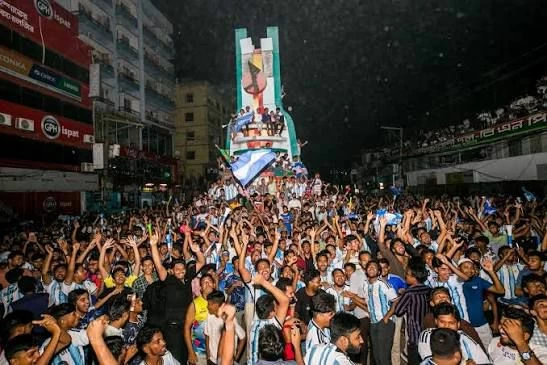
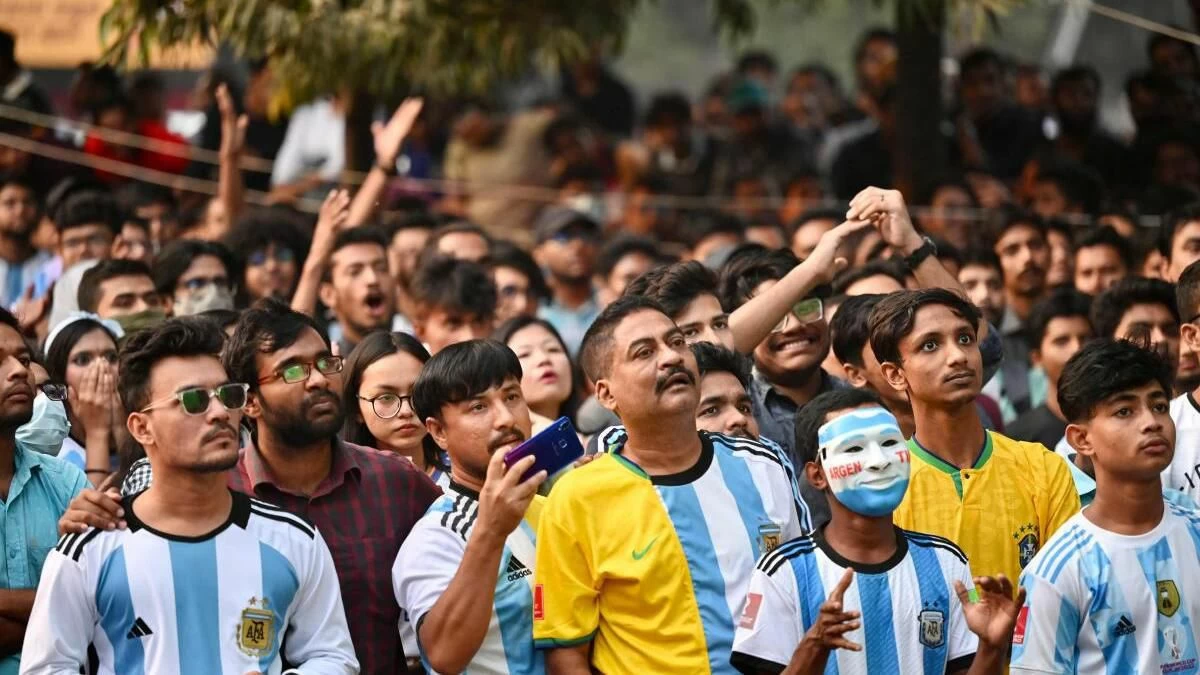
هناك في مدينة «دكا» البنغالية تتحول ساحاتها وشوارعها وأزقتها وكل شيء بها إلى اللونين الأبيض والسماوي إضافة لانتشار قمصان منتخب التانغو مدمج بعلم البلاد، تلك ظاهرة اجتماعية فريدة أذهلت العالم وحيرت خبراء علم الاجتماع الرياضي.
الإرث السياسي
وتعود الجذور العميقة لهذا الارتباط العاطفي إلى إرث مشترك من المعاناة ضد الاستعمار البريطاني الذي خضعت له شبه القارة الهندية لعقود طويلة، وحين التقى دييغو مارادونا بالمنتخب الإنجليزي في ربع نهائي كأس العالم 1986 بعد سنوات قليلة من حرب الفوكلاند تحولت المباراة في عيون البنغلاديشيين إلى معركة رمزية للعدالة.
عندما دكّ مارادونا الشباك الإنجليزية بهدفيه التاريخيين، شعر المواطن البنغالي بنوع من الانتقام الشاعري غير المباشر من القوة الإمبراطورية السابقة التي قهرت أجداده.
طفرة 1986
ولم يكن البُعد السياسي وحده المحرك، بل لعب التوقيت التكنولوجي دوراً حاسماً في صياغة هذا الشغف المتوارث، إذ تزامنت بطولة عام 1986 مع الطفرة الأولى لدخول أجهزة التلفاز الملونة إلى البيوت والمقاهي في بنغلاديش بشكل تجاري.
حقبة ميسي
وإذا كان مارادونا هو من غرس بذرة العشق الأولى، فإن الأسطورة ليونيل ميسي هو من تولى رعاية هذا الإرث وترسيخه بين الأجيال الشابة الحالية. وقد تحول هذا الولاء لـ «البرغوث» إلى عقيدة كروية راسخة، خصوصاً بعد الزيارة التاريخية التي قام بها ميسي مع المنتخب الأرجنتيني إلى العاصمة «دكا» في سبتمبر 2011 لخوض مباراة ودية ضد نيجيريا في استاد «بانغاباندو» الوطني وفقاً لوكالة الأنباء البنغلاديشية الرسمية "بي إس إس"، ومنصة ريسيرش غيت.
300,000 في المباراة
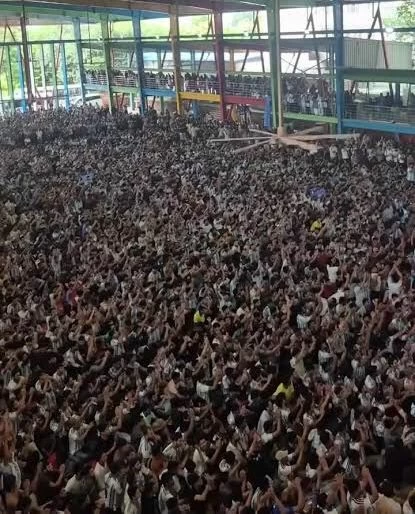
بالتوازي مع ذلك، قامت بلدية دكا بالتنسيق مع الاتحاد البنغالي لكرة القدم بنصب أكثر من 150 شاشة عرض عملاقة في الميادين العامة، وامتصت ساحة جامعة دكا وحدها أكثر من 300,000 مشجع في المباراة النهائية.
72 مليون مشجع
ومع انطلاق منافسات كأس العالم 2026 الحالية، كشفت الإحصاءات الرسمية عن حجم القاعدة الجماهيرية المذهلة.. حيث تشير البيانات إلى أن بنغلاديش باتت تضم أكثر من 72 مليون مشجع للمنتخب الأرجنتيني وميسي في المونديال الحالي، وهو ما يعادل 60% من إجمالي متابعي كرة القدم بالبلاد البالغ عددهم 120 مليوناً من أصل 177 مليون نسمة.
هذا الرقم يعني رسمياً أن عدد عشاق الأرجنتين في بنغلاديش يتجاوز التعداد السكاني الكامل لدولة الأرجنتين نفسها بنحو 26 مليون مشجع.
قميص مقلد
وتكشف البيانات المالية لقطاع التجزئة والمنسوجات في بنغلاديش عن أرقام ضخمة تتعلق باقتصاد المونديال الحاسم فخلال البطولة الحالية، سجلت المصانع المحلية في مدن مثل «غازيبور» إنتاج وتوزيع أكثر من 12 مليون قميص مقلد للمنتخب الأرجنتيني.
15,000 بنغلاديشي
ولم يعد هذا العشق حبيس الحدود الجغرافية لآسيا، بل تمدد ليسجل أرقاماً لافتة في قطاع السفر والطيران، إذ تشير تقديرات وكالات السفر في دكا إلى أن أكثر من 15,000 مواطن بنغلاديشي سافروا خصيصاً إلى قارة أمريكا الشمالية لحضور مباريات المنتخب الأرجنتيني من داخل الملاعب في مونديال 2026 الحالي.
17 ألف كيلومتر
ولم يقتصر الزخم الحالي لمونديال 2026 على الشاشات، بل تحول إلى تظاهرة ثنائية برعاية رسمية حيث وثّقت صحيفة «بروثوم ألو» البنغالية واسعة الانتشار في يونيو 2026 وصول وفد ثقافي أرجنتيني رسمي برئاسة الكاتب والسفير الثقافي «دان لاندي» إلى دكا لمشاركة الجماهير البنغلاديشية مشاهدة مباريات المونديال الحالي على الشاشات العملاقة، والاحتفال الجماعي بيوم ميلاد ليونيل ميسي في 24 يونيو 2026 في أزقة دكا القديمة وجامعة دكا، كنوع من رد الجميل والاعتراف بفضل هذا الجمهور الوفي الممتد عبر 17 ألف كيلومتر.
“And from love, what kills”.. This saying truly applies to the Bangladeshi people who have a deep love, passion, and allegiance to the Argentine national team that has been flowing in their veins for ages.
Argentina and Bangladesh share no common language, nor do they have geographic borders; rather, they are separated by vast oceans and diverse cultures. However, with every World Cup whistle, it completely transforms into a tumultuous sea of white and sky blue.
There in the Bengali city of “Dhaka,” its squares, streets, alleys, and everything in between turn into the colors white and sky blue, in addition to the widespread presence of Tango team jerseys combined with the country’s flag. This is a unique social phenomenon that has astonished the world and puzzled experts in sports sociology.
The Political Legacy
The deep roots of this emotional connection trace back to a shared legacy of suffering against British colonialism, which the Indian subcontinent endured for many long decades. When Diego Maradona faced the English national team in the quarter-finals of the 1986 World Cup, just a few years after the Falklands War, the match transformed in the eyes of Bangladeshis into a symbolic battle for justice.
When Maradona struck the English net with his historic two goals, the Bangladeshi citizen felt a kind of indirect poetic revenge against the former imperial power that had oppressed his ancestors.
The 1986 Boom
It wasn’t just the political dimension that was a driving force; the technological timing also played a crucial role in shaping this inherited passion, as the 1986 tournament coincided with the first boom of color television sets entering homes and cafes in Bangladesh commercially.
The Messi Era
If Maradona planted the first seed of love, then the legend Lionel Messi has taken on the role of nurturing and solidifying this legacy among the current younger generations. This loyalty to the “little flea” has turned into a firm football doctrine, especially after Messi’s historic visit with the Argentine national team to the capital “Dhaka” in September 2011 to play a friendly match against Nigeria at the “Bangabandhu” National Stadium, according to the official Bangladesh News Agency "BSS" and ResearchGate.
300,000 at the Match
In parallel, the Dhaka municipality coordinated with the Bangladesh Football Federation to install more than 150 giant screens in public squares, and the Dhaka University square alone absorbed over 300,000 fans during the final match.
72 Million Fans
With the current 2026 World Cup competitions underway, official statistics revealed the astonishing size of the fan base.. The data indicates that Bangladesh now has over 72 million fans of the Argentine national team and Messi in the current World Cup, which is equivalent to 60% of the total football followers in the country, amounting to 120 million out of a population of 177 million.
This figure officially means that the number of Argentina lovers in Bangladesh exceeds the entire population of Argentina itself by about 26 million fans.
Counterfeit Jerseys
The financial data from the retail and textiles sector in Bangladesh reveals huge figures related to the crucial World Cup economy. During the current tournament, local factories in cities like “Gazipur” recorded the production and distribution of more than 12 million counterfeit jerseys for the Argentine national team.
15,000 Bangladeshis
This love is no longer confined to the geographical borders of Asia; it has expanded to record remarkable figures in the travel and aviation sector, as travel agencies in Dhaka estimate that more than 15,000 Bangladeshi citizens traveled specifically to North America to attend matches of the Argentine national team from inside the stadiums in the current 2026 World Cup.
17,000 Kilometers
The current momentum of the 2026 World Cup has not been limited to screens; it has turned into a dual demonstration under official sponsorship. The widely circulated Bengali newspaper “Prothom Alo” documented in June 2026 the arrival of an official Argentine cultural delegation led by writer and cultural ambassador “Dan Landi” to Dhaka to share with Bangladeshi fans the experience of watching the current World Cup matches on giant screens and to collectively celebrate Lionel Messi’s birthday on June 24, 2026, in the old alleys of Dhaka and Dhaka University, as a way of giving back and acknowledging the loyalty of this audience that extends over 17,000 kilometers.