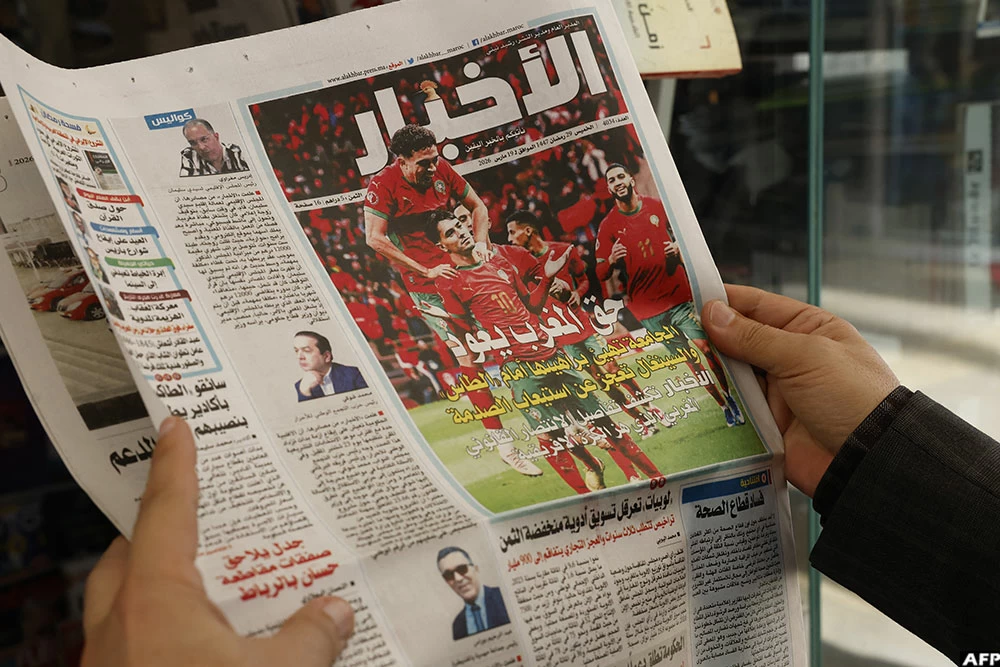
أصاب حصول المغرب على لقب كأس أمم أفريقيا، بعد أن قرر قضاة الاتحاد الأفريقي لكرة القدم «كاف»، إلغاء فوز السنغال بعد شهرين من المباراة النهائية الفوضوية، ذهول مشجعي كرة القدم في جميع أنحاء العالم.
وبينما خرج المغاربة إلى الشوارع للاحتفال بالنجاح المتأخر لفريقهم، قوبل قرار الاتحاد الأفريقي لكرة القدم بالذهول في السنغال، حيث وصف المشجعون والسلطات القرار بأنه «ظالم».
وقالت حكومة السنغال، الأربعاء، إنها ستسلك «جميع الطرق القانونية المناسبة» لإلغاء القرار، ودعت إلى إجراء تحقيق دولي في «شبهات الفساد» داخل «كاف».
وقررت لجنة الاستئناف في الاتحاد الأفريقي لكرة القدم يوم الثلاثاء الماضي اعتبار منتخب السنغال خاسراً للمباراة النهائية، بعد مغادرته أرض الملعب دون إذن من الحكم، ومنحت الفوز لمنتخب المغرب بنتيجة اعتبارية 3 - صفر.
وغادر أغلب أعضاء المنتخب السنغالي الملعب لنحو عشر دقائق، بينما اشتبك مشجعو السنغال مع أفراد الأمن خلف المرمى احتجاجاً على ركلة جزاء مثيرة للجدل احتسبت لصالح المغرب، بعد إلغاء هدف للسنغال.
وعاد اللاعبون لاحقاً إلى الملعب، وأهدر منتخب المغرب ركلة الجزاء، قبل أن ينجح منتخب السنغال في حسم المباراة بتسجيل هدف خلال الوقت الإضافي.
• الأزمة تمتد خارج الملاعب
وطبقاً لتقرير نشرته وكالة الأنباء الألمانية، يرتبط المغرب مع السنغال بعلاقات وثيقة منذ فترة طويلة، تقوم على الدين والتجارة والثقافة. وتعد الطريقة التيجانية الصوفية من أكثر الطرق انتشاراً في البلدين.
كما تستثمر البنوك والشركات المغربية بشكل كبير في قطاعات التمويل والزراعة بالسنغال. وتشمل أوجه التبادل الثقافي برامج طلابية، وحركة هجرة، ومهرجانات مشتركة تعكس عمق الروابط بين البلدين.
ولكن التوترات المحيطة بالمباراة النهائية وقرار لجنة الاستئناف في «كاف» بإلغاء فوز منتخب السنغال قد أثرت سلباً على العلاقة بين المغرب والسنغال.
وأصدرت محكمة مغربية الشهر الماضي أحكاماً بالسجن، وصلت إلى عام، بحق 19 مشجعاً سنغالياً، تم اعتقالهم بتهمة الشغب خلال المباراة النهائية. وأعربت الحكومة السنغالية عن تضامنها الكامل مع هؤلاء المشجعين.
وصرح سيدينا عيسى لاي ديوب، رئيس رابطة مشجعي منتخب السنغال المسماة «تي إتش جايندي 12»، لوكالة «أسوشييتد برس»، الخميس، بأن هذه الحوادث لا ينبغي أن تؤثر على العلاقة بين المغرب والسنغال.
وأضاف: ولكن هناك حدود: إذا استمر هذا الوضع، فقد يؤثر إلى حد ما على فخر الشعب السنغالي. إذا كان الهدف هو الحفاظ على الصداقة، فيجب رعايتها. فالإيماءات الصغيرة يمكن أن يكون لها تأثير كبير. هذه أمور يمكننا تجاوزها، خاصة أنه خلال المحاكمة لم يقدم أية حجة قوية تبرر استمرار احتجاز هؤلاء المشجعين.
وقالت مارياما ندياي، طالبة في عاصمة السنغال داكار، إن القرار أثر سلباً على نظرتها إلى المغاربة.
ودعت سفارة المغرب في دكار المغاربة المقيمين في السنغال، الأربعاء، إلى «ضبط النفس، والتحلي باليقظة، وتحمل المسؤولية».
وفي الدار البيضاء، قال إسماعيل فناني، متخصص في تجارة الأجهزة المنزلية، إنه شعر أن بعض الدول الأفريقية كانت تشجع ضد المغرب خلال المباراة النهائية.
• شبهات تحيز تهز الاتحاد الأفريقي
وجاءت مزاعم الحكومة السنغالية بـ «الفساد المشتبه به» في «كاف» بعد غضب بسبب ما اعتبر تحيزاً لصالح المغرب، التي تشارك في استضافة كأس العالم 2030 واستثمرت بكثافة لتصبح قوة كروية كبيرة.
ودافع باتريس موتسيبي رئيس «كاف»، عن الاتحاد ضد هذه الانطباعات بشأن التحيز للمغرب.
وقال موتسيبي في فيديو نشر على موقع «كاف»: لن يعامل أي بلد في أفريقيا بطريقة أكثر تفضيلا أو أكثر ميزة أو أكثر ملاءمة من أي بلد آخر في القارة الأفريقية.
The Moroccan national team’s acquisition of the Africa Cup of Nations title, after the African Football Confederation (CAF) judges decided to annul Senegal's victory two months after the chaotic final match, left football fans around the world in shock.
As Moroccans took to the streets to celebrate their team's delayed success, the CAF's decision was met with disbelief in Senegal, where fans and authorities described the ruling as "unjust."
The Senegalese government stated on Wednesday that it would pursue "all appropriate legal avenues" to overturn the decision and called for an international investigation into "suspicions of corruption" within CAF.
Last Tuesday, the CAF Appeals Committee decided to declare the Senegalese team the loser of the final match after they left the field without the referee's permission, awarding the victory to Morocco with a score of 3-0 on forfeit.
Most members of the Senegalese team left the field for about ten minutes while Senegalese fans clashed with security personnel behind the goal in protest of a controversial penalty awarded to Morocco after a goal for Senegal was disallowed.
The players later returned to the field, and Morocco missed the penalty before Senegal managed to secure the match by scoring a goal during extra time.
• The crisis extends beyond the pitch
According to a report published by the German news agency, Morocco and Senegal have long-standing close ties based on religion, trade, and culture. The Tijani Sufi order is one of the most widespread in both countries.
Moroccan banks and companies also invest heavily in Senegal's finance and agriculture sectors. Cultural exchanges include student programs, migration flows, and joint festivals that reflect the deep ties between the two countries.
However, the tensions surrounding the final match and the CAF Appeals Committee's decision to annul Senegal's victory have negatively impacted the relationship between Morocco and Senegal.
A Moroccan court issued prison sentences of up to one year last month against 19 Senegalese fans who were arrested for rioting during the final match. The Senegalese government expressed its full solidarity with these fans.
Seydina Issa Lay Diop, president of the Senegalese national team supporters' association called "TH Jandé 12," told the Associated Press on Thursday that these incidents should not affect the relationship between Morocco and Senegal.
He added: "But there are limits: If this situation continues, it may somewhat affect the pride of the Senegalese people. If the goal is to maintain friendship, it must be nurtured. Small gestures can have a significant impact. These are matters we can overcome, especially since no strong argument was presented during the trial to justify the continued detention of these fans."
Mariam Ndiai, a student in Senegal's capital Dakar, stated that the decision negatively affected her view of Moroccans.
The Moroccan embassy in Dakar urged Moroccans residing in Senegal on Wednesday to "exercise restraint, remain vigilant, and take responsibility."
In Casablanca, Ismail Fanani, a home appliance trade specialist, expressed that he felt some African countries were cheering against Morocco during the final match.
• Allegations of bias shake the African Union
The Senegalese government's allegations of "suspected corruption" within CAF came after outrage over what was perceived as bias in favor of Morocco, which is co-hosting the 2030 World Cup and has invested heavily to become a major football power.
Patrice Motsepe, the president of CAF, defended the organization against these impressions of bias towards Morocco.
Motsepe stated in a video posted on CAF's website: "No country in Africa will be treated in a more favorable or advantageous manner than any other country on the African continent."