


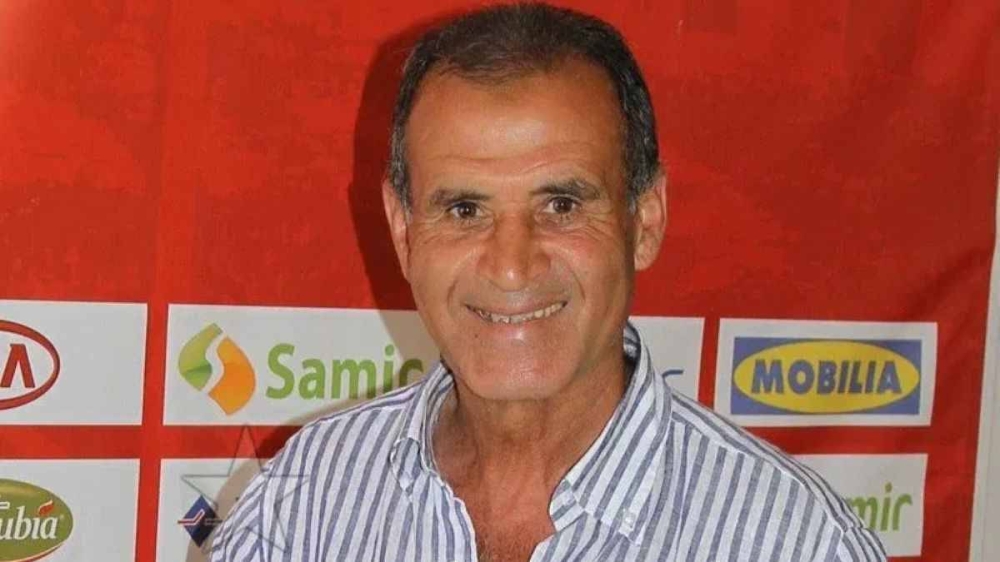
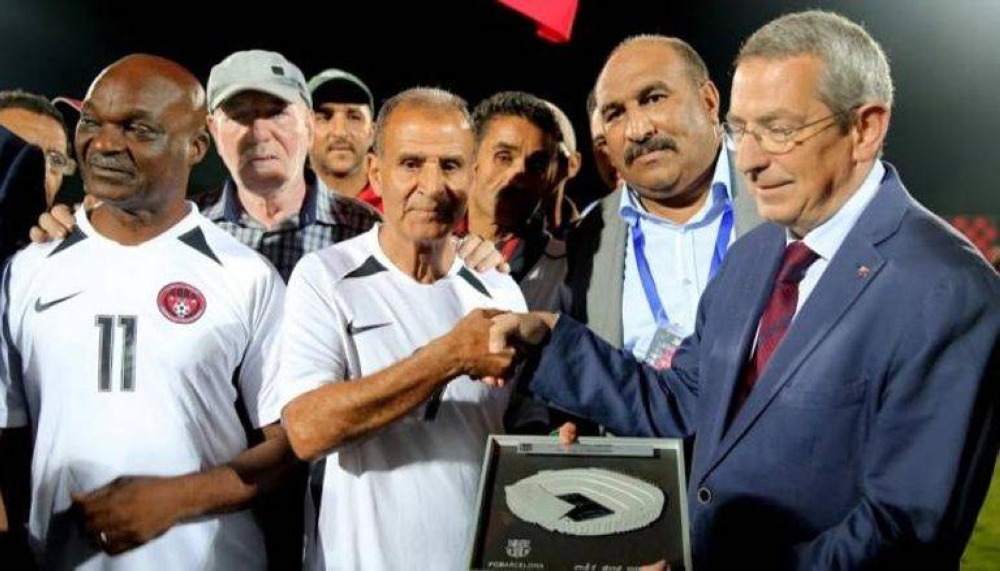
فارق أسطورة كرة القدم المغربية أحمد فرس الحياة، يوم (الأربعاء)، عن عمر ناهز 78 عاماً، بعد صراع طويل ومرير مع المرض امتد لثلاث سنوات، خضع خلالها لعلاجات دقيقة ومكثفة، خصوصاً خلال الأشهر الأخيرة التي قضاها في المستشفى العسكري بالعاصمة الرباط، حيث تكفلت الجامعة الملكية المغربية لكرة القدم بمصاريف علاجه، تقديراً لإرثه الكبير ومكانته في الذاكرة الرياضية الوطنية.
وفي وداعٍ يليق بالأساطير، نعى رئيسا «الكاف» و«الفيفا» اللاعب الأسطورة الراحل بكلمات تفيض تقديرا. وصفه باتريس موتسيبي بـ«القائد الاستثنائي داخل الملعب وخارجه»، مؤكداً أن إسهاماته شكّلت حجر الأساس لتألق الكرة الإفريقية اليوم. أما جياني إنفانتينو، فنعى «رمزاً خالداً وموهبة استثنائية»، معبّراً عن حزنه العميق لفقدان هدّاف المغرب التاريخي وصاحب الكرة الذهبية الإفريقية لعام 1975، قائلاً في وداع مؤثر: «فليرقد في سلام».
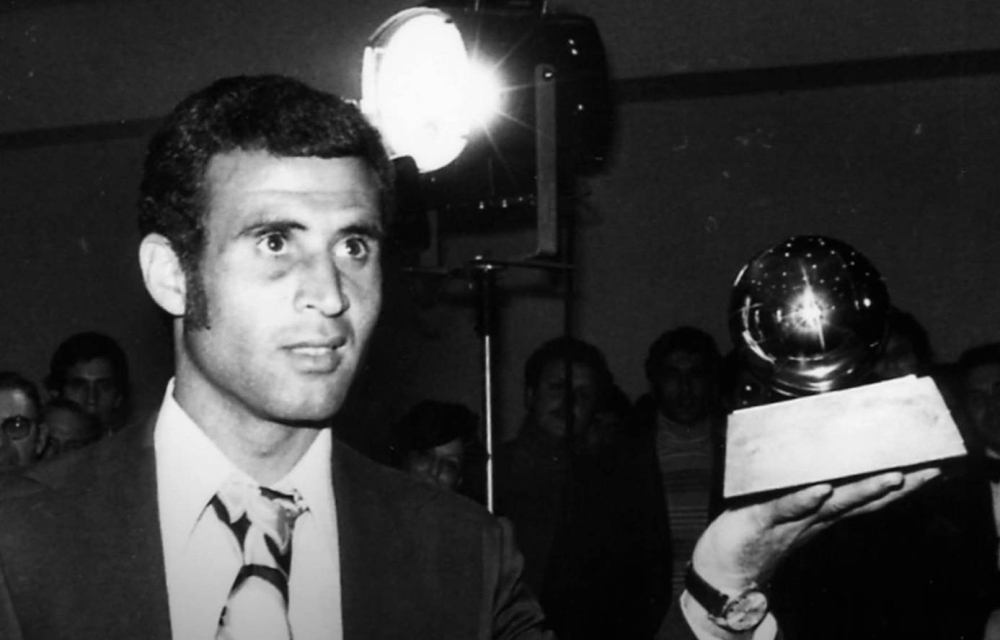
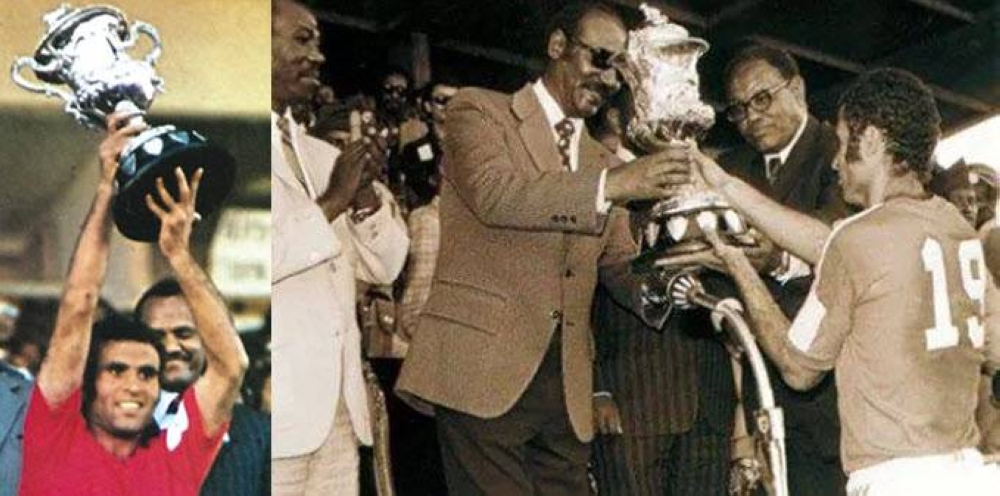
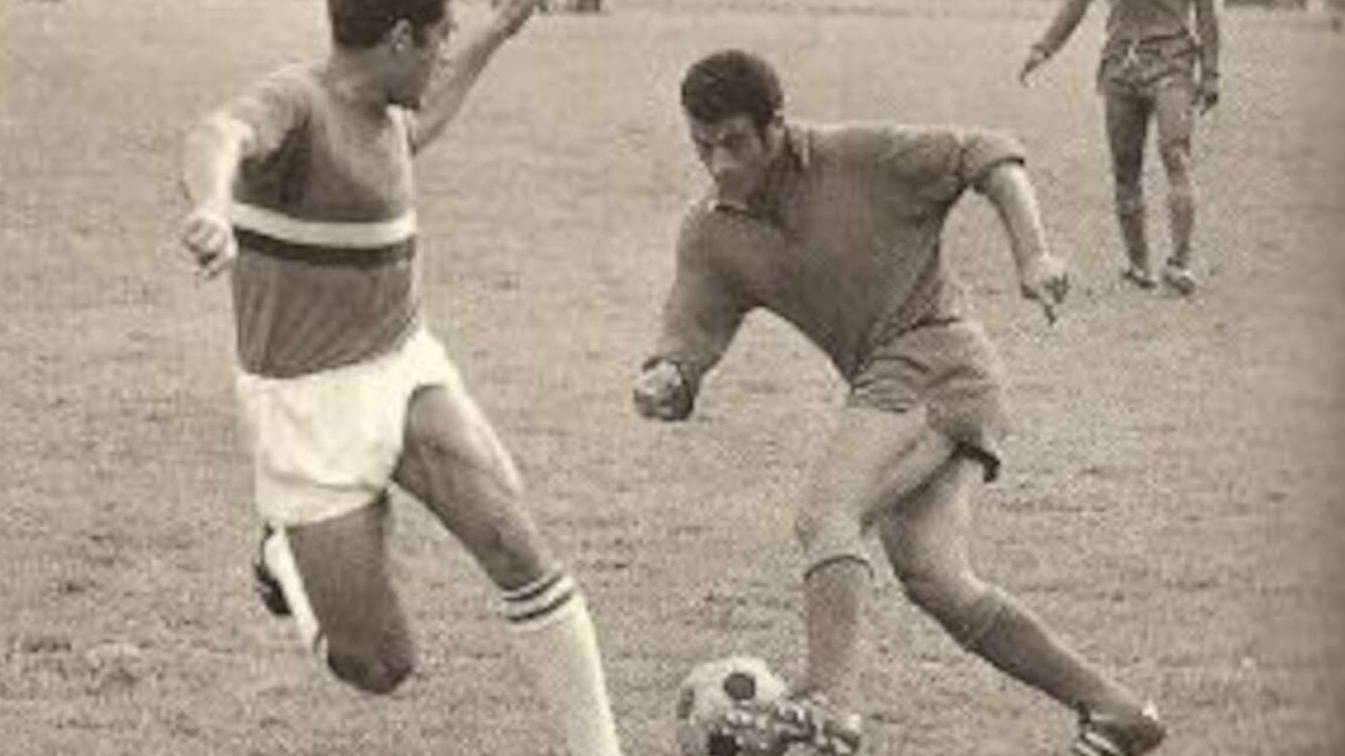
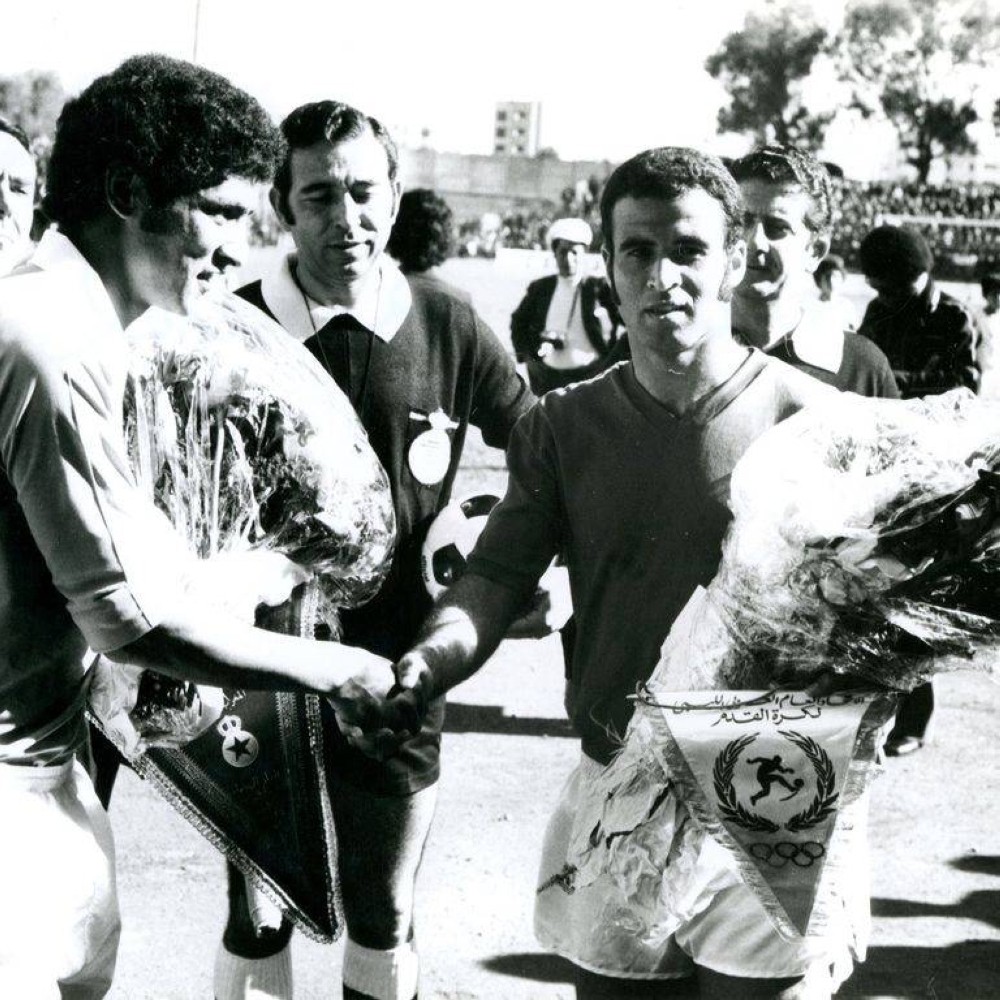
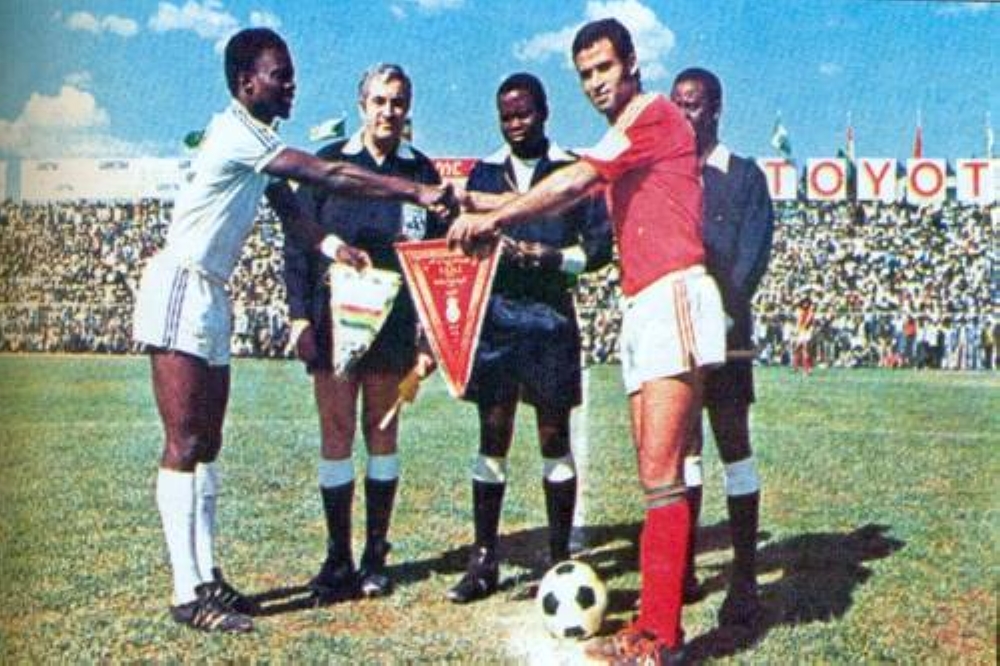
ويُعد أحمد فرس أحد أبرز الأسماء التي طبعت مسار كرة القدم المغربية والعربية والأفريقية، إذ يُعتبر الهداف التاريخي للمنتخب الوطني المغربي برصيد 46 هدفاً، وهو رقم ظل صامداً لعقود، بما يعكس حجم التأثير الذي أحدثه داخل المستطيل الأخضر. كما يُخلّد اسمه كأول لاعب مغربي وعربي يتوّج بجائزة الكرة الذهبية الأفريقية، سنة 1976، في العام ذاته الذي قاد المنتخب الوطني إلى تحقيق لقبه القاري الوحيد حتى اليوم، خلال بطولة كأس أمم أفريقيا التي احتضنتها إثيوبيا، وشكّلت لحظة فارقة في تاريخ الكرة المغربية.
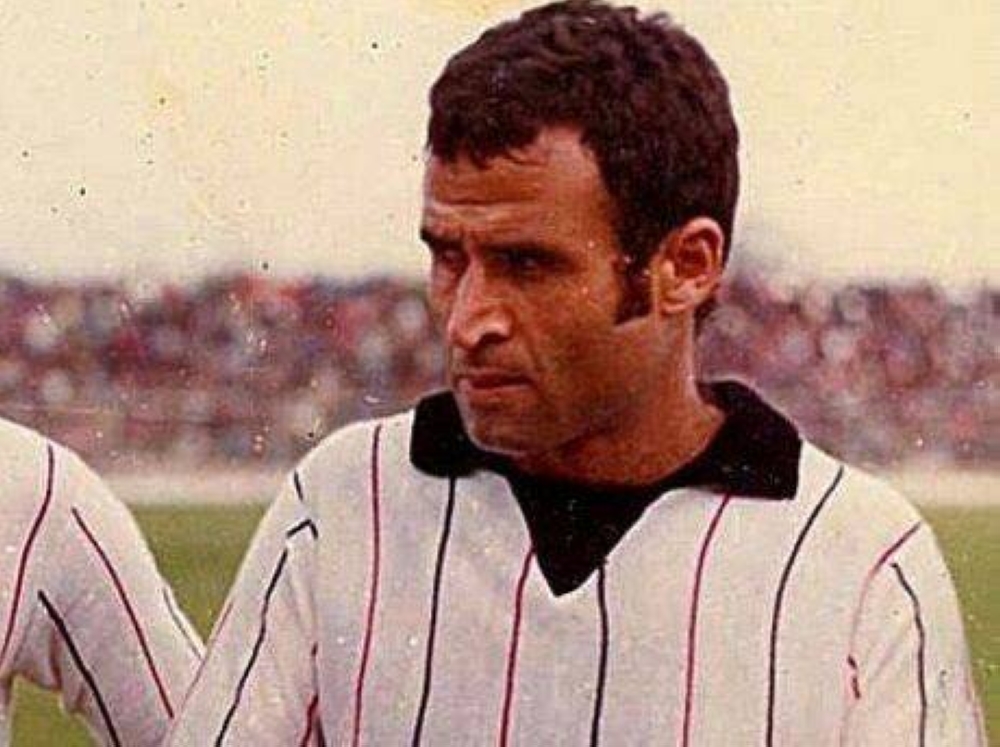
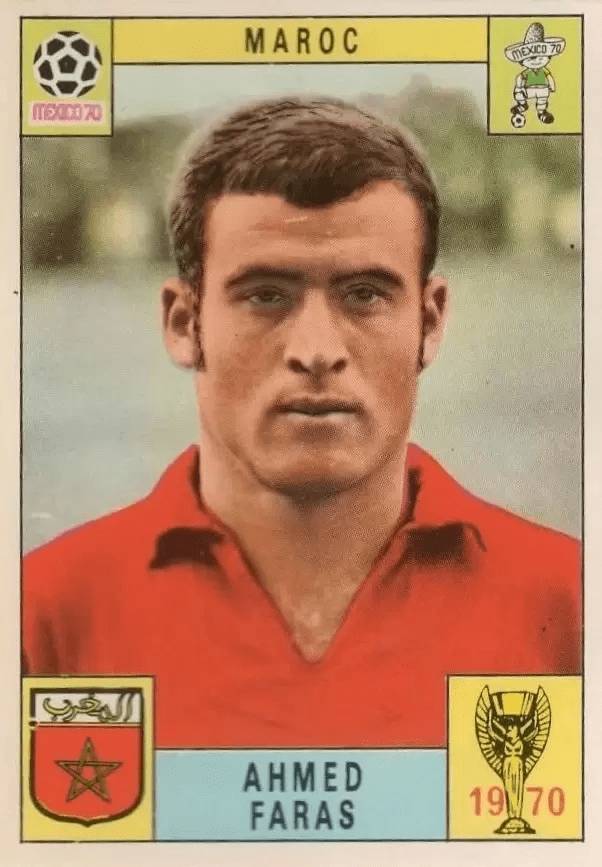
وُلد أحمد فرس سنة 1946 بمدينة المحمدية، وبدأ مسيرته الكروية سنة 1960 مع نادي شباب المحمدية، حيث تألق بشكل لافت بفضل مهاراته الفنية العالية وقدرته على صناعة الفارق، ليُصبح سريعاً نجم الفريق الأول وأحد أبرز رموزه خلال حقبة السبعينات والثمانينات، التي عُرفت بكونها الفترة الذهبية للنادي. وعلى الصعيد الدولي، دافع فرس عن ألوان المنتخب المغربي في عدة محطات كبرى، من بينها نهائيات كأس العالم 1970 بالمكسيك، كما سجّل أول هدف أولمبي للمغرب في دورة ميونيخ 1972.
طوال مسيرته، التي امتدت لأكثر من عقدين، نجح الراحل في تسجيل 231 هدفاً في مختلف المسابقات، محتلاً مكانة خاصة في سجل اللاعبين الأكثر تأثيراً في تاريخ الكرة الوطنية. وقد ظل وفياً لناديه شباب المحمدية طوال مسيرته، دون أن يبددل وجهته، مجسداً بذلك نموذج اللاعب المرتبط بقيم الوفاء والانتماء.
ويُجمع الرأي العام الرياضي على أن أحمد فرس لم يكن مجرد لاعب موهوب، بل رمز من رموز مرحلة مفصلية في بناء هوية المنتخب المغربي، وصاحب بصمة خالدة في تاريخ الرياضة بالمملكة.
وأعرب رئيس الجامعة الملكية المغربية لكرة القدم، فوزي لقجع، باسمه وباسم مكونات الجامعة كافة، عن حزنه العميق لرحيل أحد أعمدة الكرة المغربية، موجّهاً خالص التعازي والمواساة لعائلة الفقيد ولكل أفراد الأسرة الكروية الوطنية.
المغرب تودع نجمها وهدافها التاريخي عن 78 عاماً تاركاً إرثاً رياضياً خالداً..
أحمد فرس.. أسطورةٌ لم تغادر الحي القديم
19 يوليو 2025 - 22:14
|
آخر تحديث 19 يوليو 2025 - 22:14


تابع قناة عكاظ على الواتساب
عبدالعزيز النهدي (جدة)
The Moroccan football legend Ahmed Faras passed away on Wednesday at the age of 78, after a long and painful battle with illness that lasted three years, during which he underwent precise and intensive treatments, especially in the last months he spent in the military hospital in the capital, Rabat. The Royal Moroccan Football Federation covered his medical expenses in appreciation of his great legacy and his status in the national sports memory.
In a farewell befitting legends, the presidents of CAF and FIFA mourned the late legendary player with words overflowing with appreciation. Patrice Motsepe described him as "an exceptional leader both on and off the field," affirming that his contributions formed the cornerstone for the brilliance of African football today. Gianni Infantino mourned him as "an eternal symbol and an exceptional talent," expressing his deep sorrow for the loss of Morocco's all-time top scorer and the winner of the African Ballon d'Or in 1975, saying in a touching farewell: "May he rest in peace."
Ahmed Faras is considered one of the most prominent names that shaped the course of Moroccan, Arab, and African football, as he is regarded as the all-time top scorer for the Moroccan national team with 46 goals, a record that has stood firm for decades, reflecting the impact he had on the pitch. His name is also immortalized as the first Moroccan and Arab player to win the African Ballon d'Or in 1976, the same year he led the national team to achieve its only continental title to date during the Africa Cup of Nations held in Ethiopia, marking a pivotal moment in the history of Moroccan football.
Ahmed Faras was born in 1946 in Mohammedia and began his football career in 1960 with Chabab Mohammedia, where he shone remarkably due to his high technical skills and ability to make a difference, quickly becoming the star of the first team and one of its most prominent symbols during the 1970s and 1980s, which were known as the golden era for the club. On the international stage, Faras defended the colors of the Moroccan national team in several major tournaments, including the 1970 World Cup in Mexico, and he scored Morocco's first Olympic goal in the Munich 1972 Games.
Throughout his career, which spanned more than two decades, the late player succeeded in scoring 231 goals in various competitions, occupying a special place in the record of the most influential players in the history of national football. He remained loyal to his club Chabab Mohammedia throughout his career, without changing his direction, embodying the model of a player committed to the values of loyalty and belonging.
The sports public agrees that Ahmed Faras was not just a talented player, but a symbol of a pivotal phase in building the identity of the Moroccan national team, leaving an indelible mark in the history of sports in the kingdom.
The president of the Royal Moroccan Football Federation, Fouzi Lekjaa, expressed, on his behalf and on behalf of all members of the federation, his deep sorrow for the departure of one of the pillars of Moroccan football, extending his sincere condolences and sympathy to the family of the deceased and to all members of the national football family.
In a farewell befitting legends, the presidents of CAF and FIFA mourned the late legendary player with words overflowing with appreciation. Patrice Motsepe described him as "an exceptional leader both on and off the field," affirming that his contributions formed the cornerstone for the brilliance of African football today. Gianni Infantino mourned him as "an eternal symbol and an exceptional talent," expressing his deep sorrow for the loss of Morocco's all-time top scorer and the winner of the African Ballon d'Or in 1975, saying in a touching farewell: "May he rest in peace."
Ahmed Faras is considered one of the most prominent names that shaped the course of Moroccan, Arab, and African football, as he is regarded as the all-time top scorer for the Moroccan national team with 46 goals, a record that has stood firm for decades, reflecting the impact he had on the pitch. His name is also immortalized as the first Moroccan and Arab player to win the African Ballon d'Or in 1976, the same year he led the national team to achieve its only continental title to date during the Africa Cup of Nations held in Ethiopia, marking a pivotal moment in the history of Moroccan football.
Ahmed Faras was born in 1946 in Mohammedia and began his football career in 1960 with Chabab Mohammedia, where he shone remarkably due to his high technical skills and ability to make a difference, quickly becoming the star of the first team and one of its most prominent symbols during the 1970s and 1980s, which were known as the golden era for the club. On the international stage, Faras defended the colors of the Moroccan national team in several major tournaments, including the 1970 World Cup in Mexico, and he scored Morocco's first Olympic goal in the Munich 1972 Games.
Throughout his career, which spanned more than two decades, the late player succeeded in scoring 231 goals in various competitions, occupying a special place in the record of the most influential players in the history of national football. He remained loyal to his club Chabab Mohammedia throughout his career, without changing his direction, embodying the model of a player committed to the values of loyalty and belonging.
The sports public agrees that Ahmed Faras was not just a talented player, but a symbol of a pivotal phase in building the identity of the Moroccan national team, leaving an indelible mark in the history of sports in the kingdom.
The president of the Royal Moroccan Football Federation, Fouzi Lekjaa, expressed, on his behalf and on behalf of all members of the federation, his deep sorrow for the departure of one of the pillars of Moroccan football, extending his sincere condolences and sympathy to the family of the deceased and to all members of the national football family.


