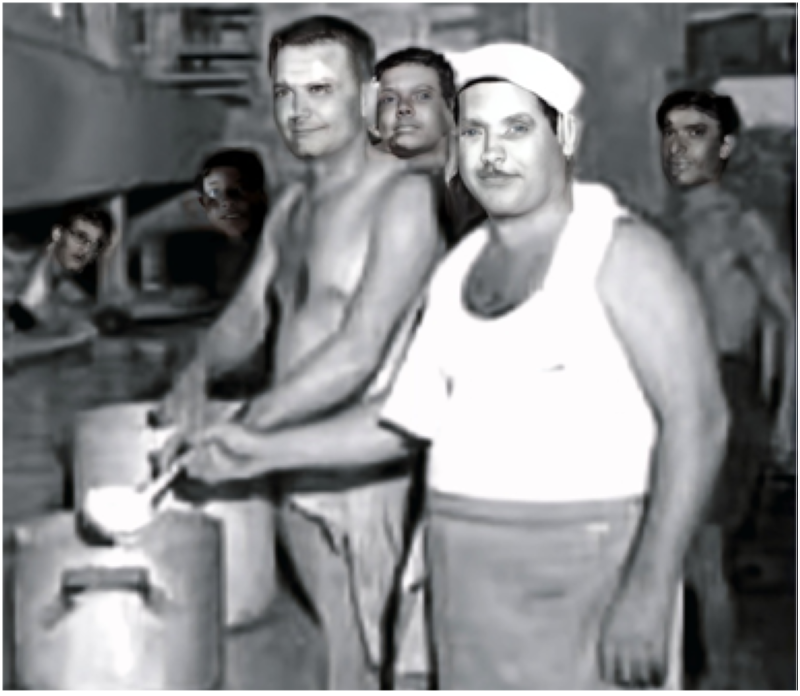
خضعت إثيوبيا وإريتريا للاستعمار الإيطالي في أعقاب الحرب الإيطالية الإثيوبية الثانية سنة 1935، زمن الديكتاتور «بينيتو موسوليني»، لكنها تحررت من قبضة الإيطاليين ووقعت في قبضة الحلفاء بعد الحرب العالمية الثانية. وكان من تداعيات ذلك أن أسر الحلفاء أعداداً كبيرة من الإيطاليين المقيمين في إثيوبيا كجنود أو مستوطنين أو مسؤولين أو إداريين. هؤلاء الذين تقطعت بهم السبل بعد الحرب بسبب الصراعات الدائرة في المنطقة وتحديات ما بعد الحرب، لم يعانوا فقط من الأسر، وإنما واجهوا أيضاً ظروفاً قاسية وتجرعوا عذابات الغربة عن وطنهم الأم، وقاسوا الجوع والحرمان والمرض جراء نقص الغذاء والمياه والمؤن والرعاية الطبية في تلك الفترة الصعبة.
لم يتم التعامل مع أسرى الحرب الإيطاليين في إثيوبيا وإريتريا بشكل موحد، إذ استطاع العديد منهم استعادة حريتهم والعودة إلى ديارهم، بينما واجه آخرون كثر مصيراً مجهولاً. ولما كان الجل الأعظم من هؤلاء متعلمين ومؤهلين في مجالات البناء والنجارة والكهرباء والصيانة والحرف الأخرى، فقد قررت شركة أرامكو النفطية العاملة في شرق المملكة العربية السعودية، بناء على اقتراح من العقيد ستورمي ويذرز Stormy Weathers، الذي كان حينها ضابط إمدادات للبترول في الجيش الأمريكي في القاهرة، وبعدها تولى منصب رئيس قسم تطوير الصناعات المحلية في أرامكو، الاستعانة بهم في مجالات تخصصهم المختلفة، بعد الحصول على إذن بذلك من المغفور له الملك عبدالعزيز آل سعود، خصوصاً أن أرامكو كانت تشكو آنذاك من نقص شديد في العمالة المدربة وهي في بدايات أعمال تحديث وتطوير منشآت النفط والحواضر الجديدة التي أقامتها لموظفيها الأمريكيين وعمالها السعوديين في كل من الظهران ورأس تنورة وبقيق وغيرها.
وعليه قامت أرامكو بافتتاح مكتب لها في أسمرة بإريتريا بغرض توظيفهم ونقلهم إلى السعودية للعمل لديها بدلاً من تحمل تكاليف كبيرة لجلب عمالة ماهرة من دول أخرى وتدريبها، وتم لها ذلك بنجاح بمساعدة شركة تدعى مونيتي (MUNITY)، كانت تعمل في السعودية منذ وقت مبكر، وسارع أسرى الحرب الإيطاليون إلى تسجيل أسمائهم لدى مكتب أرامكو المذكور في أسمرة، تخلصاً من وضعهم البائس هناك، وخلاصاً من قيود الأسر، وأملاً في العودة إلى بلادهم، بدليل أن عددهم وصل إلى نحو 1,800 إيطالي في منتصف أربعينات القرن الماضي، طبقاً لكشوفات الرواتب لدى أرامكو.
وفّرت أرامكو لهؤلاء مجمعاً سكنياً منفصلاً عن مساكن موظفيها الأمريكيين وعمالها السعوديين في كل من الظهران ورأس تنورة، وحرصت على توفير احتياجاتهم كافة من المؤن والرعاية الطبية والتسهيلات الترفيهية، فسارت الأمور على النحو المرتجى لعدة سنوات، قدم خلالها الإيطاليون خدمات جليلة لأرامكو، منها مشاركتهم في بناء أول مصفاة لتكرير الخام في ميناء رأس تنورة سنة 1944، وتوليهم بناء منشآت سكنية وخدمية وترفيهية للشركة مثل منازل كبار الموظفين وصالة السينما الرئيسية ومطعم كبار الموظفين في الظهران، علاوة على تشييد مبنى القنصلية الأمريكية السابق في الظهران وصالة السينما القديمة بمطار الظهران لخدمة أعضاء بعثة التدريب العسكرية الأمريكية ومنسوبي المطار وضيوفهم. لكن الإيطاليين قاموا في مطلع الخمسينات بالمشاركة في الإضراب العام الذي قاده بعض عمال أرامكو من السعوديين والعرب للمطالبة بمساواتهم بالموظفين الأمريكان لجهة الرواتب والحوافز والظروف المعيشية وساعات العمل والإجازات، والسماح لهم بتشكيل نقابات تدافع عن حقوقهم، خصوصاً أن جلّهم كان مطلعاً على الأنشطة النقابية من زمن إقامته في إثيوبيا وأسمرة.
وبحلول أواخر الخمسينات، لم يكن هناك في المنطقة الشرقية من السعودية سوى اثنين من هؤلاء الأسرى، أحدهم كان يدعى لويجي وكان قد انتقل للعمل «فني كهربائي» لدى إدارة مطار الظهران، والآخر كان يدعى باتيتسا وقد سكن مدينة الخبر وتزوج من إحدى المواطنات بعد إشهار إسلامه. أما البقية فقد عاد بعضهم إلى بلاده، والبعض الآخر قضى نحبه وتم دفنه في مقبرة المسيحيين التي بُنيت في غرب المجمع السكني بالظهران سنة 1945 بإذن من الوزير عبدالله السليمان الحمدان (تم إغلاق المقبرة وتحويلها إلى حديقة في عام 1980).
تطرق الكاتب السعودي الراحل إسحاق الشيخ يعقوب إليهم، في مقال نشره في جريدة الأيام البحرينية (10/8/2017)، فأخبرنا، من واقع عمله معهم في رأس تنورة، أنهم كانوا ذوي أرواح بسيطة ووجدان إنساني وقريبين من العمالة السعودية يشاركونهم في ممارسة رياضة القدم، ويطلعونهم على الحركة الثقافية الإيطالية وروادها، فعرفوا لأول مرة الكاتب والروائي الإيطالي ألبرتو مورافيا مثلاً.
أما الأمريكي «توماس تشالرز بارقر»، الذي قدم إلى الظهران في الثلاثينات للعمل منقّباً عن النفط، ثم صار سادس وأشهر رئيس أمريكي لشركة أرامكو (من 1959 إلى 1969)، وأقربهم لموظفيها العرب، فقد أخبرنا في كتابه «تحت القبة الزرقاء» المترجم إلى العربية والصادر في سنة 2004، ما مفاده أن العمالة الإيطالية لئن كانت ماهرة وتجيد تنفيذ ما يوكل إليها من مهمات، إلا أنها فوضوية في حياتها وتعشق اللهو كثيراً، ولأن كل أفرادها من العزاب، فإنهم لا يتركون فرصة تضيع دون التسلل إلى حفلات الموظفين الأمريكان للتحرش بالنساء.
ما سبق كان توطئة للحديث المفصل عن أحد أشهر الإيطاليين من الذين جلبتهم أرامكو للعمل لديها، قبل أن يصبح صاحب استوديو للتصوير ويعمل في التوثيق الفوتوغرافي لأعمال الشركة ومظاهر الحياة الاجتماعية في مدن شرق السعودية وغيرها. ولأنه أسدى بذلك خدمة توثيقية جليلة، إلى جانب مشاركته زملاءه الإيطاليين في أعمال البناء والتشييد للعديد من المنشآت النفطية وغير النفطية الأولى، ارتأينا أن نوثق سيرته وأدواره وجهوده من خلال هذه المادة، مستندين في ذلك إلى ما كُتب عنه في الصحف والمطبوعات المختلفة، والأدبيات النفطية السعودية، لاسيما أن الكثيرين داخل السعودية وخارجها لا يعرفون عنه شيئاً، بل لا يعرفون عن دور الأسرى الإيطاليين في أعمال أرامكو.
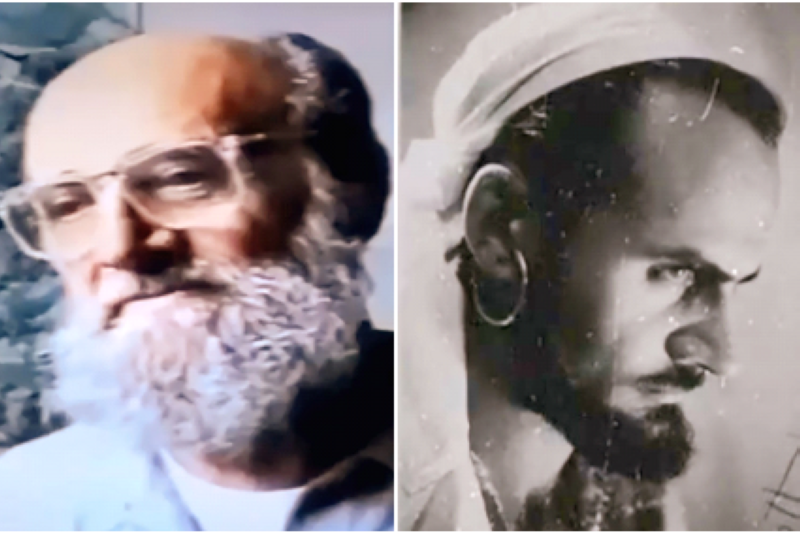
وُلد إيلو باتيجللي (ILO BATTIGELLI) أو «إيلو القرصان»، كما كان يسمي نفسه في مدينة «سان دانييلي ديل فريولي» الإيطالية في مقاطعة أوديني بإقليم فريولي فينيتسيا جوليا بتاريخ 27 يوليو 1922، لأب كان يعمل في صناعة الخزائن. وكان هو الابن الأكبر في عائلة مكونة من عشرة أبناء. ذهب إلى المدارس لإتقان حرفة كغيره من مجايليه، لكنه آثر أن يركز جهوده على تعلم مهنة التصوير الفوتوغرافي كعمّه أرنستو الذي كان يمتلك استوديو للتصوير في مدينة جنوة. وعليه فقد هجر منزل العائلة في سن الثامنة عشرة للالتحاق بعمّه في جنوة من أجل تعلم فنون التصوير، وبالفعل تمكن الرجل من مهارات التصوير وراح يطور نفسه في هذا المجال ليصبح مع الوقت فناناً متمرساً في التقاط الصور الفوتوغرافية.
قبيل اندلاع الحرب العالمية الثانية بسنة، أي في عام 1938، هاجر باتيجللي مع والده وإخوته إلى إريتريا، التي كانت وقتذاك مستعمرة إيطالية جديدة. ولأن والده كان اشتراكيا في إيطاليا الفاشية، فقد دفع ابنه إيلو إلى سوق العمل مبكراً، فعمل الأخير في العاصمة الإريترية (أسمرة) مصوراً صحفياً ومصوراً تجارياً لعدة سنوات قبل أن يقع في أسر قوات الحلفاء في عام 1941، كغيره من مجموعة المستوطنين الإيطاليين الذين أسرتهم القوات البريطانية في خضم الحرب العالمية الثانية، ليعيش في بؤس وفقر مدقع، ثم لينتهي به المطاف في شرق السعودية عاملاً لدى شركة أرامكو على النحو الذي فصّلناه آنفاً. وفي هذا السياق رُصد عنه قوله «لم نترك إريتريا نحو السعودية بدافع المغامرة، ولكن بسبب الجوع. لقد كنت أرغب أن أتناول أكثر من وجبة واحدة في اليوم».
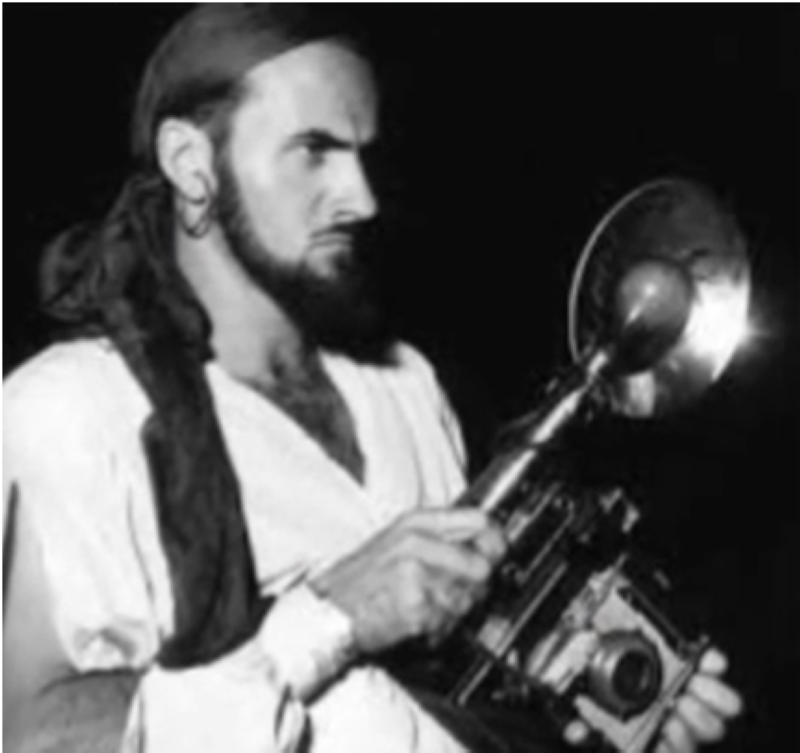
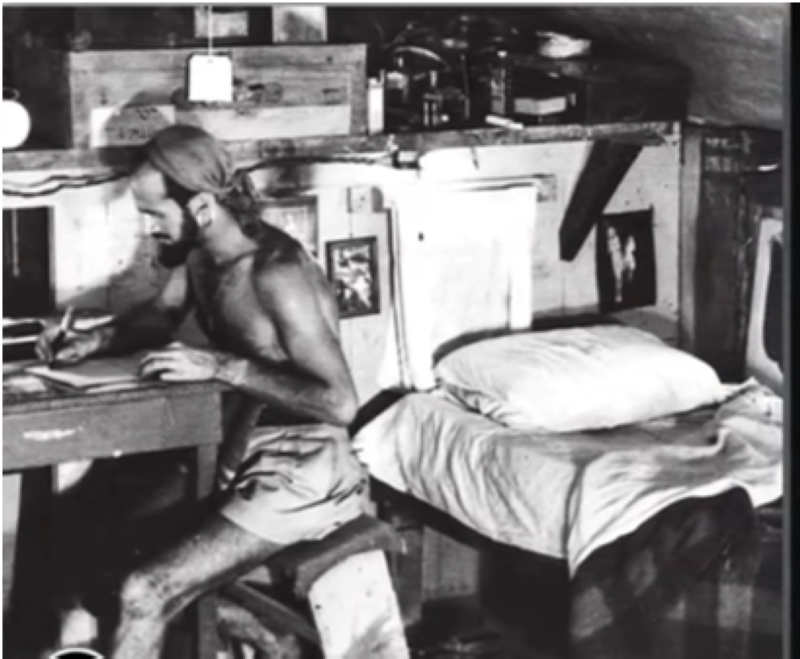
في ميناء رأس تنورة السعودي، الذي اختاروه ليكون مقراً لإقامته وعمله، أسندت أرامكو إليه وظيفة تصوير وفهرسة تطوُّر الأعمال في مشروع تشييد مصفاة تكرير البترول هناك، فأدى مهماته على أكمل وجه بسبب دقته الشديدة ومهارته الكبيرة في العمل، بدليل أنه ترقى سريعاً وصار مشرفاً عاماً على القسم الذي يعمل به. غير أن باتيجللي كان عاشقاً لمهنة التصوير فحسب بواسطة كاميرته الخاصة من نوع (ROLLEIFLEX 3.5)، خصوصاً أن المناظر التي شاهدها في رأس تنورة للأماكن والأعمال والبشر كانت غريبة عليه ومحفزة له على تصويرها.
تمكن الشاب الطموح ذو الـ24 ربيعاً، وقتذاك، من إقناع رؤسائه بتفريغه للأعمال الفوتوغرافية التوثيقية والشخصية، التي لم يكن أحد في تلك الفترة يمارسها أو يعرف أسرارها غيره. وهكذا نجح في تأسيس أول استوديو تصوير على شاطئ رأس تنورة وفي مكان يبعد قليلاً عن الميناء وخزانات النفط، ورفع عليه علماً يتوسطه شعار القراصنة. ويقال، إن الأسباب التي دعته إلى اختيار هكذا علم وتسمية نفسه «إيلو القرصان» هو شخصيته الرومانسية وطبعه المغامر ورغبته في التميز عن الآخرين.
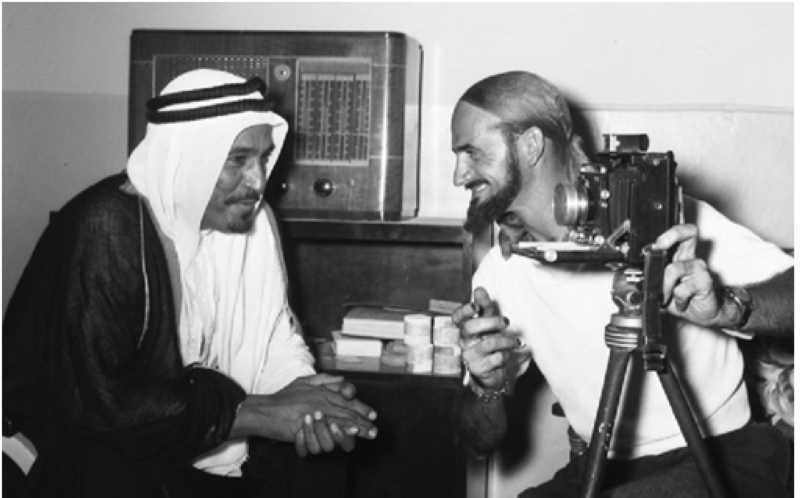
لقد كان باتيجللي إنساناً صادقاً ومجتهداً وقريباً من الناس ومحباً لمهنته، ويتجلى ذلك في سعيه لتعلم العربية كي يتواصل مع الناس من حوله، وقيامه بالتقاط الكثير من البورتريهات للناس والأطفال خارج الاستوديو، ناهيك عن علاقته الطيبة مع السعوديين الذين عاش في وسطهم لسنوات، بحسب قول ابنته «دانييلي باتيجللي روجر». ولعل من دلائل ذلك أنه استطاع التقرب من أمير رأس تنورة آنذاك تركي بن عبدالله العطيشان (1929 ــ 1985)، ونجح في كسب ثقته والحصول منه على موافقة ضمنية للتصوير بحرّية في أرجاء المنطقة الشرقية. وحول ذلك سُجل عنه قوله: «التقيت بأناس من مختلف المشارب ومن مختلف المناطق، وتلقيت منهم الدعوات لأنهم كانوا يعلمون بأني صديق الأمير في المملكة والجزيرة العربية، حيث عشت ربيع أعمالي الفنية». ثم أضاف، ما مفاده، أن سمعته بين الناس والمسؤولين أتاحت له الوصول إلى قصر أمير المنطقة الشرقية شديد المراس المرحوم سعود بن عبدالله بن جلوي في الدمام، وقضاء ليلة فيه من أجل التصوير.
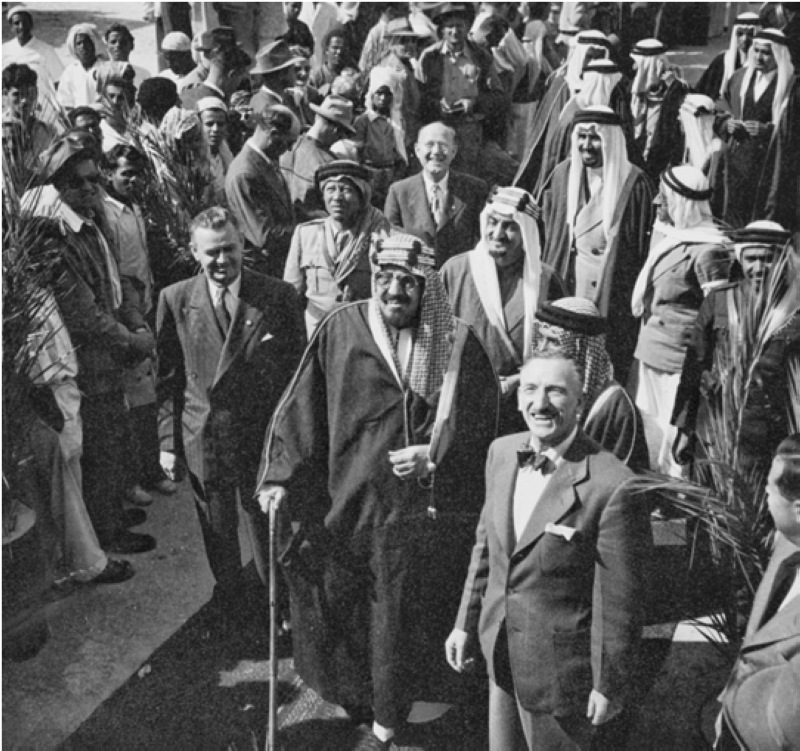
أشهر صورة التقطها باتيجللي
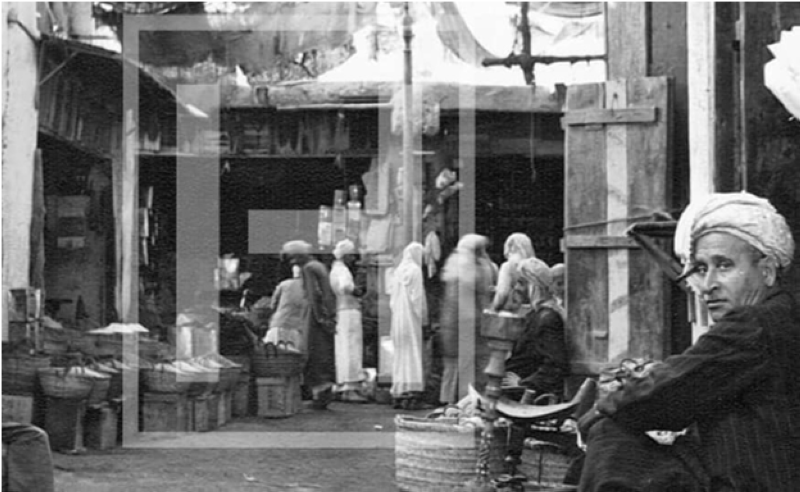
ويمكن القول، إن أشهر صورة التقطها باتيجللي أثناء وجوده في السعودية، هي صورة المغفور له الملك المؤسس عبدالعزيز آل سعود في فبراير 1947، خلال رحلة المؤسس الأخيرة للمنطقة الشرقية لتفقُّد منشآت الزيت، إذ صعد صاحبنا إلى سطح أحد المباني والتقط من هناك صورة فنية أعجبت الملك عبدالعزيز كثيراً. ولم تقتصر صور باتيجيللي على رأس تنورة والظهران، إنما التقط العديد من الصور للصحراء وسكانها وجزيرة تاروت وأطفالها، والخبر ومعالمها، بل انتقل أيضاً عبر البحر إلى البحرين وصوّر أسواقها التجارية وأعيانها.
في عام 1954، أي بعد عام من إضرابات العمال في أرامكو، ترك باتيجللي عمله مع أرامكو ليتفرغ لأعماله الفنية، فذهب إلى الولايات المتحدة، مرتدياً زي القرصان المميز، ليعرض فيها أعماله الفوتوغرافية المدهشة. وبينما هو منشغل بذلك جاءته برقية تطلب منه العودة على عجل إلى إيطاليا بسبب مرض والدته، ففعل. بعد ذلك، وتحديداً في عام 1957 انتقل إلى روديسيا لتصوير مشروع «سد كاريبا» في هراري، بتكليف من شركة مقاولات إيطالية، لكنه بقي هناك يدير محلاً خاصاً به للتصوير، ويلتقط صور البشر والحجر والطبيعة إلى أن تقاعد عن العمل في سنة 2000، وعاد إلى مسقط رأسه للاستقرار مع زوجته بولين، وظل كذلك إلى أن تُوفي إثر نوبة قلبية في 18 مارس 2009.
ومما تجدر بنا الإشارة إليه أخيراً، هو أن باتيجللي حصل على جائزة «فريولي فينيتسيا جوليا» للتصوير عن مجمل أعماله، وعُرضت أعماله لمدة شهر كامل في مطبعة جامعة أكسفورد البريطانية العريقة بتنظيم من ابنته دانييلي. إلى ذلك قامت دارة الملك عبدالعزيز في الرياض، بالتعاون مع مركز أرشيف الصور الفوتوغرافية بإيطاليا، بإقامة معرض لمدة أربعة أسابيع لأعمال باتيجللي في المتحف الوطني بمركز الملك عبدالعزيز التاريخي، في 12 ديسمبر 2009.
إيلو القرصان
Ethiopia and Eritrea fell under Italian colonial rule following the Second Italo-Ethiopian War in 1935, during the time of the dictator "Benito Mussolini." However, they were liberated from the grip of the Italians and fell into the hands of the Allies after World War II. One of the consequences of this was that the Allies captured a large number of Italians residing in Ethiopia as soldiers, settlers, officials, or administrators. Those who were stranded after the war due to ongoing conflicts in the region and post-war challenges not only suffered from captivity but also faced harsh conditions, enduring the pains of being away from their homeland, and experienced hunger, deprivation, and illness due to a lack of food, water, supplies, and medical care during that difficult period.
The treatment of Italian prisoners of war in Ethiopia and Eritrea was not uniform; many were able to regain their freedom and return home, while many others faced an uncertain fate. Since the vast majority of these individuals were educated and skilled in fields such as construction, carpentry, electricity, maintenance, and other trades, the Aramco oil company operating in Eastern Saudi Arabia decided, based on a suggestion from Colonel Stormy Weathers, who was then a petroleum supply officer in the U.S. Army in Cairo and later became the head of the local industries development department at Aramco, to employ them in their various fields of expertise, after obtaining permission from the late King Abdulaziz Al Saud, especially since Aramco was suffering from a severe shortage of trained labor while beginning the modernization and development of oil facilities and new communities it established for its American employees and Saudi workers in Dhahran, Ras Tanura, and Abqaiq, among others.
Accordingly, Aramco opened an office in Asmara, Eritrea, to recruit them and transport them to Saudi Arabia to work for the company instead of incurring high costs to bring skilled labor from other countries and train them. This was successfully achieved with the help of a company called MUNITY, which had been operating in Saudi Arabia for some time. The Italian prisoners of war rushed to register their names at the aforementioned Aramco office in Asmara to escape their miserable situation there, free themselves from the shackles of captivity, and hope to return to their homeland, as evidenced by the fact that their number reached about 1,800 Italians in the mid-1940s, according to Aramco's payroll records.
Aramco provided these individuals with a residential complex separate from the housing of its American employees and Saudi workers in both Dhahran and Ras Tanura, and it ensured that all their needs for supplies, medical care, and recreational facilities were met. Things went as hoped for several years, during which the Italians provided significant services to Aramco, including their participation in building the first crude oil refinery in Ras Tanura in 1944, and they took on the construction of residential, service, and recreational facilities for the company, such as the homes of senior employees, the main cinema hall, and the senior employees' restaurant in Dhahran, in addition to constructing the former American consulate building in Dhahran and the old cinema hall at Dhahran Airport to serve members of the U.S. military training mission and airport personnel and their guests. However, in the early 1950s, the Italians participated in the general strike led by some Saudi and Arab Aramco workers demanding equal treatment with American employees regarding salaries, incentives, living conditions, working hours, vacations, and allowing them to form unions to defend their rights, especially since most of them were familiar with union activities from their time in Ethiopia and Asmara.
By the late 1950s, there were only two of these prisoners left in the Eastern Province of Saudi Arabia, one named Luigi, who had moved to work as an "electrician" at Dhahran Airport, and the other named Patitca, who lived in Al Khobar and married a local woman after converting to Islam. As for the rest, some returned to their homeland, while others passed away and were buried in the Christian cemetery built in the west of the residential complex in Dhahran in 1945 with the permission of Minister Abdullah Al-Sulaiman Al-Hamdan (the cemetery was closed and converted into a park in 1980).
The late Saudi writer Ishaq Al-Sheikh Yaqub mentioned them in an article published in Al-Ayam newspaper in Bahrain (10/8/2017), telling us, from his experience working with them in Ras Tanura, that they were simple souls with a human spirit, close to the Saudi workers, sharing with them in playing football, and introducing them to Italian cultural movements and their pioneers, as they learned about the Italian writer and novelist Alberto Moravia for the first time, for example.
As for the American "Thomas Charles Parker," who came to Dhahran in the 1930s to work as an oil explorer and later became the sixth and most famous American president of Aramco (from 1959 to 1969), and the closest to its Arab employees, he informed us in his book "Under the Blue Dome," translated into Arabic and published in 2004, that although the Italian labor force was skilled and capable of executing the tasks assigned to them, they were chaotic in their lives and loved to indulge in leisure, and since all of them were single, they did not miss an opportunity to sneak into American employee parties to flirt with women.
The above was an introduction to a detailed discussion about one of the most famous Italians brought by Aramco to work for them before he became the owner of a photography studio and worked in documenting the company's activities and social life in cities in Eastern Saudi Arabia and beyond. Because he provided a significant documentation service, alongside his participation with his Italian colleagues in the construction of many of the first oil and non-oil facilities, we decided to document his biography, roles, and efforts through this material, relying on what has been written about him in various newspapers and publications, and Saudi oil literature, especially since many people inside and outside Saudi Arabia know nothing about him, nor about the role of the Italian prisoners in Aramco's operations.
ILO Battigelli, or "Ilo the Pirate," as he called himself, was born in the Italian city of San Daniele del Friuli in the province of Udine in the Friuli Venezia Giulia region on July 27, 1922, to a father who worked in cabinet making. He was the eldest son in a family of ten children. He went to school to master a craft like his peers, but he preferred to focus his efforts on learning the profession of photography like his uncle Ernesto, who owned a photography studio in Genoa. Thus, he left the family home at the age of eighteen to join his uncle in Genoa to learn the art of photography, and indeed, the man mastered photography skills and began to develop himself in this field to become, over time, an experienced artist in capturing photographs.
Just a year before the outbreak of World War II, in 1938, Battigelli emigrated with his father and siblings to Eritrea, which was then a new Italian colony. Because his father was a socialist in fascist Italy, he pushed his son Ilo into the labor market early, and the latter worked in the Eritrean capital (Asmara) as a photojournalist and commercial photographer for several years before being captured by Allied forces in 1941, like other Italian settlers who were captured by British forces during World War II, to live in misery and extreme poverty, eventually ending up in Eastern Saudi Arabia working for Aramco as detailed above. In this context, he was noted for saying, "We did not leave Eritrea for Saudi Arabia out of adventure, but because of hunger. I wanted to eat more than one meal a day."
In the Saudi port of Ras Tanura, which they chose as their residence and workplace, Aramco assigned him the job of photographing and cataloging the development of work in the construction project of the oil refinery there, and he performed his tasks excellently due to his extreme accuracy and great skill in work, evidenced by his rapid promotion to general supervisor of the section he worked in. However, Battigelli was only passionate about photography using his own camera of the type (ROLLEIFLEX 3.5), especially since the scenes he saw in Ras Tanura of places, work, and people were strange to him and motivated him to capture them.
The ambitious young man, then 24 years old, managed to convince his superiors to allow him to focus on documentary and personal photography, which no one at that time practiced or knew its secrets except him. Thus, he succeeded in establishing the first photography studio on the beach of Ras Tanura in a location slightly away from the port and oil tanks, and he raised a flag on it featuring a pirate emblem. It is said that the reasons that led him to choose such a flag and name himself "Ilo the Pirate" were his romantic personality, adventurous nature, and desire to stand out from others.
Battigelli was a sincere, diligent person, close to people, and loved his profession, as evidenced by his efforts to learn Arabic to communicate with those around him, and he took many portraits of people and children outside the studio, not to mention his good relationship with the Saudis among whom he lived for years, according to his daughter "Daniele Battigelli Roger." Perhaps a sign of this is that he managed to get close to the then Prince of Ras Tanura, Turki bin Abdullah Al-Otaishan (1929-1985), and succeeded in gaining his trust and obtaining implicit approval to photograph freely in the Eastern Province. Regarding this, he was noted for saying, "I met people from various backgrounds and different regions, and I received invitations from them because they knew I was a friend of the prince in the Kingdom and the Arabian Peninsula, where I lived the spring of my artistic works." He then added that his reputation among the people and officials allowed him to reach the palace of the late tough Prince Saud bin Abdullah bin Jalawi in Dammam and spend a night there for photography.
The most famous photo taken by Battigelli
It can be said that the most famous photo taken by Battigelli during his time in Saudi Arabia is the image of the late founding king Abdulaziz Al Saud in February 1947, during the founder's last trip to the Eastern Province to inspect oil facilities, as our friend climbed to the roof of one of the buildings and captured an artistic photo that greatly impressed King Abdulaziz. Battigelli's photos were not limited to Ras Tanura and Dhahran; he also captured many images of the desert and its inhabitants, Tarout Island and its children, Al Khobar and its landmarks, and even crossed the sea to Bahrain, photographing its commercial markets and dignitaries.
In 1954, a year after the workers' strikes at Aramco, Battigelli left his job with Aramco to dedicate himself to his artistic works, going to the United States dressed in his distinctive pirate outfit to showcase his amazing photographic works. While he was busy with that, he received a telegram requesting him to return urgently to Italy due to his mother's illness, which he did. After that, specifically in 1957, he moved to Rhodesia to photograph the "Kariba Dam" project in Harare, commissioned by an Italian contracting company, but he remained there managing his own photography shop, capturing images of people, stone, and nature until he retired in 2000 and returned to his hometown to settle with his wife Pauline, remaining so until he passed away from a heart attack on March 18, 2009.
Finally, it is worth mentioning that Battigelli received the "Friuli Venezia Giulia" photography award for his overall works, and his works were exhibited for a whole month at the prestigious Oxford University Press in the UK, organized by his daughter Daniele. Additionally, the King Abdulaziz Foundation in Riyadh, in cooperation with the photographic archive center in Italy, held an exhibition for Battigelli's works for four weeks at the National Museum in the King Abdulaziz Historical Center, starting on December 12, 2009.
Ilo the Pirate