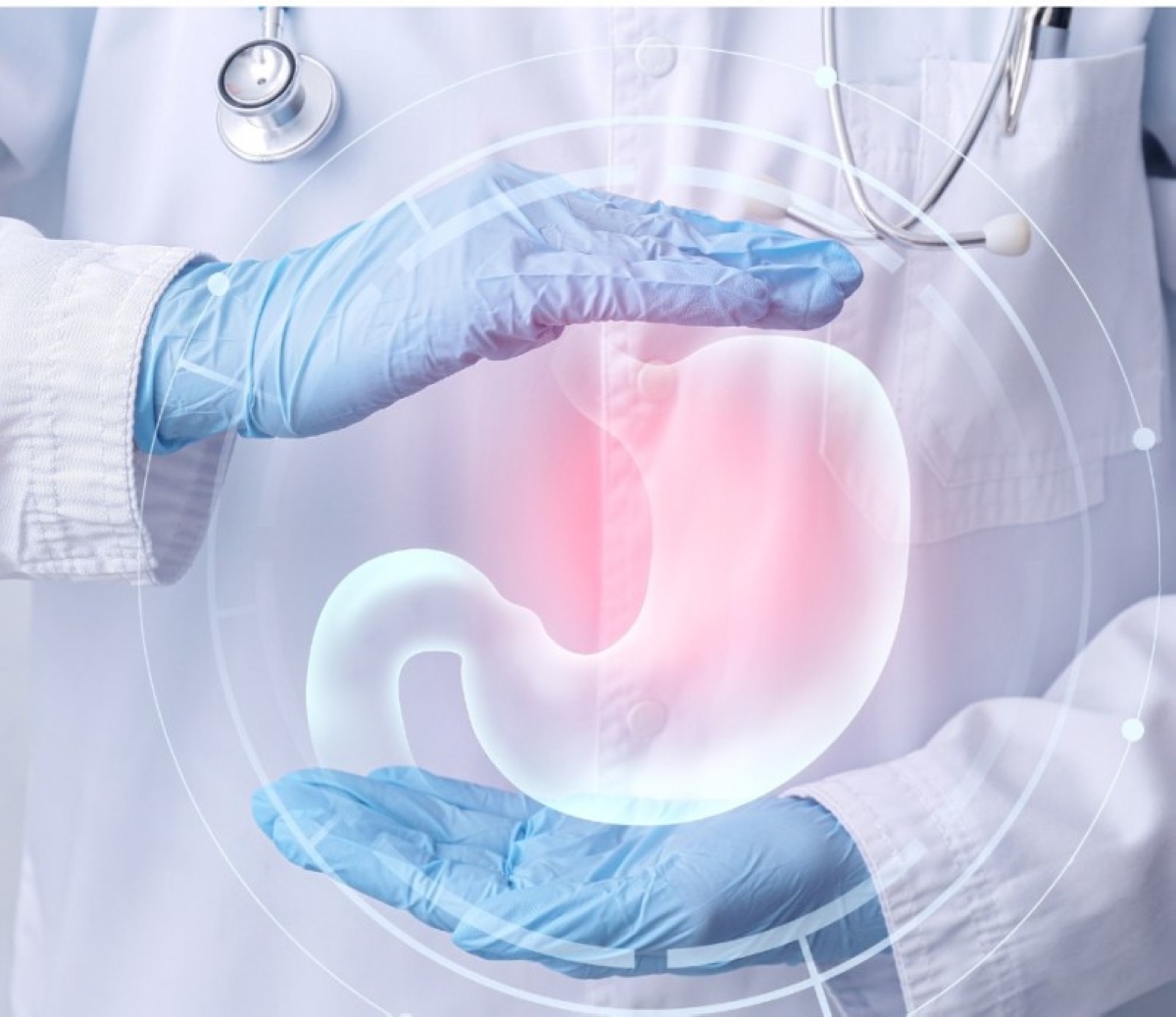
«القرحة» أحد أمراض الجهاز الهضمي الشائعة، وهي حالة مؤلمة تؤثر على جودة حياة المصاب وأنشطته اليومية، وإنتاجيته، وصحته العامة، وتؤدي إلى مضاعفات خطيرة إذا لم تُعالج مبكراً، خصوصاً أن مضاعفاتها خطيرة ومزعجة نتيجة تقرحاتها المفتوحة في بطن المعدة أو الاثني عشر، وتراوح شدتها بين خفيفة وشديدة، ومع ذلك يطلق الأطباء بارقة أمل أن علاجها والتخلص منها ليس صعباً متى شُخِّصت بشكل جيد وداوم المصاب على تناول الأدوية أولاً بأول. وتشير الدراسات إلى أن شخصاً واحداً من كل 10 يصاب بها في مرحلة ما من حياته، فيما تؤكد الأرقام السنوية تسجيل 500 ألف حالة إصابة بقرحة المعدة، وأن 10% من البالغين حول العالم يُصابون بالقرحة الهضمية في مرحلة ما من حياتهم، وأشارت دراسات أخرى، إلى أن 1% من سكان الولايات المتحدة يعانون من قرحة المعدة، وأن عدد الوفيات بسببها يقدر بنحو 10,000 سنوياً، والمُدخِّنون أكثر إصابة بالقرحة. وبيّنت وزارة الصحة السعودية، أن قرحة المعدة جرح عميق في بطانة القناة الهضمية بسبب تآكل في الغشاء الداخلي المبطِّن للجزء العلوي من الجهاز الهضمي، ويمكن أن تُسبِّب آلاماً أو اضطراباً في المعدة، أو تؤدي إلى نزيف داخلي. وفي بعض الحالات تلتئم القرحة الهضمية دون علاج، والعديد من المصابين يحتاجون إلى علاج لتخفيف الأعراض والوقاية من المضاعفات.
الجرثومة الحلزونية والطعام المهيّج
استشاري أمراض الجهاز الهضمي والكبد الدكتور عبدالله المحمود، أوضح أن قرحة المعدة هي تآكل في الغشاء المخاطي المبطن لجدار المعدة الداخلي، ينشأ عندما يختل التوازن بين إفراز الأحماض الهاضمة والعوامل الواقية التي تحمي بطانة المعدة، والخلل يؤدي إلى حدوث جرح مفتوح يسبب ألماً مزمناً، وشعوراً بالحرقة وعدم الارتياح في الجزء العلوي من البطن، ويُصنَّف هذا المرض ضمن ما يُعرف بـ«القرحة الهضمية» التي تشمل أيضاً قرحة الاثني عشر، وهي أكثر شيوعاً من قرحة المعدة نفسها.
وقال الاستشاري المحمود لـ«عكاظ»: إن بعض الدراسات قدرت أن نحو 5 إلى 10% من البالغين قد يُصابون بقرحة هضمية في مرحلة من حياتهم، وهي نسبة تجعلها من أكثر أمراض الجهاز الهضمي انتشاراً عالمياً.
وأشارت دراسات إلى أن السبب الأكثر شيوعاً هو العدوى ببكتيريا تُعرف باسم «الجرثومة الحلزونية»، وهي بكتيريا دقيقة قادرة على العيش في بيئة المعدة الحمضية، وتُحدث التهابات مزمنة قد تتطور إلى تقرّحات.
ويأتي بعد ذلك الاستخدام الطويل أو المفرط لمسكّنات الألم مثل الأسبرين والإيبوبروفين وبعض مضادات الالتهاب غير الستيرويدية التي تضعف الغشاء الواقي للمعدة، كما تُسهم بعض العوامل المساعدة في زيادة احتمالية الإصابة أو تأخير الشفاء؛ منها: التدخين، وتناول الكحول والمشروبات الغازية، والضغوط النفسية والتوتر المستمر، والإفراط في تناول الكافيين والأطعمة المهيّجة، ووجود تاريخ عائلي أو أمراض مزمنة كالفشل الكلوي أو أمراض الكبد.
هل لها علاقة بالأطعمة الحارقة ؟
عن أعراض قرحة المعدة، يقول الدكتور المحمود إن الأعراض تختلف باختلاف موقع القرحة وشدتها، لكن أكثرها شيوعاً ألم حارق أو ضغط في الجزء العلوي من البطن، يزداد بعد الأكل أو في الليل، والغثيان أو الميل للتقيؤ، والانتفاخ والشعور بالامتلاء السريع، وفقدان الشهية أو نقص الوزن عند الحالات المزمنة.
وفي بعض الأحيان، لا تظهر أي أعراض واضحة حتى تتطور القرحة إلى نزيف داخلي يظهر على شكل تقيؤ دموي أو براز داكن اللون، وهي حالة تستدعي التدخل الطبي العاجل.
ويضيف استشاري أمراض الجهاز الهضمي والكبد المحمود، أن العدوى بالجرثومة الحلزونية قابلة للانتقال بين الأفراد، غالباً عبر اللعاب أو الطعام أو المياه الملوثة، خصوصاً في البيئات التي تقل فيها معايير النظافة، لذا يُنصح بتجنّب مشاركة أدوات الطعام والعناية الشخصية، والحرص على غسل اليدين بانتظام، خصوصاً قبل الأكل وبعد استخدام الحمام، ومع ذلك، لا تُعد جميع حالات القرحة معدية؛ فبعضها ناتج عن الأدوية أو العادات الغذائية أو التوتر النفسي.
والأطعمة الحارة والمشروبات الغازية لا تُسبّب القرحة مباشرة، لكنها قد تُفاقم الأعراض لدى المصابين بها وتؤخر شفاء الغشاء المخاطي، لذلك يُفضَّل تقليلها أو تجنّبها إلى جانب الامتناع عن التدخين والكافيين الزائد والمأكولات الدهنية.
استمع لجسدك
عن الوقاية يقول استشاري أمراض الجهاز الهضمي والكبد الدكتور المحمود: إنها تبدأ بتغيير نمط الحياة نحو الأفضل، بتناول الوجبات بانتظام وتجنُّب الأكل المتأخر ليلاً، والإقلاع عن التدخين والكحول، وعدم استخدام المسكّنات إلا عند الضرورة وباستشارة الطبيب، ومعالجة العدوى البكتيرية فور تشخيصها، فالعلاج يعتمد في حالة العدوى بالبكتيريا الحلزونية على المضادات الحيوية ومثبّطات إفراز الحمض، وفي الحالات غير البكتيرية بالأدوية التي تقلل الحموضة وتحمي بطانة المعدة. ومن الوقاية أيضاً تعديل نمط الحياة، وفي حالات نادرة قد نحتاج للتدخلات الجراحية عند حدوث مضاعفات كالنزيف أو «الانثقاب».
ويحذر الدكتور المحمود، من التهاون في العلاج، ويقول: إذا لم تُعالج القرحة في الوقت المناسب، فقد تمتد لتؤثر على وظائف المعدة والاثني عشر، مسببة مضاعفات خطيرة مثل نزيف الجهاز الهضمي العلوي، وانثقاب جدار المعدة ما يؤدي إلى التهاب الغشاء البطني، وتضيّق مخرج المعدة نتيجة التندّب المزمن، ولهذا السبب، فإن التشخيص المبكر والعلاج المناسب تحت إشراف طبي مختص يضمنان شفاء كاملاً ويمنعان المضاعفات.
وختم بأن قرحة المعدة ليست مرضاً بسيطاً، كما يعتقد البعض، لكنها أيضاً ليست مستعصية على العلاج متى ما تم اكتشافها والتعامل معها بالشكل الصحيح، فالوعي الصحي، والالتزام بتوصيات الطبيب، وتجنب العادات الضارة، هي مفاتيح الوقاية والعلاج معاً، ولعل أهم رسالة يمكن أن نوجهها للقارئ هي: استمع لجسدك، فالألم المتكرر ليس عرضاً عابراً، بل قد يكون إنذاراً مبكراً يمكن أن ينقذك من مضاعفات جسيمة.
الوصفات العشبية.. مخفِّفة فقط
استشارية طب الأسرة بمركز صحي الفضيلة التابع لمستشفى الملك عبدالعزيز بجدة الدكتورة إيمان القرشي، أوضحت لـ«عكاظ»، أن القرحة الهضمية نوعان: قرحة المعدة وقرحة الاثني عشر، وتختلف الأعراض قليلاً، فقرحة المعدة يزداد ألمها بعد تناول الطعام مباشرة، وقرحة الاثني عشر يظهر ألمها بعد ساعات من تناول الطعام، ويخف بعد الأكل أو شرب الحليب. والتخلص من قرحة المعدة، وعلاجها يكون في أغلب الحالات دوائياً بالكامل، ويشمل أدوية تقلل حموضة المعدة ومضادات للبكتيريا المسببة للقرحة، أما الجراحة فتكون نادرة وتقتصر على الحالات المعقّدة أو التي يحدث فيها نزيف أو ثقب.
وتؤكد استشارية طب الأسرة الدكتورة القرشي، أن العلاج عادة سهل وفعّال إذا تم الالتزام به، وتتحسن الحالة خلال أسابيع قليلة، أما الحالات المزمنة فتحتاج متابعة أطول لتجنّب عودة الأعراض. وأشارت إلى اختلاف آلام القرحات بين خفيفة وشديدة بحسب عمق القرحة ومكانها ومدى تهيّج الغشاء المخاطي. وقد تكون الأعراض خفيفة في البداية، لكنها تزداد مع تناول أطعمة مهيجة، أو مع التوتر، وتناول المسكنات والدهون التي تُبطئ إفراغ المعدة وتزيد إفراز الحمض، ما يسبب انتفاخاً وثقلاً وألماً لدى المصابين بالقرحة أو الالتهابات المعدية.
وألمحت الدكتورة القرشي، إلى عدم الاعتماد على الوصفات الطبيعية في علاج قرحة المعدة، فبعض هذه الوصفات قد تخفف الأعراض مؤقتاً بفضل خصائصها المهدئة، لكنها ليست علاجاً أساسياً، فالاعتماد على العلاج الطبي المثبت علمياً هو الأهم لضمان شفاء تام ومنع المضاعفات.
ماذاتعرف عن «البكتيريا البوابية»؟
استشاري طب الباطنة الدكتور عبدالله باعطية، أشار لـ«عكاظ»، إلى أن القرحة الهضمية جرح أو تآكل في البطانة الداخلية للمعدة أو الاثني عشر، وتحدث عندما تكون هناك زيادة في الحمض، أو عندما تتكسر الطبقة الواقية من المخاط على البطانة، وهناك عدة أسباب أهمها وأكثرها شيوعاً الإصابة بعدوى «البكتيريا الملوية البوابية» أو ما يسمى «جرثومة المعدة» التي تؤدي إلى زيادة في الحمض، والتهاب في الجدار، واختلال في الطبقة المخاطية، والاستخدام المزمن لمضادات الالتهاب غير الستيرويدية التي تؤدي إلى اختلال في الطبقة المخاطية فتكون عرضة للالتهاب والإصابة بالقرحة.
وأوضح أن من أبرز أعراض القرحة الهضمية ألم أو حرقة في الجزء العلوي من البطن يزيد مع الجوع أو بعد الأكل حسب موقع القرحة، والغثيان أو القيء، وعسر الهضم والتجشؤ أو الشعور بالامتلاء، وفقدان الوزن، وفي الحالات الشديدة قد تصل المضاعفات إلى قيء دموي أو البراز الأسود الذي يدل على وجود نزيف من القرحة، أو يؤدي إلى ثقب أو انسداد في المسار الهضمي، ونادراً ما تكون دون أعراض.
وينصح الاستشاري باعطية، بضرورة مراجعة طبيب الباطنة والجهاز الهضمي عند ظهور الأعراض، والتوجه إلى الطوارئ في حال ظهور قيء دموي أو قيء داكن، أو وجود دم في البراز، أو براز أسود مصاحب بدوخة أو إغماء، أو وجود ألم شديد في أعلى البطن، ويتولى الكادر الطبي تسجيل التاريخ المرضي والفحص السريري وإجراء التحاليل والأشعة والمنظار لتشخيص الحالة وتقديم العلاج المناسب.
هكذا تتحول إلى «سرطان»
استشاري الباطنة الدكتور باعطية، حذر أيضاً من إهمال العلاج، وقال إن القرحة الهضمية قد تتحول إلى قرحة سرطانية، خصوصاً إذا كانت القرحة في المعدة لفترة طويلة دون علاج، والمسبب هي البكتيريا الملوية البوابية، ووجود تاريخ مرضي في العائلة بالإصابة بسرطان المعدة، فالمتابعة الدورية، والتنظير الدوري، مع أخذ العيّنات للتشخيص المبكر؛ علاج حاسم.
وينفي باعطية ما يشاع بتعايش المريض مع أعراض القرحة الهضمية، ناصحاً بمتابعة الطبيب، وتنظيم العادات الغذائية عن طريق الأكل البسيط المتعدد خلال اليوم، وتناول وجبة عشاء خفيفة، وتجنب الأكل قبل النوم بساعتين إلى ثلاث ساعات، والابتعاد عن الأكل الدهني، والابتعاد أو التقليل من المشروبات عالية الكافيين، والإقلاع عن التدخين ومنتجات التبغ الأخرى، وكلها هذه وقاية وعلاج لمرض قرحة المعدة.
“Ulcer” is one of the common gastrointestinal diseases, and it is a painful condition that affects the quality of life of the sufferer, their daily activities, productivity, and overall health. It can lead to serious complications if not treated early, especially since its complications are severe and bothersome due to the open sores in the stomach or duodenum. The severity of ulcers ranges from mild to severe; however, doctors express a glimmer of hope that treating and overcoming them is not difficult once they are diagnosed properly and the patient consistently takes their medications. Studies indicate that one in every 10 people will experience an ulcer at some point in their lives, while annual statistics confirm around 500,000 cases of stomach ulcers, and that 10% of adults worldwide will suffer from peptic ulcers at some stage in their lives. Other studies have indicated that 1% of the U.S. population suffers from stomach ulcers, with an estimated 10,000 deaths annually attributed to them, and smokers are more prone to ulcers. The Saudi Ministry of Health has shown that a stomach ulcer is a deep wound in the lining of the gastrointestinal tract due to erosion of the inner membrane lining the upper part of the digestive system, which can cause pain or discomfort in the stomach or lead to internal bleeding. In some cases, peptic ulcers heal without treatment, but many sufferers require treatment to alleviate symptoms and prevent complications.
Helicobacter Pylori and Irritating Foods
Consultant in gastroenterology and liver diseases, Dr. Abdullah Al-Mahmoud, explained that a stomach ulcer is an erosion of the mucous membrane lining the inner wall of the stomach, which occurs when the balance between digestive acid secretion and protective factors that safeguard the stomach lining is disrupted. This imbalance leads to an open wound that causes chronic pain and a burning sensation or discomfort in the upper abdomen. This disease is classified under what is known as “peptic ulcer,” which also includes duodenal ulcers, which are more common than stomach ulcers themselves.
Dr. Al-Mahmoud told “Okaz” that some studies estimate that about 5 to 10% of adults may develop a peptic ulcer at some point in their lives, making it one of the most prevalent gastrointestinal diseases globally.
Studies have indicated that the most common cause is infection by a bacterium known as “Helicobacter Pylori,” which is a microscopic bacterium capable of living in the acidic environment of the stomach and causing chronic inflammation that may develop into ulcers.
Following this, the long-term or excessive use of pain relievers such as aspirin, ibuprofen, and some non-steroidal anti-inflammatory drugs can weaken the protective lining of the stomach. Additionally, some contributing factors increase the likelihood of developing ulcers or delay healing, including smoking, alcohol consumption, carbonated beverages, psychological stress, continuous tension, excessive caffeine intake, irritating foods, and a family history or chronic diseases such as kidney failure or liver diseases.
Is There a Connection to Spicy Foods?
Regarding the symptoms of stomach ulcers, Dr. Al-Mahmoud states that symptoms vary depending on the location and severity of the ulcer, but the most common include a burning pain or pressure in the upper abdomen that worsens after eating or at night, nausea or a tendency to vomit, bloating, a feeling of rapid fullness, loss of appetite, or weight loss in chronic cases.
Sometimes, no clear symptoms appear until the ulcer develops into internal bleeding, which manifests as bloody vomit or dark-colored stools, a condition that requires urgent medical intervention.
Dr. Al-Mahmoud adds that Helicobacter Pylori infection is transmissible between individuals, often through saliva, food, or contaminated water, especially in environments with poor hygiene standards. Therefore, it is advised to avoid sharing eating utensils and personal care items, and to regularly wash hands, especially before eating and after using the bathroom. However, not all cases of ulcers are contagious; some result from medications, dietary habits, or psychological stress.
Spicy foods and carbonated beverages do not directly cause ulcers, but they may exacerbate symptoms in those who already have them and delay the healing of the mucous membrane. Therefore, it is preferable to reduce or avoid them, along with refraining from smoking, excessive caffeine, and fatty foods.
Listen to Your Body
Regarding prevention, Dr. Al-Mahmoud states that it begins with improving lifestyle habits, such as eating regular meals, avoiding late-night eating, quitting smoking and alcohol, and not using pain relievers unless necessary and under medical advice. Treating bacterial infections as soon as they are diagnosed is crucial. Treatment for Helicobacter Pylori infection relies on antibiotics and acid secretion inhibitors, while non-bacterial cases are treated with medications that reduce acidity and protect the stomach lining. Lifestyle modifications are also part of prevention, and in rare cases, surgical interventions may be needed when complications such as bleeding or perforation occur.
Dr. Al-Mahmoud warns against neglecting treatment, stating that if an ulcer is not treated in a timely manner, it may extend to affect the functions of the stomach and duodenum, causing serious complications such as upper gastrointestinal bleeding, perforation of the stomach wall leading to peritonitis, and narrowing of the stomach outlet due to chronic scarring. For this reason, early diagnosis and appropriate treatment under the supervision of a specialized physician ensure complete healing and prevent complications.
He concluded that a stomach ulcer is not a simple disease, as some may believe, but it is also not incurable if it is detected and managed correctly. Health awareness, adherence to medical recommendations, and avoiding harmful habits are the keys to both prevention and treatment. Perhaps the most important message we can convey to the reader is: listen to your body; recurring pain is not a transient symptom but may be an early warning that can save you from serious complications.
Herbal Remedies... Only Soothing
Family medicine consultant at Al-Fadila Health Center affiliated with King Abdulaziz Hospital in Jeddah, Dr. Iman Al-Qurashi, explained to “Okaz” that peptic ulcers come in two types: stomach ulcers and duodenal ulcers, with slightly different symptoms. Stomach ulcers cause increased pain immediately after eating, while duodenal ulcers show pain hours after eating, which decreases after eating or drinking milk. The treatment for stomach ulcers is mostly medication-based and includes drugs that reduce stomach acidity and antibiotics for the bacteria causing the ulcer, while surgery is rare and limited to complicated cases or those experiencing bleeding or perforation.
Dr. Al-Qurashi emphasizes that treatment is usually easy and effective if adhered to, with improvement seen within a few weeks. Chronic cases require longer follow-up to avoid recurrence of symptoms. She noted that the pain from ulcers can vary from mild to severe depending on the depth and location of the ulcer and the degree of irritation of the mucous membrane. Symptoms may be mild at first but can increase with the consumption of irritating foods, stress, and the use of pain relievers and fats that slow gastric emptying and increase acid secretion, causing bloating, heaviness, and pain in those with ulcers or gastric inflammation.
Dr. Al-Qurashi hinted at the importance of not relying on natural remedies to treat stomach ulcers, as some of these remedies may temporarily alleviate symptoms due to their soothing properties, but they are not a primary treatment. Relying on scientifically proven medical treatment is essential to ensure complete healing and prevent complications.
What Do You Know About “Helicobacter Pylori”?
Consultant in internal medicine, Dr. Abdullah Ba’atiyah, pointed out to “Okaz” that a peptic ulcer is a wound or erosion in the inner lining of the stomach or duodenum, occurring when there is an increase in acid or when the protective mucus layer on the lining breaks down. Several causes contribute to this, the most common being infection with “Helicobacter Pylori,” also known as “stomach germ,” which leads to increased acid, inflammation of the wall, and disruption of the mucus layer. Chronic use of non-steroidal anti-inflammatory drugs can also lead to disruption of the mucus layer, making it susceptible to inflammation and ulceration.
He explained that the most prominent symptoms of peptic ulcers include pain or burning in the upper abdomen that increases with hunger or after eating, depending on the location of the ulcer, nausea or vomiting, indigestion, belching, or a feeling of fullness, and weight loss. In severe cases, complications may lead to bloody vomit or black stools indicating bleeding from the ulcer, or may result in perforation or obstruction in the digestive tract, and it is rare for ulcers to be asymptomatic.
Consultant Ba’atiyah advises the necessity of consulting an internal medicine and gastroenterology physician upon the appearance of symptoms, and to head to the emergency department in case of bloody vomit, dark vomit, blood in stools, or black stools accompanied by dizziness or fainting, or severe pain in the upper abdomen. The medical team will record the medical history, perform a clinical examination, and conduct tests, imaging, and endoscopy to diagnose the condition and provide appropriate treatment.
This is How It Can Turn into “Cancer”
Consultant in internal medicine, Dr. Ba’atiyah, also warned against neglecting treatment, stating that peptic ulcers can transform into cancerous ulcers, especially if the ulcer in the stomach persists for a long time without treatment, with the cause being Helicobacter Pylori and a family history of stomach cancer. Regular follow-up, periodic endoscopy, and taking biopsies for early diagnosis are crucial.
Ba’atiyah refutes the notion that patients can live with the symptoms of peptic ulcers, advising regular medical follow-up and organizing dietary habits by eating simple, multiple meals throughout the day, having a light dinner, avoiding eating two to three hours before bedtime, and steering clear of fatty foods, as well as reducing or eliminating high-caffeine beverages, quitting smoking, and other tobacco products. All of these are preventive and therapeutic measures for stomach ulcers.