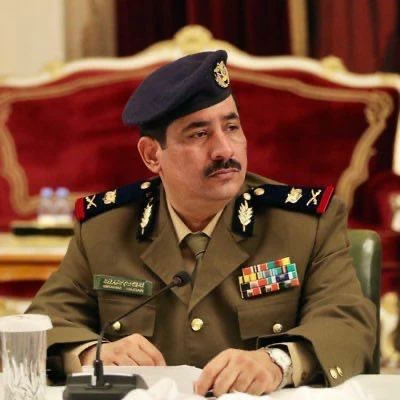
أكد وزير الداخلية اليمني اللواء الركن إبراهيم حيدان أن قرار مجلس القيادة الرئاسي باستئناف تصدير النفط سيادي بدرجة رئيسة قبل أن يكون اقتصادياً، ما يعني أن كل مؤسسات الدولة اليمنية بما فيها وزارة الداخلية معنية بتطبيقه وتحقيق عوامل نجاحه؛ لأنه يأتي استجابة لمطالب الشعب اليمني في إيقاف الانهيار الاقتصادي الذي يتزايد منذ انقلاب الحوثيين على الدولة اليمنية.
وزير الداخلية مترئساً اجتماع المجلس الأعلى للشرطة.
وقال في حوار أجرته معه «عكاظ»، إن طبيعة المليشيا الإرهابية خصوصاً التابعة للحرس الثوري الإيراني لا تهتم بحياة الناس أو مصالحهم، بل اهتمامها أكثر بتحقيق انتصارات تمكنها من التوسع والسيطرة والحشد والتجنيد والتسليح لتصعيد تهديداتها من منطقة إلى منطقة أوسع. مشيراً إلى أن وضع وزارة الداخلية جزء من وضع الدولة اليمنية التي تقوم بمهامها في ظل إمكانات محدودة سواء بتطبيع الأوضاع في المناطق المحررة أو الجهوزية لاستعادة المناطق التي تحت سيطرة المليشيا الانقلابية. وتحدّث وزير الداخلية اليمني عن عدد من المواضيع المهمة في الحوار التالي:
قرار استئناف تصدير النفط
• كيف تنظرون إلى قرار مجلس القيادة والحكومة باستئناف تصدير النفط؟
•• قرار مجلس القيادة باستئناف تصدير النفط هو قرار سيادي بدرجة رئيسة قبل أن يكون اقتصادياً، فهذا يعني أن كل مؤسسات الدولة اليمنية بما فيها وزارة الداخلية معنية بتطبيقه وتحقيق عوامل نجاحه، إلى جانب ذلك فإن هذا القرار استجابة لمطالب الشعب اليمني في إيقاف الانهيار الاقتصادي الذي يتزايد منذ انقلاب الحوثيين على الدولة اليمنية في سبتمبر 2014، ويكشف في الوقت نفسه حجم المعاناة من الحصار الذي فرضته المليشيات الحوثية الإرهابية على شعبنا منذ أن بدأت بتنفيذ هجماتها على الموانئ والسفن والمنشآت المعنية بتصدير النفط والغاز خصوصاً في حضرموت وشبوة 2022، ما انعكس سلباً على موارد الدولة، وتوقف رواتب الموظفين. إذاً اليوم جاء قرار مجلس القيادة لفك الحظر والحصار عن الشعب اليمني، وبصفتنا جهة أمنية عليا في البلد فإننا معنيون بتنفيذ خطة أمنية شاملة لحماية المنشآت والموانئ وخطوط النقل والعاملين فيها، وتعزيز التنسيق مع القوات المسلحة والسلطات المحلية وبقية مؤسسات الدولة لتحقيق ذلك.
الحوثيون لا يهتمون بحياة الناس
• هل أنتم مطمئنون من عدم مهاجمة المليشيا الحوثية للموانئ اليمنية؟
•• طبيعة المليشيا الإرهابية خصوصاً التابعة للحرس الثوري الإيراني لا تهتم بحياة الناس أو مصالحهم، بل اهتمامها أكثر بتحقيق انتصارات تمكنها من التوسع والسيطرة والحشد والتجنيد والتسليح لتصعيد تهديداتها من منطقة إلى منطقة أوسع، وكما نرى مليشيا الحوثي الإرهابية اليوم كيف تحولت من مهدد محلي إلى مهدد للأمن الإقليمي والدولي بعد استهدافها لممرات الملاحة الدولية المرتبطة باقتصاد العالم، وهذا يعطينا تصوراً أوليّاً إلى جانب معرفتنا عنها بالانقلاب على كل الاتفاقيات، أنها ستعاود استهداف الموانئ والمنشآت المرتبطة بتصدير النفط والغاز لأسباب عدة، الأول: إعادة تصدير النفط والغاز هو إفشال لمخطط الحصار الذي فرضته على اليمنيين، ثانياً، هي ترى أن تجويع اليمنيين الوسيلة الوحيدة للسيطرة عليهم، ثالثاً: استقرار الاقتصاد يحتاج لتوقيف الحرب، والحوثيون مرتبطون بحروب إيران الطويلة التي لا تنتهي. وبذلك فإن حرب المليشيا وتحشيدها وتجنيدها غالباً ما تتم تحت مبرر ادعاء الحصار من الحكومة اليمنية وحلفائها، وتستغل المجاعة التي تسببت بها لاستقطاب الشباب، ولذلك فإنها ترى في قرار مجلس القيادة خطراً مصيرياً على وجودها ما سيجعلها تعرقل تنفيذه بهجماتها المتوقعة، لكن هذه المرة الأمر مختلف تماماً، فهذا القرار السيادي ستحميه وتنفذه منظومة أمنية وعسكرية متكاملة ليست مستعدة لحماية المنشآت والموانئ فقط، بل جاهزة لاستعادة صنعاء وإنهاء الانقلاب الحوثي.
إيران تشجع على التمرّد والانقلاب
• كيف تنظرون إلى تهديد الحوثي للملاحة في البحر الأحمر؟
•• من البداية كان تأسيس إيران لمليشيا الحوثي في اليمن ودعم تمردها وانقلابها، هو للحصول على موطئ قدم في منطقة جيوسياسية مهمة تجاور أكبر الدول إنتاجاً للنفط «دول الخليج» وتشرف على أهم مضيق وممر للتجارة الدولية وخطوط النفط والطاقة بالعالم «مضيق باب المندب»، وقد ساعد الحوثيين في تحقيق ذلك ثلاثة عوامل، الأول: ضعف الدولة اليمنية التي أثقلت بالصراعات السياسية، والثاني تساهل المجتمع الدولي تجاه الحوثيين ورخاوة مواقفهم على اعتبار أن هذه المليشيا هي مهدد أمني محلي فقط، والثالث، أطماع إيران في المنطقة وحلمها بالسيطرة على باب المندب إلى جانب أنها تعتبر مضيق هرمز تحت هيمنتها، فهي كانت تخطط لأهداف بعيدة المدى من خلال سيطرتها على اليمن، ومنها التحكم باقتصاديات العالم من خلال تهديدها لممرات الملاحة الدولية، وما تقوم به مليشيا الحوثي الآن في البحر الأحمر هو استكمال تنفيذ إستراتيجية إيران التي أعلنت إغلاق مضيق هرمز، وهي من تقف اليوم وراء إعلان الحوثي حظر الملاحة في البحر الأحمر.
الداخلية جزء من وضع الدولة
• كيف هي قدرات وزارة الداخلية وتحديداً خفر السواحل في مواجهة القرصنة الحوثية؟
•• وضع وزارة الداخلية هو جزء من وضع الدولة اليمنية التي تقوم بمهامها في ظل إمكانات محدودة سواء بتطبيع الأوضاع في المناطق المحررة أو الجهوزية لاستعادة المناطق التي تحت سيطرة المليشيا الانقلابية، فمسؤولية الدولة بشكل عام متكاملة، فالاقتصاد والسياسة يؤثران في الأمن، والأمن أيضاً له تداعيات على السياسة والاقتصاد، وبالتالي فإن مواجهة أي مخاطر أمنية هي مسؤولية كل مؤسسات الدولة، ووزارة الداخلية وهيئاتها وأجهزتها في رأس الحربة، ولذلك فإن الداخلية تنظر إلى التهديدات البحرية، وفي مقدمتها القرصنة والتهريب والأنشطة العدائية التي تنفذها مليشيا الحوثي الإرهابية، باعتبارها تحدياً ليس للأمن اليمني فحسب، بل للأمن الإقليمي والدولي، ومهما كانت قدرات وإمكانات وزارة الداخلية وبالتحديد قوات خفر السواحل، إلا أننا نحتاج لدعم إقليمي ودولي لمواجهة هذه الأخطار العابرة للحدود والمهددة للملاحة الدولية. ورغم الظروف الاستثنائية التي تمر بها اليمن، إلا أن قوات خفر السواحل تواصل أداء مهامها في حماية السواحل والمياه الإقليمية، وتأمين حركة الملاحة، ومكافحة التهريب والهجرة غير الشرعية، بالتنسيق مع القوات المسلحة، والأجهزة الأمنية، والشركاء الإقليميين، والدوليين. لكن مواجهة مثل هذه التهديدات تتطلب تكاملاً أكثر بين الأجهزة الأمنية والعسكرية؛ لأن طبيعة هذه التهديدات تتجاوز المهام الشرطية التقليدية، وتشمل أبعاداً أمنية وعسكرية واستخباراتية، خصوصاً أن مليشيا الحوثي الإرهابية المدعومة من إيران أنشأت تحالفات إرهابية وتعاون وثيق في البحر الأحمر مع تنظيم الشباب الصومالية (فرع تنظيم القاعدة)، وعصابات القرصنة، في تشكيل إرهاب مزدوج ومضاعف لممرات الملاحة الدولية.
وزير الداخلية مع وزير الدفاع اليمني يتفقدان عدداً من المواقع العسكرية.
خفر السواحل يحتاج للدعم
• ماذا يحتاج هذا القطاع ليكون قادراً على حماية السواحل اليمنية؟
•• حماية أكثر من 2,500 كيلومتر من السواحل اليمنية ومكافحة إرهاب مزدوج يجمع مليشيا الحوثي الإرهابية المدعومة من إيران وتنظيم الشباب الصومالية الإرهابية والقراصنة وتجار السلاح والمخدرات وعصابات تهريب البشر، تتطلب منظومة متكاملة من الرقابة البحرية العالية والقوات المدربة والسلاح النوعي والزوارق السريعة، وهذا يعني أننا بحاجة لتقنيات مرتبطة بالأقمار الصناعية وأبراج مراقبة بكاميرات متطورة وطائرات استطلاع مسيرة ومنظومة اتصال متطورة مرتبطة بغرفة عمليات وقيادة وسيطرة وبرامج تدريب احترافية وتمويل وتحديث أسطول الزوارق والدوريات ومشاريع تنموية لاستيعاب البيئة الساحلية ومجتمعها ليصبح جزءاً من منظومة التعاون الأمني، إلى جانب عمل اتفاقيات تعاون دولية أو تفعيل الاتفاقيات السابقة المعنية بالأمن البحري مع الدول الشقيقة والصديقة والمنظمات والهيئات الدولية المعنية بالأمن البحري. نحن نتحرك في إطار إمكاناتنا المحدودة، لكن أمن البحر الأحمر وخليج عدن وحماية مضيق باب المندب يتطلب جهود كل الدول التي تعتبر هذا الشريان جزءاً من أمنها الاقتصادي، فدعم خفر السواحل والأمن اليمني لحماية ممرات الملاحة الدولية هو استثمار في الاقتصاد الدولي قبل أن يكون مشروعاً أمنياً.
التنسيق أساس نجاح العمل
• كيف تنظر إلى مستوى التنسيق الأمني والعسكري بين مختلف قطاعات الدولة اليمنية؟
•• التنسيق بين المؤسسات الأمنية والعسكرية وبقية مؤسسات الدولة أمر أساسي في نجاح العمل وتحقيق أهداف إستراتيجية الدولة المرحلية وطويلة الأمد، ونحن من خلال التعاون مع مؤسسات الدولة العسكرية والاستخباراتية والدبلوماسية خلال الفترة الماضية حققنا تقدماً ملحوظاً في استعادة العمل المؤسسي، وإعادة بناء أجهزة الأمن، ومكافحة الإرهاب، والحد من الجرائم الجنائية والجرائم المنظمة العابرة للحدود خصوصاً المرتبطة بتهريب المخدرات والسلاح، وتحجيم قدرات الحوثيين في استخدام البحر والموانئ الخاضعة للدولة في تهريب السلاح الإيراني. إن من أساسيات عملنا في وزارة الداخلية هو التكامل مع بقية المؤسسات، وفق الأطر القانونية والمؤسسية، وبما يضمن توحيد الجهود وتبادل المعلومات وسرعة الاستجابة للتحديات. إن مواجهة الإرهاب والتهريب والجريمة المنظمة والاعتداءات لمليشيا الحوثية تتطلب تنسيقاً نوعياً، وإن الأمن مسؤولية وطنية مشتركة تقوم على توحيد الجهود وتبادل المعلومات والتخطيط المشترك، بما يعزز قدرة الدولة على حماية المواطنين وصون الأمن والاستقرار. ولا شك أن المرحلة الراهنة تتطلب تعزيز هذا التنسيق بصورة أكبر، من خلال تطوير منظومة القيادة والسيطرة، وتحديث قواعد البيانات، وتوحيد الجهود العملياتية وقنوات المعلومات، بما يعزز قدرة مؤسسات الدولة في حماية المواطنين، وترسيخ الأمن والاستقرار، ودعم مسار استعادة مؤسسات الدولة وبسط سيادة القانون.
المؤسستان الأمنية والعسكرية جاهزتان
• وكيف هو مستوى الجهوزية لمواجهة المليشيا الحوثية؟
•• المؤسسة الأمنية رديفة للمؤسسة العسكرية، وكلا المؤسستين جزء لا يتجزأ من الدولة وقرارها السيادي، وخلال الفترة الماضية، أعيد تنظيم وهيكلة المؤسستين الأمنية والعسكرية وتسليحهما تسليحاً نوعياً، وفي حال قرر مجلس القيادة التحرك عسكرياً، فإن إمكاناتنا البشرية والمادية قادرة على القيام بالمهام الموكلة، وفرض الأمن في كل منطقة محررة حتى استعادة صنعاء، ولدينا قوات أمن ومؤسسات خاصة بكل محافظة من محافظات الجمهورية ستوكل لها مهام الأمن بمجرد تحريرها.
اليمنيون ينتظرون استعادة الدولة
• هل ترون أن القوات العسكرية والأمنية قادرة على استعادة المحافظات الشمالية من المليشيا الحوثية؟
•• المؤسستان العسكرية والأمنية معنيتان بتنفيذ كل ما يسند إليهما، وستجدان مساندة شعبية ودعماً مجتمعياً كبيراً، وهذا يسهل عليهما المهمة ويسرع بالنصر، فهذه اللحظة ينتظرها كل اليمنيين بشوق، وقد حانت فرصتها، وأنضجتها أيام مقاومة الانقلاب أكثر، بل كسبت هذه اللحظة عوامل نصر متعددة؛ لأن خطر المليشيا الحوثية تعدّى اليمن والإقليم، وأصبحت تشكل تهديداً عالمياً. نحن بصفتنا المؤسسة الأمنية في أتم الجهوزية للقيام بمهامنا في كل الأوقات وتحت كل الظروف، فالعمل على استعادة الدولة وبسط نفوذها وسيادة القانون هو من صميم عملنا وهو مهمتنا الأساسية، وسنقاتل من أجل تحقيق ذلك جنباً إلى جنب مع القوات المسلحة والشعب اليمني.
إنهاء الحوثي واستعادة المؤسسات
• ماذا يحتاج اليمن لاستعادة دولته ورفع المعاناة عن شعبه؟
•• استكمال استعادة الدولة اليمنية ورفع المعاناة عن شعبها يتطلبان أولاً إنهاء الانقلاب الحوثي واستعادة مؤسسات الدولة، فلا يمكن أن يستقر بلد في ظل وجود مليشيا مسلحة تحمل السلاح، وتقوّض مؤسسات الدولة، وتفرض واقعاً خارج إطار الدستور والقانون، ولصالح أجندة لا تخدم اليمن ولا مصالح شعبه. واليمن اليوم بحاجة إلى تكامل الجهود على مسارات عدة، دعم القوات المسلحة والأجهزة الأمنية لفرض سيادة الدولة، وتوحيد الصف الوطني خلف مشروع الدولة، وتعزيز الإصلاحات الاقتصادية والخدمية للتخفيف من معاناة المواطنين، إلى جانب استمرار الدعم الإقليمي والدولي للحكومة الشرعية حتى تستعيد الدولة جميع مؤسساتها وبسط سلطتها على كامل التراب الوطني. ومن المؤكد أن قضية مليشيا الحوثي الإرهابية لم تعد شأناً يمنياً داخلياً فحسب، بل أصبحت تهديداً مباشراً للأمن الإقليمي والدولي. فالمليشيا الإرهابية أثبتت من خلال استهدافها للملاحة الدولية في البحر الأحمر، وتهديدها لأمن دول الجوار، بإيعاز ودعم من النظام الإيراني، أنها تمثل خطراً يتجاوز حدود اليمن، ويهدد استقرار المنطقة، وأمن التجارة العالمية، وسلاسل الإمداد الدولية.
The Yemeni Minister of Interior, Major General Ibrahim Haidan, confirmed that the Presidential Leadership Council's decision to resume oil exports is primarily a sovereign decision before it is an economic one, which means that all state institutions in Yemen, including the Ministry of Interior, are concerned with implementing it and achieving the factors for its success; because it comes in response to the demands of the Yemeni people to stop the economic collapse that has been increasing since the Houthi coup against the Yemeni state.
وزير الداخلية مترئساً اجتماع المجلس الأعلى للشرطة.
In an interview with "Okaz," he stated that the nature of the terrorist militia, especially those affiliated with the Iranian Revolutionary Guard, does not care about people's lives or their interests; rather, it is more concerned with achieving victories that enable it to expand, control, mobilize, recruit, and arm to escalate its threats from one area to a broader one. He pointed out that the situation of the Ministry of Interior is part of the situation of the Yemeni state, which is carrying out its tasks under limited capabilities, whether in normalizing conditions in the liberated areas or being ready to regain the areas under the control of the coup militia. The Yemeni Minister of Interior discussed several important topics in the following dialogue:
Decision to Resume Oil Exports
• How do you view the decision of the Council of Leadership and the government to resume oil exports?
•• The decision of the Council of Leadership to resume oil exports is primarily a sovereign decision before it is an economic one, which means that all state institutions in Yemen, including the Ministry of Interior, are concerned with implementing it and achieving the factors for its success. In addition, this decision is a response to the demands of the Yemeni people to stop the economic collapse that has been increasing since the Houthi coup against the Yemeni state in September 2014. It also reveals the extent of the suffering from the siege imposed by the terrorist Houthi militias on our people since they began their attacks on ports, ships, and facilities related to oil and gas exports, especially in Hadramout and Shabwa in 2022, which negatively impacted state resources and halted employee salaries. Therefore, today, the decision of the Council of Leadership has come to lift the ban and siege on the Yemeni people, and as a high security authority in the country, we are concerned with implementing a comprehensive security plan to protect the facilities, ports, transport lines, and the workers in them, and to enhance coordination with the armed forces, local authorities, and other state institutions to achieve that.
The Houthis Do Not Care About People's Lives
• Are you confident that the Houthi militia will not attack Yemeni ports?
•• The nature of the terrorist militia, especially those affiliated with the Iranian Revolutionary Guard, does not care about people's lives or their interests; rather, it is more concerned with achieving victories that enable it to expand, control, mobilize, recruit, and arm to escalate its threats from one area to a broader one. As we see today, the Houthi terrorist militia has transformed from a local threat to a threat to regional and international security after targeting international shipping routes linked to the world economy. This gives us an initial perception, alongside our knowledge of their coup against all agreements, that they will resume targeting ports and facilities related to oil and gas exports for several reasons: first, the resumption of oil and gas exports undermines the siege plan they imposed on Yemenis; second, they see starving Yemenis as the only means to control them; third, economic stability requires stopping the war, and the Houthis are linked to Iran's endless long wars. Thus, the militia's war, mobilization, and recruitment often occur under the pretext of claiming a siege by the Yemeni government and its allies, exploiting the famine they caused to attract youth. Therefore, they see the Council of Leadership's decision as an existential threat to their existence, which will make them obstruct its implementation with their expected attacks. However, this time, the situation is completely different; this sovereign decision will be protected and implemented by a comprehensive security and military system that is prepared not only to protect the facilities and ports but also ready to regain Sana'a and end the Houthi coup.
Iran Encourages Rebellion and Coup
• How do you view the Houthi threat to navigation in the Red Sea?
•• From the beginning, Iran's establishment of the Houthi militia in Yemen and its support for their rebellion and coup was to gain a foothold in a geopolitically important area adjacent to the largest oil-producing countries (the Gulf States) and overseeing the most important strait and corridor for international trade and oil and energy lines in the world (the Bab el-Mandeb Strait). Three factors helped the Houthis achieve this: first, the weakness of the Yemeni state, which has been burdened by political conflicts; second, the international community's leniency towards the Houthis and their relaxed positions, considering this militia only a local security threat; and third, Iran's ambitions in the region and its dream of controlling Bab el-Mandeb, alongside its dominance over the Strait of Hormuz. It has been planning for long-term goals through its control over Yemen, including controlling the world's economies by threatening international shipping routes. What the Houthi militia is currently doing in the Red Sea is a continuation of implementing Iran's strategy that announced the closure of the Strait of Hormuz, and it is behind the Houthi announcement of a ban on navigation in the Red Sea.
The Interior Is Part of the State's Situation
• How are the capabilities of the Ministry of Interior, specifically the Coast Guard, in confronting Houthi piracy?
•• The situation of the Ministry of Interior is part of the situation of the Yemeni state, which is carrying out its tasks under limited capabilities, whether in normalizing conditions in the liberated areas or being ready to regain the areas under the control of the coup militia. The responsibility of the state, in general, is integrated; the economy and politics affect security, and security also has repercussions on politics and the economy. Therefore, confronting any security risks is the responsibility of all state institutions, and the Ministry of Interior and its agencies are at the forefront. Thus, the Ministry of Interior views maritime threats, primarily piracy, smuggling, and hostile activities carried out by the terrorist Houthi militia, as a challenge not only to Yemeni security but also to regional and international security. Regardless of the capabilities and resources of the Ministry of Interior, specifically the Coast Guard, we still need regional and international support to confront these cross-border threats that threaten international navigation. Despite the exceptional circumstances Yemen is going through, the Coast Guard continues to perform its tasks in protecting the coasts and territorial waters, securing navigation, and combating smuggling and illegal immigration, in coordination with the armed forces, security agencies, and regional and international partners. However, confronting such threats requires greater integration between security and military agencies because the nature of these threats exceeds traditional police tasks and includes security, military, and intelligence dimensions, especially since the Iranian-backed Houthi terrorist militia has established terrorist alliances and close cooperation in the Red Sea with the Somali youth organization (a branch of Al-Qaeda) and piracy gangs, forming a double and compounded terrorism for international shipping routes.
وزير الداخلية مع وزير الدفاع اليمني يتفقدان عدداً من المواقع العسكرية.
The Coast Guard Needs Support
• What does this sector need to be able to protect the Yemeni coasts?
•• Protecting more than 2,500 kilometers of Yemeni coasts and combating double terrorism involving the Iranian-backed Houthi terrorist militia, the Somali youth organization, pirates, arms and drug traffickers, and human smuggling gangs requires a comprehensive system of high maritime surveillance, trained forces, qualitative weapons, and fast boats. This means we need technologies related to satellites, monitoring towers with advanced cameras, reconnaissance drones, and an advanced communication system linked to an operations room and command and control, as well as professional training programs, funding, and updating the fleet of boats and patrols, and developmental projects to accommodate the coastal environment and its community to become part of the security cooperation system. Additionally, we need to work on international cooperation agreements or activate previous agreements related to maritime security with brotherly and friendly countries and international organizations and bodies concerned with maritime security. We are operating within our limited capabilities, but the security of the Red Sea and the Gulf of Aden and the protection of the Bab el-Mandeb Strait require the efforts of all countries that consider this artery part of their economic security. Supporting the Coast Guard and Yemeni security to protect international shipping routes is an investment in the international economy before it is a security project.
Coordination Is the Basis for Successful Work
• How do you view the level of security and military coordination among different sectors of the Yemeni state?
•• Coordination between security and military institutions and other state institutions is essential for the success of work and achieving the strategic goals of the state, both short-term and long-term. Through cooperation with military, intelligence, and diplomatic state institutions during the past period, we have made significant progress in restoring institutional work, rebuilding security agencies, combating terrorism, and reducing criminal and organized cross-border crimes, especially those related to drug and arms smuggling, and limiting the capabilities of the Houthis in using the sea and state-controlled ports for smuggling Iranian arms. One of the fundamentals of our work in the Ministry of Interior is integration with other institutions, according to legal and institutional frameworks, ensuring the unification of efforts, information exchange, and rapid response to challenges. Confronting terrorism, smuggling, organized crime, and assaults by the Houthi militia requires qualitative coordination, and security is a shared national responsibility based on unifying efforts, exchanging information, and joint planning, which enhances the state's ability to protect citizens and preserve security and stability. Undoubtedly, the current phase requires strengthening this coordination further by developing the command and control system, updating databases, and unifying operational efforts and information channels, which enhances the capacity of state institutions to protect citizens, establish security and stability, and support the path of restoring state institutions and establishing the rule of law.
The Security and Military Institutions Are Ready
• What is the level of readiness to confront the Houthi militia?
•• The security institution complements the military institution, and both institutions are an integral part of the state and its sovereign decision. During the past period, the two security and military institutions have been reorganized and structured and equipped with qualitative armaments. If the Council of Leadership decides to take military action, our human and material capabilities are capable of carrying out the assigned tasks and imposing security in every liberated area until the restoration of Sana'a. We have security forces and institutions specific to each governorate of the republic that will be assigned security tasks as soon as they are liberated.
The Yemenis Are Waiting to Restore the State
• Do you believe that the military and security forces are capable of regaining the northern governorates from the Houthi militia?
•• The military and security institutions are concerned with implementing everything assigned to them, and they will find significant popular support and community backing, which facilitates their mission and accelerates victory. This moment is eagerly awaited by all Yemenis, and its opportunity has come, and the days of resisting the coup have matured it even more, gaining multiple factors for victory; because the threat of the Houthi militia has exceeded Yemen and the region and has become a global threat. As the security institution, we are fully prepared to carry out our tasks at all times and under all circumstances; working to restore the state and establish its influence and the rule of law is at the core of our work and is our primary mission, and we will fight to achieve that alongside the armed forces and the Yemeni people.
Ending the Houthis and Restoring Institutions
• What does Yemen need to restore its state and alleviate the suffering of its people?
•• Completing the restoration of the Yemeni state and alleviating the suffering of its people requires, first and foremost, ending the Houthi coup and restoring state institutions. A country cannot stabilize in the presence of an armed militia that carries weapons, undermines state institutions, and imposes a reality outside the framework of the constitution and law, for the benefit of an agenda that does not serve Yemen or its people's interests. Yemen today needs the integration of efforts on several fronts: supporting the armed forces and security agencies to impose the state's sovereignty, unifying the national front behind the state project, enhancing economic and service reforms to alleviate citizens' suffering, alongside continued regional and international support for the legitimate government until the state regains all its institutions and asserts its authority over the entire national territory. It is certain that the issue of the Houthi terrorist militia is no longer just an internal Yemeni affair, but has become a direct threat to regional and international security. The terrorist militia has proven, through its targeting of international navigation in the Red Sea and its threats to the security of neighboring countries, with the instigation and support of the Iranian regime, that it represents a danger that exceeds the borders of Yemen and threatens the stability of the region, the security of global trade, and international supply chains.