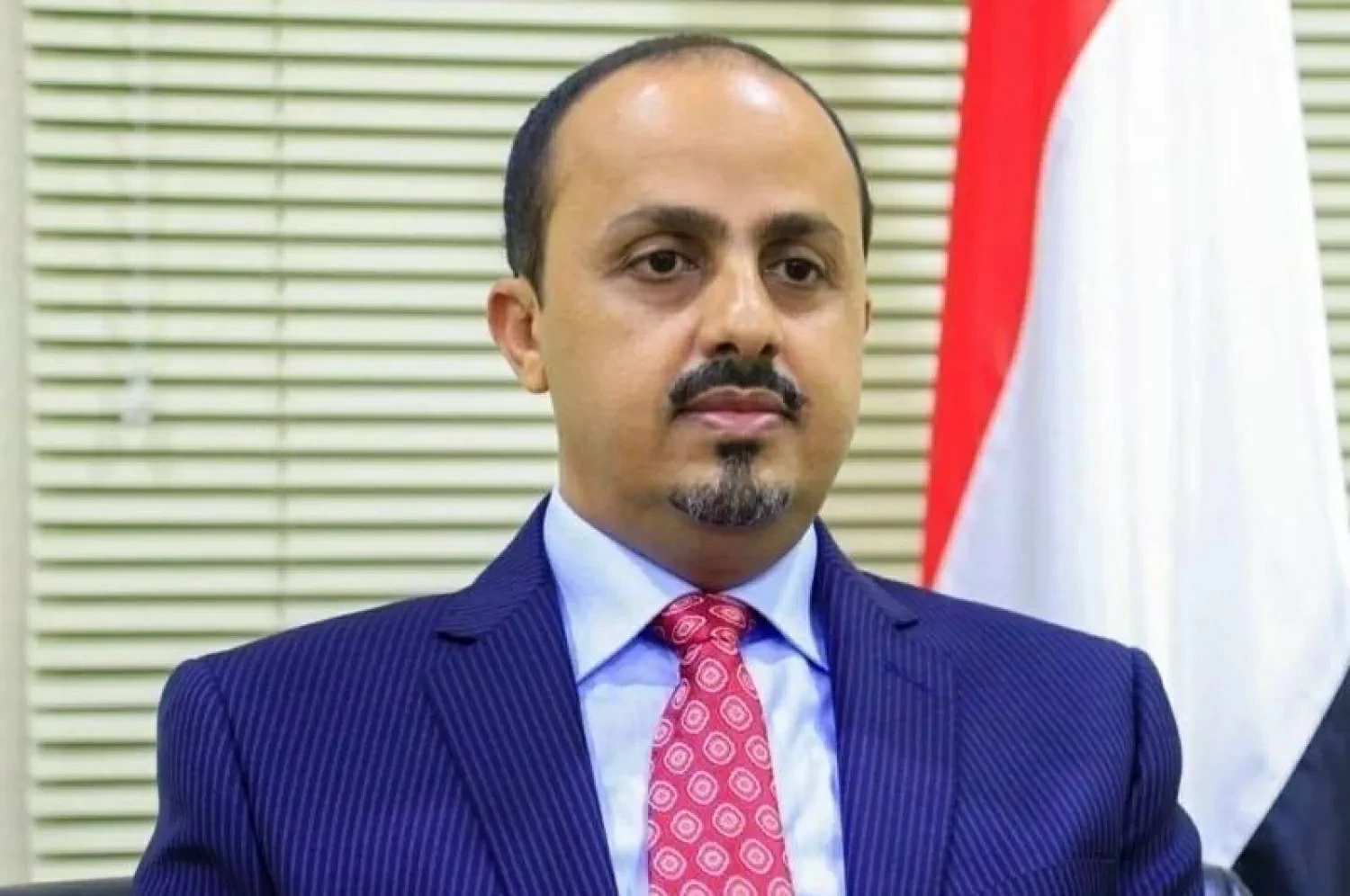
دعا وزير الإعلام اليمني معمر الإرياني اليوم (الثلاثاء)، المجتمع الدولي إلى اتخاذ موقف حازم ضد الحوثي بعد إغراقه سفينة هندية قبالة سواحل اليمن، مشدداً على ضرورة اتخاذ إجراءات عملية لوقف الدعم الإيراني للمليشيا الحوثية، وتجفيف منابع تمويلها وتسليحها، ومنع الحرس الثوري من ترسيخ موطئ قدم دائم على البحر الأحمر وباب المندب.
وحذر الإرياني في تدوينة على حسابه في «إكس» المجتمع الدولي من التقاعس الذي قال إنه لن يؤدي إلا إلى رفع كلفة المواجهة غداً، وسيمنح إيران فرصة لترسيخ واقع جديد يهدد الأمن الإقليمي، ويعرض أحد أهم شرايين التجارة العالمية لابتزاز مستمر.
وقال الإرياني: في الوقت الذي تتصاعد التوترات في مضيق هرمز، تواصل مليشيا الحوثي الإرهابية تنفيذ مخططها التصعيدي في البحر الأحمر، وكان آخره استهداف السفينة الهندية اليوم، ويؤكد هذا التصعيد أن إيران تعمل على توسيع نطاق الضغط عبر تفعيل مليشياتها في أكثر من ممر بحري إستراتيجي، في محاولة لخلق بؤر توتر متزامنة، وابتزاز المجتمع الدولي، وتهديد أمن الملاحة، وإمدادات الطاقة، والتجارة العالمية.
وأضاف: حذرنا مراراً من أن الحرس الثوري الإيراني يسعى إلى استنساخ نموذج مضيق هرمز في البحر الأحمر وباب المندب، وتحويل مليشيا الحوثي إلى أداة لفرض واقع جديد يجعل أمن أحد أهم الممرات البحرية في العالم رهينة لحسابات طهران السياسية والعسكرية.
وشدد الإرياني على خطورة التأخر في اتخاذ إجراءات ضد الحوثيين قائلاً: «ما يجري اليوم يؤكد أن كل يوم يتأخر فيه المجتمع الدولي عن اتخاذ إجراءات حازمة يمنح هذا المشروع مزيداً من الوقت ويزيد الكلفة».
ورأى وزير الإعلام اليمني أن ما يجري لم يعد شأناً يمنياً بل تحدٍ مباشر للأمن والسلم الدوليين، ولسلاسل الإمداد العالمية، وأمن الطاقة، وحرية التجارة الدولية، مضيفاً: «أي تهاون في مواجهة هذا المشروع لن يؤدي إلا إلى مزيد من التصعيد، وسيبعث برسالة خاطئة إلى الجماعات الإرهابية والجهات الداعمة لها بأن ابتزاز المجتمع الدولي، وتهديد الممرات البحرية الحيوية، يمكن أن يحقق مكاسب سياسية واقتصادية دون ثمن».
The Yemeni Minister of Information, Muammar Al-Eryani, called on the international community today (Tuesday) to take a firm stance against the Houthis after they sank an Indian ship off the coast of Yemen, emphasizing the need for practical measures to stop Iranian support for the Houthi militia, dry up its funding and armament sources, and prevent the Revolutionary Guard from establishing a permanent foothold in the Red Sea and Bab al-Mandab.
Al-Eryani warned in a post on his account on "X" that the international community's inaction would only lead to higher costs for confrontation tomorrow, and would give Iran the opportunity to establish a new reality that threatens regional security and exposes one of the most important arteries of global trade to continuous extortion.
He stated: At a time when tensions are escalating in the Strait of Hormuz, the terrorist Houthi militia continues to implement its escalation plan in the Red Sea, the latest of which was the targeting of the Indian ship today. This escalation confirms that Iran is working to expand the scope of pressure by activating its militias in more than one strategic maritime passage, in an attempt to create simultaneous hotspots, extort the international community, and threaten maritime navigation, energy supplies, and global trade.
He added: We have repeatedly warned that the Iranian Revolutionary Guard seeks to replicate the model of the Strait of Hormuz in the Red Sea and Bab al-Mandab, turning the Houthi militia into a tool to impose a new reality that makes the security of one of the most important maritime routes in the world hostage to Tehran's political and military calculations.
Al-Eryani stressed the danger of delaying action against the Houthis, stating: "What is happening today confirms that every day the international community delays taking decisive action gives this project more time and increases the cost."
The Yemeni Minister of Information viewed what is happening as no longer just a Yemeni issue but a direct challenge to international peace and security, global supply chains, energy security, and the freedom of international trade, adding: "Any leniency in confronting this project will only lead to further escalation and will send a wrong message to terrorist groups and their supporters that extorting the international community and threatening vital maritime passages can achieve political and economic gains without cost."