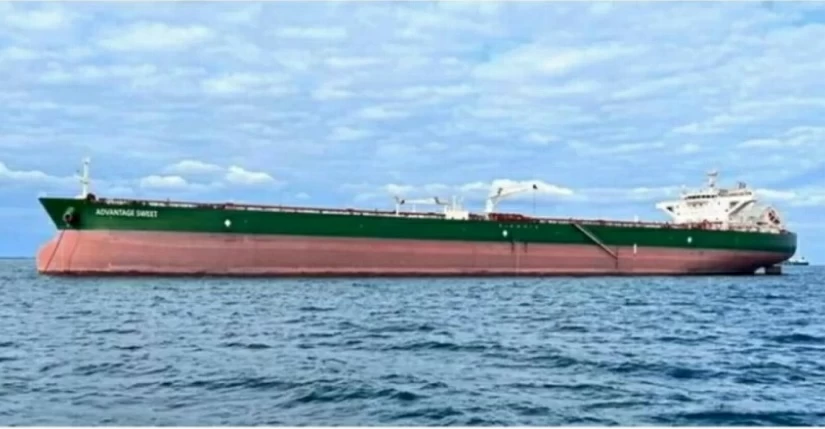
شهد ميناء ينبع السعودي على البحر الأحمر نشاطاً ملحوظاً في حركة شحن النفط، مع تزايد عدد ناقلات الخام التي تستخدم الميناء للتصدير، بالتزامن مع استمرار الاضطرابات الأمنية في المنطقة وعبور مزيد من السفن مضيق باب المندب دون تشغيل أنظمة التتبع، وفقاً لما ذكرته وكالة «بلومبيرغ» اليوم.
5 ناقلات عملاقة
وأظهرت صور أقمار صناعية التقطها القمر الأوروبي «سنتينل-2»، أخيراً، رسو خمس ناقلات نفط عملاقة على أرصفة تحميل النفط في ميناء ينبع، في أكبر نشاط يشهده الميناء منذ تصاعد التهديدات التي استهدفت الملاحة السعودية قبل نحو أسبوعين. ويؤدي ميناء ينبع دوراً محورياً في الحفاظ على تدفقات صادرات النفط السعودية، بعدما دفعت التوترات الإقليمية المملكة إلى نقل كميات كبيرة من الخام عبر خطوط الأنابيب إلى ساحل البحر الأحمر، لتصديرها إلى الأسواق العالمية بعيداً عن مضيق هرمز.
أعلى معدلات الشحن
وأظهرت بيانات تتبع السفن استمرار تدفق صادرات النفط الخليجية، إذ غادر أكثر من 8.4 مليون برميل من النفط موانئ الخليج يوم الجمعة الماضي، في واحدة من أعلى معدلات الشحن اليومية منذ اندلاع الحرب الإيرانية في نهاية فبراير الماضي، بينما نُقل الجزء الأكبر منها على متن ناقلات أوقفت أنظمة التتبع الخاصة بها.
The Saudi port of Yanbu on the Red Sea has witnessed a notable increase in oil shipping activity, with a rising number of crude tankers using the port for exports, coinciding with ongoing security disturbances in the region and more ships transiting the Bab el-Mandeb Strait without activating tracking systems, according to a report by Bloomberg today.
5 Giant Tankers
Recent satellite images captured by the European satellite "Sentinel-2" showed five giant oil tankers docked at the oil loading berths in Yanbu, marking the busiest activity the port has seen since the escalation of threats targeting Saudi navigation about two weeks ago. The Yanbu port plays a crucial role in maintaining the flow of Saudi oil exports, as regional tensions have prompted the kingdom to transport large quantities of crude via pipelines to the Red Sea coast for export to global markets, away from the Strait of Hormuz.
Highest Shipping Rates
Tracking data showed that Gulf oil exports continued to flow, with more than 8.4 million barrels of oil departing Gulf ports last Friday, in one of the highest daily shipping rates since the outbreak of the Iranian war at the end of February, while the majority of this was transported on tankers that had turned off their tracking systems.