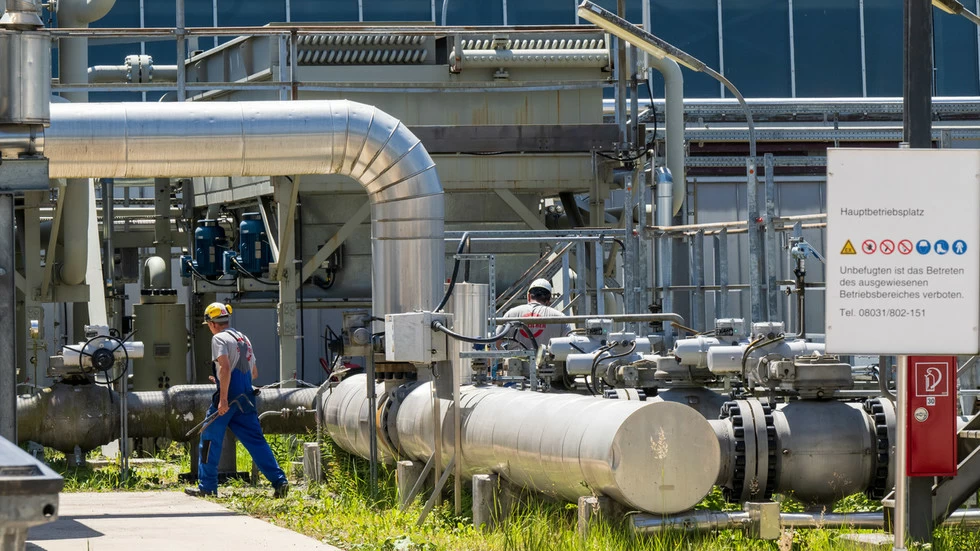
تراجعت مخزونات الغاز في أوروبا إلى أدنى مستوى منذ 2009، إذ بلغت نسبة الامتلاء 57.1% مطلع شهر أغسطس الجاري؛ بسبب ارتفاع الأسعار الناتج عن الحرب في الشرق الأوسط وشح الإمدادات. تواجه الحكومات الأوروبية ضغوطاً لإعادة ملء المخزونات مع اقتراب الشتاء، وسط توقعات بارتفاع الأسعار إلى 100 يورو لكل ميغاواط/ساعة بحلول ديسمبر القادم.
ارتفاع الأسعار
وهبطت مخزونات الغاز في أوروبا إلى أدنى مستوى في هذا الوقت من العام منذ ما يقرب من عقدين، بعدما دفعت الحرب في الشرق الأوسط أسعار الغاز إلى الارتفاع وأعاقت إعادة تكوين المخزونات استعداداً لفصل الشتاء، ما يضع الحكومات أمام تحديات متزايدة مع اقتراب موسم التدفئة. في العادة، تشتري شركات المرافق والمتداولون الغاز الطبيعي خلال أشهر الصيف، عندما تكون الأسعار أقل، ثم تُخزنه في الحقول المستنفدة والكهوف الملحية لاستخدامه خلال الشتاء، إلا أن بقاء الأسعار عند مستويات مرتفعة جعل هذه العملية غير مجدية اقتصادياً هذا العام. ونتيجة لذلك، لم تتجاوز نسبة امتلاء مخزونات الغاز في الاتحاد الأوروبي 57.1% مطلع أغسطس، وهو أدنى مستوى يُسجل في هذا الوقت من العام منذ بدء تسجيل البيانات في عام 2009.
ضغوط متزايدة
ومع اقتراب موسم البرد الذي لم يتبقَّ على بدايته سوى نحو شهرين، تواجه الحكومات الأوروبية، ولا سيما ألمانيا، ضغوطاً متزايدة بشأن ما إذا كان ينبغي لها التدخل لتحفيز إعادة ملء مرافق التخزين في ظلّ ارتفاع التكلفة. رغم استقرار أسعار الغاز الآن، فإنها لا تزال أعلى بنحو 80% من مستوياتها قبل اندلاع الحرب، كما تتجاوز أسعار عقود الشتاء، ما يقلص الحافز الاقتصادي لتكوين المخزونات.
Gas inventories in Europe have fallen to their lowest level since 2009, with a filling rate of 57.1% at the beginning of August; this is due to rising prices resulting from the war in the Middle East and supply shortages. European governments are under pressure to refill the inventories as winter approaches, amid expectations of prices rising to 100 euros per megawatt/hour by next December.
Price Increases
Gas inventories in Europe have dropped to their lowest level at this time of year in nearly two decades, as the war in the Middle East has driven gas prices up and hindered the replenishment of stocks in preparation for winter, placing governments under increasing challenges as the heating season approaches. Typically, utility companies and traders purchase natural gas during the summer months when prices are lower, then store it in depleted fields and salt caverns for use during winter. However, the sustained high prices have made this process economically unfeasible this year. As a result, the filling rate of gas inventories in the European Union did not exceed 57.1% at the beginning of August, the lowest level recorded at this time of year since data collection began in 2009.
Increasing Pressures
With the cold season approaching, just about two months away, European governments, particularly Germany, are facing increasing pressure regarding whether they should intervene to stimulate the refilling of storage facilities amid rising costs. Although gas prices are stable now, they remain about 80% higher than their levels before the outbreak of the war, and winter contract prices exceed this, reducing the economic incentive to build inventories.