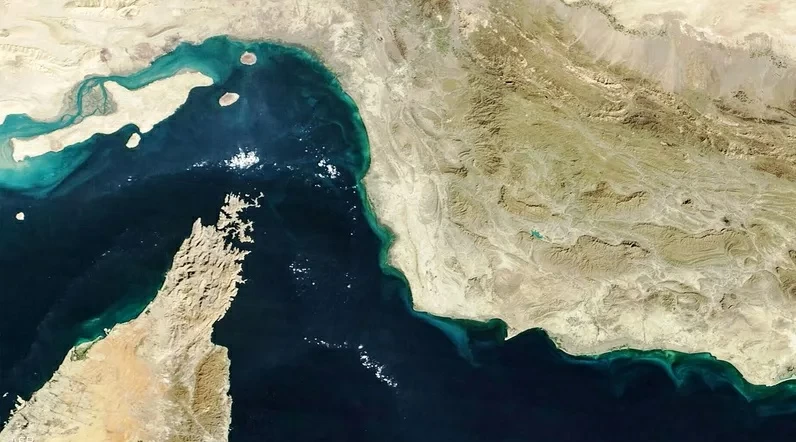
في خطوة تمثّل تراجعاً عن مواقفها السابقة ويمكن أن تشكل جزءاً من اتفاق يهدف إلى إعادة حركة الملاحة في مضيق هرمز، كشفت تقارير إعلامية، اليوم (الثلاثاء)، أن إيران تدرس السماح لدول أوروبية بالمشاركة في إزالة الألغام من مضيق هرمز.
ونقلت وكالة بلومبرغ عن مصادر مطلعة على المحادثات قولها إن أي مهمة أوروبية لإزالة الألغام ستتوقف على تقديم إيران ضمانات أمنية للسفن العسكرية المشاركة، وعلى صمود وقف إطلاق النار، موضحة أن الدول الأوروبية تحتاج إلى موافقة الحرس الثوري الإيراني، الذي قاد هجمات على الملاحة في المضيق.
وقال أحد الأشخاص إن «هناك خلافاً لا يزال قائماً داخل القيادة الإيرانية، إذ يصر بعض أعضاء الحرس الثوري على أن تتولى طهران، لا دول أخرى، مسؤولية تفكيك الألغام البحرية».
واعتبرت الوكالة هذه الخطوة قد توفر لشركات الشحن والتأمين ضمانات مستقلة بأن المضيق أصبح آمناً بعد أكثر من خمسة أشهر من الضربات المتبادلة بين الطرفين، كما قد تسهم في دفع الجهود الدبلوماسية الرامية إلى إنهاء الحرب.
في المقابل، قال وزير الخارجية الأمريكي ماركو روبيو إن الرئيس دونالد ترمب كان واضحاً بأن إيران لا يمكن أن تحصل على سلاح نووي ولذلك فإن الاتفاق يتعلق بضمان ذلك، مبيناً أن الاتفاق الفوري الذي يتم التركيز عليه حالياً يتعلق بمضيق هرمز وهناك نفط يمر عبره حالياً ما يعني أنه مفتوح.
وأوضح روبيو أن مفاوضات عُمان وإيران تناقش عبور مزيد من السفن من هرمز بأمان ونحن منخرطون في تلك المناقشات والمفاوضات، مشيراً إلى أن مفاوضات عُمان وإيران بشأن العبور الملاحي الآمن تتزامن مع توجهنا لمحادثات مطولة بشأن النووي الإيراني.
ولفت إلى أنه تم إحراز تقدم في محادثات نزع النووي الإيراني ولم نصل بعد إلى نتيجة نهائية ونأمل أن يتحقق ذلك قريباً.
من جهة ثانية، قال المتحدث باسم الخارجية الإيرانية إسماعيل بقائي: المفاوضات بين إيران وسلطنة عُمان لتنظيم العبور الآمن للملاحة في هرمز مستمرة، موضحاً أن المفاوضات مع عُمان تركز على تحديد مسارات آمنة لذهاب وإياب السفن في هرمز.
وأشار إلى أن المحادثات مع سلطنة عمان على المستويين الفني والسياسي إيجابية، ونسعى لوضع الآليات اللازمة للترتيبات المستقبلية لإدارة الملاحة بهرمز.
In a move that represents a retreat from its previous positions and could be part of an agreement aimed at restoring navigation in the Strait of Hormuz, media reports revealed today (Tuesday) that Iran is considering allowing European countries to participate in mine removal from the Strait of Hormuz.
Bloomberg reported, citing sources familiar with the talks, that any European mine removal mission would depend on Iran providing security guarantees for the participating military vessels and on the durability of the ceasefire, noting that European countries need the approval of the Iranian Revolutionary Guard, which has led attacks on navigation in the strait.
One person stated that "there is still an ongoing disagreement within the Iranian leadership, as some members of the Revolutionary Guard insist that Tehran, not other countries, should take responsibility for dismantling the naval mines."
The agency considered that this step could provide shipping and insurance companies with independent guarantees that the strait has become safe after more than five months of mutual strikes between the two sides, and it could also contribute to advancing diplomatic efforts aimed at ending the war.
In contrast, U.S. Secretary of State Marco Rubio stated that President Donald Trump was clear that Iran cannot obtain a nuclear weapon, and therefore the agreement is about guaranteeing that, indicating that the immediate agreement currently being focused on relates to the Strait of Hormuz, through which oil is currently passing, meaning it is open.
Rubio explained that the Oman-Iran negotiations discuss the safe passage of more ships through Hormuz, and we are engaged in those discussions and negotiations, noting that the Oman-Iran negotiations regarding safe maritime passage coincide with our approach to lengthy talks about the Iranian nuclear issue.
He pointed out that progress has been made in the talks on denuclearization, and we have not yet reached a final outcome, and we hope that this will be achieved soon.
On another note, Iranian Foreign Ministry spokesman Ismail Baqaei stated that negotiations between Iran and Oman to organize safe maritime passage in Hormuz are ongoing, clarifying that the talks with Oman focus on determining safe routes for the movement of ships in and out of Hormuz.
He indicated that the discussions with Oman at both the technical and political levels are positive, and we are seeking to establish the necessary mechanisms for future arrangements to manage navigation in Hormuz.