



قالوا قديماً، إن «البنت سر أبيها»، كناية عن عمق العلاقة ومتانتها بين الأب والبنت، كما قالوا، إن «وراء كل امرأة ناجحة أب عظيم»، في إشارة إلى أن البنت لا تجد من هو أحن عليها من أبيها، فهو الذي يعلمها ويوجهها منذ الصغر ويقف بجانبها في مسيرتها الدراسية والمهنية والأسرية وهو السند والملجأ في كل الأحوال والظروف، لذا فإن البنت ترى في أبيها القدوة، وتتأثر بشخصيته وعلمه وخبرته في الحياة.
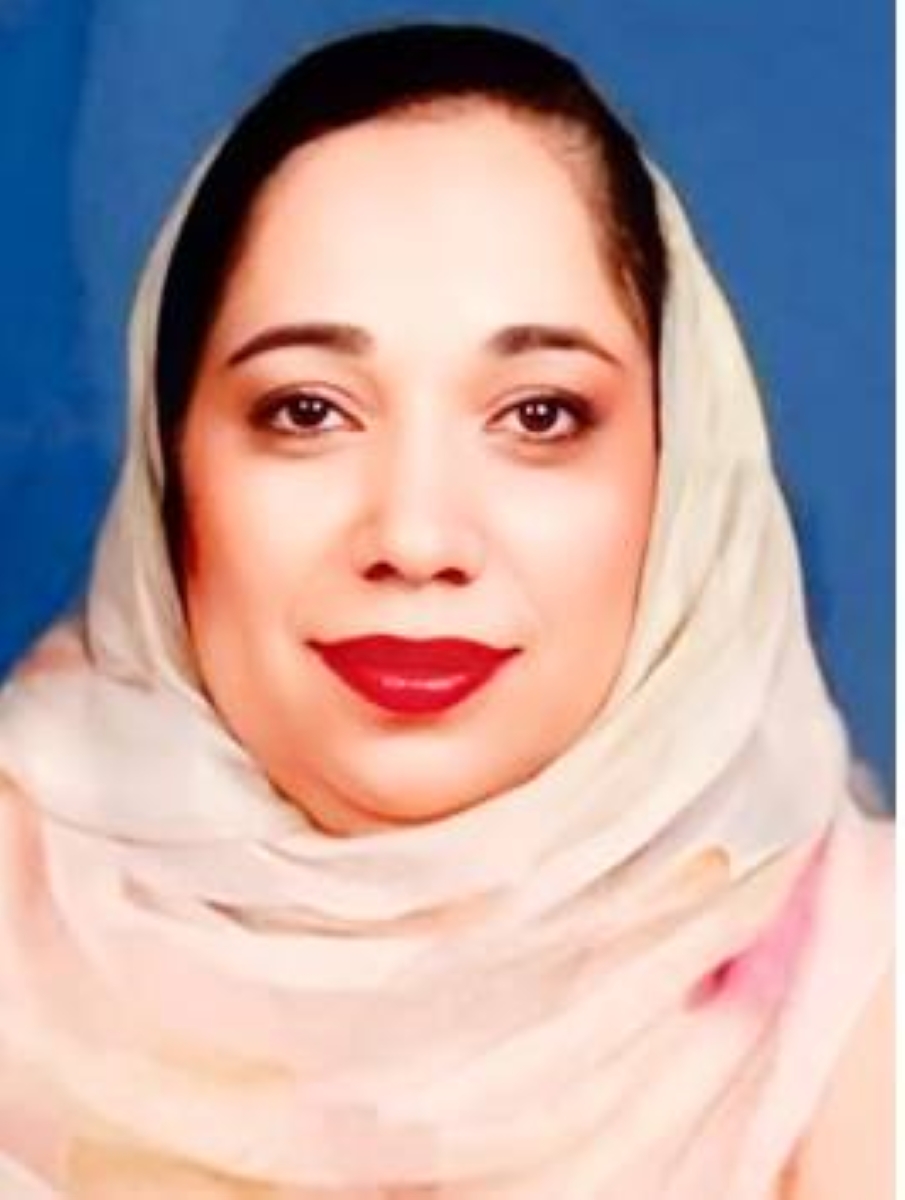
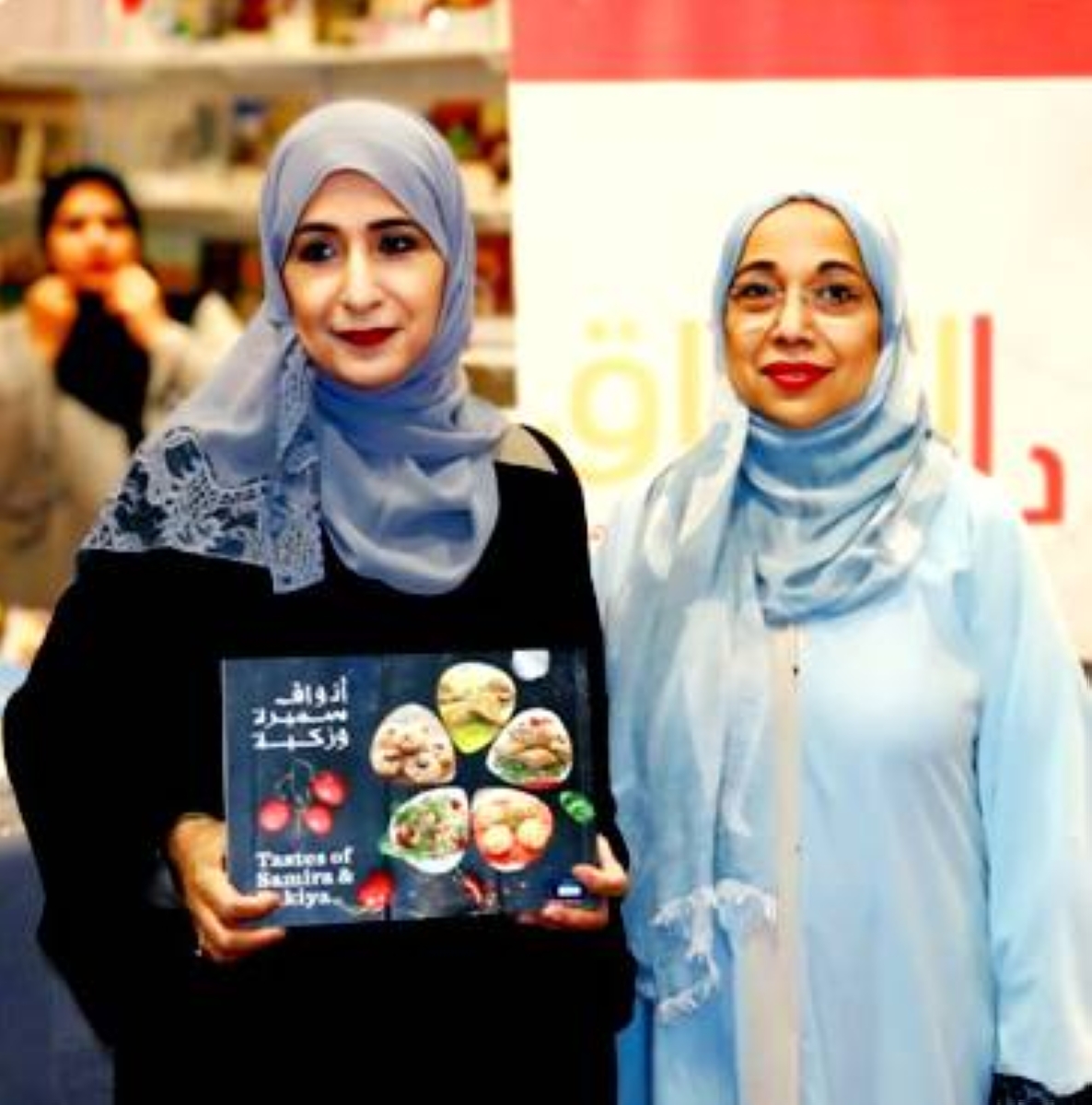
كلامنا هذا ينطبق على السيدة «سميرة محمد أمين عبدالله البستكي»، التي ستكون محور هذه المادة التوثيقية، والتي تعلمت الكثير من والدها شيخ المؤرخين والمترجمين في سلطنة عمان «محمد أمين عبدالله»، بحكم تنقّلها معه من مكان إلى آخر في رحلة الشتات والتعليم والعمل الوطني، في حقبة ما قبل وصول جلالة السلطان قابوس بن سعيد رحمه الله إلى سدة الحكم عام 1970، وتدشينه عهد التنمية والبناء والانفتاح على العالم.
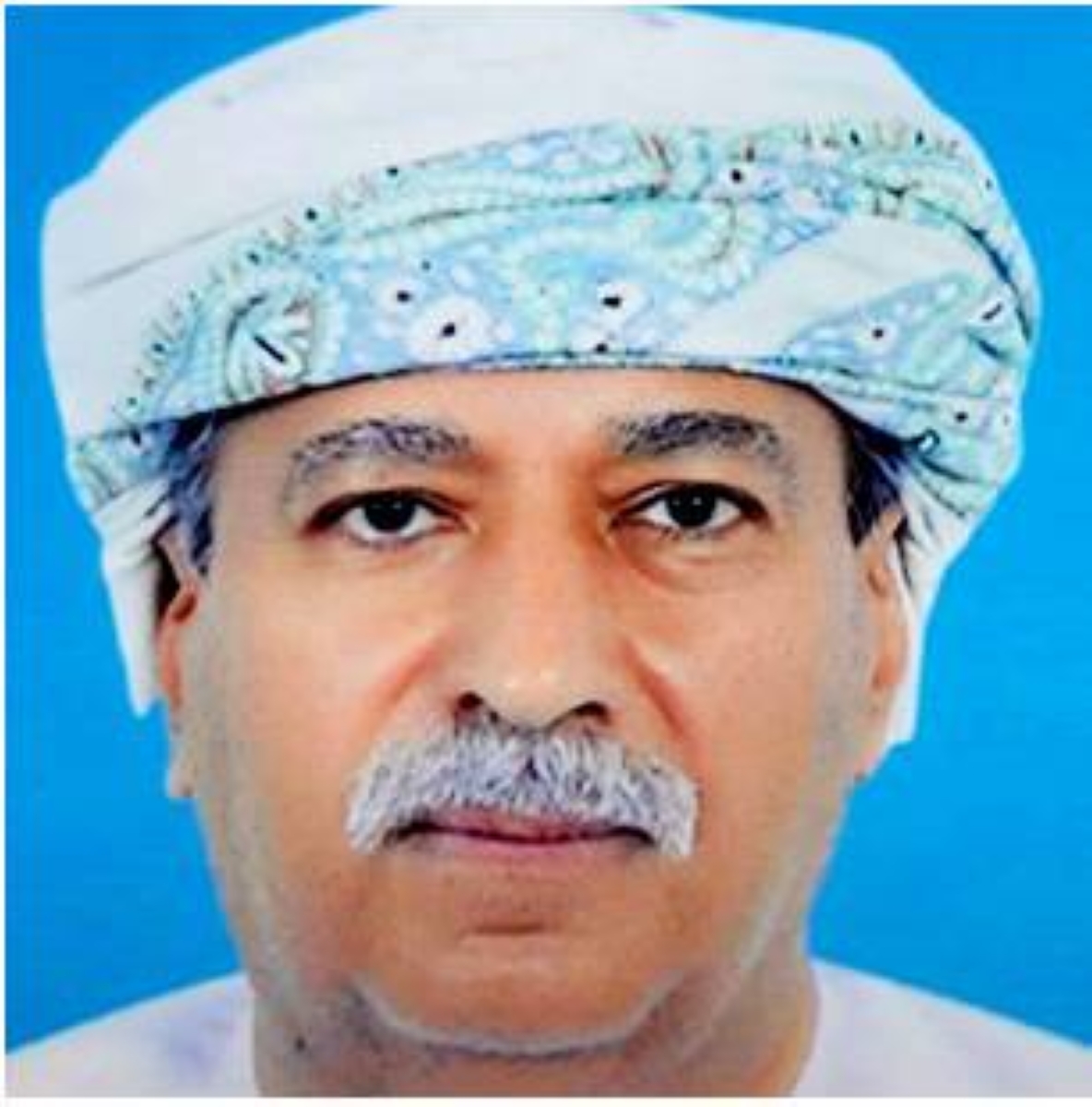
والحقيقة أنه لا يمكن الكتابة عن سميرة محمد أمين دون أن يعرّج المرء على سيرة والدها، الذي ورثت منه مهارات كثيرة سواء لجهة الشغف بالعلم والارتقاء بالذات، أو لجهة عشق العمل من أجل المجتمع والوطن وازدهارهما. كتبت عنها مواطنتها الدكتورة سعيدة بنت خاطر الفارسية في صحيفة «الرؤية» العمانية (20/10/2021) فقالت: «عرفتها ذات مهارات عليا في التفكير والتخطيط وتتمتع بمهارات ذهنية، ولذا تتصدر الاجتماعات بالمقترحات التي كثيراً ما تكون جديرة بالاهتمام والأخذ بها، كيف لا والطفل يتكون حسب ما أنشأه أبواه، وكيف لا وهي ابنة الأستاذ محمد أمين عبدالله البستكي، رائد الترجمة في عمان والخليج العربي وصاحب الدور المؤثر على صعيدين خطرين: أولهما قيامه في عهد السلطان سعيد بن تيمور (1932 ــ 1970) بعملية تنظيم وترتيب إخراج أبناء وطنه المتعطشين للعلم والمعرفة من مجتمعهم المغلق آنذاك، بغية إيفادهم إلى الخارج من أجل التعليم على نفقة الدول العربية الشقيقة، وثانيهما قيامه في عهد السلطان قابوس بن سعيد بإثراء المكتبتين الخليجية والعربية بترجمات متقنة للعديد من المؤلفات التاريخية الهامة من اللغة الإنجليزية إلى اللغة العربية، ولاسيما تلك المتعلقة بتاريخ عمان القديم والأوسط، وذلك بحكم إجادته للغتين إجادة تامة».
ولد أبوها في مسقط في حدود عام 1915، ابناً لأسرة تعود أصولها إلى مدينة بستك الواقعة اليوم ضمن محافظة هرمزكان في جنوب فارس العربي، الذي كان حتى العام 1868 تحت إدارة الإمبراطورية العمانية الممتدة من سواحل شرق أفريقيا حتى سواحل بندر عباس، وفي مسقط نشأ ودرس القرآن ومبادئ الدين واللغة العربية وفق أسلوب التعليم القديم المعتمد على الكتاتيب التقليدية والتلقين على يد مدرس يدعى «أبوذينة». هذا التعليم البدائي والمحدود في شكله وأسلوبه ومحتواه لم يروِ ظمأه المعرفي، ولم يشبع طموحاته في الارتقاء بذاته، فعمد إلى مطاردة الكتب، على قلّتها آنذاك، وقراءة كل ما يقع منها بين يديه. وهكذا اطّلع على الكثير من المعارف والعلوم، فأصبح ضليعاً في قواعد اللغة العربية ونحوها وبلاغتها، ثم أضاف إليها إتقان اللغة الإنجليزية تحدثاً وقراءة وكتابة، بل مارسها ممارسة عملية أثناء عمله في القنصلية البريطانية بمسقط في أربعينات القرن العشرين، وهو العمل الذي تركه في أعقاب مشادّة بينه وبين القنصل البريطاني. تلك المشادة كانت سبباً في قراره بالهجرة إلى الخارج مع ثلّة من أصدقائه، على نحو ما كان يفعله عمانيون كثر في تلك الفترة الحرجة بحثاً عن لقمة عيش شريفة وسعياً وراء المزيد من العلم النافع والحياة الكريمة. وهكذا حط رحاله سنة 1947 في باكستان، التي كانت وقتذاك مزدهرة علمياً وثقافياً ومستقرة سياسياً واجتماعياً، فالتحق في كراتشي بوزارة الإعلام الباكستانية وعمل بها مترجماً من الإنجليزية إلى العربية بإذاعة القسم العربي حتى عام 1953، وهو العام الذي غادر فيه باكستان نهائياً بعد أن سئم من الإقامة الطويلة بها، ومن الضغوط التي كان يتعرض لها من وزارة الإعلام الباكستانية للترويج لأفكار معينة متعلقة بالنموذج السياسي الباكستاني القائم على إثارة الحماس الديني، فيما كانت رغبته هي حصر عمله في ترجمة الكتب العربية إلى الإنجليزية فحسب. ومن الأسباب الأخرى التي دعته لمغادرة باكستان، رغبته في أن تنشأ ابنتاه سميرة وزكية في بيئة عربية من أجل اكتساب الثقافة العربية تحدثاً وكتابة. وهكذا اختار البحرين محطة جديدة لإقامة أسرته. وعليه فقد عاشت سميرة في البحرين من سن الثالثة إلى الرابعة، ثم انتقلت هي وأسرتها إلى الكويت بدعوة من صديق والدها العماني حمدان عبدالله، الذي كان يشغل آنذاك منصب المدير العام لدائرة بريد الكويت، حيث واصلت هناك دراستها حتى الصف الثاني الابتدائي، وحيث وُلد شقيقها الوحيد جبير (عُيّن في منصب رئيس شؤون الضيافة السلطانية بدرجة وزير عام 1996 وتوفي في فبراير 2023 وتم دفنه بمقبرة حارة الشمال في مطرح).
اضطُرت العائلة بعد ذلك لمواصلة رحلة الشتات، لأسباب سياسية، فانتقلت إلى القاهرة، حيث وُلدت الابنة الثالثة «تهاني»، وحيث عاشت سميرة طالبة من عام 1956 إلى عام 1970. ومما لا شك فيه أن سميرة تعلمت الكثير من إقامتها في مصر في تلك المرحلة الزاخرة بالأحداث السياسية والتقلبات الفكرية والنتاج الأدبي والفني والثقافي الراقي لكبار المبدعين المصريين والعرب. تحدثت سميرة عن زمنها القاهري فقالت: «وما أدراك ما القاهرة في ذلك الوقت، وما كانت تعجّ به من ضروب الثقافة والفكر والإبداع والفنون التي تكاملت فأفرزت ذلك الجمال والنظافة والألق، وتجمعت (تحت سمائها) كثير من الجاليات العربية المثقفة».
لكنها في الوقت نفسه عاشت حياة غربة قاسية، خصوصاً في ظل قلّة دخل الأسرة، واضطرارها للتقشف. إذ كان والدها في مرحلته القاهرية مجرد موظف يعمل في مكتب إمامة عمان بالعاصمة المصرية مقابل راتب زهيد لم يكن يسدّ التزاماته الشخصية أو التزاماته العائلية، الأمر الذي تسبب له في ضائقة مالية لم تنفع معها عودته لنشاطه القديم في ترجمة الكتب من الإنجليزية إلى العربية.
وبوقوع كارثة حزيران 1967 وتداعياتها، ساءت نفسية محمد أمين وأصابه الحدث في مقتل فجمد نشاطه في مصر لكنه آثر البقاء فيها متحملاً مرارة الغربة وضيق ذات اليد وقلّة الحيلة. أما ابنته سميرة فقد سارعت في عام 1970 بالعودة إلى مسقط لتتعرف على بلاد والديها وظروفها الجديدة في عهد السلطان الجديد، فأمضت بها فترة، ثم قررت الاستقرار في أبوظبي كمرحلة انتقالية. وفي أبوظبي تزوجت وعملت معلمة لمادة الاجتماعيات والاقتصاد من عام 1970 إلى 1972. لكنها بمجرد سماعها نداء السلطان قابوس لمواطنيه في الشتات بالعودة إلى الوطن لبنائه، عادت بمعية زوجها في عام 1972، ثم لحقت بها أسرتها التي عادت من مصر في عام 1974، ليُعيّن والدها موظفاً بوزارة الإعلام الناشئة، قبل أن تتم إعارته لوزارة التراث الوطني ليعمل ويواكب حركة الترجمة الواسعة في البلاد.
وكعادتها في اكتساب الخبرات والمواهب أينما حلت، فقد اكتسبت من عملها في أبوظبي الكثير من المهارات والخبرات الإدارية والتربوية، من خلال وظيفتها مدرسة لمادة الاجتماعيات التي شُغفت بها منذ الصغر ولمادة الاقتصاد التي تعلمتها من والدها خريج كلية الاقتصاد بجامعة كراتشي، ثم من خلال عملها في أبوظبي أخصائية اجتماعية ومساعدة إدارية لمديرة المدرسة التي عملت بها في أبوظبي.
بهذه الخلفية التربوية، عادت سميرة إلى عمان لتعمل في التدريس وبناء الأجيال العمانية الجديدة وسط ظروف البدايات الصعبة. تحدثت سميرة عن ذكريات تلك الأيام الأولى لها من العمل في وطنها، فقالت، إنها عملت في التدريس في مسقط في ظل ظروف صعبة للغاية بسبب انعدام التجهيزات الضرورية من طاولات ومقاعد ووسائل مواصلات من وإلى المدرسة، إلى درجة أنها كانت تضع الأوراق فوق قدمها للتمكن من الكتابة وتصحيح أوراق الامتحانات. أما تنقُّلها من المدرسة إلى مركز توزيع المقررات الدراسية فكان يتم بواسطة سيارة من نوع اللاندروفر وعبر طرق صحراوية وصخرية غير معبّدة. وأضافت ما مفاده، أن العمل وسط تلك الظروف كان نوعاً من العذاب اليومي، إلا أنه كان عذاباً جميلاً من أجل عيون الوطن، بحسب تعبيرها.
أول مديرة مدرسة عمانية
وهكذا عملت سميرة أولاً معلمة في مدرسة أسماء الابتدائية للبنات بمسقط، ومنها انتقلت إلى مدرسة الزهراء مديرة لها (دخلت تاريخ بلدها كأول مديرة مدرسة عمانية)، وعاصرت بدايات تعليم الفتيات في وطنها بكل ما اكتنفها من مشاكل وعوائق. تخبرنا سميرة، أن السلطان قابوس كان شديد الاهتمام والحرص على تعليم الفتيات، فكان يكرر زياراته الميدانية لمدارسهن بغية الاطلاع على تجهيزاتها ونواقصها من أجل توجيه من يعنيهم الأمر بتوفير اللوازم دون تأخير. وتتذكر سميرة واقعة زيارة السلطان لمدرستها الابتدائية، واستغرابه من تباين ألوان الزي المدرسي الموحد، الذي كان مردّه تعدد مصادر استيراد الزي ذي اللون الرملي، لعدم وجود محلات محلية كثيرة لتوريد الأقمشة وخياطتها في مطلع السبعينات.
وطبقاً للدكتورة سعيدة بنت خاطر (مصدر سابق)، فإن سميرة نالت ترقيات متتالية في مسيرتها التربوية. فقد عملت من عام 1979 إلى 1987 مديرة للأنشطة التربوية بوزارة التربية والتعليم، حيث برز اسمها من خلال هذا المنصب، ومن خلال ما حققته من إنجازات في حقول الرياضة والكشافة والأنشطة المدرسية والمهرجانات الطلابية والأعمال التطوعية، ناهيك عن تأسيسها جمعية المرشدات العمانية وتولي رئاستها. ثم عملت بعد ذلك مديراً عاماً للتعليم بوزارة التربية والتعليم من عام 1987 إلى 1997، ثم شغلت منصب مدير عام التخطيط والمعلومات التربوية بوزارة التربية والتعليم من عام 1997 إلى 1998، فإلى توليها منصب مستشارة وزير التربية والتعليم للتقويم التربوي من 1998 إلى 2011. وخلال هذه الفترة من مسيرتها رُشّحت لعضوية مجلس الدولة (الغرفة التشريعية الثانية للبرلمان)، فكانت ضمن أول أربع نساء دخلن هذا المجلس بمرسوم سلطاني في عام 1997 (الأخريات هن: لميس بنت عبدالله الطائي، والدكتورة سلمى اللمكي، ورحيمة بنت علي القاسمي). وخلال عضويتها بمجلس الدولة، ترأست العديد من لجانه، وشاركت في عدد من المؤتمرات والملتقيات، واختيرت لتمثل السلطنة في الهيئة الاستشارية لمجلس التعاون لدول الخليج العربية من عام 2004 إلى 2012، كما اختيرت عضواً في البرلمان العربي الانتقالي من 2008 إلى 2011.
وتقديراً وعرفاناً لجهودها ومسيرتها الناصعة في خدمة وطنها، منحها السلطان قابوس وسام الاستحقاق في عام 1983، ثم حصلت على وسام الخدمة المدنية الممتازة من جلالته، وعلى العديد من الشهادات والتكريمات من جهات مختلفة.
أما والدها المؤرخ والمترجم، فقد رحل إلى جوار ربه في الثامن عشر من يناير 1982، بعد أن اكتحلت عيناه بوطنه الذي كافح من أجل انفتاحه وازدهاره لسنوات طويلة، تاركاً خلفه للمكتبة العمانية والعربية جملة من الترجمات بلغت 22 كتاباً، كلها من إصدارات وزارة التراث القومي والثقافة بالسلطنة، أهمها:
صحار عبر التاريخ / تأليف أندرو ويليامسون، عمان في صفحات التاريخ / بقلم روبين بيدويل، ملحق البلاد السعيدة / بقلم سير آرثر كيث، ويليون ماريون كروجمان، بريطانيا والخليج 1795 - 1870 / جون. ب كيلى، عمان وشرقي أفريقية / تأليف أحمد حمود المعمري، عمان تاريخاً وعلماء / تأليف إف. سي. ولكنسون، البوسعيديون.. حكام زنجبار / ألفه بالإنجليزية عبدالله بن صالح الفارس، لمحة تاريخية عن المباني الأثرية في مسقط / روت هولى، الأفلاج ووسائل الري في عمان/ تأليف جي. سى. ولكنسون، الخليج.. بلدانه وقبائله/ س. ب. مايلز.
سميرة محمد أمين.. ورثت من أبيها جينات العمل
8 أغسطس 2025 - 18:41
|
آخر تحديث 8 أغسطس 2025 - 18:41


تابع قناة عكاظ على الواتساب
بقلم: د. عبدالله المدني
They said long ago that "a daughter is her father's secret," a metaphor for the depth and strength of the relationship between a father and his daughter. They also said that "behind every successful woman is a great father," indicating that a daughter finds no one more caring than her father. He is the one who teaches and guides her from a young age, standing by her side in her educational, professional, and family journey, being her support and refuge in all circumstances. Therefore, a daughter sees her father as a role model and is influenced by his personality, knowledge, and life experience.
This statement applies to Mrs. "Samira Mohammed Amin Abdullah Al-Bustaki," who will be the focus of this documentary material. She learned a lot from her father, Sheikh of historians and translators in the Sultanate of Oman, "Mohammed Amin Abdullah," due to her moving with him from place to place in a journey of diaspora, education, and national work during the era before His Majesty Sultan Qaboos bin Said, may God rest his soul, ascended to the throne in 1970, marking the beginning of an era of development, construction, and openness to the world.
In fact, it is impossible to write about Samira Mohammed Amin without touching upon the biography of her father, from whom she inherited many skills, whether in terms of passion for knowledge and self-improvement or in terms of a love for working for the community and the prosperity of her homeland. Her fellow citizen, Dr. Saida bint Khater Al-Farisi, wrote about her in the Omani newspaper "Al-Roya" (20/10/2021), saying: "I knew her as someone with high skills in thinking and planning, enjoying mental abilities, and thus she often leads meetings with proposals that are often worthy of attention and consideration. How could it be otherwise when a child is shaped by what their parents instill in them, and how could it be otherwise when she is the daughter of Professor Mohammed Amin Abdullah Al-Bustaki, a pioneer of translation in Oman and the Arabian Gulf, who played a significant role on two critical fronts: the first being his efforts during the reign of Sultan Said bin Taimur (1932-1970) to organize and arrange the sending of his countrymen, eager for knowledge, from their closed society at that time to study abroad at the expense of the brotherly Arab states; and the second being his efforts during the reign of Sultan Qaboos bin Said to enrich both the Gulf and Arab libraries with precise translations of many important historical works from English to Arabic, especially those related to the history of ancient and medieval Oman, due to his complete mastery of both languages."
Her father was born in Muscat around 1915, to a family whose roots trace back to the city of Bastak, which is now part of Hormozgan Province in southern Persian Arabia, which until 1868 was under the administration of the Omani Empire, extending from the shores of East Africa to the shores of Bandar Abbas. In Muscat, he grew up studying the Quran, religious principles, and the Arabic language according to the old educational method based on traditional kuttabs and rote learning under a teacher named "Abu Dhina." This primitive and limited education in form, method, and content did not quench his thirst for knowledge or satisfy his ambitions for self-improvement, so he pursued books, however few there were at that time, reading everything that came into his hands. Thus, he became well-versed in the rules of the Arabic language, its grammar, and rhetoric, and then added to that mastery of the English language in speaking, reading, and writing, even practicing it during his work at the British consulate in Muscat in the 1940s, a job he left following a quarrel with the British consul. This quarrel was the reason for his decision to emigrate abroad with a group of his friends, as many Omanis did during that critical period in search of a decent living and the pursuit of more beneficial knowledge and a dignified life. Thus, he settled in 1947 in Pakistan, which at that time was flourishing scientifically, culturally, and politically. He joined the Pakistani Ministry of Information in Karachi, working as a translator from English to Arabic for the Arabic section of the radio until 1953, the year he permanently left Pakistan after becoming weary of his long stay there and the pressures he faced from the Pakistani Ministry of Information to promote certain ideas related to the existing Pakistani political model based on stirring religious enthusiasm, while his desire was to limit his work to translating Arabic books into English only. Another reason that prompted him to leave Pakistan was his wish for his daughters, Samira and Zakiya, to grow up in an Arab environment to acquire Arabic culture in speaking and writing. Thus, he chose Bahrain as a new station to establish his family. Consequently, Samira lived in Bahrain from the age of three to four, then she and her family moved to Kuwait at the invitation of her Omani father’s friend, Hamdan Abdullah, who was then the Director General of the Kuwaiti Postal Department, where she continued her studies until the second grade, and where her only brother, Jubeir, was born (he was appointed as the Head of Royal Hospitality Affairs at the ministerial level in 1996 and passed away in February 2023, buried in the Al-Shamal cemetery in Mutrah).
The family was then forced to continue their journey of diaspora due to political reasons, moving to Cairo, where the third daughter, "Tahani," was born, and where Samira lived as a student from 1956 to 1970. Undoubtedly, Samira learned a lot from her stay in Egypt during that period, which was rich in political events, intellectual fluctuations, and the high literary, artistic, and cultural output of prominent Egyptian and Arab creators. Samira spoke about her time in Cairo, saying: "What do you know about Cairo at that time, and what it was bustling with in terms of culture, thought, creativity, and arts that came together to produce that beauty, cleanliness, and splendor, with many educated Arab communities gathering (under its sky)."
However, at the same time, she lived a harsh life of alienation, especially given the family's low income and the need for austerity. Her father, during his time in Cairo, was merely an employee working at the Omani Imamate Office in the Egyptian capital for a meager salary that did not cover his personal or family obligations, which caused him financial distress that was not alleviated by his return to his previous activity of translating books from English to Arabic.
With the occurrence of the June 1967 disaster and its repercussions, Mohammed Amin's mental state worsened, and the event struck him deeply, freezing his activity in Egypt, yet he preferred to remain there, enduring the bitterness of alienation and the tightness of means. As for his daughter Samira, she hurried back to Muscat in 1970 to get to know her parents' country and its new circumstances under the new Sultan, spending some time there before deciding to settle in Abu Dhabi as a transitional phase. In Abu Dhabi, she married and worked as a teacher of social studies and economics from 1970 to 1972. However, as soon as she heard Sultan Qaboos's call for his citizens in diaspora to return to their homeland to build it, she returned with her husband in 1972, followed by her family, which returned from Egypt in 1974, where her father was appointed as an employee in the newly established Ministry of Information before being seconded to the Ministry of National Heritage to work and keep pace with the extensive translation movement in the country.
As was her habit of acquiring experiences and talents wherever she went, she gained many administrative and educational skills from her work in Abu Dhabi, through her position as a teacher of social studies, a subject she had been passionate about since childhood, and economics, which she learned from her father, a graduate of the College of Economics at the University of Karachi, and then through her work in Abu Dhabi as a social specialist and administrative assistant to the school principal where she worked.
With this educational background, Samira returned to Oman to work in teaching and building the new Omani generations amid the difficult beginnings. Samira spoke about her memories of those early days of work in her homeland, saying that she taught in Muscat under extremely difficult conditions due to the lack of necessary equipment such as tables, chairs, and means of transportation to and from school, to the extent that she would place papers on her lap to be able to write and correct exam papers. As for her transportation from the school to the distribution center for educational materials, it was done by a Land Rover through unpaved desert and rocky roads. She added that working under those conditions was a kind of daily torture, yet it was a beautiful torture for the sake of the homeland, as she expressed.
The First Omani School Principal
Thus, Samira initially worked as a teacher at Asma Primary School for Girls in Muscat, from where she moved to Al-Zahra School as its principal (entering her country's history as the first Omani school principal), witnessing the beginnings of girls' education in her homeland with all the problems and obstacles it faced. Samira tells us that Sultan Qaboos was very keen on girls' education, frequently making field visits to their schools to check on their facilities and deficiencies to direct those concerned to provide the necessary supplies without delay. She recalls an incident of the Sultan's visit to her primary school and his astonishment at the varying colors of the uniform, which was due to the multiple sources of importing the sand-colored uniform, as there were not many local shops to supply and sew the fabrics in the early seventies.
According to Dr. Saida bint Khater (previous source), Samira received successive promotions in her educational career. She served as the Director of Educational Activities at the Ministry of Education from 1979 to 1987, where her name emerged through this position and through her achievements in the fields of sports, scouting, school activities, student festivals, and volunteer work, not to mention her founding of the Omani Girl Guides Association and her presidency of it. She then served as the Director General of Education at the Ministry of Education from 1987 to 1997, followed by her position as the Director General of Educational Planning and Information at the Ministry of Education from 1997 to 1998, and then as the Minister of Education's Advisor for Educational Assessment from 1998 to 2011. During this period of her career, she was nominated for membership in the State Council (the second legislative chamber of parliament), becoming one of the first four women to enter this council by royal decree in 1997 (the others being: Lamis bint Abdullah Al-Tai, Dr. Salma Al-Lamki, and Rahima bint Ali Al-Qasimi). During her membership in the State Council, she chaired several of its committees and participated in numerous conferences and forums, and she was chosen to represent the Sultanate in the Advisory Board of the Gulf Cooperation Council from 2004 to 2012, as well as being selected as a member of the transitional Arab Parliament from 2008 to 2011.
In recognition and appreciation of her efforts and her distinguished career in serving her country, Sultan Qaboos awarded her the Order of Merit in 1983, and she later received the Excellent Civil Service Medal from His Majesty, along with many certificates and honors from various entities.
As for her father, the historian and translator, he passed away on January 18, 1982, after having seen his homeland, for which he struggled for openness and prosperity for many years, leaving behind a collection of translations for the Omani and Arab library, totaling 22 books, all published by the Ministry of National Heritage and Culture of the Sultanate, the most important of which are:
Muscat Through History / by Andrew Williamson, Oman in the Pages of History / by Robin Bidwell, Supplement to the Happy Country / by Sir Arthur Keith and William Marion Croghan, Britain and the Gulf 1795 - 1870 / by John B. Kelly, Oman and East Africa / by Ahmed Hamoud Al-Maamari, Oman: History and Scholars / by F. C. Wilkinson, The Al-Busaid Dynasty: Rulers of Zanzibar / written in English by Abdullah bin Saleh Al-Faris, A Historical Overview of the Archaeological Buildings in Muscat / by Ruth Holley, The Aflaj and Irrigation Methods in Oman / by G. C. Wilkinson, The Gulf: Its Countries and Tribes / by S. B. Miles.
This statement applies to Mrs. "Samira Mohammed Amin Abdullah Al-Bustaki," who will be the focus of this documentary material. She learned a lot from her father, Sheikh of historians and translators in the Sultanate of Oman, "Mohammed Amin Abdullah," due to her moving with him from place to place in a journey of diaspora, education, and national work during the era before His Majesty Sultan Qaboos bin Said, may God rest his soul, ascended to the throne in 1970, marking the beginning of an era of development, construction, and openness to the world.
In fact, it is impossible to write about Samira Mohammed Amin without touching upon the biography of her father, from whom she inherited many skills, whether in terms of passion for knowledge and self-improvement or in terms of a love for working for the community and the prosperity of her homeland. Her fellow citizen, Dr. Saida bint Khater Al-Farisi, wrote about her in the Omani newspaper "Al-Roya" (20/10/2021), saying: "I knew her as someone with high skills in thinking and planning, enjoying mental abilities, and thus she often leads meetings with proposals that are often worthy of attention and consideration. How could it be otherwise when a child is shaped by what their parents instill in them, and how could it be otherwise when she is the daughter of Professor Mohammed Amin Abdullah Al-Bustaki, a pioneer of translation in Oman and the Arabian Gulf, who played a significant role on two critical fronts: the first being his efforts during the reign of Sultan Said bin Taimur (1932-1970) to organize and arrange the sending of his countrymen, eager for knowledge, from their closed society at that time to study abroad at the expense of the brotherly Arab states; and the second being his efforts during the reign of Sultan Qaboos bin Said to enrich both the Gulf and Arab libraries with precise translations of many important historical works from English to Arabic, especially those related to the history of ancient and medieval Oman, due to his complete mastery of both languages."
Her father was born in Muscat around 1915, to a family whose roots trace back to the city of Bastak, which is now part of Hormozgan Province in southern Persian Arabia, which until 1868 was under the administration of the Omani Empire, extending from the shores of East Africa to the shores of Bandar Abbas. In Muscat, he grew up studying the Quran, religious principles, and the Arabic language according to the old educational method based on traditional kuttabs and rote learning under a teacher named "Abu Dhina." This primitive and limited education in form, method, and content did not quench his thirst for knowledge or satisfy his ambitions for self-improvement, so he pursued books, however few there were at that time, reading everything that came into his hands. Thus, he became well-versed in the rules of the Arabic language, its grammar, and rhetoric, and then added to that mastery of the English language in speaking, reading, and writing, even practicing it during his work at the British consulate in Muscat in the 1940s, a job he left following a quarrel with the British consul. This quarrel was the reason for his decision to emigrate abroad with a group of his friends, as many Omanis did during that critical period in search of a decent living and the pursuit of more beneficial knowledge and a dignified life. Thus, he settled in 1947 in Pakistan, which at that time was flourishing scientifically, culturally, and politically. He joined the Pakistani Ministry of Information in Karachi, working as a translator from English to Arabic for the Arabic section of the radio until 1953, the year he permanently left Pakistan after becoming weary of his long stay there and the pressures he faced from the Pakistani Ministry of Information to promote certain ideas related to the existing Pakistani political model based on stirring religious enthusiasm, while his desire was to limit his work to translating Arabic books into English only. Another reason that prompted him to leave Pakistan was his wish for his daughters, Samira and Zakiya, to grow up in an Arab environment to acquire Arabic culture in speaking and writing. Thus, he chose Bahrain as a new station to establish his family. Consequently, Samira lived in Bahrain from the age of three to four, then she and her family moved to Kuwait at the invitation of her Omani father’s friend, Hamdan Abdullah, who was then the Director General of the Kuwaiti Postal Department, where she continued her studies until the second grade, and where her only brother, Jubeir, was born (he was appointed as the Head of Royal Hospitality Affairs at the ministerial level in 1996 and passed away in February 2023, buried in the Al-Shamal cemetery in Mutrah).
The family was then forced to continue their journey of diaspora due to political reasons, moving to Cairo, where the third daughter, "Tahani," was born, and where Samira lived as a student from 1956 to 1970. Undoubtedly, Samira learned a lot from her stay in Egypt during that period, which was rich in political events, intellectual fluctuations, and the high literary, artistic, and cultural output of prominent Egyptian and Arab creators. Samira spoke about her time in Cairo, saying: "What do you know about Cairo at that time, and what it was bustling with in terms of culture, thought, creativity, and arts that came together to produce that beauty, cleanliness, and splendor, with many educated Arab communities gathering (under its sky)."
However, at the same time, she lived a harsh life of alienation, especially given the family's low income and the need for austerity. Her father, during his time in Cairo, was merely an employee working at the Omani Imamate Office in the Egyptian capital for a meager salary that did not cover his personal or family obligations, which caused him financial distress that was not alleviated by his return to his previous activity of translating books from English to Arabic.
With the occurrence of the June 1967 disaster and its repercussions, Mohammed Amin's mental state worsened, and the event struck him deeply, freezing his activity in Egypt, yet he preferred to remain there, enduring the bitterness of alienation and the tightness of means. As for his daughter Samira, she hurried back to Muscat in 1970 to get to know her parents' country and its new circumstances under the new Sultan, spending some time there before deciding to settle in Abu Dhabi as a transitional phase. In Abu Dhabi, she married and worked as a teacher of social studies and economics from 1970 to 1972. However, as soon as she heard Sultan Qaboos's call for his citizens in diaspora to return to their homeland to build it, she returned with her husband in 1972, followed by her family, which returned from Egypt in 1974, where her father was appointed as an employee in the newly established Ministry of Information before being seconded to the Ministry of National Heritage to work and keep pace with the extensive translation movement in the country.
As was her habit of acquiring experiences and talents wherever she went, she gained many administrative and educational skills from her work in Abu Dhabi, through her position as a teacher of social studies, a subject she had been passionate about since childhood, and economics, which she learned from her father, a graduate of the College of Economics at the University of Karachi, and then through her work in Abu Dhabi as a social specialist and administrative assistant to the school principal where she worked.
With this educational background, Samira returned to Oman to work in teaching and building the new Omani generations amid the difficult beginnings. Samira spoke about her memories of those early days of work in her homeland, saying that she taught in Muscat under extremely difficult conditions due to the lack of necessary equipment such as tables, chairs, and means of transportation to and from school, to the extent that she would place papers on her lap to be able to write and correct exam papers. As for her transportation from the school to the distribution center for educational materials, it was done by a Land Rover through unpaved desert and rocky roads. She added that working under those conditions was a kind of daily torture, yet it was a beautiful torture for the sake of the homeland, as she expressed.
The First Omani School Principal
Thus, Samira initially worked as a teacher at Asma Primary School for Girls in Muscat, from where she moved to Al-Zahra School as its principal (entering her country's history as the first Omani school principal), witnessing the beginnings of girls' education in her homeland with all the problems and obstacles it faced. Samira tells us that Sultan Qaboos was very keen on girls' education, frequently making field visits to their schools to check on their facilities and deficiencies to direct those concerned to provide the necessary supplies without delay. She recalls an incident of the Sultan's visit to her primary school and his astonishment at the varying colors of the uniform, which was due to the multiple sources of importing the sand-colored uniform, as there were not many local shops to supply and sew the fabrics in the early seventies.
According to Dr. Saida bint Khater (previous source), Samira received successive promotions in her educational career. She served as the Director of Educational Activities at the Ministry of Education from 1979 to 1987, where her name emerged through this position and through her achievements in the fields of sports, scouting, school activities, student festivals, and volunteer work, not to mention her founding of the Omani Girl Guides Association and her presidency of it. She then served as the Director General of Education at the Ministry of Education from 1987 to 1997, followed by her position as the Director General of Educational Planning and Information at the Ministry of Education from 1997 to 1998, and then as the Minister of Education's Advisor for Educational Assessment from 1998 to 2011. During this period of her career, she was nominated for membership in the State Council (the second legislative chamber of parliament), becoming one of the first four women to enter this council by royal decree in 1997 (the others being: Lamis bint Abdullah Al-Tai, Dr. Salma Al-Lamki, and Rahima bint Ali Al-Qasimi). During her membership in the State Council, she chaired several of its committees and participated in numerous conferences and forums, and she was chosen to represent the Sultanate in the Advisory Board of the Gulf Cooperation Council from 2004 to 2012, as well as being selected as a member of the transitional Arab Parliament from 2008 to 2011.
In recognition and appreciation of her efforts and her distinguished career in serving her country, Sultan Qaboos awarded her the Order of Merit in 1983, and she later received the Excellent Civil Service Medal from His Majesty, along with many certificates and honors from various entities.
As for her father, the historian and translator, he passed away on January 18, 1982, after having seen his homeland, for which he struggled for openness and prosperity for many years, leaving behind a collection of translations for the Omani and Arab library, totaling 22 books, all published by the Ministry of National Heritage and Culture of the Sultanate, the most important of which are:
Muscat Through History / by Andrew Williamson, Oman in the Pages of History / by Robin Bidwell, Supplement to the Happy Country / by Sir Arthur Keith and William Marion Croghan, Britain and the Gulf 1795 - 1870 / by John B. Kelly, Oman and East Africa / by Ahmed Hamoud Al-Maamari, Oman: History and Scholars / by F. C. Wilkinson, The Al-Busaid Dynasty: Rulers of Zanzibar / written in English by Abdullah bin Saleh Al-Faris, A Historical Overview of the Archaeological Buildings in Muscat / by Ruth Holley, The Aflaj and Irrigation Methods in Oman / by G. C. Wilkinson, The Gulf: Its Countries and Tribes / by S. B. Miles.


