




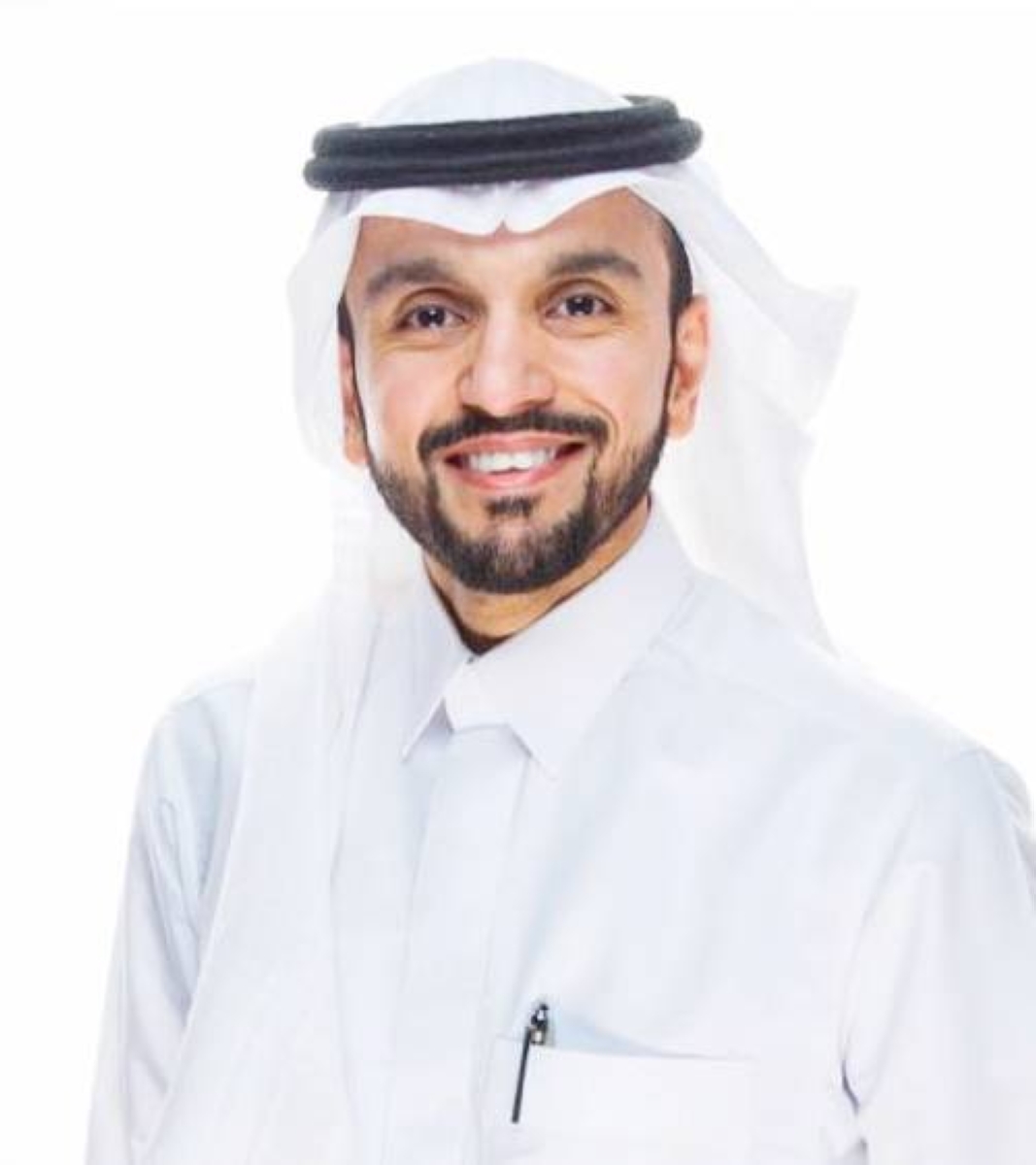


في وقت تتسارع فيه التهديدات الرقمية وتتطور أدوات التجنيد الإلكتروني، تكشف الأرقام المعلنة عن التعاون بين المركز العالمي لمكافحة الفكر المتطرف (اعتدال) ومنصة (تليغرام) خلال الربع الثاني من 2025م، نتائج نوعية؛ إذ نجح الطرفان في إزالة 30,846,485 مادة متطرفة، وإغلاق 1,254 قناة متطرفة، ضمن شراكة مستمرة انطلقت منذ فبراير 2022م.
وبحسب بيان رسمي، بلغ إجمالي ما تم حذفه منذ بدء التعاون 207,604,942 مادة متطرفة، مع إغلاق 17,455 قناة، مما يبرهن على فعالية التنسيق بين المنصات التقنية والجهات المتخصصة في كبح جماح الفكر المنحرف وتجفيف منابعه.
ضبط الفضاء الرقمي
المستشارة والمهتمة بالأمن الفكري الدكتورة فهده العريفي، وصفت التعاون بين مركز «اعتدال» ومنصة «تليغرام» بأنه من أنجح نماذج الشراكة بين الجهات المتخصصة وشركات التقنية على مستوى العالم، مشيرةً إلى أن الأرقام التي تم إعلانها تعكس اتجاهاً متصاعداً لضبط الفضاء الرقمي وتجفيف منصات التجنيد الإلكتروني، ووضع تحول طويل المدى في إدارة التهديدات الرقمية.
وأكدت العريفي لـ«عكاظ» أن أبرز تحديات الرصد تكمن في قوة التشفير، ولجوء المتطرفين إلى لغة رمزية وتكتيكات مراوغة، كفتح قنوات بديلة فور إغلاق الحسابات، ما يتطلب استجابات تقنية وقانونية مرنة تتجاوز العقبات العابرة للحدود.
ودعت العريفي المنصات المشابهة إلى تحمل مسؤوليتها الاجتماعية والإنسانية والاقتداء بهذا النموذج بما يلائم ويتوافق مع خصائصها التقنية والقانونية، معتبرةً أن التصميم الخاص لكل منصة هو المفتاح لإنجاح هذه الشراكات مشددة على أهمية دور الإعلام والمنظمات المجتمعية.
فهم سلوكيات النشر والتحليل
خبير التقنية ومستشار الأمن السيبراني رامي الغانمي قال: إن مواجهة التطرف الرقمي لم تعد تقتصر على الجانب التقني البحت، بل باتت تتطلب فهماً عميقاً لسلوكيات النشر والتحليل الشبكي والبعد الاجتماعي للتهديدات، خصوصاً في منصات مشفّرة مثل «تليغرام».
وقال لـ«عكاظ»: لنبدأ من تحليل السلوك الرقمي، ولا نكتفي بالنظر إلى ما يُقال، بل نهتم بكيفية قوله، ومن يقف وراءه، ومتى يُنشر، وكيف يتفاعل معه الآخرون. هذا النوع من التحليل يُمكّننا من رصد الأنماط السلوكية، وبناء أنظمة إنذار مبكر تكشف الحملات المتطرفة قبل أن تنتشر.
وأكد الغانمي أن بعض خبراء الأمن السيبراني يشاركون في تقييم أمان المنصات نفسها، من خلال الإجابة على أسئلة مثل: هل هناك آليات كافية للتبليغ؟ هل هناك فلترة فعالة؟ وهل الذكاء الاصطناعي المستخدم يستطيع التمييز بين المحتوى الضار والطبيعي؟. مشيراً إلى أن الإجابة على هذه الأسئلة تمثل عنصراً محورياً في حماية البيئات الرقمية. وعن التعاون بين «اعتدال» و«تليغرام»، وصفه الغانمي، بأنه «تعاون فعلي وحقيقي، وليس استعراضاً إعلامياً»، وتابع: التحدي الأكبر مع تليغرام وغيرها من المنصات المشفّرة يكمن في مراقبة الرسائل الخاصة ومجموعات البث المغلقة، لكن الحل لا يكون باختراق الخصوصية، بل بتحليل سلوك النشر والبيانات العامة، وربطها بأنظمة ذكية تكشف التهديدات دون انتهاك الحقوق الفردية.
وشدد على أن إزالة المحتوى المتطرف له أثر مباشر في تعطيل شبكات النشر والتجنيد، خصوصاً في المنصات التي تعتمد على سرعة الانتشار، لكنه أضاف: «الإزالة وحدها لا تكفي، نحن بحاجة إلى حملات توعوية مستمرة تشرح للناس، خصوصاً الشباب، أساليب الخداع التي يستخدمها المتطرفون في التأثير على العقول في مراحل التكوين الفكري».
الغانمي أكد أن المنصات الإعلامية يمكن أن تلعب دوراً محورياً في دعم جهود «اعتدال»، من خلال تبسيط المفاهيم ونشر تقارير تحليلية تُبيّن خطورة الرسائل المضللة التي تصل عبر وسائل التواصل الاجتماعي، وختم الغانمي تصريحه بالتأكيد على أن خبير الأمن السيبراني في عصرنا الحديث لم يعد مجرد حارس للأنظمة، بل أصبح شريكاً في حماية العقول، وصانعاً لبيئة رقمية أكثر وعياً وأماناً، مضيفاً: «نحن نعمل مع الجميع، محلياً ودولياً، حتى لا يجد التطرف مساحة يعيش فيها».
لا تسقط بالتقادم
المحامي تركي بن جلوي شدد لـ«عكاظ» على أن إنشاء أو نشر محتوى رقمي يروّج للفكر المتطرف أو يتصل بمنظمات إرهابية يُعد جريمة إلكترونية يعاقب عليها القانون بالسجن والغرامة.
وأشار إلى أن المادة السابعة من نظام مكافحة الجرائم المعلوماتية تنص على معاقبة من ينشئ أو ينشر موقعاً لمنظمات إرهابية، أو يروّج لأفكارها، أو يموّلها، بالسجن لمدة تصل إلى عشر سنوات، أو غرامة تصل إلى خمسة ملايين ريال، أو بكلتا العقوبتين.
وفي ما يتعلق بالتحريض على الكراهية والعنف عبر الإنترنت، أوضح بن جلوي أن المادة السادسة من النظام ذاته تُجرّم إنتاج أو نشر أو تخزين أي محتوى من شأنه المساس بالنظام العام أو القيم الدينية أو الآداب العامة، بعقوبات تصل إلى السجن خمس سنوات والغرامة ثلاثة ملايين ريال. كما أن المادة التاسعة تُجرّم التحريض والمساعدة على ارتكاب الجريمة، حتى إن لم تقع فعلياً. وقال: «القانون السعودي لا ينظر فقط إلى الفعل، بل يجرّم حتى التحريض الإلكتروني الذي يشعل خطاب الكراهية قبل أن يتحول إلى سلوك عنيف».
وأوضح أن البلاغات تسهم في حفظ الأمن الرقمي وتعزيز مفهوم «كل مواطن خفير»، داعياً إلى نشر الوعي القانوني بأساليب التبليغ السليم.
وحول حذف المحتوى المتطرف من الإنترنت، بيّن أن الأصل القانوني يقتضي وجود أمر قضائي أو قرار من جهة مختصة لإزالة المحتوى؛ احتراماً لحقوق التعبير، إلا في حالات الطوارئ التي تمس الأمن الوطني، إذ يحق للجهات المختصة التدخل الفوري، مع ضمان الإجراءات القانونية اللاحقة.
وعن المحرّضين المقيمين خارج المملكة، أوضح أنه يمكن ملاحقتهم قانونيّاً عبر التعاون الدولي، خصوصاً من خلال الإنتربول واتفاقيات الجرائم السيبرانية مثل اتفاقية بودابست، مشيراً إلى أن الجرائم الرقمية لا تسقط بالتقادم ولا تُعفى من المتابعة بسبب الموقع الجغرافي.
تهديدات في الفضاء الرقمي
العميد الركن المتقاعد حسن بن ظافر الشهري أوضح لـ «عكاظ» أن المركز العالمي لمكافحة الفكر المتطرف «اعتدال» يواصل أداء دور محوري على الساحة الدولية، خصوصاً في ظل التهديدات المتزايدة التي يفرضها التطرف الرقمي حول العالم.
وأضاف أن مركز «اعتدال» نجح في بناء نموذج متقدم وفريد من الشراكات التقنية الفاعلة، من أبرزها التعاون المشترك مع منصة «تليغرام»، أحد أهم تطبيقات التواصل الاجتماعي عالميّاً. وأضاف: «إن هذه الجهود تندرج ضمن استراتيجية شاملة يتبعها المركز، ترتكز على ثلاث ركائز رئيسية: الفكر، الإعلام، والتقنية؛ وذلك بهدف التصدي الشامل لمنابع الفكر المتطرف بكافة مستوياته واتجاهاته».
وأكّد أن هذه الإنجازات تعكس الرسالة العالمية والإنسانية للمركز، وتُظهر التزام المملكة العربية السعودية بمكافحة الفكر المتطرف على المستويين الإقليمي والدولي.
النيابة العامة: السجن
والغرامة للمروّجين
شددت النيابة العامة على حظر إنشاء أو تشغيل مواقع إلكترونية تروّج للتنظيمات والجماعات والتيارات المصنفة من قبل الجهات المختصة في المملكة كمنظمات إرهابية، محذّرة من أن ذلك يُعد جريمة معلوماتية كبرى تُعرّض مرتكبها إلى عقوبات تصل إلى السجن عشر سنوات أو الغرامة خمسة ملايين ريال، أو بكلتا العقوبتين.
وأوضحت النيابة عبر حسابها الرسمي على منصة (X)، أن الحظر يشمل أيَّ شكل من أشكال التأييد أو التعاطف أو الترويج لتلك التيارات المتطرفة عبر وسائل التواصل الاجتماعي أو الإنترنت، أو تداول مضامينها بأي صورة كانت.
وأضافت أن «العقوبات تطال أيضاً من يقوم بإنشاء موقع إلكتروني لصالح أي منظمة إرهابية أو يسهل الاتصال بقياداتها أو أعضائها، أو يقوم بنشر أفكارها، أو تمويلها، أو تداول معلومات عن تصنيع المتفجرات أو الأجهزة الحارقة أو أي أدوات تُستخدم في تنفيذ أعمال إرهابية».
وأكدت النيابة العامة أن هذا التشديد يأتي في إطار حماية الأمن الوطني والمجتمعي، والتصدي لأي نشاط رقمي يخدم الأجندات الإرهابية أو يهدد استقرار المجتمع.
كشف الخلايا النائمة
أستاذ مكافحة الجريمة والإرهاب بجامعة القصيم الدكتور يوسف أحمد الرميح أكد لـ«عكاظ» أن من يتابع نشاط الفكر المتطرف والإرهابي عالميّاً يدرك حجم التحول في أساليبه وانتشاره، خصوصاً عبر منصات التواصل الاجتماعي التي أصبحت بيئة خصبة لهذا الفكر المنحرف. وأضاف أن «هذه الأنشطة المتطرفة تحتاج إلى تضافر جهود الجهات المعنية كافة، الأمنية والفكرية والإعلامية، للتعامل معها باحترافية ووضوح ومنهج علمي مدروس»، مشيراً إلى أن الإرهاب اليوم لم يعد شأناً محلياً، بل هو ظاهرة دولية وساحة عالمية مفتوحة. وبيّن الرميح أن إزالة أكثر من 129 مليون مادة متطرفة وإرهابية عبر مركز «اعتدال» ليس مجرد رقم، بل ناقوس خطر يدل على حجم التأثير الرقمي على الشباب، معتبراً ذلك كارثة فكرية يجب مواجهتها بكل الوسائل، وبمنهجية وقائية قبل أن تتحول إلى عنف ميداني.
وأضاف أن «متابعة السلوك الرقمي داخل المنصات المشفّرة مثل (تليغرام) كفيل بكشف الخلايا النائمة ومروّجي الفكر المتطرف». وأكد الرميح أن دور مراكز مكافحة التطرف لا يُغني عن الدور الأمني، بل يُكمله. ودعا إلى الاستفادة القصوى من أدوات الذكاء الاصطناعي في تحليل المحتوى المتطرف، معتبراً أن الذكاء الاصطناعي أصبح اليوم عنصراً حاسماً في دعم الأمن الوقائي والتعرف المبكر على أنماط التطرف والجريمة، وهو ما يعزز كفاءة المواجهة الاستباقية.
«اعتدال» و«تليغرام».. شراكة تعيد ضبط الفضاء الإلكتروني
8 أغسطس 2025 - 11:54
|
آخر تحديث 8 أغسطس 2025 - 11:54


تابع قناة عكاظ على الواتساب
محمد بن مفلح (الرياض) @M_MUFLIHH
At a time when digital threats are accelerating and online recruitment tools are evolving, the announced figures regarding the collaboration between the Global Center for Combating Extremist Ideology (Etidal) and the Telegram platform during the second quarter of 2025 reveal significant results; the two parties succeeded in removing 30,846,485 extremist materials and closing 1,254 extremist channels, as part of an ongoing partnership that began in February 2022.
According to an official statement, the total number of extremist materials deleted since the start of the collaboration has reached 207,604,942, with 17,455 channels closed, demonstrating the effectiveness of coordination between technical platforms and specialized entities in curbing deviant ideologies and drying up their sources.
Regulating the Digital Space
Dr. Fahda Al-Oraifi, an advisor and expert in intellectual security, described the collaboration between the "Etidal" Center and the "Telegram" platform as one of the most successful partnership models between specialized entities and technology companies worldwide. She pointed out that the announced figures reflect a rising trend in regulating the digital space and drying up online recruitment platforms, establishing a long-term transformation in managing digital threats.
Al-Oraifi confirmed to "Okaz" that the main challenges in monitoring lie in the strength of encryption and the extremists' resort to symbolic language and evasive tactics, such as opening alternative channels immediately after accounts are closed, which requires flexible technical and legal responses that transcend cross-border obstacles.
Al-Oraifi called on similar platforms to assume their social and humanitarian responsibilities and to emulate this model in a manner that suits and aligns with their technical and legal characteristics, considering that the specific design of each platform is the key to the success of these partnerships, emphasizing the importance of the role of media and community organizations.
Understanding Publishing Behaviors and Analysis
Cybersecurity expert and consultant Rami Al-Ghanimi stated that confronting digital extremism is no longer limited to purely technical aspects; it now requires a deep understanding of publishing behaviors, network analysis, and the social dimension of threats, especially on encrypted platforms like "Telegram".
He told "Okaz": "Let’s start with analyzing digital behavior, and not just look at what is said, but pay attention to how it is said, who stands behind it, when it is published, and how others interact with it. This type of analysis enables us to monitor behavioral patterns and build early warning systems that detect extremist campaigns before they spread."
Al-Ghanimi confirmed that some cybersecurity experts participate in assessing the security of the platforms themselves by answering questions such as: Are there sufficient reporting mechanisms? Is there effective filtering? Can the artificial intelligence used distinguish between harmful and benign content? He pointed out that answering these questions is a pivotal element in protecting digital environments. Regarding the collaboration between "Etidal" and "Telegram," Al-Ghanimi described it as "genuine and real cooperation, not a media showcase," adding: "The biggest challenge with Telegram and other encrypted platforms lies in monitoring private messages and closed broadcast groups, but the solution is not to violate privacy, but to analyze publishing behavior and public data, linking them to intelligent systems that reveal threats without violating individual rights."
He emphasized that removing extremist content has a direct impact on disrupting publishing and recruitment networks, especially on platforms that rely on rapid dissemination, but he added: "Removal alone is not enough; we need continuous awareness campaigns that explain to people, especially youth, the deceptive methods used by extremists to influence minds during formative stages."
Al-Ghanimi affirmed that media platforms can play a pivotal role in supporting "Etidal's" efforts by simplifying concepts and publishing analytical reports that highlight the dangers of misleading messages that reach through social media. He concluded his statement by asserting that a cybersecurity expert in our modern era is no longer just a guardian of systems but has become a partner in protecting minds and creating a more aware and secure digital environment, adding: "We work with everyone, locally and internationally, so that extremism does not find a space to thrive."
Not Subject to Statute of Limitations
Lawyer Turki bin Jilwi emphasized to "Okaz" that creating or publishing digital content that promotes extremist ideology or is connected to terrorist organizations constitutes a cybercrime punishable by law with imprisonment and fines.
He pointed out that Article 7 of the Anti-Cyber Crimes Law stipulates punishing anyone who creates or publishes a site for terrorist organizations, promotes their ideas, or funds them, with imprisonment for up to ten years or a fine of up to five million riyals, or both penalties.
Regarding incitement to hatred and violence online, bin Jilwi clarified that Article 6 of the same law criminalizes the production, publication, or storage of any content that may harm public order, religious values, or public morals, with penalties of up to five years in prison and a fine of three million riyals. Article 9 also criminalizes incitement and assistance in committing a crime, even if it has not occurred. He said: "Saudi law does not only consider the act but also criminalizes even electronic incitement that ignites hate speech before it turns into violent behavior."
He explained that reports contribute to preserving digital security and enhancing the concept of "every citizen is a guardian," calling for raising legal awareness about proper reporting methods.
Regarding the removal of extremist content from the internet, he indicated that the legal basis requires a court order or decision from a competent authority to remove the content; respecting freedom of expression, except in emergency cases that affect national security, where competent authorities have the right to intervene immediately, ensuring subsequent legal procedures.
On inciters residing outside the Kingdom, he explained that they can be pursued legally through international cooperation, especially through Interpol and cybercrime agreements such as the Budapest Convention, noting that digital crimes do not fall under the statute of limitations and are not exempt from prosecution due to geographical location.
Threats in the Digital Space
Retired Brigadier General Hassan bin Dhafir Al-Shahri explained to "Okaz" that the Global Center for Combating Extremist Ideology "Etidal" continues to play a pivotal role on the international stage, especially in light of the increasing threats posed by digital extremism worldwide.
He added that the "Etidal" Center has succeeded in building an advanced and unique model of effective technical partnerships, most notably the joint collaboration with the "Telegram" platform, one of the most important social media applications globally. He added: "These efforts fall within a comprehensive strategy followed by the center, based on three main pillars: ideology, media, and technology; aiming for a comprehensive response to the sources of extremist ideology at all levels and directions."
He affirmed that these achievements reflect the global and humanitarian message of the center and demonstrate the Kingdom of Saudi Arabia's commitment to combating extremist ideology at both regional and international levels.
Public Prosecution: Imprisonment
and Fines for Promoters
The Public Prosecution emphasized the prohibition of creating or operating websites that promote organizations, groups, and movements classified by the competent authorities in the Kingdom as terrorist organizations, warning that this constitutes a major cybercrime that exposes the perpetrator to penalties of up to ten years in prison or a fine of five million riyals, or both penalties.
The Public Prosecution clarified through its official account on the (X) platform that the prohibition includes any form of support, sympathy, or promotion for those extremist movements through social media or the internet, or circulating their content in any form.
It added that "penalties also apply to anyone who creates a website for any terrorist organization or facilitates contact with its leaders or members, or publishes its ideas, funds it, or circulates information about making explosives or incendiary devices or any tools used in carrying out terrorist acts."
The Public Prosecution confirmed that this tightening comes within the framework of protecting national and community security and countering any digital activity that serves terrorist agendas or threatens community stability.
Uncovering Sleeper Cells
Dr. Yusuf Ahmed Al-Rumaih, a professor of crime and terrorism prevention at Qassim University, confirmed to "Okaz" that anyone following the activities of extremist and terrorist ideology globally realizes the extent of the transformation in its methods and spread, especially through social media platforms that have become a fertile ground for this deviant ideology. He added that "these extremist activities require the concerted efforts of all concerned parties, security, intellectual, and media, to deal with them professionally, clearly, and with a well-studied scientific approach," pointing out that terrorism today is no longer a local issue but a global phenomenon and an open international arena. Al-Rumaih indicated that the removal of more than 129 million extremist and terrorist materials through the "Etidal" Center is not just a number, but a warning bell indicating the extent of digital influence on youth, considering it an intellectual disaster that must be confronted by all means, and with a preventive methodology before it turns into field violence.
He added that "monitoring digital behavior within encrypted platforms like (Telegram) is sufficient to uncover sleeper cells and promoters of extremist ideology." Al-Rumaih confirmed that the role of centers combating extremism does not replace the security role but complements it. He called for maximizing the use of artificial intelligence tools in analyzing extremist content, considering that artificial intelligence has become a decisive element in supporting preventive security and early recognition of patterns of extremism and crime, which enhances the efficiency of proactive confrontation.
According to an official statement, the total number of extremist materials deleted since the start of the collaboration has reached 207,604,942, with 17,455 channels closed, demonstrating the effectiveness of coordination between technical platforms and specialized entities in curbing deviant ideologies and drying up their sources.
Regulating the Digital Space
Dr. Fahda Al-Oraifi, an advisor and expert in intellectual security, described the collaboration between the "Etidal" Center and the "Telegram" platform as one of the most successful partnership models between specialized entities and technology companies worldwide. She pointed out that the announced figures reflect a rising trend in regulating the digital space and drying up online recruitment platforms, establishing a long-term transformation in managing digital threats.
Al-Oraifi confirmed to "Okaz" that the main challenges in monitoring lie in the strength of encryption and the extremists' resort to symbolic language and evasive tactics, such as opening alternative channels immediately after accounts are closed, which requires flexible technical and legal responses that transcend cross-border obstacles.
Al-Oraifi called on similar platforms to assume their social and humanitarian responsibilities and to emulate this model in a manner that suits and aligns with their technical and legal characteristics, considering that the specific design of each platform is the key to the success of these partnerships, emphasizing the importance of the role of media and community organizations.
Understanding Publishing Behaviors and Analysis
Cybersecurity expert and consultant Rami Al-Ghanimi stated that confronting digital extremism is no longer limited to purely technical aspects; it now requires a deep understanding of publishing behaviors, network analysis, and the social dimension of threats, especially on encrypted platforms like "Telegram".
He told "Okaz": "Let’s start with analyzing digital behavior, and not just look at what is said, but pay attention to how it is said, who stands behind it, when it is published, and how others interact with it. This type of analysis enables us to monitor behavioral patterns and build early warning systems that detect extremist campaigns before they spread."
Al-Ghanimi confirmed that some cybersecurity experts participate in assessing the security of the platforms themselves by answering questions such as: Are there sufficient reporting mechanisms? Is there effective filtering? Can the artificial intelligence used distinguish between harmful and benign content? He pointed out that answering these questions is a pivotal element in protecting digital environments. Regarding the collaboration between "Etidal" and "Telegram," Al-Ghanimi described it as "genuine and real cooperation, not a media showcase," adding: "The biggest challenge with Telegram and other encrypted platforms lies in monitoring private messages and closed broadcast groups, but the solution is not to violate privacy, but to analyze publishing behavior and public data, linking them to intelligent systems that reveal threats without violating individual rights."
He emphasized that removing extremist content has a direct impact on disrupting publishing and recruitment networks, especially on platforms that rely on rapid dissemination, but he added: "Removal alone is not enough; we need continuous awareness campaigns that explain to people, especially youth, the deceptive methods used by extremists to influence minds during formative stages."
Al-Ghanimi affirmed that media platforms can play a pivotal role in supporting "Etidal's" efforts by simplifying concepts and publishing analytical reports that highlight the dangers of misleading messages that reach through social media. He concluded his statement by asserting that a cybersecurity expert in our modern era is no longer just a guardian of systems but has become a partner in protecting minds and creating a more aware and secure digital environment, adding: "We work with everyone, locally and internationally, so that extremism does not find a space to thrive."
Not Subject to Statute of Limitations
Lawyer Turki bin Jilwi emphasized to "Okaz" that creating or publishing digital content that promotes extremist ideology or is connected to terrorist organizations constitutes a cybercrime punishable by law with imprisonment and fines.
He pointed out that Article 7 of the Anti-Cyber Crimes Law stipulates punishing anyone who creates or publishes a site for terrorist organizations, promotes their ideas, or funds them, with imprisonment for up to ten years or a fine of up to five million riyals, or both penalties.
Regarding incitement to hatred and violence online, bin Jilwi clarified that Article 6 of the same law criminalizes the production, publication, or storage of any content that may harm public order, religious values, or public morals, with penalties of up to five years in prison and a fine of three million riyals. Article 9 also criminalizes incitement and assistance in committing a crime, even if it has not occurred. He said: "Saudi law does not only consider the act but also criminalizes even electronic incitement that ignites hate speech before it turns into violent behavior."
He explained that reports contribute to preserving digital security and enhancing the concept of "every citizen is a guardian," calling for raising legal awareness about proper reporting methods.
Regarding the removal of extremist content from the internet, he indicated that the legal basis requires a court order or decision from a competent authority to remove the content; respecting freedom of expression, except in emergency cases that affect national security, where competent authorities have the right to intervene immediately, ensuring subsequent legal procedures.
On inciters residing outside the Kingdom, he explained that they can be pursued legally through international cooperation, especially through Interpol and cybercrime agreements such as the Budapest Convention, noting that digital crimes do not fall under the statute of limitations and are not exempt from prosecution due to geographical location.
Threats in the Digital Space
Retired Brigadier General Hassan bin Dhafir Al-Shahri explained to "Okaz" that the Global Center for Combating Extremist Ideology "Etidal" continues to play a pivotal role on the international stage, especially in light of the increasing threats posed by digital extremism worldwide.
He added that the "Etidal" Center has succeeded in building an advanced and unique model of effective technical partnerships, most notably the joint collaboration with the "Telegram" platform, one of the most important social media applications globally. He added: "These efforts fall within a comprehensive strategy followed by the center, based on three main pillars: ideology, media, and technology; aiming for a comprehensive response to the sources of extremist ideology at all levels and directions."
He affirmed that these achievements reflect the global and humanitarian message of the center and demonstrate the Kingdom of Saudi Arabia's commitment to combating extremist ideology at both regional and international levels.
Public Prosecution: Imprisonment
and Fines for Promoters
The Public Prosecution emphasized the prohibition of creating or operating websites that promote organizations, groups, and movements classified by the competent authorities in the Kingdom as terrorist organizations, warning that this constitutes a major cybercrime that exposes the perpetrator to penalties of up to ten years in prison or a fine of five million riyals, or both penalties.
The Public Prosecution clarified through its official account on the (X) platform that the prohibition includes any form of support, sympathy, or promotion for those extremist movements through social media or the internet, or circulating their content in any form.
It added that "penalties also apply to anyone who creates a website for any terrorist organization or facilitates contact with its leaders or members, or publishes its ideas, funds it, or circulates information about making explosives or incendiary devices or any tools used in carrying out terrorist acts."
The Public Prosecution confirmed that this tightening comes within the framework of protecting national and community security and countering any digital activity that serves terrorist agendas or threatens community stability.
Uncovering Sleeper Cells
Dr. Yusuf Ahmed Al-Rumaih, a professor of crime and terrorism prevention at Qassim University, confirmed to "Okaz" that anyone following the activities of extremist and terrorist ideology globally realizes the extent of the transformation in its methods and spread, especially through social media platforms that have become a fertile ground for this deviant ideology. He added that "these extremist activities require the concerted efforts of all concerned parties, security, intellectual, and media, to deal with them professionally, clearly, and with a well-studied scientific approach," pointing out that terrorism today is no longer a local issue but a global phenomenon and an open international arena. Al-Rumaih indicated that the removal of more than 129 million extremist and terrorist materials through the "Etidal" Center is not just a number, but a warning bell indicating the extent of digital influence on youth, considering it an intellectual disaster that must be confronted by all means, and with a preventive methodology before it turns into field violence.
He added that "monitoring digital behavior within encrypted platforms like (Telegram) is sufficient to uncover sleeper cells and promoters of extremist ideology." Al-Rumaih confirmed that the role of centers combating extremism does not replace the security role but complements it. He called for maximizing the use of artificial intelligence tools in analyzing extremist content, considering that artificial intelligence has become a decisive element in supporting preventive security and early recognition of patterns of extremism and crime, which enhances the efficiency of proactive confrontation.


