


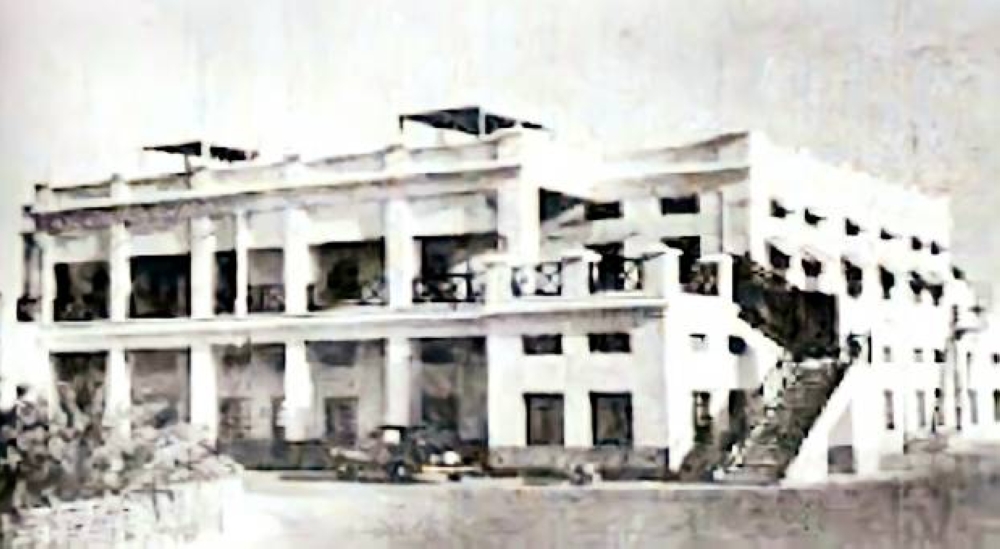
سبقت البحرين شقيقاتها الخليجيات بأشواط في المجال الصحي والطبي، حيث بدأت فيها الخدمات الطبية مع قدوم بعثة تبشيرية من الولايات المتحدة عام 1892، التي راحت تقدم خدماتها العلاجية للجمهور من خلال بيت مستأجر بالقرب من فرضة المنامة. تلا هذا، وتحديداً في عام 1893، استئجار دكان في سوق المنامة لاستقبال المرضى وتقديم العلاج المجاني لهم. أما أول مستشفيين أقيما في البحرين فهما: «مستشفى فيكتوريا التذكاري» نسبة إلى الملكة فيكتوريا ملكة بريطانيا وامبراطورية الهند التي أمرت ببنائه، لكنه عرف شعبياً باسم «مستشفى كوتي» (بدأت دار الاعتماد البريطاني ببنائه في عام 1900 وافتتح عام 1906 بسعة 12 سريراً). ثم مستشفى الإرسالية الأمريكية (افتتح أبوابه بسعة 16 سريراً في عام 1903 بمنطقة رأس بالمنامة على يد الطبيب والقس الأمريكي صموئيل زويمر تحت اسم «مستشفى مايسون التذكاري» نسبة إلى عائلة مايسون الأمريكية التي أوفدت تلك البعثة الطبية إلى البحرين وقدمت دعماً بمبلغ ستة آلاف دولار لبناء المستشفى)، علماً أن قطعة الأرض التي شيد فوقها هذا الصرح الطبي المبكر كانت من تبرعات الحاكم الشيخ عيسى بن علي آل خليفة، أما أبواب ونوافذ المبنى الخشبية فقد تمّ استيرادها من الهند بحراً. وفي عام 1926 تمت توسعة المبنى بإضافة قسم خاص للنساء. وداخل هذا المستشفى تمت أول عملية جراحية تحت تأثير المخدر في منطقة الخليج العربي على يد الدكتور شارون وزوجته ماريون ويلز اللذين وصلا إلى البحرين في عام 1898، وكانت تلك العملية لبتر قدم غواص هاجمه سمك القرش، وتبعتها عملية ثانية بالطريقة نفسها لفتح بطن امرأة بحرينية في الستينات من عمرها.
لم يقتصر العلاج في المستشفى الثاني على مواطني البحرين والمقيمين على أرضها، وإنما قدم المستشفى خدماته أيضاً لمواطني الدول الخليجية الشقيقة المجاورة، حيث كان يوفد أطباءه إلى دول الجوار لمعالجة الحالات الحرجة بناء على طلب شيوخها وأمرائها ووجهائها، على نحو ما حدث مع الطبيب الأمريكي بول هاريسون (ت: 1962) الذي كان أول طبيب ومبشر أمريكي ينجح في دخول شبه الجزيرة العربية في عام 1917، حيث استدعاه إلى نجد الملك عبدالعزيز آل سعود لعلاج عائلته بعد تفشي الأنفلونزا الإسبانية. وبالفعل وصل هاريسون إلى الرياض عن طريق القطيف منتصف عام 1917، ومكث فيها قرابة عشرين يوماً عالج خلالها الكثيرين حتى نفدت أدويته.
وإذا كانت البحرين أول قطر خليجي تقام فيه مستشفيات غير حكومية، فإنها، من جهة أخرى، عـُرفت أيضاً بأنها أول بلد خليجي يؤسس فيه مستشفى حكومي، وذلك حينما تمّ افتتاح «مستشفى النعيم» بالمنامة سنة 1942 بتكلفة 70 ألف روبية، وأول بلد خليجي يفتتح فيه أول معهد حكومي للتمريض وذلك في عام 1959. وحول هذا المستشفى تحدث الحاج حبيب غيث، الذي يعد أول مساعد ممرض بحريني يتعلم التمريض بالممارسة، فقال، إن مستشفى النعيم بدأ بطبيب واحد يدعى «ديفيد بورت جونز»، وأن الأخير ترك عمله بعد ستة أشهر للالتحاق بالجيش البريطاني، فخلفه الطبيب «ريتشارد سنو» (تولى رئاسة الدائرة الطبية لحكومة البحرين لاحقاً وحتى تاريخ تقاعده عام 1970)، وكان يقيم مع زوجته في الطابق الثاني من المستشفى، واصفاً الأخير بأنه عرف عنه الهدوء والحلم والإخلاص والتفاني في عمله ليلاً ونهاراً رغم قلة الأجهزة وضعف الإمكانات، بدليل أنه فتح في الأربعينات عيادة يومية خارج دوامه الرسمي لمعالجة الطلاب من مرض التراخوما الذي كان يفتك بعيونهم ويعيق دراستهم.
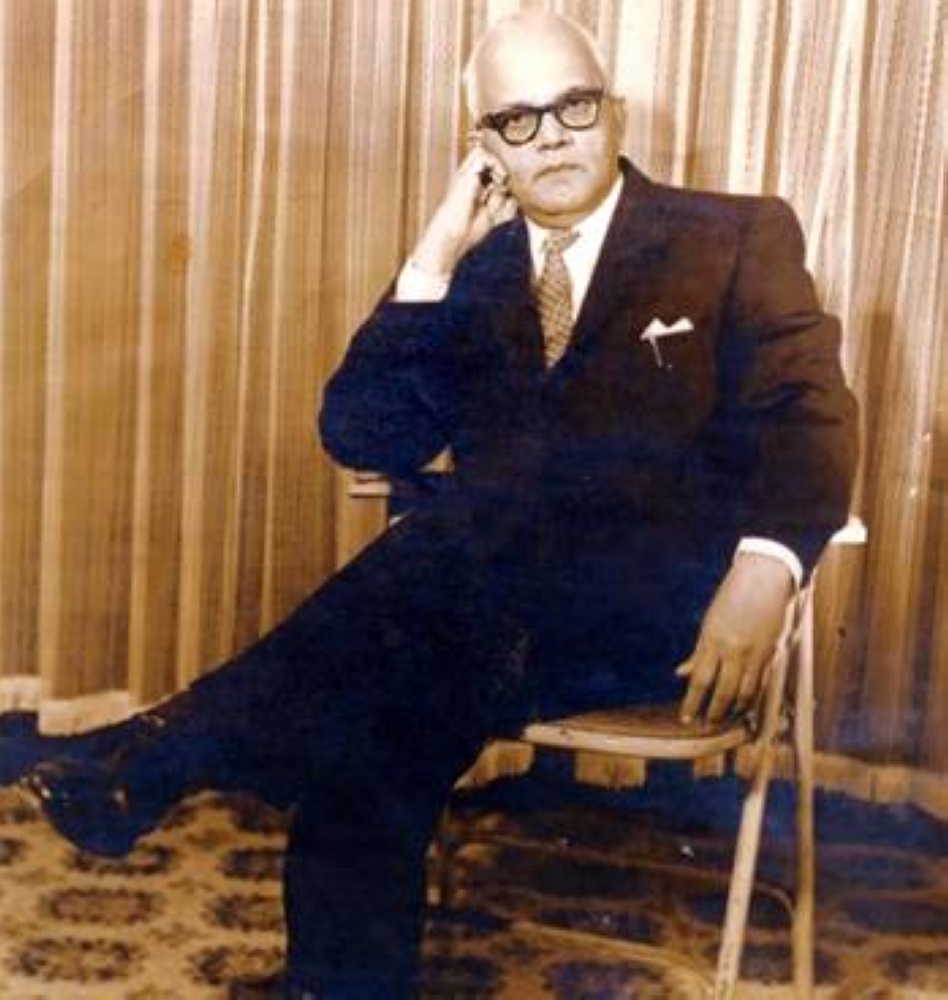
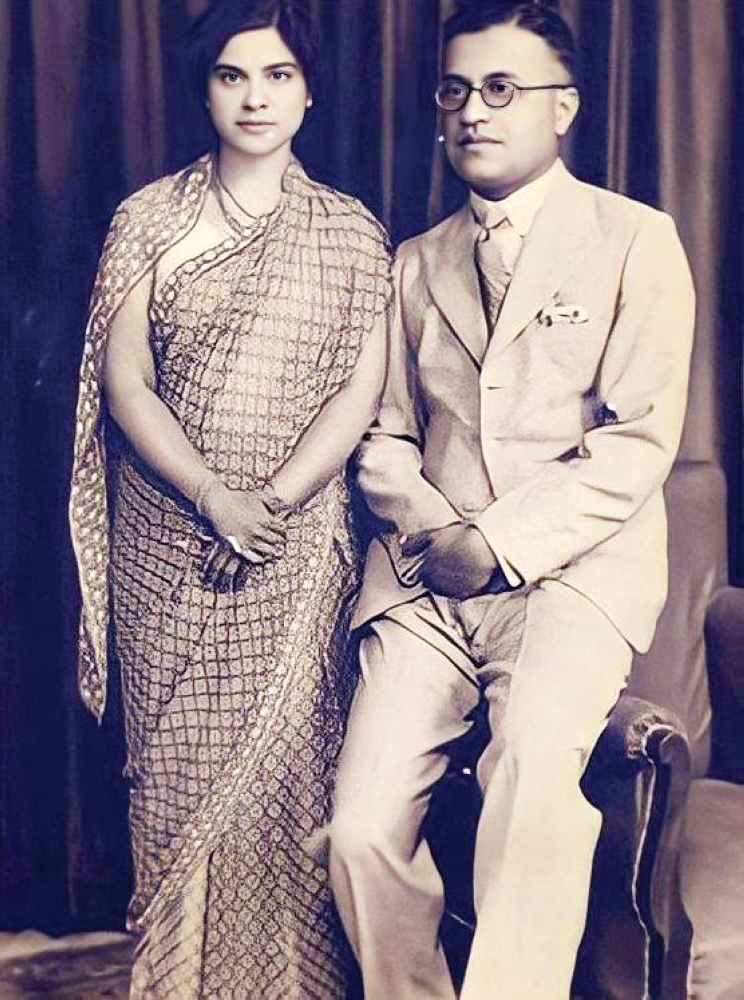
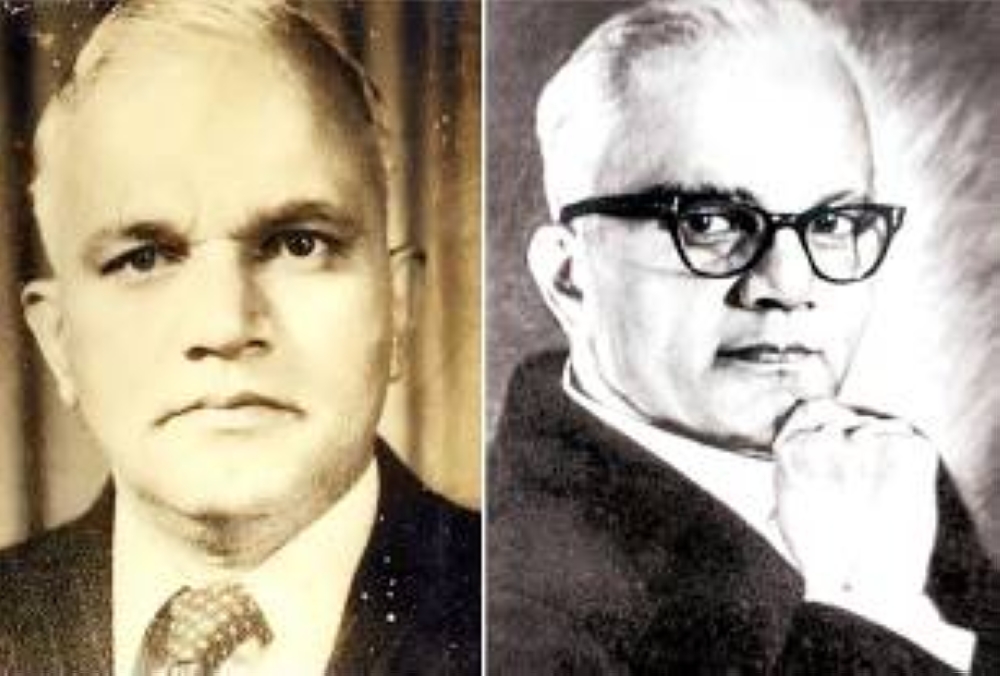
تقف الأدبيات الطبية البحرينية طويلاً عند الطبيب الهندي «إيه. إس. بندركار» (A.S.Banderkar)، على اعتبار أنه أول طبيب أجنبي يلتحق بالخدمات الصحية الحكومية في البحرين، وكان ذلك في السنة المعروفة بـ«سنة الطبعة» أي سنة 1925. ففي ذلك العام رغب حاكم البحرين آنذاك الشيخ عيسى بن علي آل خليفة طيب الله ثراه (1848 ــ 1932) في تخصيص طبيب لمعالجة البحارة والغاصة أثناء تواجدهم في مغاصاتهم في البحر. ولتحقيق هذه الرغبة قامت دار الاعتماد البريطاني (بيت الباليوز) بنشر إعلان في إحدى صحف بومباي تطلب فيه توظيف طبيب هندي للعمل في البحرين.
قرأ الدكتور بندركار وزميل له الإعلان المذكور فقررا التقدم معاً للوظيفة، لكن زميله عدل عن قراره لاحقاً؛ لأنه حصل على وظيفة مناسبة له في أحد مستشفيات بومباي. وفي هذا السياق، كتب بندركار في مذكراته: وافقت على العرض ثم سافرت على الفور إلى بومبي ومن هناك أرسلت برقية للطبيب الجراح الذي كان يعمل في المعتمدية البريطانية بالبحرين تفيد اعتذار صديقي ورغبتي في أن أحل محله. ومن بومبي سافرت على ظهر سفينة بريطانية هندية (يقصد سفينة تابعة لشركة البواخر «B- 1» التي كان وكيلها في البحرين شركة غري ماكينزي، ومقرها آنذاك في موقع مجمع يتيم الحالي وسط سوق المنامة القديم). وبعد 15 يوماً من الإبحار الشاق وصل بندركار إلى البحرين في النصف الثاني من مايو 1925، حيث كانت في انتظاره مجموعة من سفن «الداو» للترحيب به، وكان على متن إحداها الطبيب الجراح بدار المعتمدية الذي سيصبح رئيسه المباشر، فركب معه في سفينته التي نقلته إلى الشاطئ، ليباشر عمله بعد أيام في تقديم العلاج والتطعيمات اللازمة للبحارة والغاصة في أماكن تواجدهم في عرض البحر.
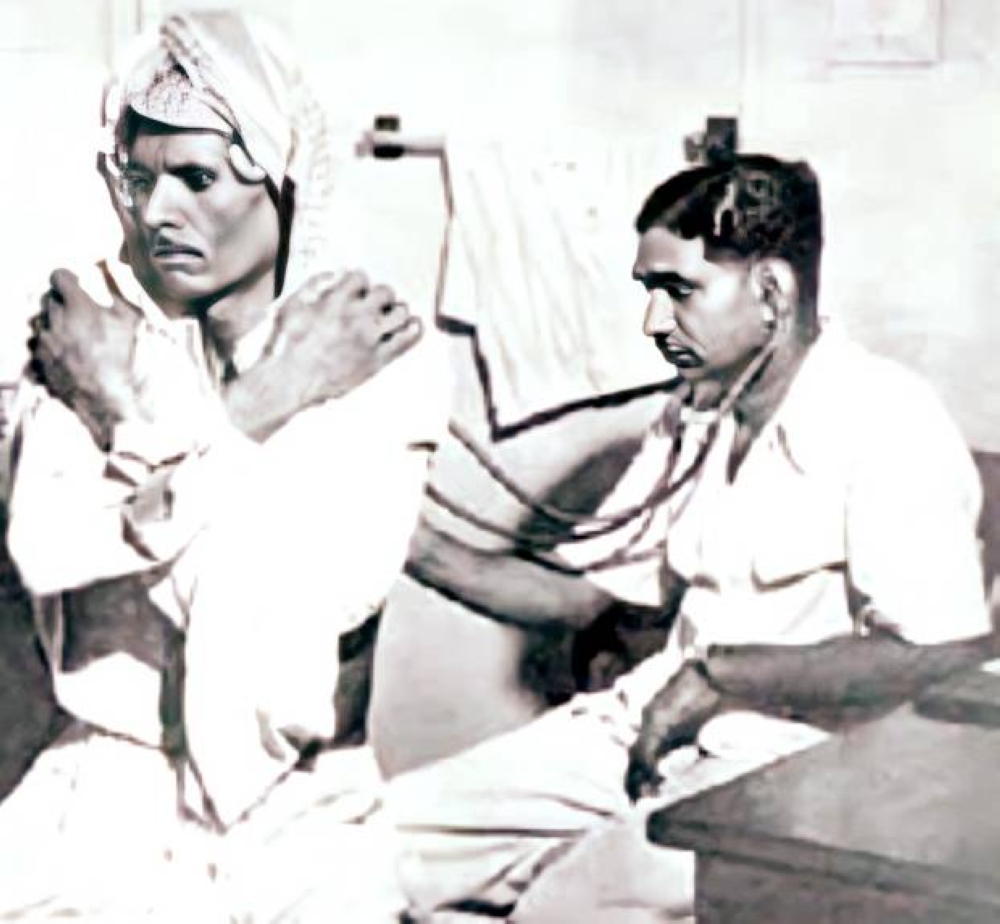
ولهذا الغرض تم تخصيص «بوم» (سفينة شراعية أطلق عليها العوام «بوم الدختر»، والدختر كلمة شعبية محرفة من أصلها الإنجليزي doctor) باللونين الأبيض والأحمر وبحمولة تتراوح بين 50 و90 طناً ليتنقل فيه ما بين الساحل وعرض البحر، وما بين سفينة وأخرى في مغاصات اللؤلؤ (الهيرات). والسبب في طلاء «بوم» بندركار بهذه الألوان هو تمييزها عن بقية المراكب وتسهيل التعرف عليها. وكان بندركار يقوم برحلات إلى عرض البحرين تستغرق الواحدة منها ما بين أسبوعين إلى ثلاثة أسابيع يعود بعدها إلى البر للتزود بالأدوية والمضادات والغذاء والماء والوقود. وكان يصطحب معه في رحلاته هذه، شرطيين ومـُضمـّد وكاتب يسجل أسماء المرضى وأنواع أمراضهم وعلاجاتهم، علماً أن العلاج كان يقدم لكافة الغاصة بمن فيهم غير البحرينيين. لاحقاً استبدلت سفينته الشراعية بأخرى بخارية، وكان بعد عودته إلى البر يقدم خدماته الطبية لمواطني المحرق من خلال عيادة لم تكن مساحتها تزيد على 21X20 قدماً، بدعم من بلدية المحرق التي وفرت له مساعدين وممرضات وقابلة قانونية. ومن المؤكد، أنّ هذا كان قبل تحويل مسكن زوجة الشيخ حمد بن عيسى آل خليفة رحمهما الله في المحرق إلى مستشفى للتوليد في عام 1947، وهو المستشفى الذي ظل يعمل حتى عام 1961، حينما تم هدمه ليقام على أرضه مركز الشيخ سلمان الصحي في عام 1976.
وصف بندركار تلك العيادة، التي كان يعالج فيها الأهالي بعد كل موسم غوص، بأنها عبارة عن دكان ضيق له باب كبير في المقدمة ونافذة واحدة صغيرة وتنقصه التهوية والإضاءة، ويصعب الوصول إليه (بسبب موقعه وسط الأزقة الضيقة الملتوية). وأشار بندركار إلى أن ذلك الدكان كان، قبل مجيئه إلى البحرين، مكاناً يقدم فيه طبيب هندي من طائفة البهرة العلاج للأهالي وفقاً لأسلوب الطب اليوناني الشعبي القديم.
والمعروف أنّ بندركار بعد إحالته إلى التقاعد في نوفمبر 1955، ظل في البحرين يمارس مهنة الطب من خلال عيادة خاصة افتتحها بنفسه في فريج «الصنقل»، حيث كان يعالج الناس بأسعار رمزية، الأمر الذي جعلهم يحبونه ويطلقون عليه اسماً شعبياً سهلاً هو «الدخترعيسوه» (استناداً إلى الحرفين الأولين من اسمه وهما A. S)، ثم يبكون عليه بحرارة حينما علموا بخبر وفاته في بلاده سنة 1964. وهو من جانبه بادلهم الحب بالحب والود بالود وشاركهم في أفراحهم وأحزانهم، وحزن كثيراً لفراقهم يوم عودته إلى بلاده، طبقاً لما كتبه في مذكراته.
ويروي المؤرخ البحريني المعروف الأستاذ خليل محمد المريخي، في مقال له في جريدة أخبار الخليج البحرينية (22/4/2012)، بعض الطرائف التي صاحبت عمل بندركار في المحرق، ومنها أنّ أحد مرضاه المصابين بالسعال كان في كل مرة يُصرف له الدواء في زجاجة (غرشة) يعمد إلى رميها بدلاً من إعادتها لملئها مجدداً، فغضب منه بندركار وأمره، بلكنته العربية المكسرة، أن يأتيه في المرة القادمة بـ «غرشة»، لكن المفاجأة كانت حينما عاد المريض لاحقاً ومعه «كرشة» بدلاً من «غرشة» وهو يقول: «دختر يابيت لك (أحضرت لك) الكرشة التي طلبتها مني». نظر الدكتور إلى الكرشة، وقال للمريض ما هذا اللي جبته معك؟ فرد المريض الكرشة اللي طلبتها. كان فني الصيدلية أو التمريض البحريني محمد واقفاً بجانب الدكتور بندركار في تلك الساعة، فصاح في المريض قائلاً: «الدختر يقصد غرشة دواء وليس كرشة يا غبي». ثم أخذ محمد «الكرشة» ورماها في سلة النفايات.
الأمراض الشائعة في المغاصات
ويصف بندركار في مذكراته رحلته البحرية من بومباي إلى المنامة عام 1925 بالرحلة المرهقة والمتعبة، مضيفاً، أن ما زادها تعباً هو أنه لم تكن في البحرين في تلك الأيام أي فنادق كي يأخذ فيها قسطاً من الراحة، فاضطر للقبول بمأوى متواضع وفرته له الحكومة للنوم وترتيب أموره. أما عن أكثر الأمراض التي كان يعاني منها البحارة والغاصة آنذاك، فيقول بندركار، إن معظم الأمراض الشائعة في المغاصات كانت السعال والزكام والنزلات المعوية التي كانت تصيبهم نتيجة تسخين الطعام المكون من السمك والتمر أكثر من اللازم، كما كان الغواصون يشكون من آلام الأذن والنزيف التي كانت تصيبهم نتيجةً لضغط الماء في الأعماق، مشيراً إلى أنه لاحظ من خلال عمله أن أكثر من كان يعالجهم كانوا يترددون في الإفصاح عن مرضهم بسبب الخجل. وأضاف بندركار قائلا: «قمت بخلع مئات الأسنان التالفة، ووجدت الجميع متعاوناً معي إلى أقصى درجة، وكانوا يشعرون بالعرفان لهذه الرعاية الطبية، التي تم توفيرها بناء على مبادرة الحاكم صاحب السمو الشيخ عيسى بن علي آل خليفة».
ضمّن مذكراته أيضاً وصفاً للأحزان التي عمت البحرين بسبب الإعصار الذي ضربها في عام 1925 وتسبب في غرق ما بين 600 و700 سفينة كانت وقتها في مغاصات اللؤلؤ وعلى ظهرها نحو 25 ألف شخص ما بين نوخذة وغيص وسيب وخادم. دعونا نقرأ ما كتبه عن هذا الحدث المروع: «في ساعة متأخرة من الليل تعرضت البحرين والمنطقة المحيطة بها لعاصفة مرعبة فاجأت مئات السفن التي كانت راسية في المغاصات، والتي كان آلاف العاملين عليها يرقدون في سبات عميق بعد يوم عمل شاق دون أن يشعروا ببوادر الكارثة في هذه الليلة المشؤومة. وفي الصباح التالي أسرع الآلاف من الرجال والنساء إلى الشاطئ وقد ارتفع صراخهم وبكاؤهم وهم يحدقون في البحر في ذهول دون أن يعرفوا شيئاً عن مصير أقربائهم، وقد تلقيت تعليمات بالتوجه إلى البحر في لنش المعتمدية لتقديم المساعدة الطبية وإنقاذ من بقي على قيد الحياة، وقد وجدنا مئات السفن مقلوبة وطافية فوق سطح الماء، ولكننا لم نجد أثراً للضحايا فيما عدا شخصين تعلقا بحطام إحدى السفن، وقد توفي أحدهما من التعب قبل أن نصل للميناء. وقد بلغ عدد الغرقى حسب التقديرات المعتدلة خمسة آلاف شخص. وظل مكتب البرقيات مشغولاً لمدة أسبوع دون توقف في إرسال واستلام الرسائل من وإلى أقارب الأجانب العاملين في البحرين للاطمئنان عليهم».
ذكريات بندركار في البحرين
كما ضمّن مذكراته حديثاً عن الخدمات الصحية في البحرين وقت وصوله إليها قائلاً: «لاحظت في بداية وصولي بعدة أيام أنه لا توجد في البحرين خدمات صحية حكومية سوى مستشفى فكتوريا التذكاري، الذي كانت خدماته مقتصرة في البداية على علاج المرضى من موظفي (بيت الباليوز) أي دار الاعتماد البريطاني؛ لأنه في الأصل كان تابعاً لهذه الوكالة البريطانية، وأيضاً معالجة بحارة البواخر التي كانت ترسو عند ميناء سترة التابع لشركة نفط البحرين (بابكو)، إلا أنه فتح أبوابه فيما بعد وبدأ في علاج المرضى البحرينيين، خصوصاً عندما اجتاحت البحرين أمراض وبائية مختلفة من تلك التي كانت تزور البلاد من وقت لآخر (مثل الجدري والملاريا والتراخوما والأنفلونزا والتيفوئيد والكوليرا)». كما كان لبندركار دور كبير وتعاون وثيق مع مستشفى الإرسالية الأمريكية في مكافحة مثل تلك الأمراض. حيث كان لمستشفى الإرسالية جهود كبيرة وواسعة في علاج مواطني البحرين، بل حتى مواطني البلدان المجاورة الذين كانوا يتعالجون فيه، ولاسيما بعد ان أصبحت كافة التخصصات العلاجية من أجنحة وأقسام للمختبرات والأشعة والولادة متوفرة فيه بقيادة الدكتور بول هريسون الذي أمضى نصف قرن من عمره في هذا المستشفى.
وفي مكان آخر من مذكراته تطرق إلى علاقته بحاكم البحرين آنذاك الشيخ عيسى بن علي آل خليفة، فوصف سموه بالجود والكرم ورجاحة العقل. ثم أضاف، أنه كان كثير التردد على مجلسه بالرغم من وعورة الطرق المؤدية إلى قصره آنذاك، كما أن خليفته الشيخ حمد بن عيسى آل خليفة (1872 ــ 1942)، كان يصطحبه معه إلى رحلات القنص في الأربعينات، وصادف أن التقى في إحدى تلك الرحلات بالملك عبدالعزيز آل سعود وحاشيته ثم بحاكم الكويت الشيخ أحمد الجابر الصباح ومرافقيه فقام بعلاج العديد من أفراد الحاشيتين.
وتشاء الأقدار أن يتوفى الشيخ حمد بعد مضي بضعة أشهر من رجوعه من رحلة القنص الطويلة آنفة الذكر، وفي آخر مذكراته يصف عهد الشيخ سلمان بن حمد آل خليفة الذي بدأ سنة 1942، واستمر حتى وفاته سنة 1961 بعهد المنجزات الكثيرة والمتعددة، ثم لا ينسى الدكتور بندركار، وهو يروي ذكرياته في البحرين، أن يشكر أهالي البحرين وحكامها وشيوخها وتجارها وشعبها على ما أحاطوا به من رعاية واهتمام وتقدير طيلة إقامته في البحرين.
إيه. إس. بندركار.. أول طبيب أجنبي تستقدمه حكومة البحرين
26 مايو 2025 - 09:13
|
آخر تحديث 26 مايو 2025 - 09:13


تابع قناة عكاظ على الواتساب
بقلم: د. عبدالله المدني abu_taymour@
Bahrain has outpaced its Gulf neighbors by leaps and bounds in the health and medical field, as medical services began there with the arrival of a missionary delegation from the United States in 1892, which started providing its therapeutic services to the public through a rented house near the Manama port. Following this, specifically in 1893, a shop was rented in the Manama market to receive patients and provide free treatment for them. The first two hospitals established in Bahrain were: "Victoria Memorial Hospital," named after Queen Victoria of Britain and the Indian Empire, who ordered its construction, but it was popularly known as "Kooti Hospital" (the British Agency began its construction in 1900 and it opened in 1906 with a capacity of 12 beds). Then there was the American Mission Hospital (which opened its doors with a capacity of 16 beds in 1903 in the Ras area of Manama, led by American doctor and pastor Samuel Zwemer under the name "Mason Memorial Hospital," named after the Mason family in America, which sent that medical mission to Bahrain and provided support of six thousand dollars for the construction of the hospital), noting that the piece of land on which this early medical edifice was built was donated by the ruler Sheikh Isa bin Ali Al Khalifa, while the wooden doors and windows of the building were imported from India by sea. In 1926, the building was expanded with the addition of a special section for women. Inside this hospital, the first surgical operation under anesthesia in the Arabian Gulf was performed by Dr. Sharon and his wife Marion Wells, who arrived in Bahrain in 1898; this operation was to amputate the foot of a diver who was attacked by a shark, followed by a second operation in the same manner to open the abdomen of a Bahraini woman in her sixties.
Medical treatment in the second hospital was not limited to Bahraini citizens and residents, but the hospital also provided its services to citizens of neighboring Gulf countries, as its doctors were sent to neighboring countries to treat critical cases at the request of their sheikhs, princes, and dignitaries, as was the case with American doctor Paul Harrison (d. 1962), who was the first American doctor and missionary to successfully enter the Arabian Peninsula in 1917, when King Abdulaziz Al Saud summoned him to Najd to treat his family after the outbreak of the Spanish flu. Indeed, Harrison arrived in Riyadh via Qatif in mid-1917 and stayed there for nearly twenty days, during which he treated many until his medicines ran out.
If Bahrain was the first Gulf country to establish non-governmental hospitals, it was also known as the first Gulf country to establish a government hospital, when "Al-Naim Hospital" was opened in Manama in 1942 at a cost of 70,000 rupees, and the first Gulf country to open the first government nursing institute in 1959. Regarding this hospital, Haj Habib Ghaith, who is considered the first Bahraini nursing assistant to learn nursing through practice, said that Al-Naim Hospital started with one doctor named "David Port Jones," who left his job after six months to join the British Army, and was succeeded by Dr. "Richard Snow" (who later became the head of the medical department for the Government of Bahrain until his retirement in 1970), who lived with his wife on the second floor of the hospital, describing him as known for his calmness, patience, dedication, and commitment to his work day and night despite the lack of equipment and limited resources, evidenced by the fact that he opened a daily clinic outside of his official hours in the 1940s to treat students from trachoma, which was devastating their eyesight and hindering their studies.
Bahraini medical literature often highlights Indian doctor "A.S. Banderkar," considering him the first foreign doctor to join the government health services in Bahrain, which occurred in the year known as "the year of the edition," that is, 1925. In that year, the then-ruler of Bahrain, Sheikh Isa bin Ali Al Khalifa (may God rest his soul) (1848-1932), wished to appoint a doctor to treat sailors and divers while they were at their diving sites in the sea. To fulfill this wish, the British Agency (the Palouse House) published an advertisement in one of the newspapers in Bombay requesting the employment of an Indian doctor to work in Bahrain.
Dr. Banderkar and a colleague read the aforementioned advertisement and decided to apply together for the job, but his colleague later changed his mind as he got a suitable job in one of the hospitals in Bombay. In this context, Banderkar wrote in his memoirs: "I accepted the offer and immediately traveled to Bombay, from where I sent a telegram to the surgeon who was working at the British Agency in Bahrain, informing him of my friend's withdrawal and my desire to take his place." From Bombay, I traveled on a British Indian ship (referring to a vessel belonging to the shipping company "B-1," whose agent in Bahrain was Gray Mackenzie, located at that time in the current site of the Orphanage complex in the middle of the old Manama market). After 15 days of arduous sailing, Banderkar arrived in Bahrain in the second half of May 1925, where a group of "dhows" awaited him to welcome him, and on one of them was the surgeon from the Agency who would become his direct supervisor, so he boarded his ship, which took him to the shore, to start his work a few days later in providing treatment and necessary vaccinations for sailors and divers at their locations in the open sea.
For this purpose, a "boom" (a sailing vessel referred to by the public as "the doctor’s boom," with "doctor" being a colloquial term derived from its English origin) was designated in white and red colors with a capacity ranging between 50 and 90 tons to transport him between the coast and the open sea, and between one ship and another in the pearl diving sites (the "hirat"). The reason for painting Banderkar's "boom" in these colors was to distinguish it from other vessels and facilitate its identification. Banderkar made trips to the open sea, each lasting between two to three weeks, after which he would return to land to replenish his supplies of medicines, antibiotics, food, water, and fuel. He would take with him on these trips, two policemen, a bandager, and a clerk to record the names of patients, their ailments, and their treatments, noting that treatment was provided to all divers, including non-Bahrainis. Later, his sailing ship was replaced by a steamer, and after returning to land, he provided his medical services to the citizens of Muharraq through a clinic that was no larger than 21x20 feet, supported by the Muharraq Municipality, which provided him with assistants, nurses, and a legal midwife. It is certain that this was before the conversion of the residence of Sheikh Hamad bin Isa Al Khalifa's wife, may God have mercy on them, in Muharraq into a maternity hospital in 1947, which continued to operate until 1961, when it was demolished to establish Sheikh Salman Health Center on its land in 1976.
Banderkar described that clinic, where he treated the locals after each diving season, as a narrow shop with a large door at the front and a small window, lacking ventilation and lighting, and difficult to access (due to its location in the midst of narrow, winding alleys). Banderkar noted that this shop was, before his arrival in Bahrain, a place where an Indian doctor from the Bohra sect treated the locals according to the ancient Greek folk medicine method.
It is known that after his retirement in November 1955, Banderkar remained in Bahrain practicing medicine through a private clinic he opened himself in the "Sankal" neighborhood, where he treated people at nominal prices, which made them love him and give him an easy popular name, "the doctor Aisoh" (based on the first two letters of his name, A.S.), and then they cried for him when they learned of his death in his homeland in 1964. He, for his part, reciprocated their love with love and affection and shared in their joys and sorrows, and he was very saddened by their separation on the day he returned to his homeland, according to what he wrote in his memoirs.
The well-known Bahraini historian, Mr. Khalil Muhammad Al-Murakhi, recounts in an article in the Bahraini newspaper Akhbar Al-Khalij (22/4/2012) some anecdotes that accompanied Banderkar's work in Muharraq, including that one of his patients suffering from a cough would, each time he was prescribed medicine in a bottle, throw it away instead of returning it to be refilled. Banderkar became angry with him and ordered him, in his broken Arabic accent, to bring him a "bottle" next time, but the surprise was when the patient later returned with a "stomach" instead of a "bottle," saying: "Doctor, I brought you the stomach you asked for." The doctor looked at the stomach and said to the patient, "What is this that you brought with you?" The patient replied, "The stomach you asked for." The Bahraini pharmacy or nursing technician, Muhammad, was standing next to Dr. Banderkar at that hour, so he shouted at the patient, saying: "The doctor means a bottle of medicine, not a stomach, you fool." Then Muhammad took the "stomach" and threw it in the trash.
Common Diseases in the Diving Sites
Banderkar describes in his memoirs his sea journey from Bombay to Manama in 1925 as exhausting and tiring, adding that what made it more tiring was that there were no hotels in Bahrain at that time for him to take a rest, so he had to accept a modest shelter provided by the government for sleeping and arranging his affairs. As for the most common diseases that sailors and divers suffered from at that time, Banderkar says that most common diseases in the diving sites were cough, colds, and gastrointestinal infections that afflicted them due to overheating the food made of fish and dates too much, and divers also complained of ear pain and bleeding that resulted from water pressure at depths, noting that he observed through his work that many of those he treated were hesitant to disclose their ailments due to embarrassment. Banderkar added: "I extracted hundreds of damaged teeth, and I found everyone cooperating with me to the utmost degree, and they felt grateful for this medical care, which was provided based on the initiative of the ruler, His Highness Sheikh Isa bin Ali Al Khalifa."
He also included in his memoirs a description of the sorrows that engulfed Bahrain due to the hurricane that struck it in 1925, which caused the sinking of between 600 and 700 ships that were then in the pearl diving sites, carrying about 25,000 people, including divers, sailors, and servants. Let us read what he wrote about this horrific event: "Late at night, Bahrain and the surrounding area were hit by a terrifying storm that surprised hundreds of ships that were anchored in the diving sites, where thousands of workers on them were lying in deep slumber after a hard day's work, unaware of the signs of disaster on this fateful night. The next morning, thousands of men and women rushed to the shore, their cries and tears rising as they stared at the sea in shock, not knowing anything about the fate of their relatives. I received instructions to head to the sea in the Agency's launch to provide medical assistance and rescue those who remained alive, and we found hundreds of ships overturned and floating on the water's surface, but we found no trace of the victims except for two who clung to the wreckage of one of the ships, one of whom died from exhaustion before we reached the port. The number of drowned, according to moderate estimates, was five thousand people. The telegraph office remained busy for a week without stopping in sending and receiving messages to and from the relatives of the foreigners working in Bahrain to inquire about their well-being."
Banderkar's Memories in Bahrain
He also included in his memoirs a discussion about health services in Bahrain at the time of his arrival, saying: "I noticed a few days after my arrival that there were no government health services in Bahrain except for Victoria Memorial Hospital, whose services were initially limited to treating patients from the employees of (the Palouse House), that is, the British Agency; because it was originally affiliated with this British agency, and also treating sailors of the steamers that docked at the Sitra port belonging to the Bahrain Oil Company (BAPCO), but it later opened its doors and began treating Bahraini patients, especially when various epidemic diseases swept Bahrain from time to time (such as smallpox, malaria, trachoma, influenza, typhoid, and cholera)." Banderkar also played a significant role and had close cooperation with the American Mission Hospital in combating such diseases. The American Mission Hospital had extensive efforts in treating Bahraini citizens, and even citizens of neighboring countries who were treated there, especially after all therapeutic specialties, including wings and departments for laboratories, radiology, and maternity, became available there under the leadership of Dr. Paul Harrison, who spent half a century of his life in this hospital.
In another part of his memoirs, he touched on his relationship with the ruler of Bahrain at that time, Sheikh Isa bin Ali Al Khalifa, describing him as generous and wise. He added that he frequently visited his council despite the rough roads leading to his palace at that time, and that his successor, Sheikh Hamad bin Isa Al Khalifa (1872-1942), would take him with him on hunting trips in the 1940s, and it so happened that he met on one of those trips with King Abdulaziz Al Saud and his entourage, and then with the ruler of Kuwait, Sheikh Ahmad Al-Jaber Al-Sabah and his companions, treating many members of both entourages.
Fate would have it that Sheikh Hamad passed away a few months after returning from the aforementioned long hunting trip, and in his last memoirs, he describes the era of Sheikh Salman bin Hamad Al Khalifa, which began in 1942 and continued until his death in 1961, as an era of many and varied achievements. Dr. Banderkar does not forget, while recounting his memories in Bahrain, to thank the people of Bahrain, their rulers, sheikhs, and merchants for the care, attention, and appreciation they surrounded him with throughout his stay in Bahrain.
Medical treatment in the second hospital was not limited to Bahraini citizens and residents, but the hospital also provided its services to citizens of neighboring Gulf countries, as its doctors were sent to neighboring countries to treat critical cases at the request of their sheikhs, princes, and dignitaries, as was the case with American doctor Paul Harrison (d. 1962), who was the first American doctor and missionary to successfully enter the Arabian Peninsula in 1917, when King Abdulaziz Al Saud summoned him to Najd to treat his family after the outbreak of the Spanish flu. Indeed, Harrison arrived in Riyadh via Qatif in mid-1917 and stayed there for nearly twenty days, during which he treated many until his medicines ran out.
If Bahrain was the first Gulf country to establish non-governmental hospitals, it was also known as the first Gulf country to establish a government hospital, when "Al-Naim Hospital" was opened in Manama in 1942 at a cost of 70,000 rupees, and the first Gulf country to open the first government nursing institute in 1959. Regarding this hospital, Haj Habib Ghaith, who is considered the first Bahraini nursing assistant to learn nursing through practice, said that Al-Naim Hospital started with one doctor named "David Port Jones," who left his job after six months to join the British Army, and was succeeded by Dr. "Richard Snow" (who later became the head of the medical department for the Government of Bahrain until his retirement in 1970), who lived with his wife on the second floor of the hospital, describing him as known for his calmness, patience, dedication, and commitment to his work day and night despite the lack of equipment and limited resources, evidenced by the fact that he opened a daily clinic outside of his official hours in the 1940s to treat students from trachoma, which was devastating their eyesight and hindering their studies.
Bahraini medical literature often highlights Indian doctor "A.S. Banderkar," considering him the first foreign doctor to join the government health services in Bahrain, which occurred in the year known as "the year of the edition," that is, 1925. In that year, the then-ruler of Bahrain, Sheikh Isa bin Ali Al Khalifa (may God rest his soul) (1848-1932), wished to appoint a doctor to treat sailors and divers while they were at their diving sites in the sea. To fulfill this wish, the British Agency (the Palouse House) published an advertisement in one of the newspapers in Bombay requesting the employment of an Indian doctor to work in Bahrain.
Dr. Banderkar and a colleague read the aforementioned advertisement and decided to apply together for the job, but his colleague later changed his mind as he got a suitable job in one of the hospitals in Bombay. In this context, Banderkar wrote in his memoirs: "I accepted the offer and immediately traveled to Bombay, from where I sent a telegram to the surgeon who was working at the British Agency in Bahrain, informing him of my friend's withdrawal and my desire to take his place." From Bombay, I traveled on a British Indian ship (referring to a vessel belonging to the shipping company "B-1," whose agent in Bahrain was Gray Mackenzie, located at that time in the current site of the Orphanage complex in the middle of the old Manama market). After 15 days of arduous sailing, Banderkar arrived in Bahrain in the second half of May 1925, where a group of "dhows" awaited him to welcome him, and on one of them was the surgeon from the Agency who would become his direct supervisor, so he boarded his ship, which took him to the shore, to start his work a few days later in providing treatment and necessary vaccinations for sailors and divers at their locations in the open sea.
For this purpose, a "boom" (a sailing vessel referred to by the public as "the doctor’s boom," with "doctor" being a colloquial term derived from its English origin) was designated in white and red colors with a capacity ranging between 50 and 90 tons to transport him between the coast and the open sea, and between one ship and another in the pearl diving sites (the "hirat"). The reason for painting Banderkar's "boom" in these colors was to distinguish it from other vessels and facilitate its identification. Banderkar made trips to the open sea, each lasting between two to three weeks, after which he would return to land to replenish his supplies of medicines, antibiotics, food, water, and fuel. He would take with him on these trips, two policemen, a bandager, and a clerk to record the names of patients, their ailments, and their treatments, noting that treatment was provided to all divers, including non-Bahrainis. Later, his sailing ship was replaced by a steamer, and after returning to land, he provided his medical services to the citizens of Muharraq through a clinic that was no larger than 21x20 feet, supported by the Muharraq Municipality, which provided him with assistants, nurses, and a legal midwife. It is certain that this was before the conversion of the residence of Sheikh Hamad bin Isa Al Khalifa's wife, may God have mercy on them, in Muharraq into a maternity hospital in 1947, which continued to operate until 1961, when it was demolished to establish Sheikh Salman Health Center on its land in 1976.
Banderkar described that clinic, where he treated the locals after each diving season, as a narrow shop with a large door at the front and a small window, lacking ventilation and lighting, and difficult to access (due to its location in the midst of narrow, winding alleys). Banderkar noted that this shop was, before his arrival in Bahrain, a place where an Indian doctor from the Bohra sect treated the locals according to the ancient Greek folk medicine method.
It is known that after his retirement in November 1955, Banderkar remained in Bahrain practicing medicine through a private clinic he opened himself in the "Sankal" neighborhood, where he treated people at nominal prices, which made them love him and give him an easy popular name, "the doctor Aisoh" (based on the first two letters of his name, A.S.), and then they cried for him when they learned of his death in his homeland in 1964. He, for his part, reciprocated their love with love and affection and shared in their joys and sorrows, and he was very saddened by their separation on the day he returned to his homeland, according to what he wrote in his memoirs.
The well-known Bahraini historian, Mr. Khalil Muhammad Al-Murakhi, recounts in an article in the Bahraini newspaper Akhbar Al-Khalij (22/4/2012) some anecdotes that accompanied Banderkar's work in Muharraq, including that one of his patients suffering from a cough would, each time he was prescribed medicine in a bottle, throw it away instead of returning it to be refilled. Banderkar became angry with him and ordered him, in his broken Arabic accent, to bring him a "bottle" next time, but the surprise was when the patient later returned with a "stomach" instead of a "bottle," saying: "Doctor, I brought you the stomach you asked for." The doctor looked at the stomach and said to the patient, "What is this that you brought with you?" The patient replied, "The stomach you asked for." The Bahraini pharmacy or nursing technician, Muhammad, was standing next to Dr. Banderkar at that hour, so he shouted at the patient, saying: "The doctor means a bottle of medicine, not a stomach, you fool." Then Muhammad took the "stomach" and threw it in the trash.
Common Diseases in the Diving Sites
Banderkar describes in his memoirs his sea journey from Bombay to Manama in 1925 as exhausting and tiring, adding that what made it more tiring was that there were no hotels in Bahrain at that time for him to take a rest, so he had to accept a modest shelter provided by the government for sleeping and arranging his affairs. As for the most common diseases that sailors and divers suffered from at that time, Banderkar says that most common diseases in the diving sites were cough, colds, and gastrointestinal infections that afflicted them due to overheating the food made of fish and dates too much, and divers also complained of ear pain and bleeding that resulted from water pressure at depths, noting that he observed through his work that many of those he treated were hesitant to disclose their ailments due to embarrassment. Banderkar added: "I extracted hundreds of damaged teeth, and I found everyone cooperating with me to the utmost degree, and they felt grateful for this medical care, which was provided based on the initiative of the ruler, His Highness Sheikh Isa bin Ali Al Khalifa."
He also included in his memoirs a description of the sorrows that engulfed Bahrain due to the hurricane that struck it in 1925, which caused the sinking of between 600 and 700 ships that were then in the pearl diving sites, carrying about 25,000 people, including divers, sailors, and servants. Let us read what he wrote about this horrific event: "Late at night, Bahrain and the surrounding area were hit by a terrifying storm that surprised hundreds of ships that were anchored in the diving sites, where thousands of workers on them were lying in deep slumber after a hard day's work, unaware of the signs of disaster on this fateful night. The next morning, thousands of men and women rushed to the shore, their cries and tears rising as they stared at the sea in shock, not knowing anything about the fate of their relatives. I received instructions to head to the sea in the Agency's launch to provide medical assistance and rescue those who remained alive, and we found hundreds of ships overturned and floating on the water's surface, but we found no trace of the victims except for two who clung to the wreckage of one of the ships, one of whom died from exhaustion before we reached the port. The number of drowned, according to moderate estimates, was five thousand people. The telegraph office remained busy for a week without stopping in sending and receiving messages to and from the relatives of the foreigners working in Bahrain to inquire about their well-being."
Banderkar's Memories in Bahrain
He also included in his memoirs a discussion about health services in Bahrain at the time of his arrival, saying: "I noticed a few days after my arrival that there were no government health services in Bahrain except for Victoria Memorial Hospital, whose services were initially limited to treating patients from the employees of (the Palouse House), that is, the British Agency; because it was originally affiliated with this British agency, and also treating sailors of the steamers that docked at the Sitra port belonging to the Bahrain Oil Company (BAPCO), but it later opened its doors and began treating Bahraini patients, especially when various epidemic diseases swept Bahrain from time to time (such as smallpox, malaria, trachoma, influenza, typhoid, and cholera)." Banderkar also played a significant role and had close cooperation with the American Mission Hospital in combating such diseases. The American Mission Hospital had extensive efforts in treating Bahraini citizens, and even citizens of neighboring countries who were treated there, especially after all therapeutic specialties, including wings and departments for laboratories, radiology, and maternity, became available there under the leadership of Dr. Paul Harrison, who spent half a century of his life in this hospital.
In another part of his memoirs, he touched on his relationship with the ruler of Bahrain at that time, Sheikh Isa bin Ali Al Khalifa, describing him as generous and wise. He added that he frequently visited his council despite the rough roads leading to his palace at that time, and that his successor, Sheikh Hamad bin Isa Al Khalifa (1872-1942), would take him with him on hunting trips in the 1940s, and it so happened that he met on one of those trips with King Abdulaziz Al Saud and his entourage, and then with the ruler of Kuwait, Sheikh Ahmad Al-Jaber Al-Sabah and his companions, treating many members of both entourages.
Fate would have it that Sheikh Hamad passed away a few months after returning from the aforementioned long hunting trip, and in his last memoirs, he describes the era of Sheikh Salman bin Hamad Al Khalifa, which began in 1942 and continued until his death in 1961, as an era of many and varied achievements. Dr. Banderkar does not forget, while recounting his memories in Bahrain, to thank the people of Bahrain, their rulers, sheikhs, and merchants for the care, attention, and appreciation they surrounded him with throughout his stay in Bahrain.


