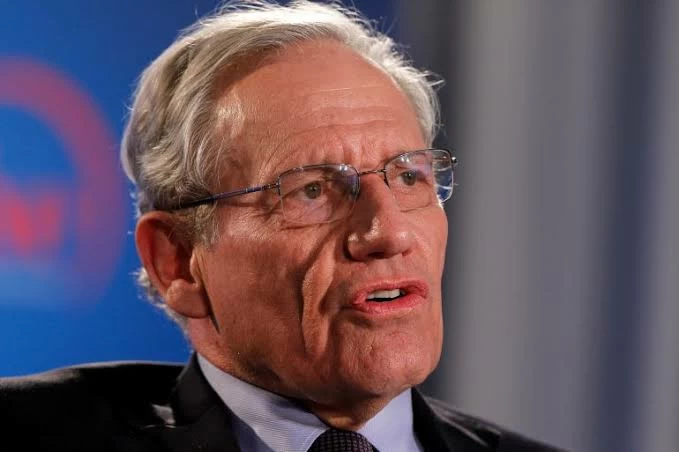
كشف الصحفي الأمريكي المخضرم بوب وودورد، عن أسماء مصادر سرية ساعدته على فضح فضيحة «ووترغيت»، وأسراراً تتعلق برؤساء ومسؤولين تعاقبوا على البيت الأبيض خلال أكثر من نصف قرن من العمل الصحفي.
وودورد البالغ 83 عاماً، يستعيد في مذكراته الجديدة «أسرار: مذكرات صحفي»، المقرر صدورها في 24 نوفمبر القادم، محطات بارزة من مسيرته بصحيفة «واشنطن بوست»، إذ يفصح عن شبكة مصادره داخل مؤسسات الدولة، وينتقد مالك الصحيفة جيف بيزوس، معتبراً أن قراراته الأخيرة تهدد استقلالها وثقة الجمهور بها.
أسرار ووترغيت وإيران كونترا
وبحسب عرض حصري نشرته «واشنطن بوست»، يستند الكتاب، الواقع في 592 صفحة، إلى أرشيف واسع من الملاحظات والتسجيلات والوثائق التي جمعها وودورد خلال 55 عاماً من العمل الصحفي، ويكشف للمرة الأولى هويات شخصيات نافذة قدمت له معلومات حساسة.
ومن أبرز الملفات التي يتناولها لقاؤه عام 1987 بمدير وكالة الاستخبارات المركزية السابق وليام كيسي في المستشفى، إذ كشف أن كيسي اعترف بمعرفته بتحويل أرباح مبيعات الأسلحة إلى إيران، في إطار فضيحة «إيران كونترا». ويقول إنه تمكن من الوصول إليه بمساعدة أفراد فريق حراسته، رغم حالته الصحية الحرجة، مستنداً إلى مصادر قال إنها تدعم روايته التي شكك فيها مسؤولون سابقون وأرملة كيسي.
نيكسون وكيسنجر
ويكشف الصحفي المخضرم أسماء مصادر روايته الشهيرة عن انهيار الرئيس ريتشارد نيكسون باكياً خلال لقاء مع وزير الخارجية هنري كيسنجر، في الأيام الأخيرة لفضيحة ووترغيت عام 1974. وشملت المصادر مساعدي كيسنجر برنت سكوكروفت ولورانس إيغلبرغر، إلى جانب كيسنجر نفسه.
مصادر داخل المحكمة العليا ومؤسسات الدولة
ويمتد كشف الأسرار إلى القضاء الأمريكي، إذ يعلن وودورد أسماء خمسة قضاة في المحكمة العليا ساعدوه وزميله سكوت أرمسترونغ في إعداد كتاب «الإخوة» الصادر عام 1979، والذي أثار جدلاً لاعتماده على مصادر مجهولة.
ويستعرض علاقاته بمسؤولين وخبراء داخل مؤسسات الأمن والدبلوماسية، بينهم مستشارون للرئيس جورج بوش الأب ومسؤولون سابقون في إدارتي رونالد ريغان وبوش، قدموا له معلومات عن ملفات استخباراتية وسياسية حساسة.
ويؤكد وودورد أنه امتنع أحياناً عن نشر معلومات تتعلق بالأمن القومي، تجنباً لتعريض الأمريكيين للخطر، في إشارة إلى التوازن الذي سعى إلى تحقيقه بين حق الجمهور في المعرفة والمسؤولية المهنية.
بيزوس واستقلال «واشنطن بوست»
ويخصص وودورد جانباً من مذكراته لانتقاد جيف بيزوس، مؤسس «أمازون» ومالك «واشنطن بوست» منذ عام 2013. ويقول إنه رحب بشراء بيزوس الصحيفة، أملاً في توفير الموارد اللازمة لاستمرار الصحافة الاستقصائية، إلا أنه أصيب بخيبة أمل بعد إلغاء تأييد هيئة التحرير للمرشحة الديمقراطية كامالا هاريس قبيل انتخابات 2024، ثم إجراء تغييرات في صفحات الرأي وتقليص ميزانية غرفة الأخبار وتسريح نحو 30% من العاملين.
وفي رأيه، أن هذه القرارات أضعفت ثقة الجمهور باستقلال الصحيفة، فيما دافع الرئيس التنفيذي والناشر جيف دونوفريو عن بيزوس، مؤكداً أن الهدف هو معالجة الخسائر المالية وضمان استمرار المؤسسة.
وتعيد المذكرات فتح النقاش حول دور المصادر السرية في كشف أسرار السلطة، وحدود السرية المهنية، وقدرة المؤسسات الإعلامية على الحفاظ على استقلالها في ظل الضغوط السياسية والمالية.
Veteran American journalist Bob Woodward revealed the names of secret sources that helped him expose the Watergate scandal, along with secrets related to presidents and officials who have occupied the White House over more than half a century of journalistic work.
Woodward, who is 83 years old, recalls in his new memoir "Secrets: A Journalist's Memoir," set to be released on November 24, significant milestones from his career at the Washington Post, as he discloses his network of sources within state institutions and criticizes the newspaper's owner Jeff Bezos, considering that his recent decisions threaten its independence and public trust.
Secrets of Watergate and Iran-Contra
According to an exclusive preview published by the Washington Post, the book, which spans 592 pages, is based on a vast archive of notes, recordings, and documents that Woodward has collected over 55 years of journalism, revealing for the first time the identities of influential figures who provided him with sensitive information.
Among the notable files he discusses is his 1987 meeting with former CIA Director William Casey in the hospital, where he revealed that Casey admitted to knowing about the diversion of profits from arms sales to Iran, as part of the Iran-Contra scandal. He states that he was able to reach him with the help of members of his security team, despite Casey's critical health condition, relying on sources he claims support his account, which has been questioned by former officials and Casey's widow.
نيكسون وكيسنجر
Woodward reveals the names of sources for his famous account of President Richard Nixon breaking down in tears during a meeting with Secretary of State Henry Kissinger in the final days of the Watergate scandal in 1974. The sources included Kissinger's aides Brent Scowcroft and Lawrence Eagleburger, along with Kissinger himself.
Sources within the Supreme Court and State Institutions
The revelation of secrets extends to the American judiciary, as Woodward names five Supreme Court justices who assisted him and his colleague Scott Armstrong in preparing the book "The Brethren," published in 1979, which sparked controversy for relying on anonymous sources.
He reviews his relationships with officials and experts within security and diplomatic institutions, including advisors to President George H.W. Bush and former officials in the Reagan and Bush administrations, who provided him with information on sensitive intelligence and political files.
Woodward asserts that he sometimes refrained from publishing information related to national security to avoid putting Americans at risk, referring to the balance he sought to achieve between the public's right to know and professional responsibility.
Bezos and the Independence of the Washington Post
Woodward dedicates part of his memoir to criticizing Jeff Bezos, the founder of Amazon and owner of the Washington Post since 2013. He states that he welcomed Bezos's purchase of the newspaper, hoping to provide the necessary resources for the continuation of investigative journalism, but he was disappointed after the editorial board withdrew its endorsement of Democratic candidate Kamala Harris ahead of the 2024 elections, followed by changes in the opinion pages, budget cuts in the newsroom, and the layoff of about 30% of the staff.
In his view, these decisions weakened public trust in the newspaper's independence, while CEO and publisher Jeff Donofrio defended Bezos, asserting that the goal is to address financial losses and ensure the institution's continuity.
The memoir reignites the discussion about the role of secret sources in uncovering the secrets of power, the limits of professional secrecy, and the ability of media institutions to maintain their independence amid political and financial pressures.