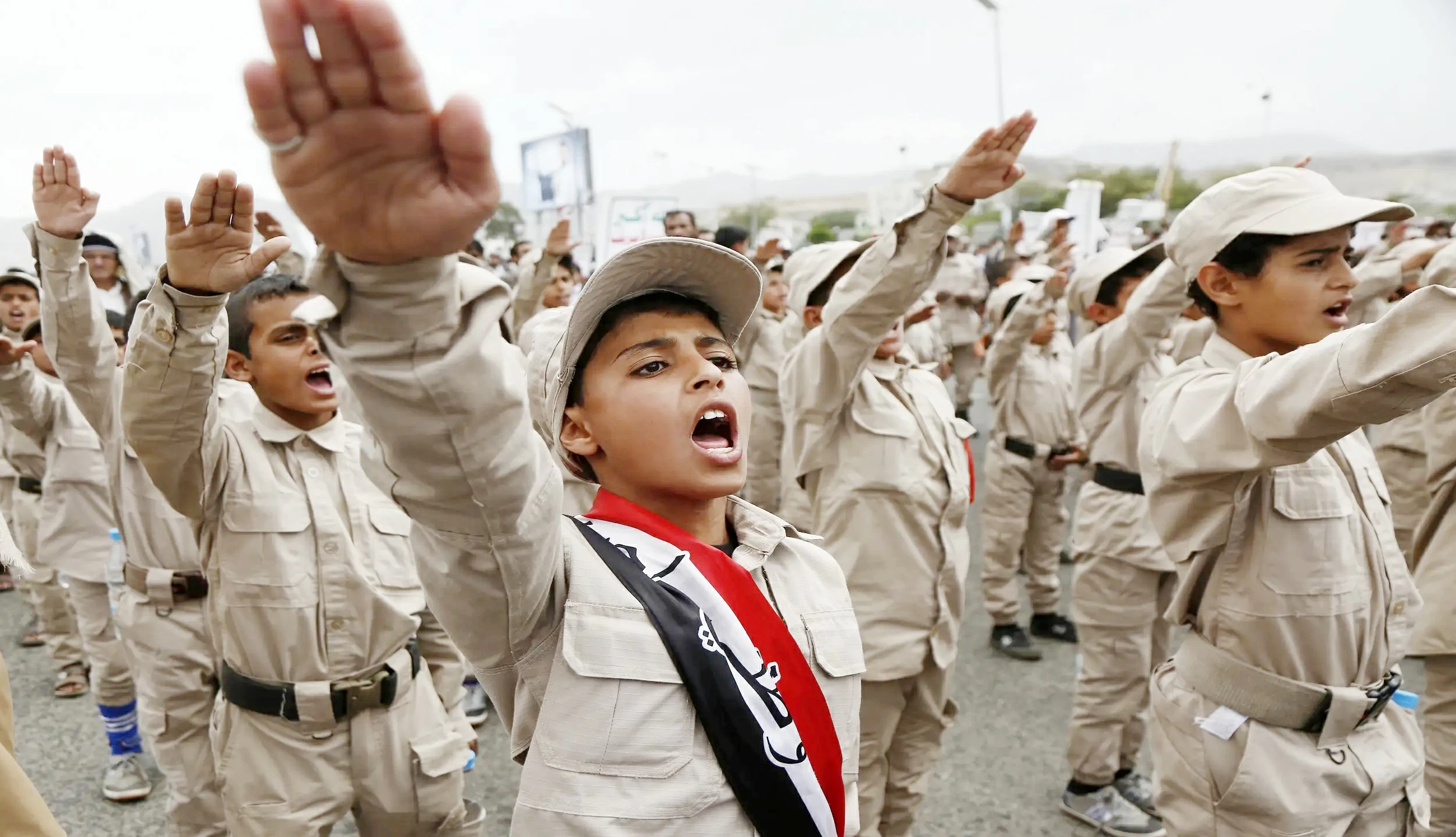
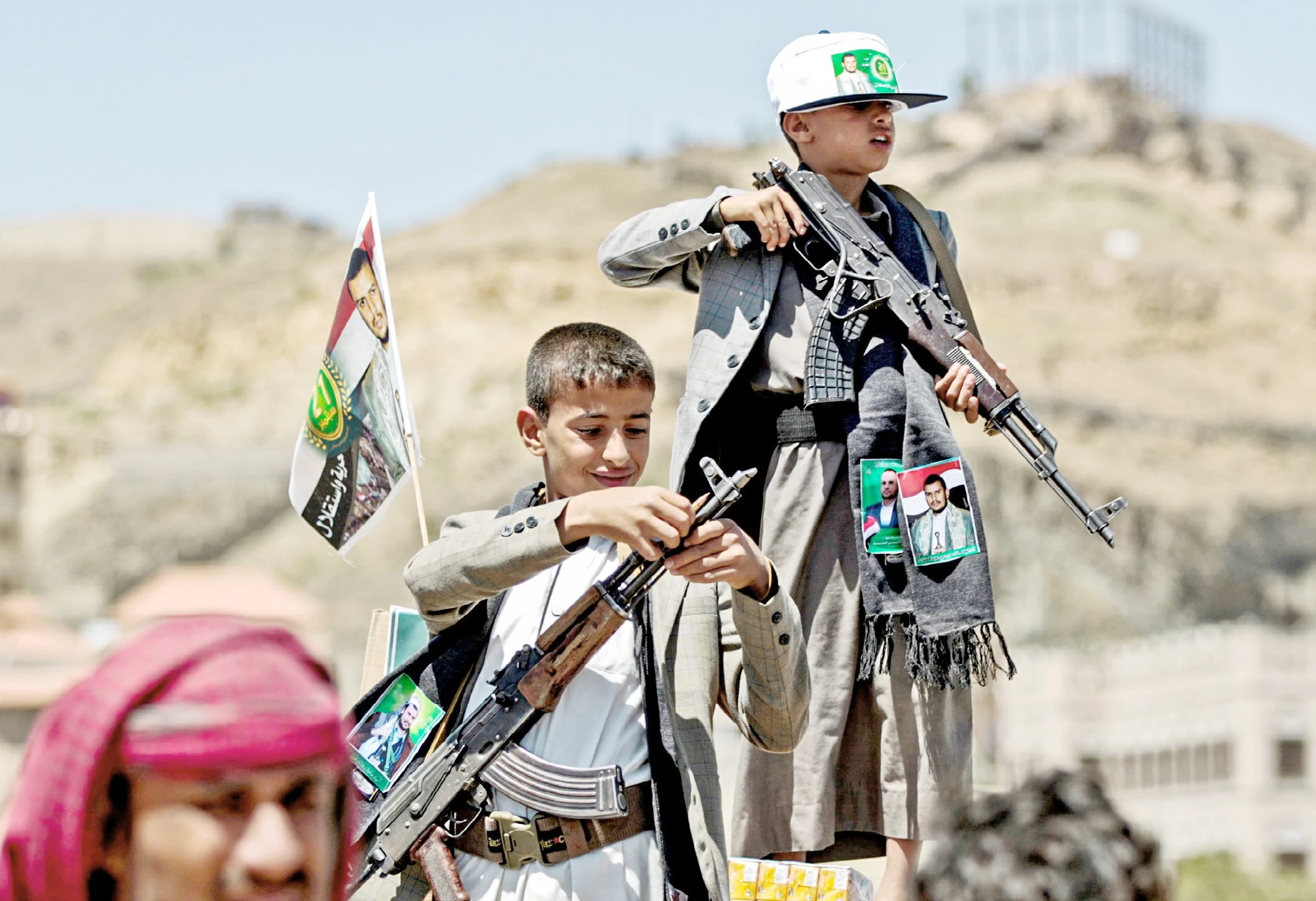
من المدارس إلى المتراس، ومن العمل إلى جبهات القتال، تتسع دائرة استغلال الإنسان اليمني في الحرب، فيما تدفع الفئات الأضعف الثمن الأكبر، بحسب ما كشفت إفادات حقوقية وتقارير رصد محلية ودولية تتحدث عن تجنيد الأطفال واستغلال الفقر والاحتياج، إلى جانب انتهاكات تطال المدنيين والعمال واللاجئين والمهاجرين.
وفي هذا السياق، أفاد رئيس الشبكة اليمنية للحقوق والحريات محمد العمدة لـ«عكاظ»، بأن استهداف الأحياء السكنية وتجنيد الأطفال واستغلال حاجة عمال النظافة واللاجئين والمهاجرين الأفارقة، تكشف ممارسات حوثية تجعل الإنسان وقوداً لإدامة الحرب، وتحمل الفئات الأشد ضعفاً كلفة استمرار سلطة السلاح.
وأعلن أن الشبكة وثقت أنماطاً متعددة من الانتهاكات الحوثية، شملت القتل والإصابة والقنص وقصف المنازل والقرى والاختطاف والإخفاء القسري والتعذيب والتشريد وزراعة الألغام والحرمان من التعليم والخدمات الأساسية.
وأكد أن القانون الدولي الإنساني يحظر استهداف المدنيين والأعيان المدنية والهجمات العشوائية وغير المتناسبة، مشدداً على أن وجود هدف عسكري في منطقة مأهولة لا يجعل الحي بأكمله هدفاً مشروعاً.
ووضع العمدة تجنيد الأطفال في صدارة أخطر أوجه استنزاف المجتمع اليمني. وبحسب تقرير الشبكة بعنوان «أطفال اليمن من المدارس إلى المتارس»، وثق الفريق الميداني مقتل نحو 9,728 طفلاً مجنداً، استناداً إلى حالات قال إنها شُيعت في مراسم معلنة بثتها وسائل إعلام تابعة للحوثيين، إضافة إلى إصابة 12,730 طفلاً مجنداً، وفق بيانات الراصدين وسجلات مستشفيات في عدد من المحافظات.
وأشار إلى أن هذه الأرقام لا تمثل حصراً نهائياً في ظل قيود الوصول وحجب المعلومات، داعياً إلى توثيق مستقل وأوسع للظاهرة.
وتشير تقارير أممية إلى استمرار تجنيد الأطفال واستخدامهم في اليمن، وأفصحت الأمم المتحدة أنها تحققت من تجنيد واستخدام 262 طفلاً، بينهم 127 طفلاً نُسبت حالات تجنيدهم واستخدامهم إلى الحوثيين. وتحدثت عن «مراكز صيفية» يتعرض فيها أطفال لمحتوى وأنشطة عسكرية.
وبحسب العمدة، تشمل وسائل استقطاب الأطفال التعبئة الفكرية والإغراء بالمال والوظائف والشهادات الدراسية واستغلال الفقر، إلى جانب الضغط والإكراه، مؤكداً أن وصف هذه الممارسات بـ«التطوع» لا يغير حقيقتها إذا انتهت بتدريب الأطفال عسكرياً أو استخدامهم في الأعمال العدائية.
ووثقت الشبكة اليمنية للحقوق والحريات نحو 36,179 واقعة انتهاك وجريمة بحق الأطفال خلال الفترة من يناير 2017 حتى 8 سبتمبر 2026.
الفقر بوابة إلى جبهات القتال
وبحسب تقريرها، قُتل 5,495 طفلاً، بينهم 712 رضيعاً، وأصيب 7,124 طفلاً. كما وثقت الشبكة 317 حالة اختطاف وإخفاء قسري، و117 حالة تعذيب لأطفال في السجون، بينهم 9 قالت إنهم عُذبوا حتى الموت، إضافة إلى 53 حالة اغتصاب وتشريد وتهجير 49,965 طفلاً.
ويمثل التعليم جانباً آخر من الأزمة؛ إذ تقول الشبكة إن نحو 4.5 مليون طفل حُرموا من التعليم، فيما استخدمت منشآت تعليمية لأغراض عسكرية وتدريب المجندين، وفق التقرير.
وربط العمدة بين التجنيد والانهيار الاقتصادي والاجتماعي في اليمن، مؤكدا أن الفقر والحاجة تحولا إلى أدوات للاستقطاب والضغط على الأسر.
وقال إن بعض الأطفال يُستقطبون عبر الوعود بالمال والوظائف والشهادات والمساعدات، فيما يتعرض آخرون للضغط أو الإكراه. وتشير الأمم المتحدة إلى أن الفقر والبطالة وضعف فرص التعليم وسبل العيش تزيد قابلية الأطفال للتجنيد.
فيما حذر العمدة من أن خطورة الظاهرة تتجاوز الخسائر المباشرة، إذ إن الطفل الذي يترك المدرسة ويحمل السلاح قد يدخل مرحلة الرشد محملاً بآثار العنف والصدمة النفسية أو الإعاقة، ما يهدد المجتمع على المدى الطويل.
العمال والمهاجرون في دائرة الاستغلال
ولا تقتصر المخاوف على الأطفال، إذ يشير العمدة إلى تعرض فئات هشة أخرى، بينها عمال النظافة واللاجئون والمهاجرون الأفارقة، لخطر الاستغلال.
وأكد أن حاجة أي طرف إلى المقاتلين لا تبرر إكراه المدنيين أو استغلال ظروفهم الاقتصادية، مشدداً على أنه لا يجوز ربط الراتب أو الغذاء أو المساعدة بحمل السلاح.
أما اللاجئون والمهاجرون الأفارقة، فقد يكونون أكثر عرضة للاستغلال بسبب صعوبات اللغة وغياب الوثائق والدخل والخوف من الاحتجاز. ويقول العمدة: «من فرّ بحثاً عن الأمان لا يجوز دفعه إلى حرب جديدة، ومن جاء طلباً للعمل لا يجوز خداعه بفرصة رزق تتحول إلى مهمة عسكرية».
جيل كامل يدفع ثمن الحرب
حذر محمد العمدة من أن أخطر تداعيات هذه الممارسات تتمثل في آثارها الممتدة على جيل كامل، معتبراً أن إفراغ المدارس واستغلال الفقر والحاجة يهددان مستقبل المجتمع اليمني، وليس فقط الضحايا المباشرين للحرب.
وسبق أن دعت الأمم المتحدة أطراف النزاع إلى إنهاء تجنيد الأطفال واستخدامهم وإعادة دمج المرتبطين بالجماعات المسلحة اجتماعياً واقتصادياً، وأعربت عن قلقها من استخدام المدارس والمستشفيات لأغراض عسكرية.
ورأى العمدة أن مواجهة هذه الانتهاكات تبدأ بوقف الهجمات غير المشروعة على المدنيين، وإنهاء تجنيد الأطفال، والتحقيق في استغلال العمال واللاجئين والمهاجرين، وضمان وصول الجهات الإنسانية إلى الفئات الأكثر عرضة للخطر.
ولخص رؤيته لمستقبل اليمن بقوله: «السلام الذي يحتاجه اليمنيون يبدأ بعودة الطفل إلى مدرسته، وأمان الأسرة في منزلها، وحصول العامل على رزقه دون ابتزاز، وتمتع اللاجئ بالحماية».
ولفت إلى أنه بين المدرسة والجبهة، تتجاوز المعركة خطوط القتال؛ فكل طفل يفقد مقعده الدراسي لصالح المتراس يمثل خسارة لمستقبل البلاد، وكل عامل أو مهاجر تُستغل هشاشته يضيف ضحية جديدة إلى حرب تستنزف المجتمع. وتبقى الرسالة التي يؤكدها العمدة وهي أن: حماية مستقبل اليمن تبدأ بحماية الإنسان.
From schools to the front lines, and from work to battlefields, the exploitation of the Yemeni human in war is expanding, with the most vulnerable groups paying the highest price, according to human rights testimonies and local and international monitoring reports that discuss the recruitment of children and the exploitation of poverty and need, alongside violations affecting civilians, workers, refugees, and migrants.
In this context, the head of the Yemeni Network for Rights and Freedoms, Mohammed Al-Omdah, informed "Okaz" that the targeting of residential neighborhoods, the recruitment of children, and the exploitation of the needs of cleaning workers and African refugees and migrants reveal Houthi practices that turn humans into fuel for sustaining the war, bearing the cost of the continuation of armed authority on the most vulnerable groups.
He announced that the network has documented multiple patterns of Houthi violations, including killing, injury, sniping, shelling of homes and villages, kidnapping, enforced disappearance, torture, displacement, landmine planting, and deprivation of education and basic services.
He confirmed that international humanitarian law prohibits targeting civilians and civilian objects, as well as indiscriminate and disproportionate attacks, emphasizing that the presence of a military target in a populated area does not make the entire neighborhood a legitimate target.
Al-Omdah placed the recruitment of children at the forefront of the most dangerous aspects of the depletion of Yemeni society. According to the network's report titled "Children of Yemen: From Schools to Front Lines," the field team documented the killing of approximately 9,728 recruited children, based on cases he said were announced in funerals broadcast by Houthi-affiliated media, in addition to the injury of 12,730 recruited children, according to data from monitors and hospital records in several governorates.
He noted that these figures do not represent a final tally in light of access restrictions and information censorship, calling for independent and broader documentation of the phenomenon.
UN reports indicate the continued recruitment and use of children in Yemen, with the United Nations revealing that it has verified the recruitment and use of 262 children, including 127 children whose recruitment and use were attributed to the Houthis. It spoke of "summer camps" where children are exposed to military content and activities.
According to Al-Omdah, the means of attracting children include ideological mobilization, enticing them with money, jobs, educational certificates, and exploiting poverty, alongside pressure and coercion, stressing that labeling these practices as "volunteering" does not change their reality if they end with military training for children or their use in hostilities.
The Yemeni Network for Rights and Freedoms documented about 36,179 incidents of violations and crimes against children during the period from January 2017 to September 8, 2026.
Poverty: A Gateway to the Battlefields
According to its report, 5,495 children were killed, including 712 infants, and 7,124 children were injured. The network also documented 317 cases of kidnapping and enforced disappearance, and 117 cases of torture of children in prisons, including 9 it said were tortured to death, in addition to 53 cases of rape and the displacement of 49,965 children.
Education represents another aspect of the crisis; the network states that about 4.5 million children have been deprived of education, while educational facilities have been used for military purposes and training recruits, according to the report.
Al-Omdah linked recruitment to the economic and social collapse in Yemen, confirming that poverty and need have become tools for recruitment and pressure on families.
He stated that some children are recruited through promises of money, jobs, certificates, and aid, while others are subjected to pressure or coercion. The United Nations indicates that poverty, unemployment, weak educational opportunities, and livelihoods increase children's vulnerability to recruitment.
Al-Omdah warned that the danger of this phenomenon goes beyond immediate losses, as a child who leaves school and carries a weapon may enter adulthood burdened with the effects of violence, psychological trauma, or disability, threatening society in the long term.
Workers and Migrants in the Circle of Exploitation
The concerns are not limited to children, as Al-Omdah points to the exposure of other vulnerable groups, including cleaning workers, refugees, and African migrants, to the risk of exploitation.
He confirmed that the need of any party for fighters does not justify coercing civilians or exploiting their economic conditions, stressing that salaries, food, or assistance should not be tied to carrying weapons.
As for refugees and African migrants, they may be more susceptible to exploitation due to language barriers, lack of documentation, income, and fear of detention. Al-Omdah stated: "Those who fled in search of safety should not be pushed into a new war, and those who came seeking work should not be deceived by a livelihood opportunity that turns into a military mission."
A Whole Generation Paying the Price of War
Mohammed Al-Omdah warned that the most dangerous consequences of these practices lie in their extended effects on a whole generation, considering that emptying schools and exploiting poverty and need threaten the future of Yemeni society, not just the direct victims of the war.
The United Nations has previously called on the parties to the conflict to end the recruitment and use of children and to reintegrate those associated with armed groups socially and economically, expressing concern over the use of schools and hospitals for military purposes.
Al-Omdah believes that confronting these violations begins with stopping unlawful attacks on civilians, ending the recruitment of children, investigating the exploitation of workers, refugees, and migrants, and ensuring humanitarian access to the most vulnerable groups.
He summarized his vision for the future of Yemen by saying: "The peace that Yemenis need begins with the child returning to school, the family’s safety in their home, the worker receiving their livelihood without extortion, and the refugee enjoying protection."
He pointed out that between school and the front line, the battle transcends combat lines; every child who loses their school seat in favor of the front line represents a loss for the country's future, and every worker or migrant whose vulnerability is exploited adds a new victim to a war that drains society. The message that Al-Omdah emphasizes is that protecting the future of Yemen begins with protecting the human being.