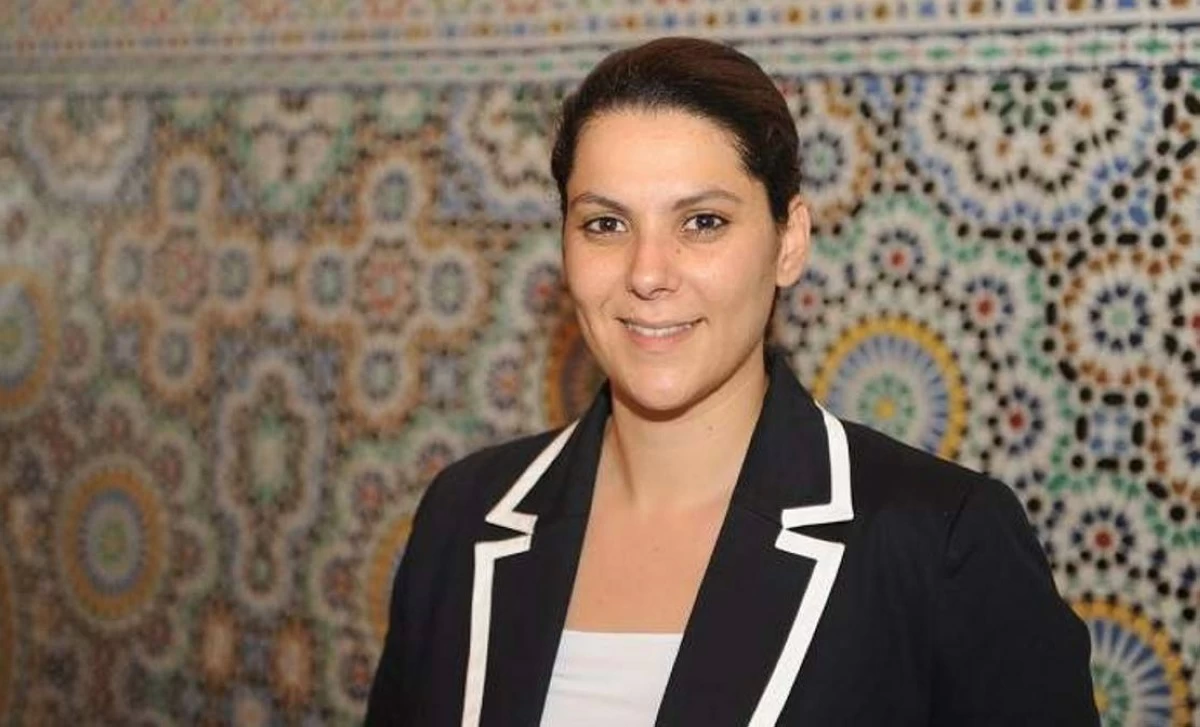
أعلن العاهل المغربي الملك محمد السادس، اليوم الثلاثاء، تعيين فاطمة الزهراء المنصوري رئيسة للحكومة المغربية، في خطوة تاريخية تجعلها أول امرأة تتولى رئاسة الجهاز التنفيذي في المملكة، وتضع مسارها السياسي والإداري الممتد لأكثر من عقد ونصف أمام محطة جديدة، تنتقل فيها من العمل المحلي والحزبي والبرلماني والوزاري إلى قيادة الحكومة.
ويأتي هذا التعيين في أعقاب استحقاقات انتخابية أفرزت موازين جديدة داخل المشهد السياسي المغربي، وأعادت ترتيب التحالفات والحسابات بين القوى الحزبية الرئيسية، في مرحلة تتجه فيها المملكة إلى استكمال عدد من الإصلاحات الاقتصادية والاجتماعية والتنموية. ومع صعود المنصوري إلى رئاسة الحكومة، يفتح المغرب فصلاً جديداً في تاريخه السياسي، تتصدره امرأة للمرة الأولى على رأس السلطة التنفيذية.
وقد شهدت الساحة السياسية المغربية خلال الفترة التي سبقت التعيين حراكاً متصاعداً، تزامن مع إعادة تشكل موازين القوى داخل المؤسسات المنتخبة. وفي هذا السياق، عزز حزب الأصالة والمعاصرة موقعه في المعادلة السياسية، مستنداً إلى حضوره الانتخابي والمؤسساتي، وإلى شبكة من المسؤوليات التي راكمها على المستويين المحلي والوطني، ما مهد الطريق أمام قيادته للمشاركة في صياغة ملامح المرحلة الحكومية الجديدة.
لكن صعود فاطمة الزهراء المنصوري إلى رئاسة الحكومة لم يبدأ من أعلى هرم السلطة التنفيذية، بل جاء نتيجة مسار سياسي ومؤسساتي متدرج، بدأ من مدينة مراكش، مسقط رأسها، وانتقل بها بين المجالس المنتخبة والبرلمان والعمل الحزبي، وصولاً إلى الحكومة.
ولدت فاطمة الزهراء المنصوري في الثالث من يناير عام 1976 بمدينة مراكش، وتلقت تكويناً أكاديمياً في مجال القانون. حصلت على الإجازة في القانون الخاص من جامعة محمد الخامس بالرباط، قبل أن تستكمل دراستها في فرنسا، حيث نالت دبلوم الدراسات العليا في قانون عقود الأعمال من جامعة مونبلييه، إلى جانب شهادة متخصصة في القانون الأنغلوساكسوني من جامعة بايس الأمريكية.
وبعد استكمال مسارها الأكاديمي، اتجهت المنصوري إلى ممارسة مهنة المحاماة، وانضمت إلى هيئة المحامين بمراكش في مارس 2005، متخصصة في القانون العقاري. ومنحتها هذه التجربة المهنية احتكاكاً مباشراً بملفات ترتبط بالعقار والاستثمار والتشريعات المنظمة للمجال الحضري، وهي ملفات ستعود لاحقاً لتشكل جانباً مهماً من تجربتها السياسية والتنفيذية.
أما دخولها الفعلي إلى المجال العام، فجاء عام 2007 من بوابة حركة «لكل الديمقراطيين»، قبل أن تكون ضمن النواة المؤسسة لحزب الأصالة والمعاصرة الذي تأسس عام 2008. ومنذ تلك اللحظة، بدأت المنصوري في بناء حضورها داخل الحياة السياسية المغربية، مستفيدة من تجربتها القانونية ومن حضورها المحلي في مدينة مراكش.
وفي عام 2009، سجلت واحدة من أبرز محطات مسيرتها، عندما تولت رئاسة المجلس الجماعي لمدينة مراكش، لتصبح أول امرأة تتولى هذا المنصب في المدينة، واستمرت في رئاسته حتى عام 2015. وبالتوازي مع تجربتها في الإدارة المحلية، دخلت المعترك التشريعي، بعد انتخابها عضواً في مجلس النواب خلال الولاية الممتدة من 2011 إلى 2016، قبل أن تعود إلى البرلمان لولاية جديدة بين عامي 2016 و2021.
وخلال هذه المرحلة، لم يقتصر حضور المنصوري على المؤسسات المنتخبة، بل توسع داخل حزب الأصالة والمعاصرة، إذ تولت رئاسة المجلس الوطني للحزب بين عامي 2015 و2024، في موقع أتاح لها الانخراط في إدارة الملفات التنظيمية والسياسية للحزب، والمساهمة في صياغة مواقفه وتوجهاته خلال مراحل سياسية متغيرة.
وفي الانتخابات المحلية لعام 2021، عادت المنصوري إلى رئاسة المجلس الجماعي لمراكش، لولاية تمتد حتى عام 2027، بالتزامن مع انتقال تجربتها إلى مستوى حكومي أوسع، بعدما عينت وزيرة لإعداد التراب الوطني والتعمير والإسكان وسياسة المدينة ضمن الحكومة السابقة للفترة الممتدة من 2021 إلى 2026.
وشكلت التجربة الوزارية محطة مفصلية في مسارها، إذ انتقلت خلالها من إدارة الشأن المحلي والتمثيل البرلماني والعمل الحزبي إلى ممارسة المسؤولية التنفيذية المباشرة على مستوى قطاع يرتبط بشكل وثيق بالتخطيط العمراني والسكن والتنمية الحضرية. وخلال توليها الوزارة، تعاملت مع ملفات تتصل بالتعمير والتخطيط الحضري والسياسات السكنية وبرامج إعادة التأهيل الحضري، ما أضاف إلى رصيدها السياسي خبرة في إدارة الملفات الحكومية المعقدة والمتداخلة.
وعلى المستوى الحزبي، واصلت المنصوري صعودها داخل الأصالة والمعاصرة، إذ تولت منذ عام 2024 مهمة منسقة القيادة الجماعية للحزب، في إطار النموذج القيادي الذي اعتمده الحزب لتدبير شؤونه الداخلية. وقد أتاح لها هذا الموقع العمل على إدارة التوازنات التنظيمية وبناء التوافقات داخل الحزب، فضلاً عن التعامل مع التحالفات والتفاعلات السياسية على المستوى الوطني.
وخارج الإطار السياسي المحلي، راكمت المنصوري أيضاً حضوراً على المستوى الدولي والإقليمي. ففي عام 2014، اختارتها مجلة «فوربس» ضمن قائمة لأكثر 20 امرأة شابة تأثيراً في إفريقيا، كما أدرجت في العام نفسه ضمن قائمة القادة الشباب العالميين، إلى جانب اضطلاعها بأدوار في الجمعية الدولية للعمداء الفرنكفونيين، ونيلها موقع نائب رئيس الجمعية المغربية لرؤساء المجالس الجماعية.
وبذلك، تبدو محطة رئاسة الحكومة امتداداً لمسار سياسي لم يتشكل دفعة واحدة، وإنما تدرج عبر مستويات متعددة من المسؤولية: من المحاماة إلى العمل العام، ومن رئاسة مجلس جماعي إلى البرلمان، ومن القيادة الحزبية إلى الوزارة، قبل الوصول إلى أعلى منصب تنفيذي في المملكة.
لكن انتقال فاطمة الزهراء المنصوري إلى رئاسة الحكومة لا يمثل فقط تتويجاً لمسارها الشخصي، بل يحمل أيضاً دلالة مؤسساتية وسياسية، باعتبارها أول امرأة في تاريخ المغرب تصل إلى رئاسة الحكومة. ويضعها ذلك أمام مسؤولية إدارة مرحلة تحمل ملفات اقتصادية واجتماعية وتنموية متشابكة، من تحفيز النمو الاقتصادي وتعزيز الاستثمار، إلى مواجهة آثار التغيرات المناخية، ومواصلة برامج التنمية المستدامة، إلى جانب ملفات التعليم والصحة والسكن والسياسات الاجتماعية.
وهكذا، فإن السؤال «من هي فاطمة الزهراء المنصوري؟» لا تختصر إجابته في كونها أول امرأة تتولى رئاسة الحكومة المغربية، بل يقود إلى مسار سياسي وإداري طويل بدأ من مراكش، وتدرج عبر المؤسسات المنتخبة والحزب والحكومة، قبل أن يصل إلى رئاسة الجهاز التنفيذي، في واحدة من أبرز المحطات السياسية في تاريخ المغرب الحديث.
The Moroccan monarch King Mohammed VI announced today, Tuesday, the appointment of Fatima Zahra Mansouri as the head of the Moroccan government, in a historic step that makes her the first woman to hold the presidency of the executive body in the kingdom, placing her political and administrative journey of over a decade and a half at a new juncture, transitioning from local, party, parliamentary, and ministerial work to leading the government.
This appointment comes in the wake of electoral outcomes that have produced new balances within the Moroccan political scene, rearranging alliances and calculations among the main party forces, at a time when the kingdom is moving towards completing a number of economic, social, and developmental reforms. With Mansouri's rise to the head of the government, Morocco opens a new chapter in its political history, led by a woman for the first time at the helm of the executive authority.
The Moroccan political arena witnessed a rising movement in the period leading up to the appointment, coinciding with the reshaping of power balances within elected institutions. In this context, the Authenticity and Modernity Party strengthened its position in the political equation, relying on its electoral and institutional presence, as well as a network of responsibilities accumulated at both local and national levels, paving the way for its leadership to participate in shaping the features of the new governmental phase.
However, Fatima Zahra Mansouri's ascent to the head of the government did not begin from the highest echelons of the executive authority; rather, it came as a result of a gradual political and institutional path that started in her birthplace, Marrakech, and transitioned through elected councils, parliament, and party work, culminating in her role in the government.
Fatima Zahra Mansouri was born on January 3, 1976, in Marrakech and received academic training in law. She obtained a bachelor's degree in private law from Mohammed V University in Rabat, before completing her studies in France, where she earned a diploma in advanced studies in business contract law from Montpellier University, along with a specialized certificate in Anglo-Saxon law from Pace University in the United States.
After completing her academic journey, Mansouri turned to practicing law, joining the Marrakech Bar Association in March 2005, specializing in real estate law. This professional experience provided her with direct exposure to cases related to real estate, investment, and urban regulations, which would later become a significant aspect of her political and executive experience.
Her actual entry into the public sphere came in 2007 through the "For All Democrats" movement, before being part of the founding nucleus of the Authenticity and Modernity Party, which was established in 2008. Since that moment, Mansouri began to build her presence within Moroccan political life, benefiting from her legal experience and her local presence in Marrakech.
In 2009, she recorded one of the most prominent milestones of her career when she assumed the presidency of the Marrakech municipal council, becoming the first woman to hold this position in the city, and she continued in this role until 2015. Alongside her experience in local administration, she entered the legislative arena after being elected as a member of the House of Representatives during the term from 2011 to 2016, before returning to parliament for a new term between 2016 and 2021.
During this phase, Mansouri's presence was not limited to elected institutions; it expanded within the Authenticity and Modernity Party, as she served as the president of the party's national council between 2015 and 2024, a position that allowed her to engage in managing the party's organizational and political files and contribute to shaping its positions and directions during changing political phases.
In the local elections of 2021, Mansouri returned to the presidency of the Marrakech municipal council for a term extending until 2027, coinciding with her experience transitioning to a broader governmental level, after being appointed as Minister of National Land Planning, Urbanism, Housing, and City Policy in the previous government for the period from 2021 to 2026.
The ministerial experience was a pivotal moment in her career, as she transitioned from managing local affairs, parliamentary representation, and party work to exercising direct executive responsibility in a sector closely related to urban planning, housing, and urban development. During her tenure as minister, she dealt with files related to urbanization, urban planning policies, housing policies, and urban rehabilitation programs, which added to her political portfolio experience in managing complex and intertwined governmental files.
On the party level, Mansouri continued her rise within the Authenticity and Modernity Party, as she has held the position of coordinator of the party's collective leadership since 2024, within the leadership model adopted by the party to manage its internal affairs. This position has allowed her to work on managing organizational balances and building consensus within the party, as well as dealing with alliances and political interactions at the national level.
Outside the local political framework, Mansouri has also accumulated a presence at the international and regional levels. In 2014, Forbes magazine selected her as one of the 20 most influential young women in Africa, and she was also included that same year in the list of global young leaders, alongside her roles in the International Association of Francophone Mayors and her position as Vice President of the Moroccan Association of Presidents of Municipal Councils.
Thus, the position of head of government seems to be an extension of a political journey that did not form all at once but rather progressed through multiple levels of responsibility: from law practice to public work, from the presidency of a municipal council to parliament, from party leadership to ministry, before reaching the highest executive position in the kingdom.
However, Fatima Zahra Mansouri's transition to the head of government not only represents a culmination of her personal journey but also carries institutional and political significance, as she is the first woman in Morocco's history to reach the head of government. This places her before the responsibility of managing a phase that carries intertwined economic, social, and developmental files, from stimulating economic growth and enhancing investment to addressing the impacts of climate change, continuing sustainable development programs, alongside issues of education, health, housing, and social policies.
Thus, the question "Who is Fatima Zahra Mansouri?" is not limited to her being the first woman to head the Moroccan government, but leads to a long political and administrative journey that began in Marrakech, progressed through elected institutions, the party, and the government, before reaching the presidency of the executive body, in one of the most prominent political milestones in modern Moroccan history.