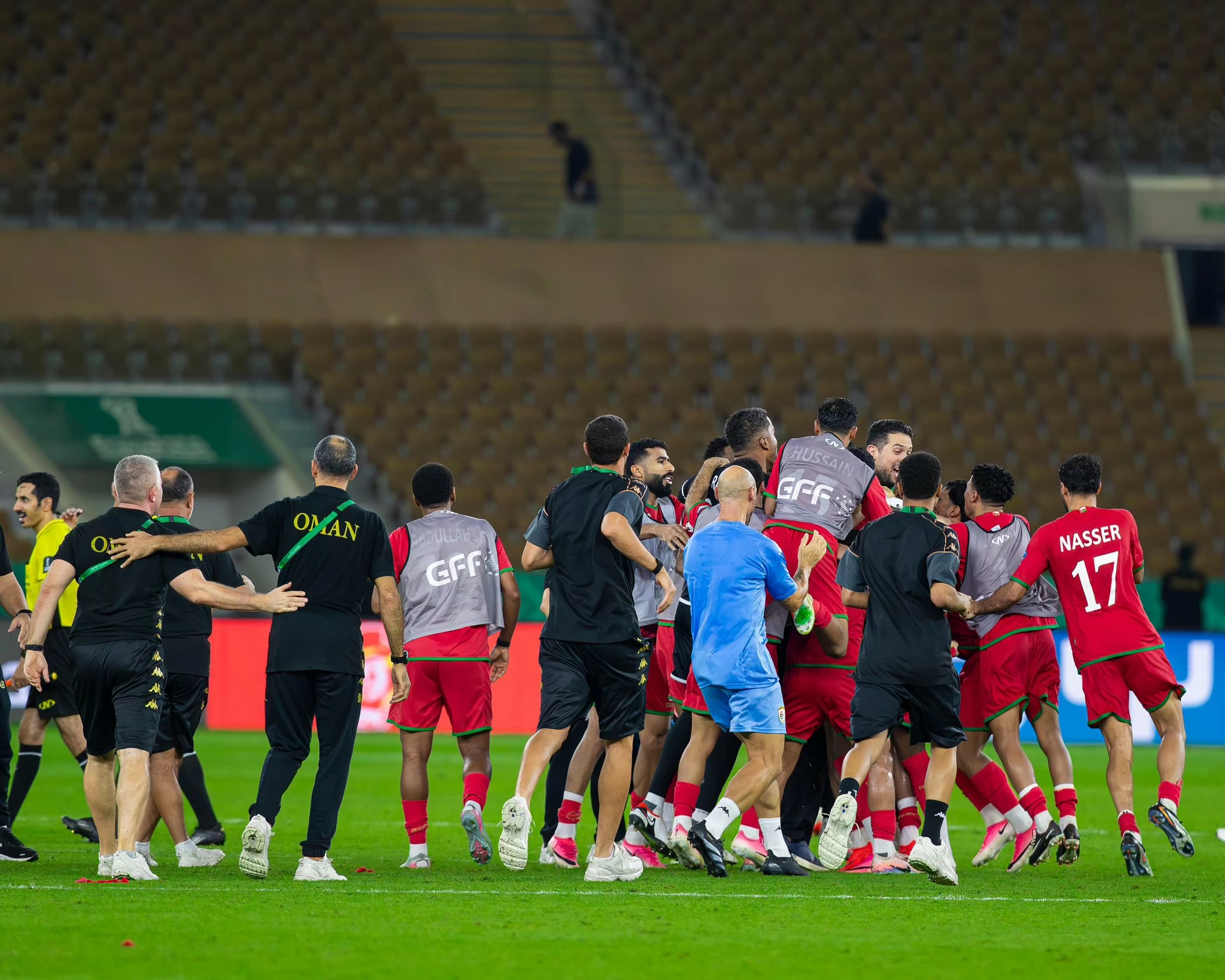
في كرة القدم، قد يمنح هدفٌ منتخبًا فرصة العبور، ثم يجعل الاحتفال به تلك الفرصة معلّقة. وبين الكرة التي تسكن الشباك والقميص الذي يغادر جسد صاحبه، ثوانٍ قليلة قد تحمل تبعات أكبر مما يتصور اللاعب في لحظة الفرح.
هذا ما عاشه المنتخب العُماني في بطولة كأس الخليج «خليجي 27» المقامة في جدة، حين سجل مصعب الشقصي الهدف الثالث في شباك الكويت، ليمنح منتخب بلاده انتصارًا بنتيجة 3ـ1، ويعيد إليه الأمل في بلوغ نصف النهائي. لكن الشقصي خلع قميصه احتفالًا، فتلقى بطاقة صفراء أصبحت جزءًا حاسمًا من حسابات التأهل.
كانت عُمان والعراق قد تساوتا في النقاط والأهداف، لتنتقل المفاضلة إلى معيار اللعب النظيف. وهنا كانت الأفضلية عُمانية بسبع بطاقات صفراء مقابل ثمانٍ للعراق، قبل أن يأتي إنذار الشقصي ويُلغي ذلك الفارق. وبالنتائج النهائية للمباراتين، كان الاحتفاظ بالقميص سيمنح عُمان التأهل دون الحاجة إلى القرعة.
وحاول زملاء الشقصي ثنيه عن خلع قميصه، لكن اندفاع الاحتفال غلب تلك المحاولات؛ فتحولت لحظة تسجيل الهدف إلى بداية انتظار ثقيل لمعرفة مصير المنتخب.
تعيد الواقعة تسليط الضوء على ظاهرة خلع القميص بعد الأهداف؛ احتفال يتكرر في الملاعب رغم وضوح العقوبة. فقانون كرة القدم يُلزم الحكم بإنذار اللاعب الذي يخلع قميصه أو يغطي رأسه به أثناء الاحتفال، حتى لو أُلغي الهدف لاحقًا. وقد يمتد أثر هذا الإنذار إلى الطرد عند وجود بطاقة سابقة، أو يصبح مؤثرًا في مفاضلة التأهل، كما حدث لعُمان.
الفرحة جزء من سحر اللعبة، خصوصًا حين يأتي الهدف في مباراة يتوقف عليها مصير منتخب. لكن واقعة الشقصي تبرز مسؤولية الأجهزة الفنية والإدارية في تذكير اللاعبين بحسابات البطاقات، إلى جانب حسابات الأهداف، عندما تكون التفاصيل الصغيرة قادرة على تحديد المتأهل.
وفي النهاية، ابتسمت القرعة لعُمان ومنحتها بطاقة العبور إلى نصف النهائي على حساب العراق، لتنتهي ليلة القلق بفرحة جديدة. ومع ذلك، بقي قميص الشقصي عنوانًا لقصة تستحق التوقف: لاعب سجل هدفًا قرّب منتخب بلاده من التأهل، ثم جعل احتفاله الطريق إليه أكثر صعوبة.
In football, a goal can give a team a chance to advance, but celebrating it can leave that opportunity hanging. Between the ball that finds the net and the shirt that leaves its owner's body, there are a few seconds that may carry consequences greater than the player imagines in a moment of joy.
This is what the Omani national team experienced in the Gulf Cup "Gulf 27" held in Jeddah, when Musab Al-Shuqsi scored the third goal against Kuwait, giving his team a victory of 3-1 and restoring hope for reaching the semifinals. However, Al-Shuqsi took off his shirt in celebration, receiving a yellow card that became a crucial part of the qualification calculations.
Oman and Iraq had equal points and goals, leading to a comparison based on fair play criteria. Here, Oman had the advantage with seven yellow cards compared to eight for Iraq, until Al-Shuqsi's warning nullified that difference. With the final results of the two matches, keeping the shirt on would have allowed Oman to qualify without the need for a draw.
Al-Shuqsi's teammates tried to dissuade him from taking off his shirt, but the impulse to celebrate overcame those attempts; the moment of scoring turned into a heavy wait to know the fate of the team.
This incident highlights the phenomenon of taking off shirts after goals; a celebration that recurs in stadiums despite the clear penalty. The laws of football require the referee to caution any player who removes their shirt or covers their head with it during the celebration, even if the goal is later disallowed. The impact of this caution may extend to a red card if there is a prior yellow, or it may influence qualification comparisons, as happened with Oman.
Joy is part of the magic of the game, especially when a goal comes in a match that determines the fate of a team. However, Al-Shuqsi's incident underscores the responsibility of coaching and administrative staff to remind players about card calculations, alongside goal calculations, when small details can determine who qualifies.
In the end, the draw smiled upon Oman and granted them a ticket to the semifinals at Iraq's expense, ending a night of anxiety with a new joy. Nevertheless, Al-Shuqsi's shirt remains a symbol of a story worth pausing for: a player who scored a goal that brought his team closer to qualification, yet made his celebration the path to it more difficult.