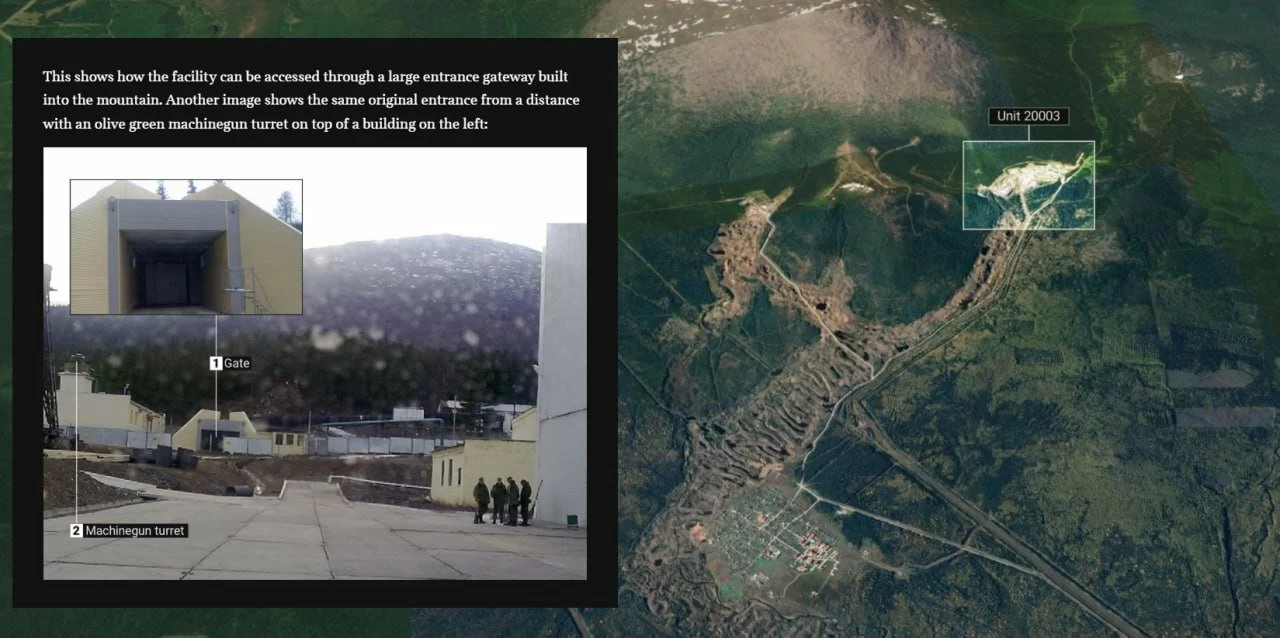
في أعماق جبال الأورال، تكشف أعمال بناء وتحديث واسعة داخل منشأة عسكرية روسية شديدة السرية عن مساعٍ لتعزيز واحدة من أكثر منظومات الردع النووي غموضًا منذ الحرب الباردة.
وتقع المنشأة 1335، المعروفة باسم «غروت»، داخل جبل كوسفينسكي كامين قرب قرية كيتليم، وقد ارتبط اسمها بمنظومة «بيريميتر» للقيادة والسيطرة النووية، التي عُرفت في الغرب باسم «اليد الميتة».
وكشفت تحقيقات صحفية بريطانية ودنماركية، استندت إلى وثائق مشتريات وسجلات إنشاءات وصور أقمار صناعية ومصادر مفتوحة، عن أعمال توسعة وتحديث كبيرة في الموقع، شملت أكثر من 22 ألف طن من الفولاذ، و56 ألف طن من الأسمنت، ونحو 600 كيلومتر من الكابلات، و182 وحدة تهوية، إلى جانب تجهيزات كهربائية وهندسية أخرى.
وترتبط المنشأة، وفق التحقيقات، بشبكة القيادة والاتصالات الاحتياطية للقوات النووية الروسية، المصممة لضمان استمرار وصول الأوامر إلى القوات الاستراتيجية حتى في حال تعرض مراكز القيادة الرئيسية لهجوم أو انقطاع الاتصالات.
ورغم ارتباط «بيريميتر» في الأدبيات الغربية بفكرة الإطلاق النووي التلقائي، يشير خبراء إلى أن جوهر المنظومة يتمثل في تأمين قناة قيادة واتصال احتياطية، وليس بالضرورة تشغيل نظام مستقل يتخذ قرار إطلاق الصواريخ من تلقاء نفسه.
ويرى الباحث في السياسات الدفاعية ديفيد فيشر أن تحديث المنشأة يمكن فهمه في إطار تعزيز قدرة البنية النووية الروسية على الصمود أمام الأسلحة الدقيقة والهجمات السيبرانية والتشويش الإلكتروني، وليس بالضرورة باعتباره مؤشرًا على تحول المنظومة إلى إطلاق آلي.
وتأتي هذه الأعمال بالتزامن مع تحديث روسيا لقواتها النووية الاستراتيجية، وفي أعقاب اعتماد الرئيس فلاديمير بوتين في نوفمبر/تشرين الثاني 2024 نسخة محدثة من عقيدة الردع النووي الروسية.
وتكشف منشأة 1335 في النهاية عن جانب أساسي من الردع النووي الحديث: امتلاك السلاح لا يكفي، بل يجب ضمان بقاء سلسلة القيادة والاتصالات قادرة على العمل حتى في أسوأ سيناريو.
ولهذا، فإن ما يجري داخل جبل كوسفينسكي كامين قد يكون جزءًا من سباق صامت لتحصين القدرة النووية الروسية، فيما تبقى التفاصيل الدقيقة لمنظومة «بيريميتر» ومستوى أتمتتها الفعلي محاطة بسرية شديدة.
In the depths of the Ural Mountains, extensive construction and modernization efforts within a highly secretive Russian military facility reveal attempts to enhance one of the most enigmatic nuclear deterrent systems since the Cold War.
The facility 1335, known as "Grot," is located inside Mount Kosvinskiy Kamen near the village of Kitlim, and its name has been associated with the "Perimeter" nuclear command and control system, which is known in the West as "Dead Hand."
British and Danish journalistic investigations, based on procurement documents, construction records, satellite images, and open sources, have revealed significant expansion and modernization at the site, including over 22,000 tons of steel, 56,000 tons of cement, approximately 600 kilometers of cables, and 182 ventilation units, along with other electrical and engineering equipment.
According to the investigations, the facility is linked to the backup command and communications network of the Russian nuclear forces, designed to ensure that orders reach strategic forces even in the event of an attack on main command centers or communication disruptions.
Despite the association of "Perimeter" in Western literature with the idea of automatic nuclear launch, experts indicate that the essence of the system lies in securing a backup command and communication channel, rather than necessarily operating an independent system that decides to launch missiles on its own.
Defense policy researcher David Fischer believes that the modernization of the facility can be understood in the context of enhancing the resilience of the Russian nuclear infrastructure against precision weapons, cyberattacks, and electronic jamming, rather than necessarily as an indication of a shift towards automated launch.
This work comes alongside Russia's modernization of its strategic nuclear forces, following President Vladimir Putin's adoption in November 2024 of an updated version of the Russian nuclear deterrence doctrine.
Ultimately, Facility 1335 reveals a fundamental aspect of modern nuclear deterrence: possessing the weapon is not enough; it is essential to ensure that the command and communication chain remains operational even in the worst-case scenario.
Therefore, what is happening inside Mount Kosvinskiy Kamen may be part of a silent race to fortify Russia's nuclear capability, while the precise details of the "Perimeter" system and its actual level of automation remain shrouded in secrecy.