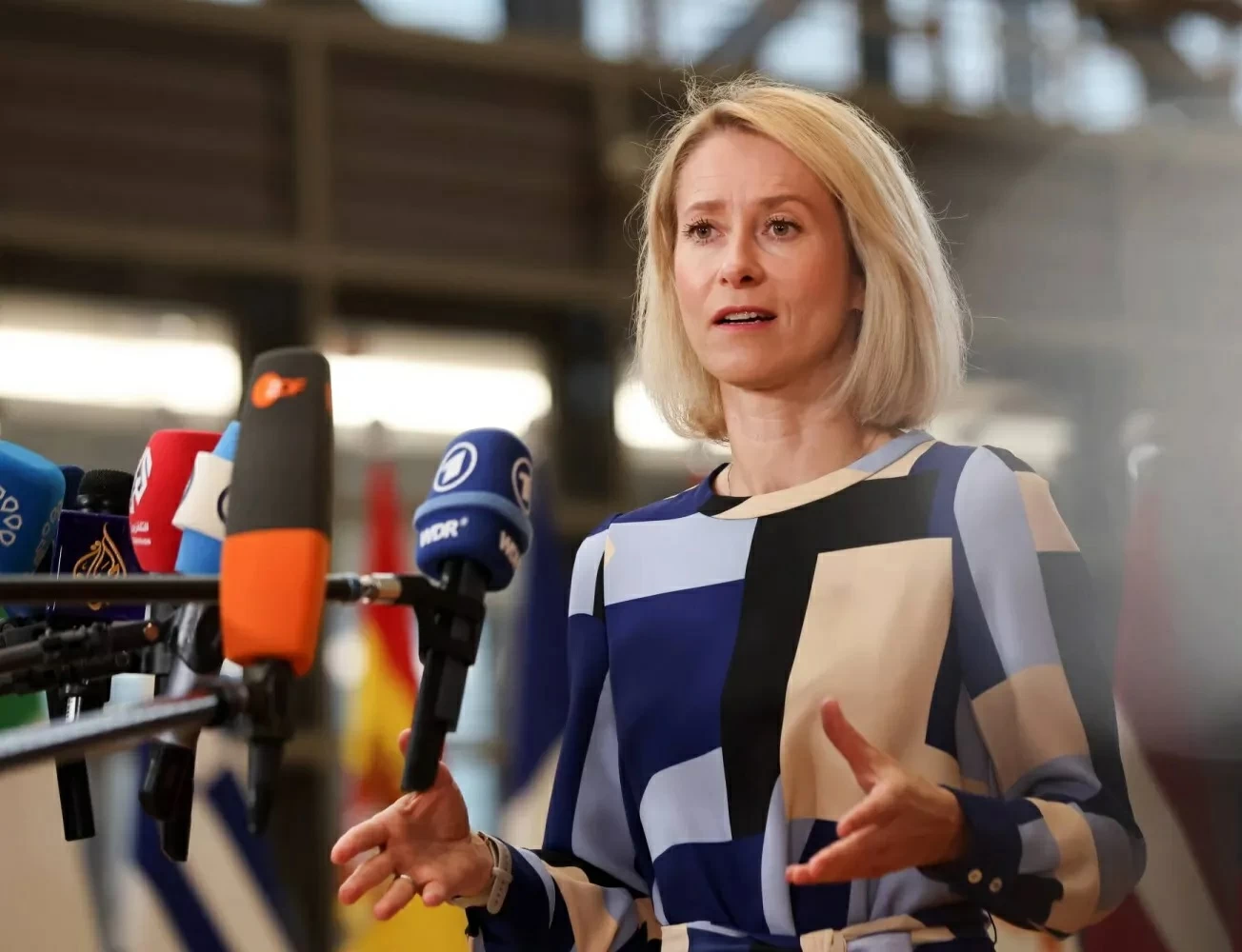
حذرت مسؤولة السياسة الخارجية في الاتحاد الأوروبي كايا كالاس، اليوم (الإثنين)، من تراجع قدرة مهمة «أسبيدس» البحرية على حماية الملاحة في البحر الأحمر، مؤكدة حاجة العملية بصورة عاجلة إلى مزيد من السفن الحربية والقدرات الجوية، في ظل استمرار هجمات مليشيا الحوثي على السفن التجارية في البحر الأحمر ومضيق باب المندب.
وقالت كالاس لدى وصولها إلى اجتماع وزراء دفاع دول الاتحاد الأوروبي في بروكسل، إن «أسبيدس» تواجه نقصاً حاداً في القطع البحرية، موضحة أن القوة الحالية لا تضم حتى العدد المستهدف عند إطلاق المهمة عام 2024، والمحدد بـ10 سفن حربية. وأضافت أن الاتحاد يتلقى طلبات عديدة لمرافقة وتأمين السفن التجارية عبر باب المندب، إلا أن تنفيذ هذه المهام يتطلب توفير سفن إضافية.
وكانت كالاس دعت دول الاتحاد الأسبوع الماضي إلى تعزيز «أسبيدس» بسفن وقدرات جوية إضافية، محذرة من أن هجمات الحوثيين وتدهور الوضع الأمني في البحر الأحمر يهددان المصالح الأوروبية والاقتصاد العالمي، فيما لم تتلق حتى الآن التزامات جديدة مؤكدة من الدول الأعضاء.
وأطلق الاتحاد الأوروبي «أسبيدس» في فبراير 2024 كمهمة دفاعية لحماية السفن التجارية من هجمات الحوثيين، وتتولى اليونان القيادة الإستراتيجية
The European Union's foreign policy chief, Kaia Kalas, warned today (Monday) of the declining capability of the "Aspida" naval mission to protect navigation in the Red Sea, emphasizing the urgent need for more warships and air capabilities, amid ongoing attacks by the Houthi militia on commercial vessels in the Red Sea and the Bab el-Mandeb Strait.
Kalas stated upon her arrival at the EU Defense Ministers' meeting in Brussels that "Aspida" is facing a severe shortage of naval assets, explaining that the current force does not even include the targeted number set at the launch of the mission in 2024, which is 10 warships. She added that the Union is receiving numerous requests to escort and secure commercial vessels through Bab el-Mandeb, but executing these missions requires the provision of additional ships.
Last week, Kalas urged EU countries to bolster "Aspida" with additional ships and air capabilities, warning that the Houthi attacks and the deteriorating security situation in the Red Sea threaten European interests and the global economy, while no new confirmed commitments have yet been received from member states.
The European Union launched "Aspida" in February 2024 as a defensive mission to protect commercial vessels from Houthi attacks, with Greece taking the strategic lead.