تصاعدت حدة المواجهة الروسية ـ الأوكرانية على أكثر من جبهة، بالتزامن مع تحذير أوروبي من مخططات روسية لتنفيذ أعمال تخريب جديدة في أوروبا، واتهامات روسية لبريطانيا بمحاولة توحيد ما تسميه موسكو «المعارضة الروسية» في الخارج.
وقالت مسؤولة السياسة الخارجية في الاتحاد الأوروبي كايا كالاس، اليوم (الإثنين)، إن تقارير استخباراتية تشير إلى أن روسيا تخطط لتنفيذ مزيد من أعمال التخريب والهجمات ضد دول أوروبية، داعية إلى اليقظة في مواجهة ما وصفته بمحاولات تستهدف تقسيم المجتمعات الأوروبية وترهيبها لثنيها عن مواصلة دعم أوكرانيا. جاءت تصريحات كالاس في بروكسل قبيل اجتماع وزراء دفاع الاتحاد الأوروبي، الذي يناقش تهديدات الحرب الهجينة وسبل تعزيز الاستجابة الأوروبية.
وفي موسكو، اتهم جهاز الأمن الفيدرالي الروسي بريطانيا بتكثيف جهودها منذ اندلاع الحرب لتوحيد تكتلات المعارضة الروسية في الخارج، وقال إن لندن وأجهزتها الاستخباراتية تستخدم هذه المجموعات ضمن ما وصفه بالحرب الهجينة ضد روسيا. واعتبر الجهاز أن روساً غادروا البلاد ويتعاطفون مع كييف يشاركون في هذه الأنشطة، ووصفهم بـ«فلاسوف 2.0»، في إشارة إلى الجنرال السوفيتي أندريه فلاسوف. كما اتهم الاستخبارات البريطانية بالإشراف على هذه التحركات بهدف إظهار وجود مركز قوة بديل قادر على الوصول إلى السلطة في موسكو، وهي اتهامات روسية لم تقدم لندن بشأنها، في المصادر المتاحة، رداً مماثلاً.
ميدانياً، أعلن رئيس مجلس الدوما الإقليمي في بيلغورود يوري كليبيكوف أن المنطقة تعرضت لأكثر من 1500 هجوم خلال أسبوع، أسفرت، وفق روايته، عن مقتل خمسة مدنيين وإصابة نحو 50 آخرين.
وفي المقابل، أعلنت وزارة الدفاع الروسية اعتراض وتدمير 254 طائرة مسيرة أوكرانية خلال الليل فوق مناطق روسية عدة، بينها بيلغورود وبريانسك وموسكو وكراسنودار والقرم، إضافة إلى مياه البحر الأسود وبحر آزوف.
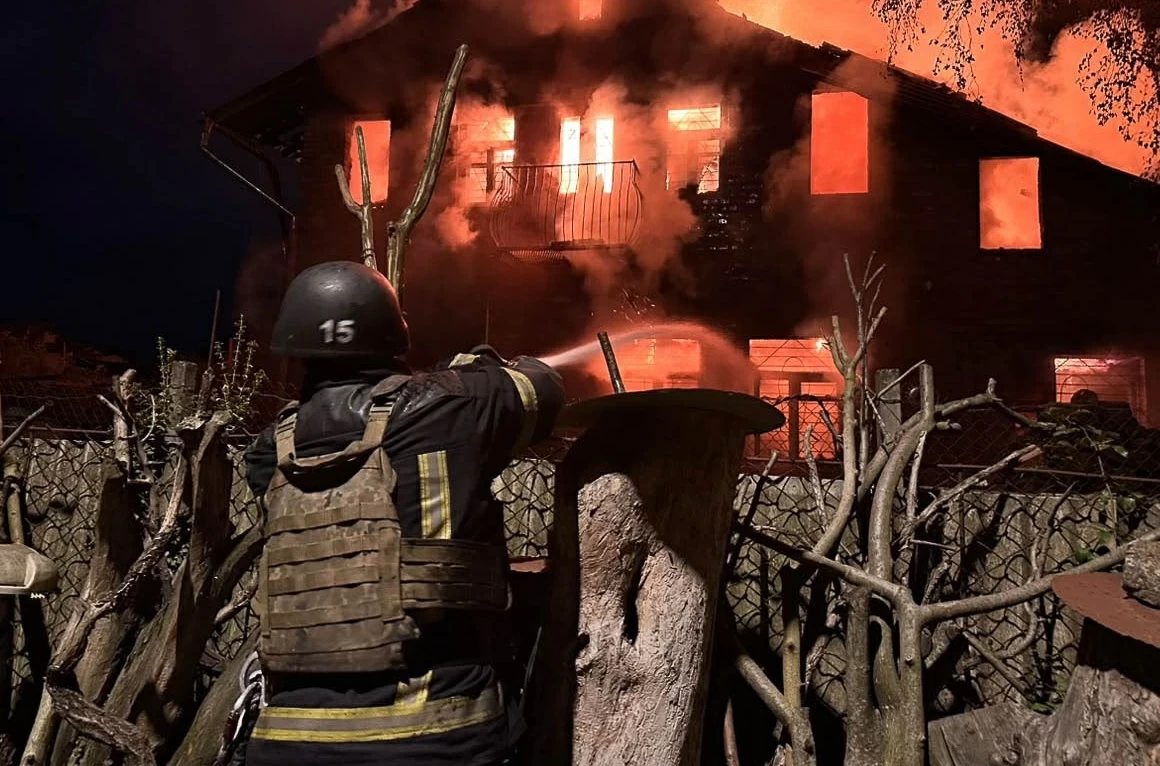
وفي الجانب الأوكراني، أعلن سلاح الجو أن روسيا شنت خلال الليل هجوماً بـ165 طائرة مسيرة، بينها مسيرات «شاهد» و«جيربيرا» وأخرى خداعية، مؤكداً إسقاط أو تعطيل 112 منها حتى السابعة صباحاً، مع تسجيل إصابات في 14 موقعاً وسقوط حطام في سبعة مواقع.
وتعكس هذه التطورات اتساع نطاق الحرب من جبهات القتال إلى العمقين الروسي والأوكراني، بالتوازي مع تصاعد المخاوف الأوروبية من انتقال المواجهة إلى ساحات «الحرب الهجينة» والتخريب والأمن الداخلي.
The intensity of the Russian-Ukrainian confrontation has escalated on multiple fronts, coinciding with a European warning about Russian plans to carry out new acts of sabotage in Europe, and Russian accusations against Britain of attempting to unify what Moscow calls the "Russian opposition" abroad.
European Union foreign policy chief Josep Borrell stated today (Monday) that intelligence reports indicate Russia is planning to carry out further acts of sabotage and attacks against European countries, urging vigilance against what he described as attempts aimed at dividing and intimidating European societies to deter them from continuing to support Ukraine. Borrell's remarks came in Brussels ahead of a meeting of EU defense ministers, which discusses the threats of hybrid warfare and ways to enhance the European response.
In Moscow, the Russian Federal Security Service accused Britain of intensifying its efforts since the outbreak of the war to unify clusters of the Russian opposition abroad, stating that London and its intelligence agencies are using these groups as part of what it described as a hybrid war against Russia. The agency considered that Russians who have left the country and sympathize with Kyiv are participating in these activities, referring to them as "Vlasov 2.0," in reference to Soviet General Andrei Vlasov. It also accused British intelligence of overseeing these movements with the aim of demonstrating the existence of an alternative power center capable of reaching authority in Moscow, a claim for which London has not provided a similar response in the available sources.
On the ground, the head of the regional Duma in Belgorod, Yuri Klepikova, announced that the region had been subjected to more than 1,500 attacks over the week, which, according to his account, resulted in the deaths of five civilians and injuries to about 50 others.
In contrast, the Russian Ministry of Defense announced the interception and destruction of 254 Ukrainian drones overnight over several Russian areas, including Belgorod, Bryansk, Moscow, Krasnodar, and Crimea, as well as over the Black Sea and the Sea of Azov.
On the Ukrainian side, the Air Force announced that Russia launched an attack overnight with 165 drones, including "Shahed" and "Gerbera" drones, as well as other decoy drones, confirming the downing or disabling of 112 of them by 7 AM, with injuries reported at 14 sites and debris falling in seven locations.
These developments reflect the widening scope of the war from the fronts of combat to the depths of both Russia and Ukraine, alongside rising European concerns about the confrontation shifting to the arenas of "hybrid warfare," sabotage, and internal security.