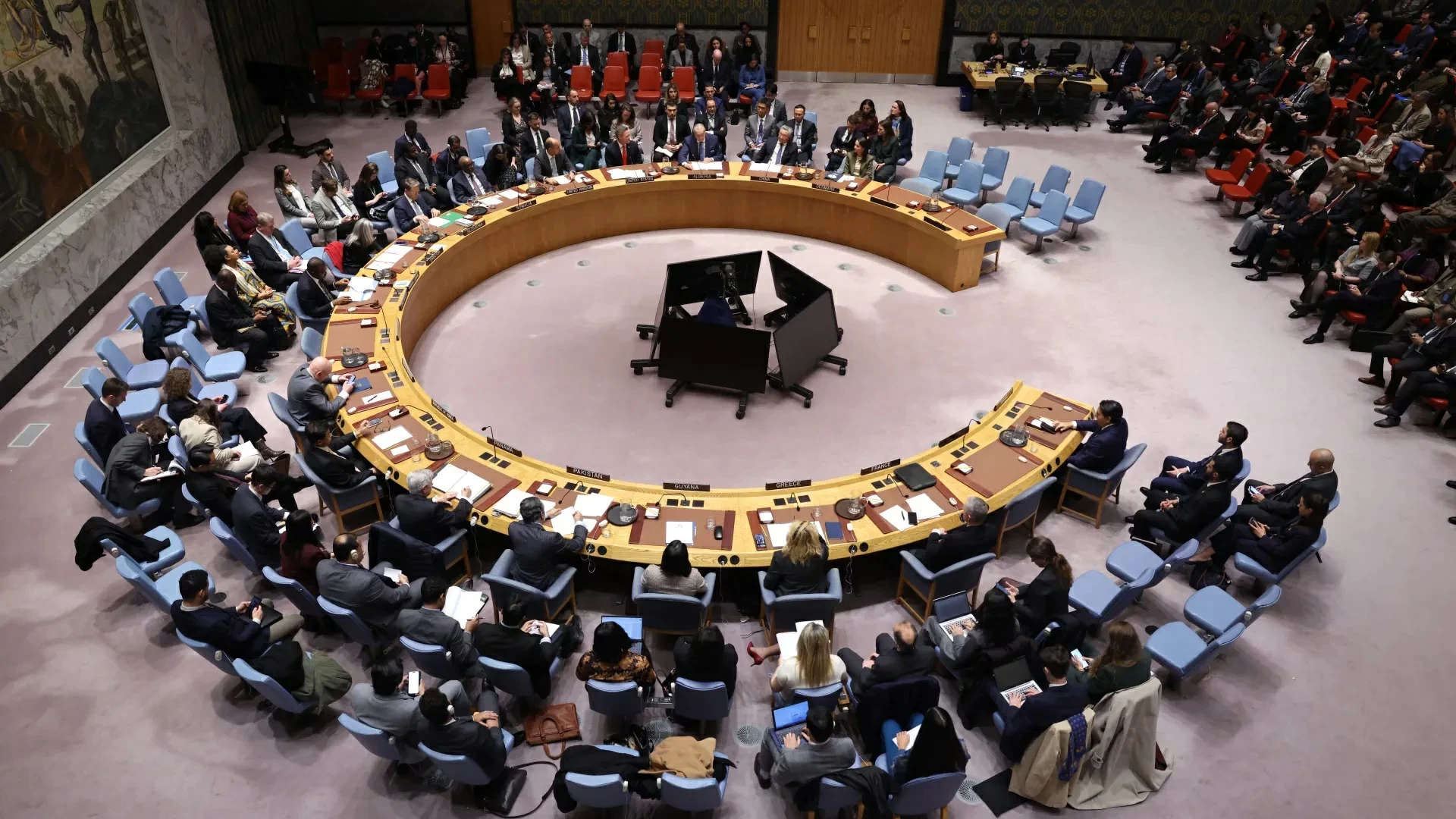
كشفت دبلوماسي أممي اليوم (السبت)، عن إعداد فرنسا مشروع قرار في مجلس الأمن الدولي التابع للأمم المتحدة يدعم حرية الملاحة في مضيق هرمز.
ونقلت وكالة «أسوشييتد برس» عن الدبلوماسي قوله: القرار سيؤكد مجدداً ضرورة احترام حرية الملاحة في المضيق، الذي يُعد إحدى بؤر التوتر في الحرب المرتبطة بإيران، نظراً لأهميته لحركة الشحن العالمية الحيوية للأمن الغذائي وأمن الطاقة، مضيفاً: مشروع القرار سيشدد على ضرورة احترام قانون البحار، ودعم المبادرات السلمية الرامية إلى ضمان المرور الآمن عبر المضيق.
وأشار الدبلوماسي إلى أن الرئيس الأمريكي دونالد ترمب والرئيس الفرنسي إيمانويل ماكرون ناقشا هذا الموضوع على هامش الاجتماعات السنوية للجمعية العامة للأمم المتحدة هذا الأسبوع، كما جرت مناقشته أيضاً مع دول عربية ومع إيران أيضاً.
وأكدت أمريكا بأن القوات الإيرانية لا تسيطر على المضيق الحيوي، مع انتشار القوات الأمريكية في محيطه، وحصارها للموانئ الإيرانية.
في المقابل، قال الرئيس الإيراني مسعود بزشكيان في مقابلة مع شبكة «سي بي إس نيوز» الأمريكية، إن بلاده لا تسعى إلى امتلاك سلاح نووي، مؤكدا استعدادها للسماح لمفتشي الوكالة الدولية للطاقة الذرية بدخول البلاد.
وأوضح الرئيس الإيراني أن المرشد الإيراني مجتبى خامنئي بصحة تامة، مشيرا إلى أن الإصابات التي تعرض لها في الوجه والساقين تعافت.
وقال بزشكيان، إنه التقى المرشد مرتين الأولى لنحو 3 ساعات والثانية لـ7 ساعات ونصف، مبيناً أن هيكلية القيادة هي وضع السياسات بينما يقع التنفيذ على عاتقنا وما نقوم بتطبيقه هو في إطار القوانين الموجودة.
وأضاف: لا مشكلة في الجانب التنفيذي ولكن يحدث بعض التأخير بالأمور المتعلقة بالمفاوضات وما تنتظره أمريكا ودول أخرى.
An UN diplomat revealed today (Saturday) that France is preparing a draft resolution in the United Nations Security Council supporting freedom of navigation in the Strait of Hormuz.
The Associated Press reported the diplomat saying: the resolution will reaffirm the necessity of respecting freedom of navigation in the strait, which is considered one of the hotspots in the war related to Iran, due to its importance for global shipping vital for food security and energy security. He added: the draft resolution will emphasize the need to respect international law of the sea and support peaceful initiatives aimed at ensuring safe passage through the strait.
The diplomat noted that U.S. President Donald Trump and French President Emmanuel Macron discussed this issue on the sidelines of the annual meetings of the United Nations General Assembly this week, and it was also discussed with Arab countries and with Iran as well.
The U.S. confirmed that Iranian forces do not control the vital strait, with U.S. forces deployed in its vicinity and blockading Iranian ports.
In contrast, Iranian President Masoud Pezeshkian stated in an interview with CBS News that his country does not seek to possess nuclear weapons, affirming its readiness to allow inspectors from the International Atomic Energy Agency to enter the country.
The Iranian president clarified that Iranian Supreme Leader Ali Khamenei is in good health, noting that the injuries he sustained to his face and legs have healed.
Pezeshkian mentioned that he met with the Supreme Leader twice, the first time for about 3 hours and the second for 7 and a half hours, indicating that the leadership structure is about setting policies while the implementation falls on us, and what we are applying is within the framework of existing laws.
He added: there is no problem on the executive side, but there is some delay regarding matters related to negotiations and what the U.S. and other countries are expecting.