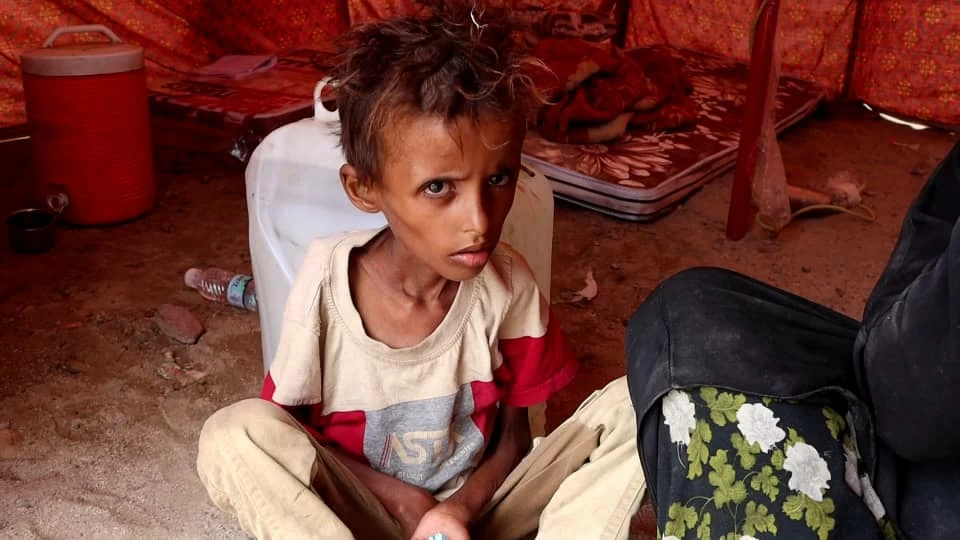
حذرت منظمة الأمم المتحدة للطفولة «اليونيسف»، اليوم (الجمعة)، من ارتفاع واضح في حالات سوء التغذية الحاد بين أطفال اليمن، بما في ذلك الحالات الأكثر خطورة، بالتزامن مع تعطل الوصول إلى المرافق الصحية ومراكز العلاج جراء التصعيد الحوثي، ما يضع حياة آلاف الأطفال أمام خطر متزايد ويعمق معاناة الأسر اليمنية.
وقال ممثل اليونيسف في اليمن أخيل آير، خلال إحاطة صحافية في جنيف عبر الفيديو من عدن: «نشعر بقلق بالغ إزاء الزيادة الواضحة في سوء التغذية الحاد بين الأطفال».
وتتوقع المنظمة أن يعاني نحو 500 ألف طفل من الهزال الشديد خلال عام 2026، وهو أخطر أشكال سوء التغذية الحاد، فيما تكشف بياناتها عن حجم الأزمة المتفاقمة؛ إذ يعاني 17% من الأطفال الهزال، و49% التقزم، و41% نقص الوزن، وهي معدلات من بين الأعلى في منطقة الشرق الأوسط وشمال أفريقيا.
وتقدر اليونيسف أن نحو 2.2 مليون طفل في اليمن يعانون سوء التغذية الحاد، بينما لا يحصل سوى 15% منهم على الحد الأدنى المقبول من الغذاء الضروري للنمو والتطور، ما يضع أعداداً كبيرة من الأطفال أمام مخاطر صحية تهدد نموهم وحياتهم.
وتتفاقم الأزمة بفعل الفقر ونقص الغذاء وتدهور خدمات الصحة والمياه والصرف الصحي وانتشار الأمراض. وبحلول مطلع 2026، كان 49% من سكان اليمن يواجهون انعداماً حاداً في الأمن الغذائي، فيما يحتاج نحو 19.7 مليون شخص إلى مساعدات إنسانية، بينهم 15 مليوناً من النساء والأطفال.
104 آلاف نازح خلال أسبوعين
وبحسب المنظمة، نزح أكثر من 104 آلاف شخص، بينهم أكثر من 57 ألف طفل، خلال أسبوعين فقط، فيما تعطلت الخدمات في 26 منشأة صحية تدعمها اليونيسف، ما يزيد صعوبة وصول الأطفال المرضى إلى العلاج في وقت تتفاقم فيه حاجاتهم الصحية والغذائية.
وحذرت المنظمة من أن تعطل المراكز الصحية يهدد الأطفال المصابين بالهزال الشديد، الذين يحتاجون إلى تشخيص مبكر وعلاج وأغذية علاجية متخصصة، فيما يعمل نحو 40% من المرافق الصحية في اليمن بشكل جزئي فقط أو خرجت من الخدمة، بسبب نقص الموظفين والتمويل والكهرباء والأدوية والمعدات ومشكلات البنية التحتية.
وتستهدف اليونيسف خلال 2026 إدخال أكثر من 412 ألف طفل يعانون الهزال الشديد إلى برامج العلاج، ضمن نداء إنساني بقيمة 146.3 مليون دولار لمساعدة 5.2 مليون شخص، بينهم 3.5 مليون طفل.
الحوثي يعرقل وصول الفرق الطبية
لكن استمرار القتال ورفض الحوثيين السماح للفرق الطبية بالوصول إلى مختلف المناطق التي تسيطر عليها يعرقل جهود الإغاثة والوصول إلى الأطفال المحتاجين، خصوصاً في ظل اختطاف المليشيا عدداً من الفرق الطبية المعنية بالتطعيم.
وفي ظل هذا الواقع، يجد الأطفال الأكثر ضعفاً أنفسهم في مواجهة مزدوجة مع الجوع والمرض، بينما تتقلص فرص وصولهم إلى العلاج والرعاية الصحية، ما يفاقم المخاطر الناجمة عن سوء التغذية ويجعل سرعة التدخل الطبي ووصول فرق الإغاثة أمراً حاسماً لإنقاذ الأطفال المحتاجين.
The United Nations Children's Fund (UNICEF) warned today (Friday) of a clear rise in cases of acute malnutrition among children in Yemen, including the most severe cases, coinciding with the disruption of access to health facilities and treatment centers due to the Houthi escalation, putting the lives of thousands of children at increased risk and deepening the suffering of Yemeni families.
UNICEF's representative in Yemen, Achim Steiner, stated during a press briefing in Geneva via video from Aden: "We are deeply concerned about the clear increase in acute malnutrition among children."
The organization expects that around 500,000 children will suffer from severe wasting by 2026, which is the most dangerous form of acute malnutrition. Its data reveals the scale of the worsening crisis; 17% of children suffer from wasting, 49% from stunting, and 41% from underweight, rates among the highest in the Middle East and North Africa.
UNICEF estimates that about 2.2 million children in Yemen are suffering from acute malnutrition, while only 15% of them receive the minimum acceptable amount of food necessary for growth and development, putting large numbers of children at health risks that threaten their growth and lives.
The crisis is exacerbated by poverty, food shortages, deteriorating health, water, and sanitation services, and the spread of diseases. By early 2026, 49% of Yemen's population was facing severe food insecurity, while about 19.7 million people needed humanitarian assistance, including 15 million women and children.
104,000 Displaced in Two Weeks
According to the organization, more than 104,000 people, including over 57,000 children, were displaced in just two weeks, while services in 26 health facilities supported by UNICEF were disrupted, making it more difficult for sick children to access treatment at a time when their health and nutritional needs are worsening.
The organization warned that the disruption of health centers threatens children suffering from severe wasting, who need early diagnosis, treatment, and specialized therapeutic foods, while about 40% of health facilities in Yemen are only partially operational or have ceased functioning due to a lack of staff, funding, electricity, medicines, equipment, and infrastructure issues.
UNICEF aims to enroll more than 412,000 children suffering from severe wasting into treatment programs during 2026, as part of a humanitarian appeal worth $146.3 million to assist 5.2 million people, including 3.5 million children.
Houthi Obstruction of Medical Teams' Access
However, the ongoing fighting and the Houthis' refusal to allow medical teams to access various areas under their control hinder relief efforts and access to needy children, especially in light of the militia's abduction of several vaccination teams.
In this reality, the most vulnerable children find themselves facing a dual threat of hunger and disease, while their chances of accessing treatment and healthcare are shrinking, exacerbating the risks associated with malnutrition and making the speed of medical intervention and the arrival of relief teams critical to saving the children in need.