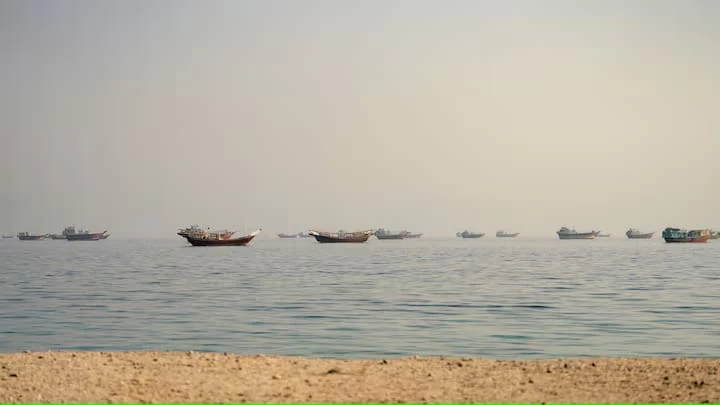
تبحث الولايات المتحدة وإيران في نيويورك مسارًا تفاوضيًا مرحليًا قد يمهد لإنهاء الحرب المستمرة بين البلدين منذ نحو سبعة أشهر، في وقت بات فيه مضيق هرمز محورًا رئيسيًا للمساومة، وسط طرح يقضي بإعادة فتح الممر الملاحي الاستراتيجي مقابل رفع الحصار الاقتصادي الأمريكي عن طهران.
ونقلت وكالة «رويترز» عن مصادر مطلعة على المفاوضات، أن التصور المطروح يقوم على أن تسمح إيران باستئناف حركة الملاحة عبر مضيق هرمز، مقابل إنهاء الحصار الاقتصادي الأمريكي، مع احتمال إتاحة الوصول إلى أصول إيرانية مجمدة.
ويُعد المضيق، الذي يمثل أحد أهم ممرات الطاقة في العالم، الورقة الرئيسية في الجهود الرامية إلى إنهاء الحرب، إذ تسعى طهران إلى تخفيف الضغوط الاقتصادية التي فرضتها واشنطن، بينما تريد الولايات المتحدة ضمان حرية الملاحة عبر طريق حيوي لنقل النفط والطاقة.
معضلة التنازلات
وتواجه المفاوضات عقبة أساسية تتمثل في تمسك كل طرف بأوراق الضغط التي يمتلكها، وعدم رغبته في تقديم تنازل أولًا دون الحصول على مقابل واضح.
وقال مسؤول إيراني بارز، على هامش اجتماعات الجمعية العامة للأمم المتحدة في نيويورك، إن أحد المسارات الممكنة للخروج من الأزمة يتمثل في حلها على مراحل، على أن تكون الخطوة الأولى إنهاء الحصار وإعادة فتح مضيق هرمز.
لكن التحدي لا يقتصر على صياغة اتفاق جديد، إذ يسعى المفاوضون أيضًا إلى ضمان أن تكون التنازلات المتبادلة قابلة للاستمرار بما يكفي لبناء الثقة بين الجانبين، خصوصاً بعدما انهار تفاهم سابق في يوليو الماضي.
ترمب وانتخابات التجديد النصفي
وكان الرئيس الأمريكي دونالد ترمب، قال إنه يعتقد أن الولايات المتحدة وإيران قد تتوصلان إلى اتفاق بعد انتخابات التجديد النصفي للكونغرس المقررة في 3 نوفمبر القادم، بينما أشار مسؤول أوروبي بارز إلى أن طهران لديها قائمة طويلة من المطالب.
وفي المقابل، قال مسؤول في البيت الأبيض إن إيران تسعى بشدة إلى التوصل لاتفاق، فيما يرى ترمب أن الولايات المتحدة تمتلك أوراق ضغط كبيرة، مضيفًا أن الرئيس الأمريكي لا يزال منفتحًا على الحوار مع طهران «في ظل الظروف المناسبة».
ونقل التقرير عن المسؤول الأمريكي قوله إن واشنطن ترى أن العقوبات والحصار الاقتصادي أضعفا الاقتصاد الإيراني بصورة كبيرة، بينما يفضل ترمب، وفقًا لتصريحات المسؤول، استمرار الضغط بدلًا من تقديم تنازلات تعتبرها واشنطن غير ضرورية.
من جانبه، قال المفاوض الأمريكي السابق دينيس روس إنه يرى احتمالًا بنسبة 30% للتوصل إلى اتفاق قبل انتخابات التجديد النصفي، مشيرًا إلى أن لدى الطرفين أسبابًا تدفعهما إلى إبرام اتفاق قبل الانتخابات وليس بعدها.
إيران تتمسك بالسيطرة على هرمز
وفي الوقت الذي تبحث فيه طهران عن مخرج دبلوماسي للأزمة، قال مسؤول إيراني إن بلاده تستعد أيضًا لاحتمال استئناف الحرب، واتهم واشنطن باستخدام الحصار الاقتصادي والتهديد بالقوة كأدوات للضغط.
كما أفادت مصادر إقليمية بأن إيران قد تكون مستعدة للتخلي عن مطلب الحصول على رسوم عبور السفن في مضيق هرمز من الاتفاق الرئيسي، ووضع هذا المطلب في ملحق منفصل، بعدما أصبحت مسألة إنهاء الحصار أكثر إلحاحًا بالنسبة لطهران.
ورفضت دول خليجية مقترح فرض رسوم عبور، فيما أوضحت المصادر أن أي ترتيب محتمل سيكون مؤقتًا ولن يمثل تخليًا رسميًا من إيران عن موقفها بشأن المضيق.
وبحسب مصادر مطلعة على المفاوضات، فإن القضية الأساسية بالنسبة لطهران لا تتمثل بالضرورة في فرض رسوم على المرور، وإنما في الحفاظ على سيطرتها الإدارية على الممر المائي الاستراتيجي.
رفض خليجي لأي سيطرة إيرانية
وأكدت دول الخليج رفضها لأي سيطرة إيرانية على مضيق هرمز، وشددت على ضرورة استعادة حرية الملاحة، وألا يتحول الممر الاستراتيجي إلى أداة للضغط على دول المنطقة.
وفي الوقت نفسه، دفعت الدول الخليجية باتجاه خفض التصعيد وفتح مسار سياسي، في ظل رغبة إقليمية في تجنب الانخراط في مواجهة جديدة بين الولايات المتحدة وإيران.
نافذة دبلوماسية ضيقة
وتشير التطورات إلى أن انتخابات التجديد النصفي الأمريكية قد تشكل عاملًا مؤثرًا في مسار المفاوضات، وإن لم تكن بالضرورة موعدًا نهائيًا للدبلوماسية.
ويرى محللون أن استمرار الخلاف حول أوراق الضغط قد يجعل التوصل إلى تسوية أكثر صعوبة، في وقت تخشى فيه الأطراف الإقليمية من أن يؤدي فشل المفاوضات إلى تصعيد جديد.
وبحسب مسؤول غربي مطلع على المفاوضات، فإن إعادة فتح مضيق هرمز تمثل جوهر المحادثات الجارية في نيويورك، في وقت يواجه فيه الطرفان ضغوطًا داخلية متزايدة للحفاظ على مصالحهما دون الانزلاق إلى مواجهة أوسع.
The United States and Iran are exploring a phased negotiation track in New York that could pave the way for ending the ongoing war between the two countries, which has lasted for about seven months. This comes as the Strait of Hormuz has become a key bargaining chip, with a proposal to reopen the strategic shipping lane in exchange for lifting the U.S. economic blockade on Tehran.
Reuters reported, citing sources familiar with the negotiations, that the proposed framework involves Iran allowing the resumption of navigation through the Strait of Hormuz in exchange for ending the U.S. economic blockade, with the possibility of granting access to frozen Iranian assets.
The strait, which represents one of the most important energy corridors in the world, is the main leverage in efforts to end the war, as Tehran seeks to alleviate the economic pressures imposed by Washington, while the United States wants to ensure freedom of navigation through a vital route for oil and energy transport.
The Dilemma of Concessions
The negotiations face a fundamental obstacle represented by each party's insistence on holding onto its leverage and its unwillingness to make the first concession without receiving a clear counteroffer.
An Iranian official, on the sidelines of the United Nations General Assembly meetings in New York, stated that one possible pathway out of the crisis involves resolving it in phases, with the first step being the end of the blockade and the reopening of the Strait of Hormuz.
However, the challenge is not limited to drafting a new agreement, as negotiators also seek to ensure that mutual concessions are sustainable enough to build trust between the two sides, especially after a previous understanding collapsed last July.
Trump and the Midterm Elections
U.S. President Donald Trump stated that he believes the United States and Iran could reach an agreement after the upcoming midterm congressional elections scheduled for November 3. Meanwhile, a senior European official noted that Tehran has a long list of demands.
In contrast, a White House official said that Iran is keen to reach an agreement, while Trump believes the U.S. holds significant leverage, adding that the American president remains open to dialogue with Tehran "under the right conditions."
The report quoted the U.S. official as saying that Washington sees the sanctions and economic blockade as having significantly weakened the Iranian economy, while Trump prefers, according to the official's statements, to maintain pressure rather than make concessions that Washington deems unnecessary.
For his part, former U.S. negotiator Dennis Ross said he sees a 30% chance of reaching an agreement before the midterm elections, noting that both sides have reasons to finalize an agreement before the elections rather than afterward.
Iran Insists on Control Over Hormuz
While Tehran seeks a diplomatic exit from the crisis, an Iranian official stated that the country is also preparing for the possibility of resuming the war, accusing Washington of using the economic blockade and threats of force as pressure tools.
Regional sources reported that Iran may be willing to drop the demand for transit fees for ships in the Strait of Hormuz from the main agreement and place this demand in a separate annex, as the issue of ending the blockade has become more urgent for Tehran.
Gulf states have rejected the proposal to impose transit fees, while sources clarified that any potential arrangement would be temporary and would not represent an official abandonment by Iran of its position regarding the strait.
According to sources familiar with the negotiations, the core issue for Tehran is not necessarily the imposition of transit fees, but rather maintaining its administrative control over the strategic waterway.
Gulf Rejection of Any Iranian Control
The Gulf states have confirmed their rejection of any Iranian control over the Strait of Hormuz, emphasizing the need to restore freedom of navigation and ensuring that the strategic corridor does not become a tool for pressure on the countries of the region.
At the same time, the Gulf states have pushed for de-escalation and the opening of a political track, amid regional desires to avoid engaging in a new confrontation between the United States and Iran.
Narrow Diplomatic Window
Developments indicate that the upcoming U.S. midterm elections may serve as a significant factor influencing the course of negotiations, although they are not necessarily a deadline for diplomacy.
Analysts believe that the ongoing disagreement over leverage may make reaching a settlement more difficult, at a time when regional parties fear that the failure of negotiations could lead to new escalation.
According to a Western official familiar with the negotiations, reopening the Strait of Hormuz represents the essence of the ongoing talks in New York, as both sides face increasing internal pressures to safeguard their interests without slipping into a broader confrontation.