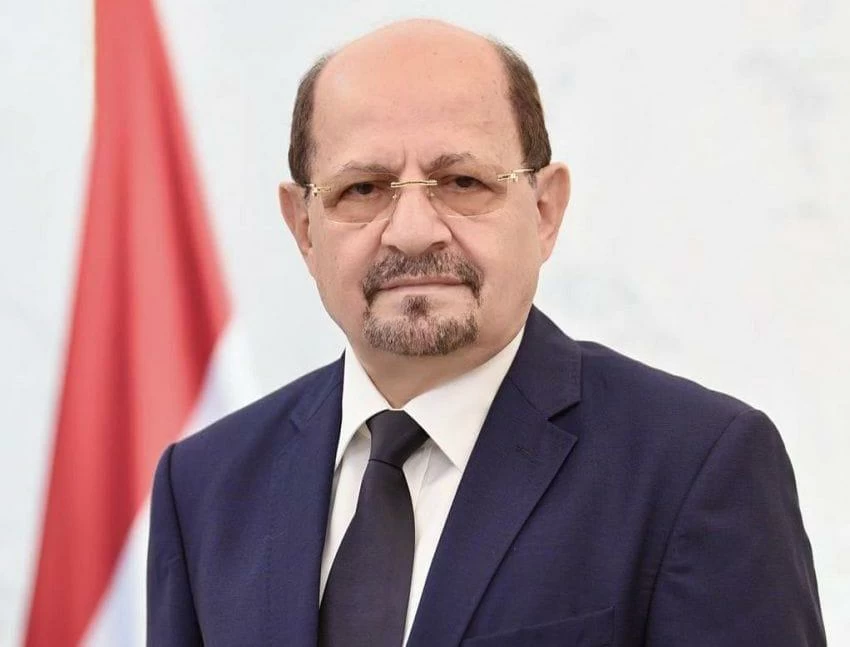
أدان رئيس الوزراء اليمني الدكتور شائع الزنداني الاعتداءات الإرهابية المتكررة التي تنفذها مليشيا الحوثي على أراضي المملكة العربية السعودية بالصواريخ والطائرات المسيّرة، مستهدفة الأعيان المدنية والمنشآت الحيوية، مشيراً إلى أن تلك الاعتداءات لا يمكن فصلها عن التصعيد العسكري في الساحل الغربي، باعتبارها جزءاً من مشروع تخريبي مدعوم إيرانياً، يتجاوز استهداف الشعب اليمني إلى تهديد أمن دول الجوار والمصالح الإقليمية والدولية.
واعتبر الزنداني خلال لقائه نائب رئيس مجلس النواب اليمني محمد الشدادي، أن التصعيد الحوثي لم يعد شأناً عسكرياً داخلياً، بل يمثل تهديداً شاملاً للأمن الوطني والإقليمي، في ظل الدعم الإيراني الممنهج للمليشيا وتحويلها الأراضي والمياه اليمنية إلى منصة لتهديد أمن المنطقة والمصالح الدولية، مؤكداً أن المرحلة الراهنة تتطلب أعلى درجات التماسك الوطني وتكامل أدوار مؤسسات الدولة، وعدم السماح للمليشيا الحوثية وداعميها الإقليميين بفرض وقائع جديدة على حساب اليمن وأمن المنطقة واستقرارها، مستعرضاً خلال اللقاء مستجدات التصعيد العسكري الخطير الذي تقوده مليشيا الحوثي الإرهابية، مؤكداً أهمية التنسيق بين السلطتين التنفيذية والتشريعية لتوحيد الموقف الوطني وتعزيز تماسك مؤسسات الدولة في مواجهة التطورات الراهنة.
ووقف اللقاء أمام الانتهاكات الحوثية بحق المدنيين والنازحين، وما يتطلب من إيصال حقيقتها إلى المجتمع الدولي وتحميله مسؤولياته تجاه هذه الجرائم، إضافة إلى أولوية دعم الجبهات، ورعاية النازحين والمتضررين، وتعزيز الاستقرار في المناطق المحررة، بما يسهم في استعادة المبادرة وفرض سلطة الدولة على كامل الأراضي اليمنية.
من جانبه، أكد نائب رئيس مجلس النواب محمد الشدادي وقوف المؤسسة التشريعية إلى جانب جهود مجلس القيادة الرئاسي والحكومة والقوات المسلحة، ودعمها كل الإجراءات الكفيلة بحماية الدولة ومؤسساتها وسيادتها، مشدداً على أهمية وحدة الصف الوطني وتكامل جهود مؤسسات الدولة لمواجهة التحديات الراهنة.
The Yemeni Prime Minister Dr. Sha'if Al-Zindani condemned the repeated terrorist attacks carried out by the Houthi militia on the territory of the Kingdom of Saudi Arabia using missiles and drones, targeting civilian objects and vital facilities. He pointed out that these attacks cannot be separated from the military escalation on the western coast, as they are part of an Iranian-backed destructive project that goes beyond targeting the Yemeni people to threatening the security of neighboring countries and regional and international interests.
During his meeting with the Deputy Speaker of the Yemeni Parliament, Muhammad Al-Shaddadi, Al-Zindani considered that the Houthi escalation is no longer an internal military matter but represents a comprehensive threat to national and regional security, in light of the systematic Iranian support for the militia and its transformation of Yemeni land and waters into a platform to threaten the security of the region and international interests. He emphasized that the current phase requires the highest levels of national cohesion and the integration of state institutions' roles, and not allowing the Houthi militia and its regional supporters to impose new realities at the expense of Yemen and the security and stability of the region. He reviewed during the meeting the developments of the dangerous military escalation led by the terrorist Houthi militia, stressing the importance of coordination between the executive and legislative authorities to unify the national position and enhance the cohesion of state institutions in facing the current developments.
The meeting addressed the Houthi violations against civilians and displaced persons, and the need to convey their reality to the international community and hold it accountable for these crimes, in addition to prioritizing support for the fronts, caring for the displaced and affected, and enhancing stability in the liberated areas, which contributes to restoring initiative and imposing the authority of the state over all Yemeni territories.
For his part, Deputy Speaker of the Parliament Muhammad Al-Shaddadi affirmed the legislative institution's support for the efforts of the Presidential Leadership Council, the government, and the armed forces, and its backing for all measures that protect the state, its institutions, and its sovereignty, stressing the importance of national unity and the integration of state institutions' efforts to face the current challenges.