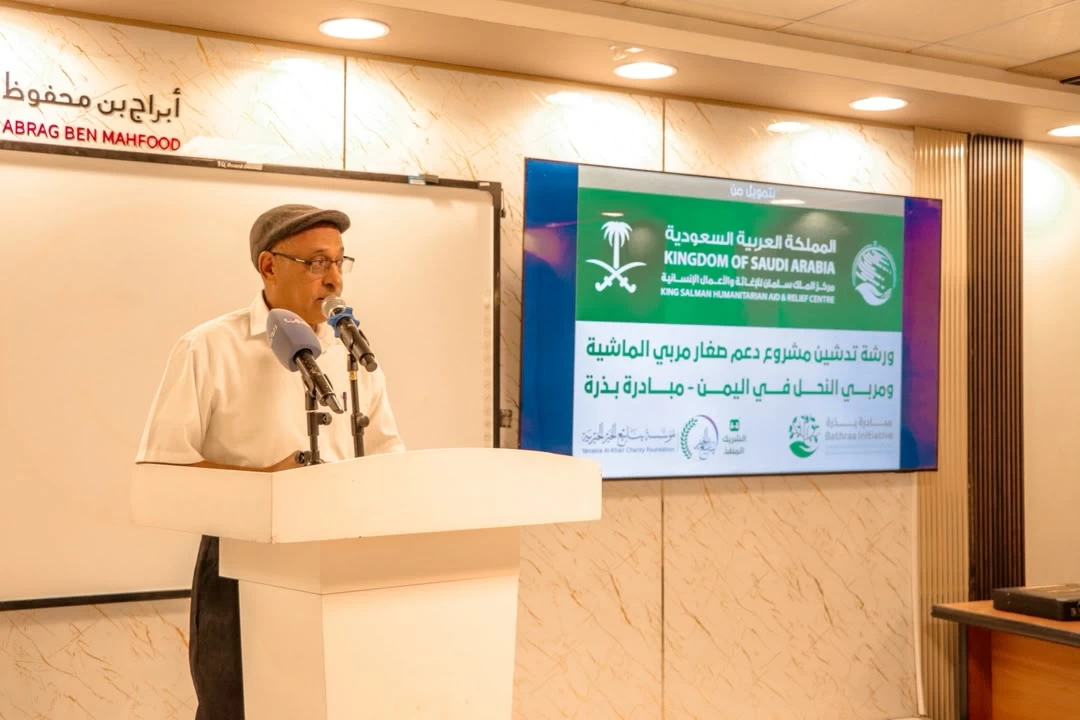
في إطار الدعم المتواصل الذي تقدمه السعودية عبر ذراعها الإنساني مركز الملك سلمان للإغاثة والأعمال الإنسانية للنهوض بالقطاعات الحيوية والتنموية في اليمن، دشّن المركز بمحافظة حضرموت مشروع دعم صغار مربي الماشية ومربي النحل «مبادرة بذرة»، والذي تنفذه مؤسسة ينابيع الخير الخيرية، مستهدفاً 990 مستفيداً من صغار المنتجين في محافظتي حضرموت وسقطرى.
وتأتي هذه المبادرة النوعية في إطار مساعي المركز الحثيثة لتعزيز منظومة الأمن الغذائي وتحسين سبل العيش في المجتمعات الريفية، بما يسهم في تحقيق الاستقرار الاقتصادي وتمكين الأسر المستهدفة من الاعتماد على الذات وتطوير مصادر دخلها المستدامة.
إشادة حكومية بالدعم السعودي
وأشاد وكيل محافظة حضرموت المساعد لشؤون الشباب ومنظمات المجتمع المدني الدكتور مراد باعلوي، بجهود المملكة والدور الريادي لـ «مركز الملك سلمان للإغاثة» في تمكين صغار المنتجين والارتقاء بالقطاع الزراعي والثروة الحيوانية والنحل، مؤكداً استعداد السلطة المحلية لتقديم كافة التسهيلات اللازمة وتذليل العقبات لإنجاح المشروع وتحقيق أهدافه.
التدشين لبذرة في حضرموت
شهد حفل التدشين حضور مشرف الوحدة التنسيقية لأعمال مركز الملك سلمان للإغاثة بمحافظة حضرموت عبدالعزيز باوزير، وممثل وزارة الزراعة والري والثروة السمكية الدكتور عبدالعزيز زعبل، إلى جانب جمع من المسؤولين والمختصين في القطاع الزراعي وممثلي منظمات المجتمع المدني.
ويمتد المشروع على مدى 12 شهراً، يستهدف خلالها مديريات (الريدة وقصيعر، القطن، وتريم) بمحافظة حضرموت، ومديريتي (حديبو وقلنسية) بمحافظة سقطرى، عبر حزمة متكاملة تشمل دعم مربي الماشية والنحل، واستصلاح الأراضي الزراعية، وتعزيز الصناعات التحويلية، وتأسيس مجموعات لإنتاج الأعلاف المحلية، إضافة إلى تقديم الدعم لجمعية «مطيهن» التعاونية.
دعم تنموي وتأهيل فني
ويتضمن البرنامج تنفيذ دورات تدريبية وتأهيلية متخصصة، وتقديم الاستشارات الفنية الميدانية، وتوفير الأصول والمدخلات الإنتاجية والمعدات اللازمة، مع استمرار الزيارات الإرشادية والمتابعة الميدانية؛ بهدف رفع كفاءة الإنتاج، وتحسين جودة المنتجات، وخفض تكاليف التشغيل، وتعزيز قدرة صغار المنتجين على المنافسة والوصول الفاعل إلى الأسواق المحلية.
As part of the ongoing support provided by Saudi Arabia through its humanitarian arm, the King Salman Humanitarian Aid and Relief Center, to uplift vital and developmental sectors in Yemen, the center launched a project in Hadhramaut Governorate to support small livestock breeders and beekeepers called "Seed Initiative," which is implemented by the Good Springs Charity Foundation, targeting 990 beneficiaries from small producers in the Hadhramaut and Socotra governorates.
This qualitative initiative comes within the center's diligent efforts to enhance the food security system and improve livelihoods in rural communities, contributing to achieving economic stability and enabling targeted families to become self-reliant and develop their sustainable income sources.
Government Praise for Saudi Support
The Assistant Undersecretary of Hadhramaut Governorate for Youth Affairs and Civil Society Organizations, Dr. Murad Baalawi, praised the Kingdom's efforts and the pioneering role of the "King Salman Relief Center" in empowering small producers and advancing the agricultural, livestock, and beekeeping sectors, affirming the local authority's readiness to provide all necessary facilities and overcome obstacles to ensure the project's success and achieve its goals.
التدشين لبذرة في حضرموت
The inauguration ceremony was attended by the supervisor of the coordination unit for the King Salman Relief Center's work in Hadhramaut, Abdulaziz Baouzeir, and a representative from the Ministry of Agriculture, Irrigation, and Fisheries, Dr. Abdulaziz Zaabal, along with a group of officials and specialists in the agricultural sector and representatives from civil society organizations.
The project will extend over 12 months, targeting the districts of (Al-Rida, Qusayr, Qatn, and Tarim) in Hadhramaut Governorate, and the districts of (Hadibo and Qalansiyah) in Socotra Governorate, through a comprehensive package that includes support for livestock and beekeepers, land reclamation, enhancing value-added industries, establishing groups for local feed production, in addition to providing support to the "Matiheen" cooperative association.
Developmental Support and Technical Rehabilitation
The program includes implementing specialized training and rehabilitation courses, providing field technical consultations, and supplying production assets, inputs, and necessary equipment, along with ongoing advisory visits and field follow-ups; aimed at increasing production efficiency, improving product quality, reducing operating costs, and enhancing small producers' ability to compete and effectively access local markets.