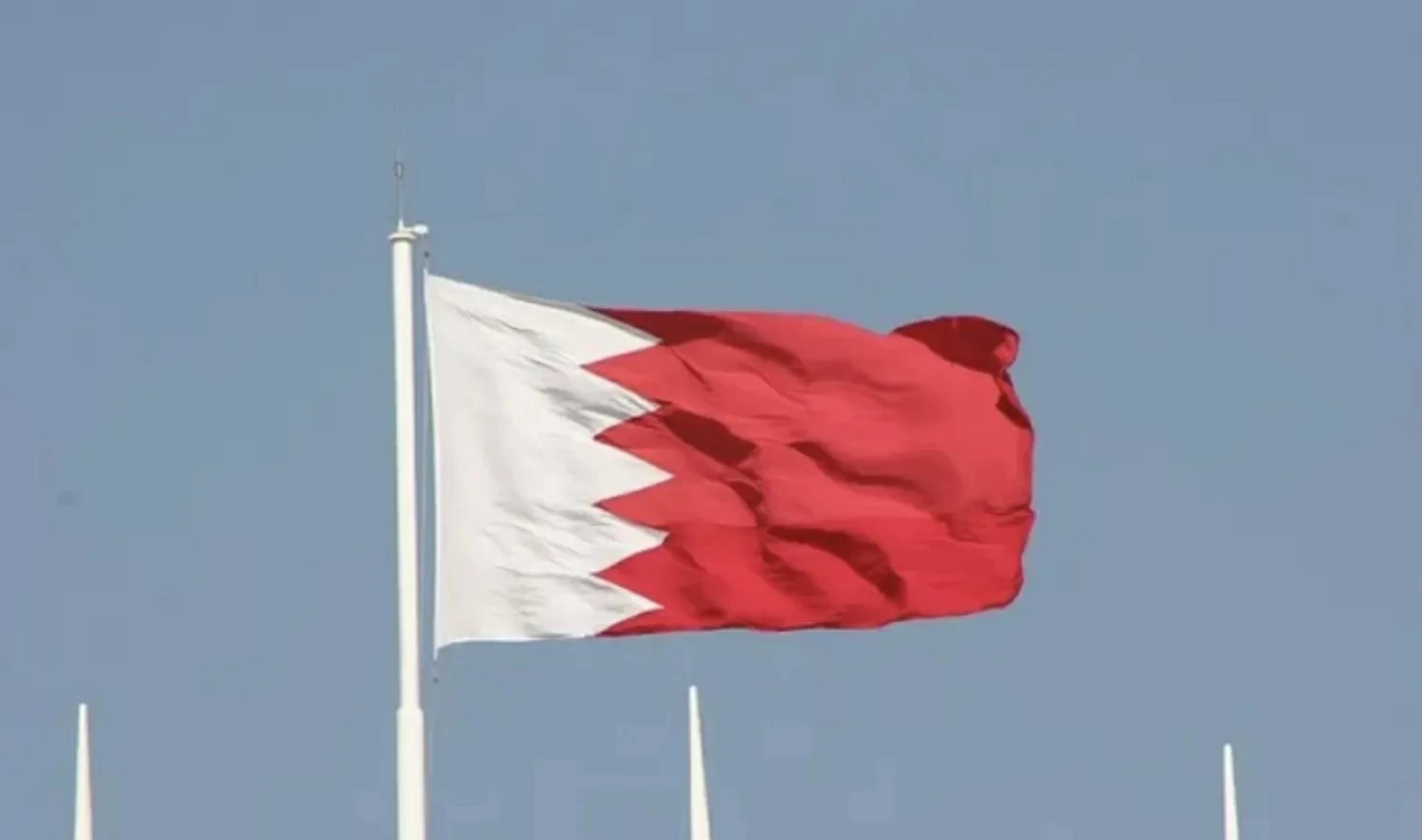
أعلنت البحرين اليوم (السبت)، عدم مشاركتها في الاجتماع الوزاري الذي تستضيفه سلطنة عُمان والذي يضم إيران بشأن الأوضاع في مضيق هرمز، مؤكدة أنها لن تكون طرفاً في أي اجتماع يضم إيران قبل عودة العلاقات الدبلوماسية.
وقالت وزارة الخارجية البحرينية في بيان نشرته وكالة الأنباء الرسمية (بنا): إن هذا الموقف سبق إبلاغه إلى سلطنة عمان عبر القنوات الرسمية، ولا ينتقص من تقدير المملكة لمساعيهم المخلصة ولا من التزامها بالحوار سبيلاً لتسوية الخلافات، مبينة أن الحوار لا يقوم على تجاوز الوقائع.
وأوضحت البحرين أنها تعرضت لاعتداءات استهدفت بنيتها التحتية وأعيانها المدنية، كاد أحدها، باستهداف خزان للأمونيا، أن يفضي إلى كارثة شاملة.
وأضافت البحرين: إن استهداف خط أنابيب النفط «شرق غرب» في السعودية يؤكد أن استهداف المنشآت المدنية والاقتصادية خطر ماثل لا أمر انقضى، مبينة أن أمن واستقرار المنطقة لا يُبنى على التغاضي عن الاعتداءات، ولا يُشترى بالسكوت عن آثارها ولا يُصان بسياسة الاسترضاء.
وشددت البحرين على تمسكها بحسن الجوار بوصفه التزاماً قانونياً لا مجاملة سياسية، مؤكدة أن السلام يستند على 4 أسس تتجسد في: وقف الاعتداءات، وقيام المسؤولية الدولية عنها وجبر ما ترتب عليها من ضرر، واحترام سيادة الدول وعدم استخدام إقليم أي دولة منطلقاً للاعتداء على جيرانها، وتسوية المسائل العالقة بالطرق القانونية.
وجددت البحرين موقفها الثابت بأن أي ترتيب يخص الملاحة في مضيق هرمز يجب أن يستند إلى اتفاقية الأمم المتحدة لقانون البحار لعام 1982، وأن يُعتمد من المنظمة البحرية الدولية، وأن يصون حق المرور العابر لجميع السفن دون تمييز أو رسوم أو تصاريح، وأن تُسهم فيه دول مجلس التعاون لدول الخليج العربية كافة، لاتصال أمن الممر بأمن إمداداتها.
Bahrain announced today (Saturday) that it will not participate in the ministerial meeting hosted by the Sultanate of Oman, which includes Iran regarding the situation in the Strait of Hormuz, confirming that it will not be a party to any meeting that includes Iran before the return of diplomatic relations.
The Bahraini Ministry of Foreign Affairs stated in a statement published by the official news agency (BNA) that this position had previously been communicated to the Sultanate of Oman through official channels, and it does not diminish the Kingdom's appreciation for their sincere efforts nor its commitment to dialogue as a means to resolve disputes, indicating that dialogue cannot overlook the facts.
Bahrain clarified that it has been subjected to attacks targeting its infrastructure and civilian entities, one of which, by targeting an ammonia tank, nearly led to a comprehensive disaster.
Bahrain added that the targeting of the "East-West" oil pipeline in Saudi Arabia confirms that the targeting of civilian and economic facilities is a present danger, not a matter that has passed, indicating that the security and stability of the region cannot be built on overlooking attacks, nor can it be bought by remaining silent about their consequences, nor can it be preserved by a policy of appeasement.
Bahrain emphasized its commitment to good neighborliness as a legal obligation, not a political courtesy, affirming that peace is based on four foundations embodied in: stopping attacks, establishing international responsibility for them and compensating for the resulting damage, respecting the sovereignty of states and not using the territory of any state as a launch point for attacks on its neighbors, and resolving outstanding issues through legal means.
Bahrain reiterated its firm position that any arrangement concerning navigation in the Strait of Hormuz must be based on the United Nations Convention on the Law of the Sea of 1982, and must be approved by the International Maritime Organization, and must preserve the right of innocent passage for all ships without discrimination, fees, or permits, and that all Gulf Cooperation Council countries should contribute to it, as the security of the corridor is connected to the security of its supplies.