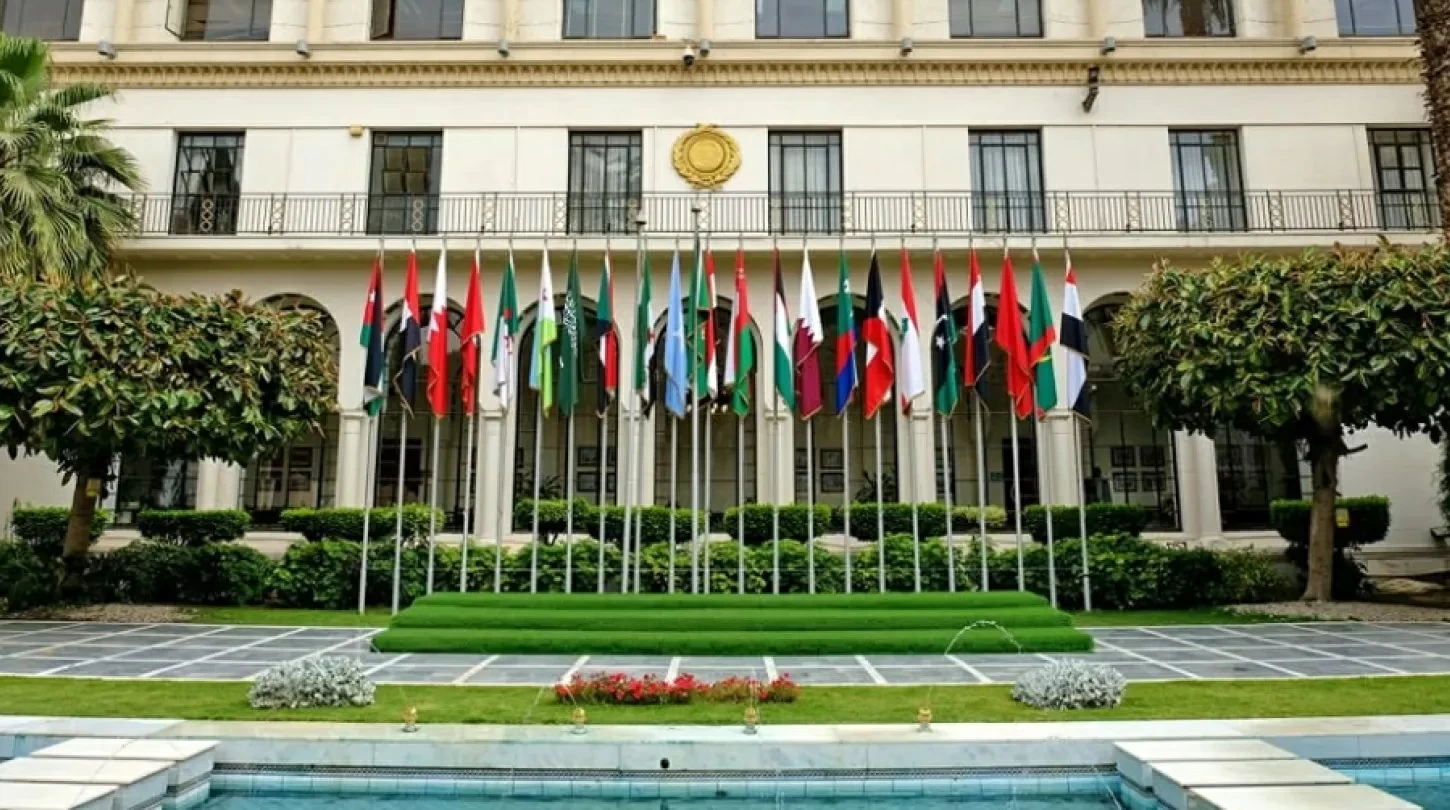
دان الأمين العام لجامعة الدول العربية نبيل فهمي، بأشد العبارات، الاستهداف الذي تعرّض له خط أنابيب شرق–غرب في منطقتي الرياض والمدينة المنورة، بعدد من المسيّرات القادمة من الأراضي العراقية نتج عنه إصابات بشرية ومادية.
ووصف الأمين العام للجامعة العربية الاستهداف باعتباره انتهاكاً سافراً لسيادة المملكة، وتهديداً خطيراً لأمنها واستقرارها، وخرقاً واضحاً لقواعد القانون الدولي وميثاق الأمم المتحدة.
وشدد فهمي على أن استهداف البنية التحتية والمنشآت النفطية وخطوط نقل الطاقة يُمثّل تهديداً مباشراً لأمن الطاقة واستقرار الاقتصاد الإقليمي والدولي، مؤكداً رفض الجامعة العربية القاطع لاستخدام أراضي أي دولة عربية منطلقاً لشن هجمات على دولة عربية أخرى، أو المساس بأمنها واستقرارها.
وأكد الأمين العام تضامن جامعة الدول العربية الكامل مع المملكة العربية السعودية، ووقوفها إلى جانبها في كل ما تتخذه من إجراءات مشروعة وضرورية لصون سيادتها وحماية أمنها ومقدّراتها الوطنية، وضمان سلامة مواطنيها والمقيمين على أراضيها.
وأعرب عن تقديره لقرار المملكة العربية السعودية التي آثرت عدم الرد في الوقت الحالي لإتاحة الفرصة للحكومة العراقية لاتخاذ الإجراءات اللازمة لمنع تكرار مثل هذه الاعتداءات التي تستهدف الجوار العربي، انطلاقاً من الأراضي العراقية، بما يعزز مبادئ حسن الجوار ويحفظ الأمن والاستقرار الإقليميين.
وكانت وزارة الخارجية السعودية قد أعلنت أن خط أنابيب «شرق–غرب» في منطقتي الرياض والمدينة المنورة تعرض لعدة استهدافات بطائرات مسيّرة قادمة من الأراضي العراقية، ما أسفر عن وقوع إصابات بشرية وأضرار مادية يجري التعامل معها.
وأكدت المملكة، في بيان رسمي، أنها قررت عدم الرد في المرحلة الحالية بناءً على طلب رئيس الوزراء العراقي، لإتاحة الفرصة للحكومة العراقية لاتخاذ الإجراءات اللازمة لمنع تكرار الهجمات المنطلقة من الأراضي العراقية ضد السعودية ودول الجوار، مع احتفاظها بحق اتخاذ جميع الإجراءات الضرورية لحماية سيادتها وأمنها ومنشآتها ومواطنيها والمقيمين على أراضيها.
وبالتزامن، أعلنت وزارة الطاقة السعودية إيقاف خط «شرق–غرب» احترازياً عقب تعرضه لعدة استهدافات صباح الخميس 10 سبتمبر، مشيرة إلى أن الهجمات أسفرت عن إصابات، فيما باشرت فرق الطوارئ والفرق الفنية المختصة أعمالها لتأمين الخط والتحقق من سلامته وفق خطط الطوارئ وإجراءات السلامة المعتمدة، بالتنسيق مع الجهات ذات العلاقة.
ويكتسب خط «شرق–غرب» أهمية إستراتيجية بالنسبة إلى صادرات النفط السعودية، إذ ينقل الخام من مناطق الإنتاج في شرق المملكة إلى ميناء ينبع على ساحل البحر الأحمر، بما يوفر للمملكة مساراً لتصدير النفط بعيداً عن مضيق هرمز. وتزداد أهمية هذا المسار في ظل الاضطرابات التي تشهدها حركة الملاحة في المنطقة والتهديدات التي تطال طرق تصدير الطاقة.
The Secretary-General of the Arab League, Nabil Fahmy, strongly condemned the targeting of the East-West pipeline in the Riyadh and Medina regions, which was hit by a number of drones coming from Iraqi territory, resulting in human and material injuries.
The Secretary-General described the targeting as a blatant violation of the sovereignty of the Kingdom, a serious threat to its security and stability, and a clear breach of international law and the United Nations Charter.
Fahmy emphasized that the targeting of infrastructure, oil facilities, and energy transmission lines represents a direct threat to energy security and the stability of the regional and international economy, affirming the Arab League's firm rejection of the use of any Arab country's territory as a launchpad for attacks on another Arab country or to undermine its security and stability.
The Secretary-General confirmed the full solidarity of the Arab League with the Kingdom of Saudi Arabia, standing by it in all measures it takes that are legitimate and necessary to preserve its sovereignty and protect its security and national resources, ensuring the safety of its citizens and residents on its territory.
He expressed his appreciation for the decision of the Kingdom of Saudi Arabia to refrain from responding at this time to allow the Iraqi government the opportunity to take necessary measures to prevent the recurrence of such attacks targeting the Arab neighborhood from Iraqi territory, thereby enhancing the principles of good neighborliness and preserving regional security and stability.
The Saudi Ministry of Foreign Affairs had announced that the "East-West" pipeline in the Riyadh and Medina regions had been subjected to several drone attacks coming from Iraqi territory, resulting in human injuries and material damage that are being addressed.
The Kingdom confirmed, in an official statement, that it decided not to respond at this stage based on a request from the Iraqi Prime Minister, to allow the Iraqi government the opportunity to take necessary measures to prevent the recurrence of attacks launched from Iraqi territory against Saudi Arabia and neighboring countries, while reserving the right to take all necessary measures to protect its sovereignty, security, facilities, citizens, and residents on its territory.
Simultaneously, the Saudi Ministry of Energy announced the precautionary suspension of the "East-West" pipeline following several attacks on Thursday, September 10, noting that the attacks resulted in injuries, while emergency teams and specialized technical teams began their work to secure the pipeline and verify its safety according to emergency plans and approved safety procedures, in coordination with the relevant authorities.
The "East-West" pipeline holds strategic importance for Saudi oil exports, as it transports crude oil from production areas in the eastern part of the Kingdom to the port of Yanbu on the Red Sea coast, providing the Kingdom with a route for oil exports away from the Strait of Hormuz. The importance of this route increases in light of the disruptions affecting maritime navigation in the region and the threats to energy export routes.