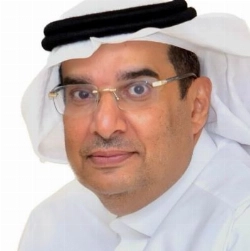
أكد رئيس مجلس السيادة السوداني وقائد الجيش الفريق أول عبدالفتاح البرهان أن قوات الدعم السريع «لن يكون لها دور في الدولة السودانية» بعد انتهاء الحرب، مشدداً على أن الحوار الوطني سيقتصر على القوى السياسية والمدنية، ولن يسمح لأي طرف بتحقيق مكاسب سياسية نتيجة حمل السلاح.
وقال البرهان، خلال لقائه وفداً من الإعلاميين المشاركين في «منتدى قضايا الإعلام» بالخرطوم، إن الدولة ملتزمة بتنفيذ مخرجات الحوار الوطني التي تصب في مصلحة الشعب السوداني، مؤكداً أن المشاركين فيه هم من يسعون إلى بناء الدولة على أسس العدالة والمساواة.
وأضاف: «لن تكون هناك مليشيا داخل الدولة بانتهاء الحرب»، مجدداً استبعاد قوات الدعم السريع من أي دور مستقبلي، على خلفية ما اتهمها بارتكابه من «انتهاكات وفظائع» بحق السودانيين، كما أكد تمسكه بموقفه من «اتفاق جدة».
اتهامات لقوى سياسية
وتطرق البرهان إلى التطورات السياسية التي سبقت اندلاع الحرب، متهماً القيادية في حزب الأمة القومي مريم الصادق المهدي، ووزير رئاسة مجلس الوزراء السابق خالد عمر يوسف، والقيادي في «التجمع الاتحادي» بابكر فيصل، بمحاولة إقناعه باتفاق بديل عن «الاتفاق الإطاري».
وقال إن العرض كان يستهدف السيطرة على الجهاز التنفيذي والاستمرار في الحكم لمدة 10 سنوات، مؤكداً أنه رفضه «تماماً». ولم يقدم البرهان تفاصيل عن توقيت العرض أو بنوده، فيما لم ترد الشخصيات الثلاث على الاتهامات. وجدد رئيس مجلس السيادة موقفه من إجراءات 25 أكتوبر 2021، قائلاً إن ما حدث «لم يكن انقلاباً، بل تصحيحاً لمسار الثورة».
واتهم حكومة رئيس الوزراء السابق عبدالله حمدوك الأولى بالعجز عن بناء الدولة والسعي إلى «تمكين الأحزاب على حساب المؤسسات الرسمية»، مشيراً إلى أن حمدوك كان موافقاً على حل الحكومة وتشكيل أخرى قادرة على بناء الدولة.
رفض حظر الأسلحة
وفي ما يتعلق بالتحركات الدولية بشأن حظر الأسلحة على السودان، أكد البرهان أن القرار المزمع طرحه أمام مجلس الأمن «لن يمر»، وأنه لن يؤثر على الجيش أو موقفه الميداني. وتأتي تصريحاته بعدما كشف مسؤول أمريكي عن اعتزام واشنطن المطالبة بتوسيع نطاق قرار مجلس الأمن 1591، ليشمل حظر الأسلحة ونظام العقوبات كامل الأراضي السودانية بدلاً من اقتصاره على دارفور.
وكشف البرهان أن الخرطوم وجهت دعوة إلى الجانب الأمريكي لزيارة السودان والاطلاع ميدانياً على الأوضاع، لكنها «لم تجد استجابة»، مجدداً دعوته للمسؤولين الأمريكيين للوقوف على ما وصفها بـ«حقائق الوضع على أرض الواقع». واستعاد البرهان الأشهر الأولى من الحرب، واصفاً إياها بأنها كانت «قاسية»، مشيراً إلى سقوط مواقع عسكرية عدة في أيدي قوات الدعم السريع، باستثناء سلاح المدرعات، ما دفع الجيش إلى تنفيذ عمليات إسقاط جوي لإيصال الغذاء والأدوية إلى قواته داخل القيادة العامة.
وأشاد بتضحيات السودانيين خلال الحرب، داعياً إلى توثيقها للأجيال القادمة، كما أعرب عن تقديره للدول التي قال إنها وقفت إلى جانب السودان خلال الحرب.
The Chairman of the Sudanese Sovereign Council and Commander of the Army, Lieutenant General Abdel Fattah al-Burhan, confirmed that the Rapid Support Forces "will have no role in the Sudanese state" after the war ends, emphasizing that the national dialogue will be limited to political and civil forces, and that no party will be allowed to achieve political gains as a result of carrying arms.
Al-Burhan stated during his meeting with a delegation of journalists participating in the "Media Issues Forum" in Khartoum that the state is committed to implementing the outcomes of the national dialogue that serve the interests of the Sudanese people, affirming that those participating in it are the ones striving to build the state on the foundations of justice and equality.
He added: "There will be no militia within the state after the war," reiterating the exclusion of the Rapid Support Forces from any future role, based on what he accused them of committing in terms of "violations and atrocities" against Sudanese citizens, and he reaffirmed his position on the "Jeddah Agreement."
Accusations Against Political Forces
Al-Burhan addressed the political developments that preceded the outbreak of the war, accusing leaders in the National Umma Party, Mariam al-Sadiq al-Mahdi, former Minister of the Presidency of the Council of Ministers Khalid Omar Youssef, and leader in the "Federal Alliance" Babiker Faisal, of attempting to convince him of an alternative agreement to the "framework agreement."
He stated that the proposal aimed to control the executive body and continue in power for 10 years, affirming that he completely rejected it. Al-Burhan did not provide details about the timing of the proposal or its terms, while the three figures did not respond to the accusations. The Chairman of the Sovereign Council reiterated his position on the measures of October 25, 2021, stating that what happened "was not a coup, but a correction of the course of the revolution."
He accused the government of former Prime Minister Abdullah Hamdok of being unable to build the state and seeking to "empower the parties at the expense of official institutions," pointing out that Hamdok had agreed to dissolve the government and form another capable of building the state.
Rejection of the Arms Embargo
Regarding international moves concerning an arms embargo on Sudan, Al-Burhan confirmed that the decision intended to be presented to the Security Council "will not pass," and that it will not affect the army or its field position. His statements come after an American official revealed Washington's intention to call for expanding the scope of Security Council Resolution 1591 to include an arms embargo and a sanctions regime across all Sudanese territory instead of being limited to Darfur.
Al-Burhan revealed that Khartoum had invited the American side to visit Sudan to see the situation on the ground, but it "did not receive a response," reiterating his call for American officials to witness what he described as "the realities of the situation on the ground." He recalled the first months of the war, describing them as "harsh," noting the fall of several military sites into the hands of the Rapid Support Forces, except for the armored corps, which prompted the army to carry out air drops to deliver food and medicine to its forces inside the General Command.
He praised the sacrifices of Sudanese citizens during the war, calling for their documentation for future generations, and expressed his appreciation for the countries he said stood by Sudan during the war.