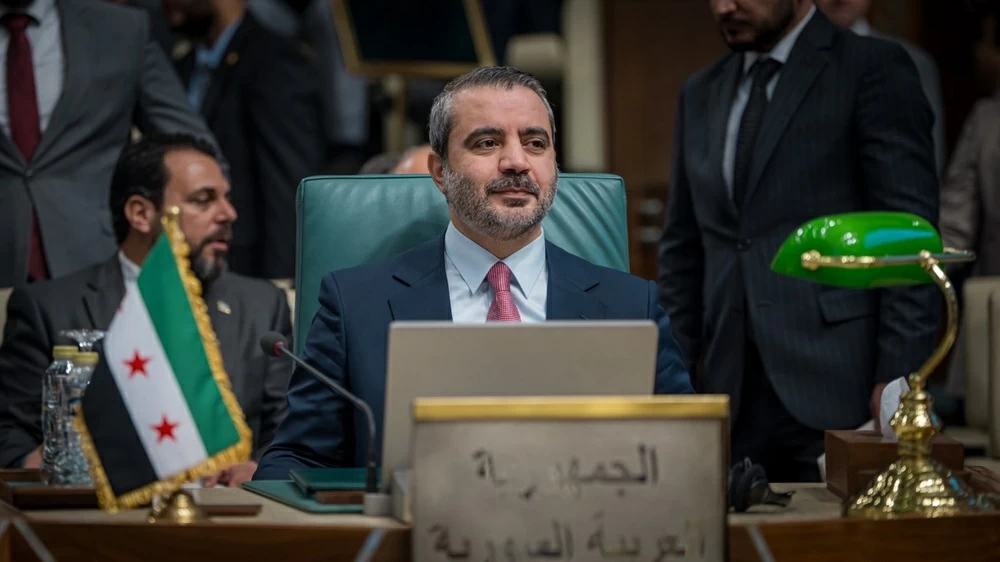
أكد وزير الخارجية السوري أسعد الشيباني أن سورية تطوي نهائياً حقبة امتدت لنحو 15 عاماً من الحرب والدمار، مشيراً إلى أن بلاده «عادت إلى مكانتها وأهلها كتفاً وسنداً لا حملاً وعبئاً»، وأنها تمضي نحو التعافي والنهوض وإعادة بناء مؤسسات الدولة.
وقال الشيباني، خلال كلمة سورية أمام اجتماع مجلس جامعة الدول العربية على المستوى الوزاري في دورته العادية الـ166، إن دمشق تستند في المرحلة الجديدة إلى صمود الشعب السوري، موضحاً أن عودة سورية إلى مقعدها في الجامعة العربية تمثل إغلاقاً نهائياً لحقبة سابقة.
وأشار إلى أن مشاركة سورية في اجتماعات الجامعة أُلغيت في نوفمبر 2011، معتبراً أن «اليوم بعد كل هذه الأعوام نغلق تلك الحقبة وتبعاتها نهائياً»، لافتاً إلى أن 15 عاماً تركت آثاراً ثقيلة على الاقتصاد والمجتمع ومؤسسات الدولة.
وأضاف الشيباني أن الاقتصاد السوري «ينهض من تحت الركام»، فيما تجري إعادة بناء مؤسسات الدولة ومعالجة الجراح المجتمعية التي خلفها النظام السابق، عبر مسار يقوم على العدالة والمصارحة.
وفي ما يتعلق بالوضع في السويداء، أكد أن دمشق تمضي بهدوء في تنفيذ خريطة الطريق الثلاثية التي جرى العمل عليها مع الأردن لإرساء السلام في المحافظة، وضمان اندماجها في نسيجها الوطني وتمتع أبنائها بكامل حقوق المواطنة وواجباتها.
وشدد على أن الحكومة السورية ستقف بحزم أمام أي محاولة لتقويض هذا المسار، مؤكداً أن «حصرية السلاح وقرار الردع هو حق سيادي مطلق بيد الدولة»، معتبراً ذلك أساساً لحماية السوريين في وطن واحد، وقطع الطريق أمام دورات العنف.
وأضاف أن دمشق اختارت الحوار طريقاً لعودة المهجرين وإعادة البناء، موضحاً أن المرحلة الجديدة تستهدف الانتقال من إدارة الأزمات إلى إعادة إعمار البلاد وتحويل سورية من «بلد مأساوي تضرب به الأمثال إلى سورية النهضة والتقدم».
وأشار الشيباني إلى أن السوريين، خلال نحو 20 شهراً، تمكنوا بقيادة الرئيس أحمد الشرع من تحقيق خطوات وصفها بالمحورية، كان إنجازها يبدو في السابق «ضرباً من المستحيل»، على حد تعبيره.
وقال إن سورية طوت «حقبة الاستبداد الدامية» التي استنزفت أرواح السوريين وهجرت الملايين، وبدأت تأسيس عهد جديد يقوم على العدل والسيادة، مشيراً إلى إفراغ السجون وتفكيك الأجهزة الأمنية التابعة للنظام السابق، بما سمح للسوريين، بحسب تعبيره، بـ«تنفس عبق الحرية».
وفي ملف العدالة، أوضح وزير الخارجية السوري أن السلطات عملت على دمج الفصائل المسلحة وإعادة بناء الجيش الوطني على أساس حصر السلاح بيد الدولة، كما تمت إحالة آلاف المتورطين في جرائم حرب ضد الشعب السوري إلى القضاء، إلى جانب السماح لمنظمات حقوق الإنسان المستقلة بممارسة دورها بصورة علنية.
وعلى صعيد وحدة الأراضي السورية، قال الشيباني إن دمشق «وحدت البلاد وأسقطت مشاريع التقسيم»، مشيراً إلى ما وصفه بـ«قصة نجاح وطنية» في شمال شرق البلاد، تمثلت في استعادة مؤسسات الدولة حضورها في المنطقة عبر تفاهم سلمي.
وأضاف أن ذلك تزامن مع قرارات أنهت عقوداً من التهميش، وأعادت للأكراد «حقوقهم المشروعة كاملة»، ورسخت مكانتهم باعتبارهم «ركناً أساسياً في الهوية السورية الجامعة».
وأكد أن هذه التطورات تثبت قدرة السوريين على معالجة جراحهم بأنفسهم، وتحويل التنوع الثقافي إلى «طاقة بناء» تحافظ على وحدة البلاد واستقلالها.
وفي قطاعي الأمن والدفاع، أوضح أن دمشق أعادت هيكلة المؤسسات الوطنية لتتولى حماية الحدود وصون السيادة، ورسخت عقيدة عسكرية تستهدف إنهاء فوضى السلاح وحصر حق الردع بيد الدولة.
The Syrian Foreign Minister, Asaad Al-Shibani, confirmed that Syria is definitively closing a chapter that has lasted nearly 15 years of war and destruction, pointing out that his country has "returned to its position and its people as a shoulder and support, not a burden and a liability," and that it is moving towards recovery, resurgence, and the rebuilding of state institutions.
Al-Shibani stated, during Syria's speech at the Arab League Council meeting at the ministerial level in its 166th regular session, that Damascus is relying in this new phase on the resilience of the Syrian people, explaining that Syria's return to its seat in the Arab League represents a definitive closure of a previous era.
He noted that Syria's participation in the League's meetings was suspended in November 2011, considering that "today, after all these years, we are closing that era and its repercussions definitively," pointing out that 15 years have left heavy impacts on the economy, society, and state institutions.
Al-Shibani added that the Syrian economy is "rising from the rubble," while the rebuilding of state institutions and addressing the societal wounds left by the previous regime is underway, through a path based on justice and transparency.
Regarding the situation in Sweida, he confirmed that Damascus is calmly proceeding with the implementation of the tripartite roadmap that has been worked on with Jordan to establish peace in the governorate, ensuring its integration into the national fabric and allowing its citizens to enjoy all their rights and duties of citizenship.
He emphasized that the Syrian government will firmly stand against any attempt to undermine this path, asserting that "the exclusivity of arms and the right to deterrence is an absolute sovereign right of the state," considering this a foundation for protecting Syrians in one homeland and cutting off the path to cycles of violence.
He added that Damascus has chosen dialogue as the way for the return of the displaced and reconstruction, explaining that the new phase aims to transition from crisis management to rebuilding the country and transforming Syria from a "tragic country that serves as an example to Syria of resurgence and progress."
Al-Shibani pointed out that Syrians, over nearly 20 months, have managed, under the leadership of President Ahmad Al-Shara, to achieve what he described as pivotal steps, the achievement of which previously seemed "a kind of impossible," as he put it.
He stated that Syria has closed the "bloody era of tyranny" that drained the lives of Syrians and displaced millions, and has begun to establish a new era based on justice and sovereignty, noting the emptying of prisons and dismantling of the security apparatuses of the previous regime, which allowed Syrians, in his words, to "breathe the fragrance of freedom."
In the justice file, the Syrian Foreign Minister clarified that the authorities have worked on integrating armed factions and rebuilding the national army based on the exclusivity of arms in the hands of the state, and thousands of those involved in war crimes against the Syrian people have been referred to the judiciary, in addition to allowing independent human rights organizations to carry out their role publicly.
On the issue of the unity of Syrian territory, Al-Shibani stated that Damascus "unified the country and thwarted division projects," referring to what he described as a "national success story" in the northeast of the country, represented in the restoration of state institutions' presence in the region through peaceful understanding.
He added that this coincided with decisions that ended decades of marginalization and restored to the Kurds "their full legitimate rights," solidifying their status as "an essential pillar in the collective Syrian identity."
He affirmed that these developments demonstrate the Syrians' ability to address their wounds themselves and transform cultural diversity into "a building energy" that preserves the unity and independence of the country.
In the security and defense sectors, he clarified that Damascus has restructured national institutions to take on the responsibility of protecting borders and preserving sovereignty, and has established a military doctrine aimed at ending the chaos of arms and confining the right to deterrence in the hands of the state.