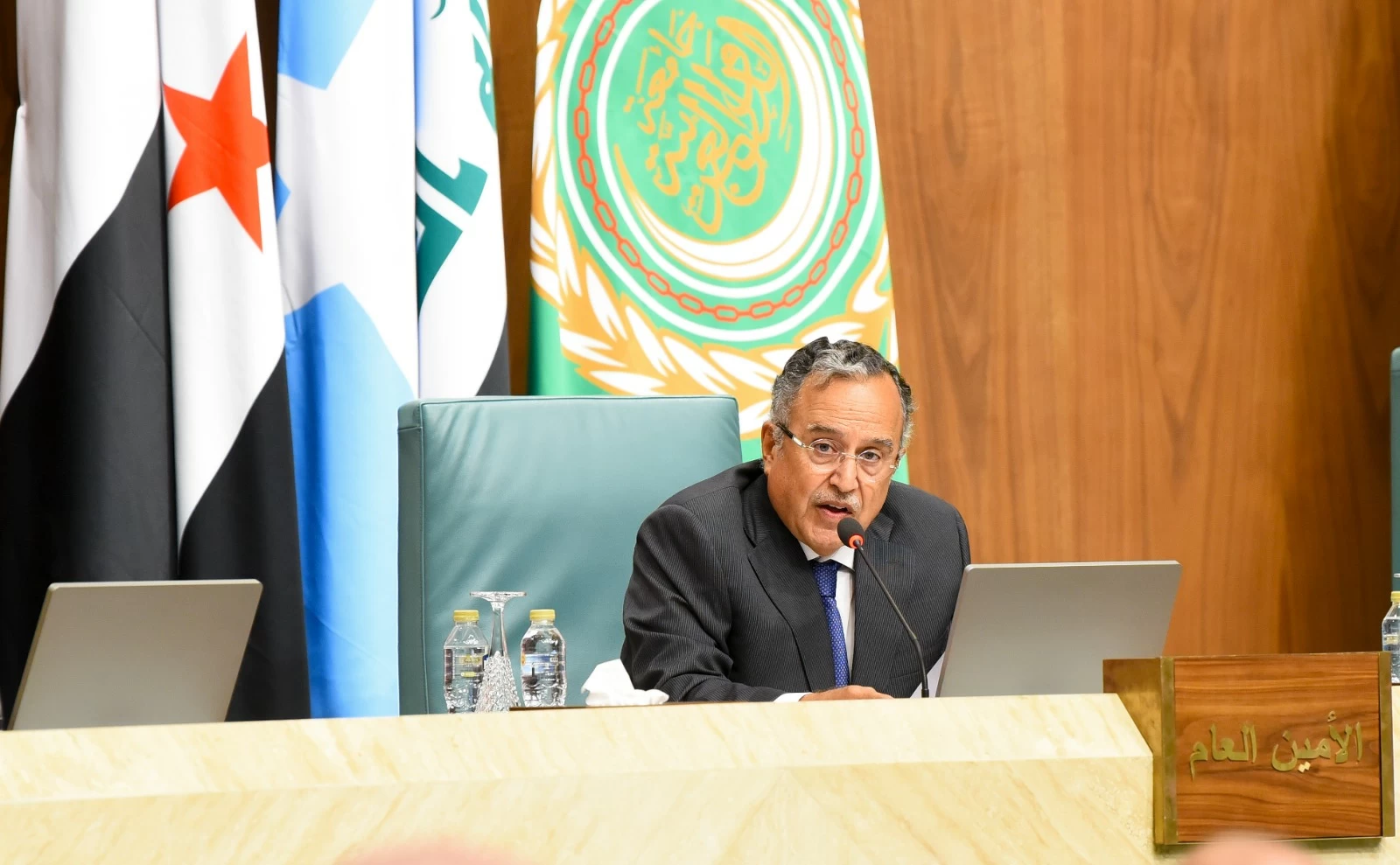
طرح الأمين العام لجامعة الدول العربية نبيل فهمي، اليوم (الإثنين)، ملامح أجندته للمرحلة القادمة، في أول اجتماع لمجلس الجامعة على المستوى الوزاري منذ توليه منصبه، داعياً إلى الانتقال بالعمل العربي المشترك من «القول إلى الفعل»، في ظل ما وصفه بتغليب «قانون القوة على قوة القانون».
وقال فهمي، خلال الجلسة الافتتاحية للدورة الـ166 لمجلس الجامعة إن العالم والشرق الأوسط يمران بمرحلة دقيقة تتسم بانتهاكات القانون الدولي، واستهداف المدنيين، واتساع النزاعات وسباقات التسلح، وتصاعد التطرف والكراهية، إلى جانب اللجوء إلى القوة والاستيلاء على أراضي الغير والتدخل في الشؤون الداخلية وتهديد حرية الملاحة.
وحذر من أن المنطقة تشهد إعادة تشكيل تفرض «تحديات ومخاطر وجودية»، مؤكداً أن القرار السيادي العربي لا يتحقق بالانعزال أو الاعتماد المفرط على الآخرين، وأن التكامل العربي يعزز القدرات الوطنية ولا ينتقص منها.
«التصدي والتطوير والتنمية»
وحدد فهمي ثلاثة محاور لأجندة عربية جديدة هي «التصدي والتطوير والتنمية»، تشمل تعزيز الأمن القومي العربي بمفهومه الشامل، والتطوير الإنساني والمؤسسي، ودفع التنمية المستدامة وتعزيز التعاون بين الدول العربية.
وأعلن اعتزامه التواصل مع القادة ووزراء الخارجية العرب لبلورة هذه الأجندة، مؤكداً أن العمل العربي المشترك يجب أن يتسم بالمبادرة والفاعلية وأن «يغلب الفعل على القول».
وكشف توجهه إلى تطوير الجامعة بما يمكنها من استشراف المخاطر قبل وقوعها وإدارة الأزمات عند حدوثها، معلناً العمل على بلورة «مركز للتميز» ليكون منصة عربية للخبرة والتحليل الإستراتيجي، مع إعطاء الأولوية للدبلوماسية الوقائية والإنذار المبكر وإدارة الأزمات ودعم جهود التسوية.
كما أعلن نيته الاستفادة من شخصيات عربية بارزة عبر مجلس استشاري، وتعيين مبعوثين خاصين لبعض الملفات ذات الأولوية.
فلسطين في صدارة الأولويات
وأكد الأمين العام أن فلسطين «قضيتنا الإقليمية الأولى»، مشيراً إلى مقتل نحو 300 طفل فلسطيني في غزة خلال نحو 300 يوم منذ وقف إطلاق النار، بمعدل «طفل كل يوم تقريباً»، متهماً إسرائيل بالمماطلة في تنفيذ استحقاقات اتفاق قمة شرم الشيخ للسلام، بما يقوض الانتقال إلى سلام حقيقي.
وحذر من استمرار العنف الإسرائيلي والاستيطان ومصادرة الأراضي وهدم المنازل والاقتحامات المتكررة للمسجد الأقصى في الضفة الغربية والقدس، معتبراً أن هذه الممارسات تدفع الصراع إلى «مساحات أشد خطورة».
وأعلن أن الجامعة ستدشن آلية تنسيقية موحدة لرصد وتوثيق الانتهاكات الإسرائيلية، تربط بين المراصد العربية وإدارات الأمانة العامة، بهدف توحيد منهجيات التوثيق وإنتاج مخرجات دورية للتحرك السياسي والإعلامي والقانوني.
رسالة حازمة إلى إيران
وفيما يتعلق بإيران، أكد فهمي أن استهداف أراضٍ ومنشآت في دول عربية «لا تقبله جامعة الدول العربية ولا تجد له مسوغاً»، مشدداً على أن الدول العربية «ليست طرفاً في هذه الحرب، ولم تختر أن تكون ساحة لها».
وقال إن الجامعة منفتحة على علاقات جوار متوازنة مع إيران تقوم على احترام السيادة وسلامة الأراضي وعدم التدخل، مؤكداً في الوقت ذاته أن «أمن دول الخليج العربية جزء من الأمن القومي العربي».
وحذر من تداعيات تعطيل مضيقي هرمز وباب المندب على الأمن والاقتصادات العربية والاقتصاد العالمي، قائلاً: «لن نقبل أن تتحول ممراتنا البحرية إلى ورقة في حسابات الآخرين».
السودان وسورية ولبنان والصومال وليبيا واليمن
وفي الأزمات العربية، أكد فهمي دعم الجامعة للسودان في مواجهة الحرب وتداعياتها الإنسانية، وللبنان في صون وحدته وسيادته، ولسورية في استعادة كامل أراضيها ودعم تعافيها، كما شدد على التمسك بوحدة الصومال ورفض أي ترتيبات تمس سيادته.
وأكد دعم ليبيا واليمن، مشدداً على أن الموقف العربي يقوم على وقف الاقتتال وإيجاد حلول سياسية وتوسيع المساعدات الإنسانية وصون وحدة الدول.
الاقتصاد والذكاء الاصطناعي
اقتصادياً، اعتبر فهمي أن التكامل العربي والتنمية المستدامة جزء من القدرة على حماية الأمن وصياغة المستقبل، مشيراً إلى أولوية التجارة والاستثمار، والأمن الغذائي والمائي، والتحول الرقمي والذكاء الاصطناعي، وتوطين التكنولوجيا، وإعادة الإعمار، والمشاريع العربية المشتركة، والتعليم والصحة.
وشدد على ضرورة تحويل قرارات الجامعة إلى نتائج ملموسة، قائلاً إن «الاجتماعات والقرارات تكتسب قيمتها عندما تتحول إلى نتائج ملموسة يشعر بها المواطن العربي».
إعادة هيكلة الأمانة العامة
وعلى صعيد تطوير الجامعة، أعلن فهمي العمل على معالجة تداخل الاختصاصات وترشيد استخدام الموارد، مع اتجاه إلى إعادة هيكلة بعض المجالات واستحداث عدد محدود من المناصب والاستعانة بكفاءات إضافية بعد التشاور مع الدول الأعضاء.
واختتم فهمي بالتأكيد على أن التحديات العربية كبيرة، لكن «مقوماتنا أكبر»، مشيراً إلى الشباب والموارد والموقع الإستراتيجي والخبرات السياسية والدبلوماسية، ومتعهداً بالعمل على جعل الجامعة «حاضرة دوماً وفاعلة» في خدمة العمل العربي المشترك ومواجهة التحديات ودفع التطوير وتحقيق التنمية.
The Secretary-General of the Arab League, Nabil Fahmy, today (Monday) presented the outlines of his agenda for the upcoming phase during the first meeting of the Council of the League at the ministerial level since he took office, calling for the transition of Arab joint action from "words to action," in light of what he described as the predominance of "the law of force over the force of law."
Fahmy stated during the opening session of the 166th session of the Council of the League that the world and the Middle East are going through a critical phase characterized by violations of international law, targeting civilians, the expansion of conflicts and arms races, and the rise of extremism and hatred, in addition to resorting to force, seizing others' lands, interfering in internal affairs, and threatening freedom of navigation.
He warned that the region is witnessing a reshaping that imposes "existential challenges and risks," emphasizing that Arab sovereign decisions cannot be achieved through isolation or excessive reliance on others, and that Arab integration enhances national capabilities rather than detracting from them.
"Confrontation, Development, and Growth"
Fahmy identified three pillars for a new Arab agenda: "confrontation, development, and growth," which include enhancing Arab national security in its comprehensive sense, human and institutional development, and promoting sustainable development and cooperation among Arab countries.
He announced his intention to communicate with Arab leaders and foreign ministers to shape this agenda, asserting that Arab joint action must be characterized by initiative and effectiveness, and that "action must prevail over words."
He revealed his approach to developing the League to enable it to anticipate risks before they occur and manage crises when they arise, announcing plans to establish a "Center of Excellence" to serve as an Arab platform for expertise and strategic analysis, prioritizing preventive diplomacy, early warning, crisis management, and supporting settlement efforts.
He also announced his intention to benefit from prominent Arab figures through an advisory council and to appoint special envoys for certain priority issues.
Palestine at the Forefront of Priorities
The Secretary-General affirmed that Palestine is "our primary regional issue," pointing out that nearly 300 Palestinian children have been killed in Gaza over about 300 days since the ceasefire, at a rate of "almost one child every day," accusing Israel of procrastinating in fulfilling the obligations of the Sharm El-Sheikh peace summit agreement, undermining the transition to real peace.
He warned of the continued Israeli violence, settlement expansion, land confiscation, home demolitions, and repeated incursions into Al-Aqsa Mosque in the West Bank and Jerusalem, considering these practices as pushing the conflict into "more dangerous territories."
He announced that the League will launch a unified coordination mechanism to monitor and document Israeli violations, linking Arab observatories with the General Secretariat's departments, aiming to unify documentation methodologies and produce periodic outputs for political, media, and legal action.
A Firm Message to Iran
Regarding Iran, Fahmy confirmed that targeting lands and facilities in Arab countries "is unacceptable to the Arab League and finds no justification," stressing that Arab countries "are not a party to this war and did not choose to be its battleground."
He stated that the League is open to balanced neighborly relations with Iran based on respect for sovereignty, territorial integrity, and non-interference, while also affirming that "the security of the Arab Gulf states is part of Arab national security."
He warned of the repercussions of disrupting the Strait of Hormuz and Bab el-Mandeb on Arab security, the Arab economies, and the global economy, saying: "We will not accept our maritime corridors to become a bargaining chip in others' calculations."
Sudan, Syria, Lebanon, Somalia, Libya, and Yemen
In relation to Arab crises, Fahmy affirmed the League's support for Sudan in facing the war and its humanitarian repercussions, for Lebanon in preserving its unity and sovereignty, and for Syria in regaining its full territory and supporting its recovery, while emphasizing the commitment to Somalia's unity and rejecting any arrangements that affect its sovereignty.
He affirmed support for Libya and Yemen, stressing that the Arab position is based on stopping fighting, finding political solutions, expanding humanitarian aid, and preserving the unity of states.
Economy and Artificial Intelligence
Economically, Fahmy considered that Arab integration and sustainable development are part of the ability to protect security and shape the future, pointing to the priority of trade and investment, food and water security, digital transformation and artificial intelligence, localizing technology, reconstruction, joint Arab projects, education, and health.
He emphasized the necessity of turning the League's decisions into tangible results, stating that "meetings and decisions gain their value when they turn into tangible outcomes felt by the Arab citizen."
Restructuring the General Secretariat
Regarding the development of the League, Fahmy announced plans to address overlapping competencies and rationalize resource use, with a move towards restructuring some areas and creating a limited number of positions while consulting with member states for additional expertise.
Fahmy concluded by affirming that the Arab challenges are significant, but "our capabilities are greater," pointing to youth, resources, strategic location, political and diplomatic expertise, and pledging to work towards making the League "always present and effective" in serving Arab joint action, facing challenges, promoting development, and achieving growth.