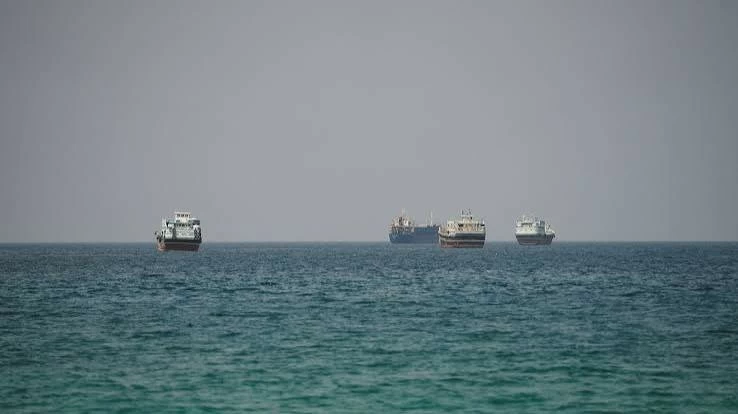
أعلن محسن رضائي، الرئيس الجديد للمجلس الأعلى للأمن القومي الإيراني، أن طهران تعتزم خلال الأيام أو الأسابيع القادمة الإعلان عن إقامة «منطقة إقصاء» في محيط مضيق هرمز، تستهدف السفن التي تعتقد السلطات الإيرانية أنها تحاول عبور الممر المائي.
وجاءت تصريحات رضائي، الأحد، في مقابلة مع التلفزيون الرسمي الإيراني، دون أن يقدم تفاصيل دقيقة بشأن حدود المنطقة المقترحة أو آلية تطبيقها.
وقال رضائي إن المنطقة الجديدة ستبدأ من «خط الحصار البحري الأمريكي»، وتمتد باتجاه مضيق هرمز، ثم تواصل امتدادها من الجهة الأخرى داخل مياه الخليج العربي.
وأضاف أن أي سفينة تدخل هذه المنطقة «بنية المرور عبر مضيق هرمز» ويتم تحديدها من جانب إيران، ستوضع على قائمة العقوبات الإيرانية.
تصعيد متبادل في مياه الخليج
وتأتي التهديدات الإيرانية بعد يوم من إعلان الولايات المتحدة استهداف ثلاث ناقلات نفط إيرانية، رداً على إطلاق طهران صواريخ باليستية باتجاه سفن حربية أمريكية.
ووصف خبراء إطلاق الصواريخ بأنه تصعيد خطير، خصوصاً أن الهجمات الإيرانية السابقة في البحر كانت قد استهدفت سفناً تجارية.
ولم يتضح حتى الآن الموقع الذي تعتبره إيران بداية «الحصار البحري» الأمريكي، الذي يهدف إلى الضغط على الموانئ الإيرانية ومنع طهران من تصدير نفطها.
وقالت القوات المسلحة الأمريكية إن أكثر من 20 سفينة حربية تشارك في دعم الحصار، مشيرة إلى أن الإجراءات المتخذة حتى الأحد أدت إلى تغيير مسار 92 سفينة تجارية وتعطيل ثلاث سفن.
واشنطن تشدد الضغط الاقتصادي
وتواصل الولايات المتحدة اتخاذ إجراءات جديدة لزيادة الضغوط الاقتصادية على إيران، في أعقاب انهيار المفاوضات بين الجانبين، بينما لا تلوح في الأفق نهاية واضحة للقتال المتقطع بينهما.
وفي المقابل، تواصل إيران مهاجمة بعض السفن التي تحاول عبور مضيق هرمز، الذي تحول إلى ورقة ضغط رئيسية في يد طهران خلال الحرب التي بدأت في 28 فبراير الماضي بضربات أمريكية وإسرائيلية على إيران.
وكانت إيران قد أعلنت، الأحد، أنها استهدفت سفينة أمريكية غير مأهولة كانت تحاول دخول مضيق هرمز، لكن الجيش الأمريكي نفى الرواية الإيرانية، واصفاً إياها بأنها «كذبة محضة».
عودة القتال بعد فترة هدوء
واستأنفت الولايات المتحدة وإيران هجماتهما قبل نحو أسبوع، بعد فترة من الهدوء النسبي استمرت شهراً، لتعود منطقة مضيق هرمز والسياحل الجنوبية الإيرانية إلى واجهة التصعيد العسكري.
وقُتل خمسة أشخاص على الأقل في وقت سابق من الأسبوع جراء قصف أمريكي.
ويبدو أن إدارة الرئيس الأمريكي دونالد ترمب تتبع مسارين متوازيين في التعامل مع الصراع، يتمثل الأول في الرد العسكري على الهجمات التي تستهدف الملاحة في المضيق، بينما يركز الثاني على ملاحقة المؤسسات المالية الأجنبية التي تتعامل مع الأموال الإيرانية.
طهران تشدد موقفها من العقوبات والمفاوضات
وفي مواجهة الضغوط المتزايدة، أبدى القادة الإيرانيون الجدد، ومن بينهم رضائي، استعداداً لمواصلة المواجهة، مستندين إلى خبرة طهران الطويلة في التعامل مع العقوبات الدولية.
وقال رضائي إن إيران تمكنت على مدى سنوات من إيجاد طرق للالتفاف على العقوبات، كما تحاول حالياً تجاوز الحصار المفروض على موانئها ومواصلة بيع النفط للمشترين، بهدف تخفيف الضغوط الاقتصادية المتزايدة.
وبشأن المفاوضات التي انهارت مع الولايات المتحدة، أبدى رضائي حذراً ليس فقط تجاه واشنطن، وإنما أيضاً تجاه الدول التي لعبت دور الوساطة بين الطرفين.
وأوضح أن مذكرة التفاهم التي وقعتها الولايات المتحدة وإيران في منتصف يونيو بدأت في الانهيار خلال أيام، بعدما اتهم كل طرف الآخر بانتهاك بنود الاتفاق.
وقال رضائي إن طهران كانت قد وثقت بوسطاء من باكستان وقطر وسلطنة عمان، باعتبار أن من مسؤولية الوسيط التدخل عندما ينتهك أحد الطرفين الاتفاق، لكنه أشار إلى أن إيران تتجه الآن إلى اتباع دبلوماسية قائمة على «الضمانات».
9 ملايين برميل نفط يومياً تمر عبر هرمز
ويكتسب مضيق هرمز أهمية إستراتيجية بالغة بالنسبة إلى حركة إمدادات النفط والغاز العالمية، وكان يُنظر إليه باعتباره ممراً مائياً دولياً قبل اندلاع الحرب.
وقال وزير الطاقة الأمريكي كريس رايت، الأحد، إن نحو 9 ملايين برميل من النفط تمر عبر المضيق يومياً في المتوسط، معتبراً أن استمرار التدفقات من شأنه المساعدة في تخفيف الضغوط على أسعار الطاقة.
وبحسب تقديرات موقع TankerTrackers ومصادر أخرى، فإن الرقم الذي ذكره رايت يبدو أعلى من متوسط تدفقات النفط عبر المضيق خلال الأيام الـ28 الماضية.
وقال رايت لشبكة «سي إن إن» إنه مع استمرار تدفق النفط أيضاً عبر خطوط الأنابيب في المنطقة، فإن الإمدادات الحالية قد تصل إلى «نحو ثلثي مستويات ما قبل الصراع أو أكثر».
لكن استمرار هذه التدفقات يعتمد بدرجة كبيرة على وجود البحرية الأمريكية، التي تعمل على مرافقة ناقلات النفط وتوفير قدر من الحماية لها في مواجهة احتمال تعرضها لهجمات إيرانية.
وأشار رايت إلى أنه يتوقع في نهاية المطاف أن تنضم دول أخرى إلى الجهود التي تقودها البحرية الأمريكية لحماية الملاحة في المنطقة.
في المقابل، قال رضائي إن إيران تواصل بيع النفط، مدعياً أن طهران تصدر يومياً ما بين مليون ومليون ونصف المليون برميل، في إشارة إلى أن إنتاج النفط الإيراني وتجارتها به مستمران، وفق روايته، بصورة طبيعية رغم الضغوط والحصار.
Mohsen Rezaei, the new head of Iran's Supreme National Security Council, announced that Tehran intends to declare the establishment of an "exclusion zone" in the vicinity of the Strait of Hormuz in the coming days or weeks, targeting ships that Iranian authorities believe are attempting to cross the waterway.
Rezaei's statements came on Sunday during an interview with Iranian state television, without providing precise details regarding the boundaries of the proposed area or its implementation mechanism.
He stated that the new area would start from the "line of the American maritime blockade" and extend towards the Strait of Hormuz, continuing its stretch from the other side within the waters of the Arabian Gulf.
He added that any ship entering this area "with the intention of passing through the Strait of Hormuz" and identified by Iran would be placed on the Iranian sanctions list.
Mutual Escalation in Gulf Waters
The Iranian threats come a day after the United States announced targeting three Iranian oil tankers in response to Tehran launching ballistic missiles towards American warships.
Experts described the missile launches as a serious escalation, especially since previous Iranian attacks at sea had targeted commercial vessels.
It remains unclear where Iran considers the beginning of the "American maritime blockade," which aims to pressure Iranian ports and prevent Tehran from exporting its oil.
The U.S. armed forces stated that more than 20 warships are participating in supporting the blockade, noting that the actions taken as of Sunday have led to the rerouting of 92 commercial vessels and the disruption of three ships.
Washington Intensifies Economic Pressure
The United States continues to take new measures to increase economic pressure on Iran following the collapse of negotiations between the two sides, while a clear end to the intermittent fighting between them is not in sight.
In turn, Iran continues to attack some ships attempting to cross the Strait of Hormuz, which has become a key leverage point for Tehran during the war that began on February 28 with American and Israeli strikes on Iran.
Iran announced on Sunday that it targeted an unmanned American ship that was trying to enter the Strait of Hormuz, but the U.S. military denied the Iranian account, describing it as a "pure lie."
Return to Fighting After a Period of Calm
The United States and Iran resumed their attacks about a week ago after a period of relative calm that lasted a month, bringing the Strait of Hormuz and the southern Iranian coasts back into the spotlight of military escalation.
At least five people were killed earlier this week due to American shelling.
The administration of President Donald Trump appears to be following two parallel paths in dealing with the conflict: the first being a military response to attacks targeting navigation in the strait, while the second focuses on pursuing foreign financial institutions that deal with Iranian funds.
Tehran Hardens Its Stance on Sanctions and Negotiations
In the face of increasing pressures, new Iranian leaders, including Rezaei, have expressed a willingness to continue confrontation, relying on Tehran's long experience in dealing with international sanctions.
Rezaei stated that Iran has managed over the years to find ways to circumvent sanctions and is currently trying to overcome the blockade imposed on its ports and continue selling oil to buyers, aiming to alleviate the increasing economic pressures.
Regarding the negotiations that collapsed with the United States, Rezaei expressed caution not only towards Washington but also towards the countries that played a mediating role between the two sides.
He explained that the memorandum of understanding signed by the United States and Iran in mid-June began to collapse within days after each side accused the other of violating the terms of the agreement.
Rezaei mentioned that Tehran had trusted mediators from Pakistan, Qatar, and Oman, considering it the mediator's responsibility to intervene when one party violates the agreement, but he indicated that Iran is now moving towards a diplomacy based on "guarantees."
9 Million Barrels of Oil Daily Pass Through Hormuz
The Strait of Hormuz holds significant strategic importance for global oil and gas supply movements and was viewed as an international waterway before the outbreak of war.
U.S. Energy Secretary Chris Wright stated on Sunday that about 9 million barrels of oil pass through the strait daily on average, considering that the continuation of flows could help alleviate pressures on energy prices.
According to estimates from TankerTrackers and other sources, the figure mentioned by Wright seems higher than the average oil flows through the strait over the past 28 days.
Wright told CNN that with oil also continuing to flow through pipelines in the region, current supplies could reach "about two-thirds of pre-conflict levels or more."
However, the continuation of these flows largely depends on the presence of the U.S. Navy, which is escorting oil tankers and providing some protection against the possibility of Iranian attacks.
Wright noted that he expects other countries to eventually join the efforts led by the U.S. Navy to protect navigation in the region.
In contrast, Rezaei stated that Iran continues to sell oil, claiming that Tehran exports between one million and one and a half million barrels daily, indicating that Iranian oil production and trade continue, according to his account, normally despite the pressures and blockade.