أعلنت سلطات مدينة نيويورك فرض وقف مؤقت لمدة عام على استخدام الطلاب لتقنيات وأدوات الذكاء الاصطناعي في المدارس الحكومية الابتدائية والإعدادية، في خطوة تعد الأكثر تشددًا من نوعها حتى الآن بين المناطق التعليمية في الولايات المتحدة، مع تصاعد الجدل حول تأثير التكنولوجيا الحديثة على العملية التعليمية.
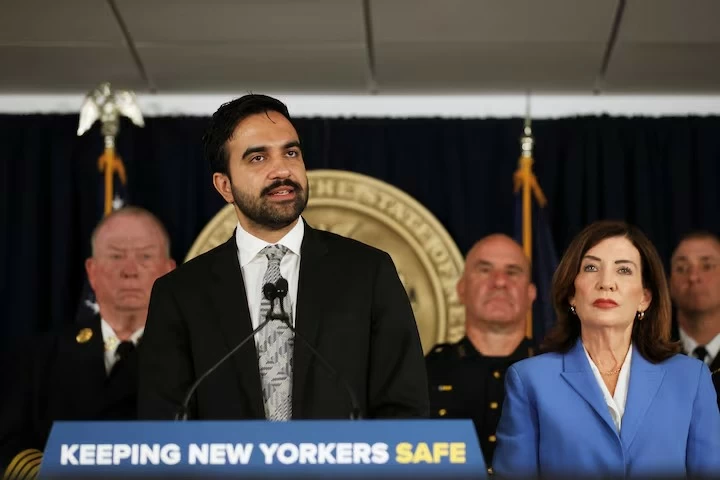
وقال عمدة نيويورك، زهران ممداني، خلال مؤتمر صحفي مساء الأربعاء، إن المدارس العامة في المدينة ستوقف الاستخدام الحالي لنحو 40 أداة تعليمية تعتمد على الذكاء الاصطناعي داخل الفصول الدراسية.
وأوضح ممداني أن القرار يستهدف إعادة التركيز على التفاعل المباشر بين الطلاب والمعلمين، وعلى تطوير المهارات من خلال التعلم الجماعي وحل المشكلات بصورة مستقلة.
وقال العمدة: «الأطفال يحتاجون إلى المعلمين والتواصل الإنساني حتى يتعلموا وينموا»، مشيرًا إلى أهمية أن يطور الطلاب مهاراتهم إلى جانب زملائهم، وأن يبنوا علاقات مع المعلمين، وأن يتعاملوا بأنفسهم مع المشكلات والتحديات الصعبة.
ويشمل القرار نحو 600 ألف طالب في المدارس الحكومية حتى الصف الثامن، فيما سيظل بإمكان طلاب المرحلة الثانوية استخدام أدوات الذكاء الاصطناعي في بعض الحالات، وفقًا لسلطات المدينة.
وفي المقابل، لن يمتد الحظر إلى المعلمين، إذ ستسمح لهم السلطات باستخدام تقنيات الذكاء الاصطناعي في بعض المهام المهنية، من بينها إعداد الدروس وتنظيم الجداول ومهام إدارية أخرى.
وتأتي هذه الخطوة في وقت تسعى فيه المناطق التعليمية الأميركية إلى وضع قواعد واضحة لاستخدام الذكاء الاصطناعي داخل الفصول الدراسية، وسط مخاوف بشأن تأثير الاعتماد المفرط على هذه التقنيات في مهارات الطلاب وقدرتهم على التفكير وحل المشكلات بصورة مستقلة.
وتعد نيويورك، التي تضم أكبر نظام للمدارس الحكومية في الولايات المتحدة، الأكثر تشددًا حتى الآن في فرض قيود واسعة على استخدام الذكاء الاصطناعي بين الطلاب.
وفي المقابل، تدرس مناطق تعليمية أخرى، من بينها لوس أنجلوس، سياسات مماثلة لتنظيم استخدام التكنولوجيا الجديدة في المدارس.
ولم تصدر شركات التكنولوجيا الكبرى، بينها قوقل وأنثروبيك ومايكروسوفت، تعليقًا فوريًا على القرار، وفقًا للمعلومات المتاحة.
وليست هذه المرة الأولى التي تتخذ فيها مدارس نيويورك موقفًا متحفظًا تجاه الذكاء الاصطناعي. فقد فرضت المدارس العامة في المدينة حظرًا مؤقتًا على استخدام روبوت المحادثة «تشات جي بي تي» بعد فترة قصيرة من إطلاقه عام 2022، قبل أن يجري رفع القيود لاحقًا واستبدالها بمساعد تعليمي مخصص يعتمد على الذكاء الاصطناعي.
ويعكس القرار الجديد التحول السريع في موقف المؤسسات التعليمية من الذكاء الاصطناعي؛ فبعد أن أثارت أدواته مخاوف من الغش الأكاديمي وتراجع مهارات الكتابة والتفكير النقدي، بدأت المدارس والجهات التعليمية في البحث عن آليات توازن بين الاستفادة من قدرات التكنولوجيا والحفاظ على الدور الأساسي للمعلم والتفاعل الإنساني في عملية التعلم.
The authorities of New York City announced a temporary one-year halt on the use of artificial intelligence technologies and tools by students in public elementary and middle schools, in what is considered the most stringent measure of its kind so far among educational districts in the United States, amid escalating debate over the impact of modern technology on the educational process.
New York City Mayor, Zahran Mamdani, stated during a press conference on Wednesday evening that public schools in the city will stop the current use of about 40 AI-based educational tools within classrooms.
Mamdani explained that the decision aims to refocus on direct interaction between students and teachers, and on developing skills through collaborative learning and independent problem-solving.
The mayor said, "Children need teachers and human interaction to learn and grow," pointing to the importance of students developing their skills alongside their peers, building relationships with teachers, and dealing with difficult problems and challenges on their own.
The decision affects about 600,000 students in public schools up to the eighth grade, while high school students will still be able to use AI tools in some cases, according to city authorities.
In contrast, the ban will not extend to teachers, as authorities will allow them to use AI technologies for certain professional tasks, including lesson preparation, organizing schedules, and other administrative tasks.
This move comes at a time when American educational districts are seeking to establish clear rules for the use of AI in classrooms, amid concerns about the impact of over-reliance on these technologies on students' skills and their ability to think and solve problems independently.
New York, which has the largest public school system in the United States, is the most stringent so far in imposing broad restrictions on the use of AI among students.
In contrast, other educational districts, including Los Angeles, are considering similar policies to regulate the use of new technology in schools.
Major technology companies, including Google, Anthropic, and Microsoft, have not issued an immediate comment on the decision, according to available information.
This is not the first time that New York schools have taken a cautious stance towards AI. The city's public schools imposed a temporary ban on the use of the chatbot "ChatGPT" shortly after its launch in 2022, before the restrictions were later lifted and replaced with a dedicated AI-based educational assistant.
The new decision reflects the rapid shift in educational institutions' stance on AI; after its tools raised concerns about academic cheating and a decline in writing and critical thinking skills, schools and educational entities began to seek mechanisms to balance leveraging technology's capabilities while maintaining the essential role of the teacher and human interaction in the learning process.