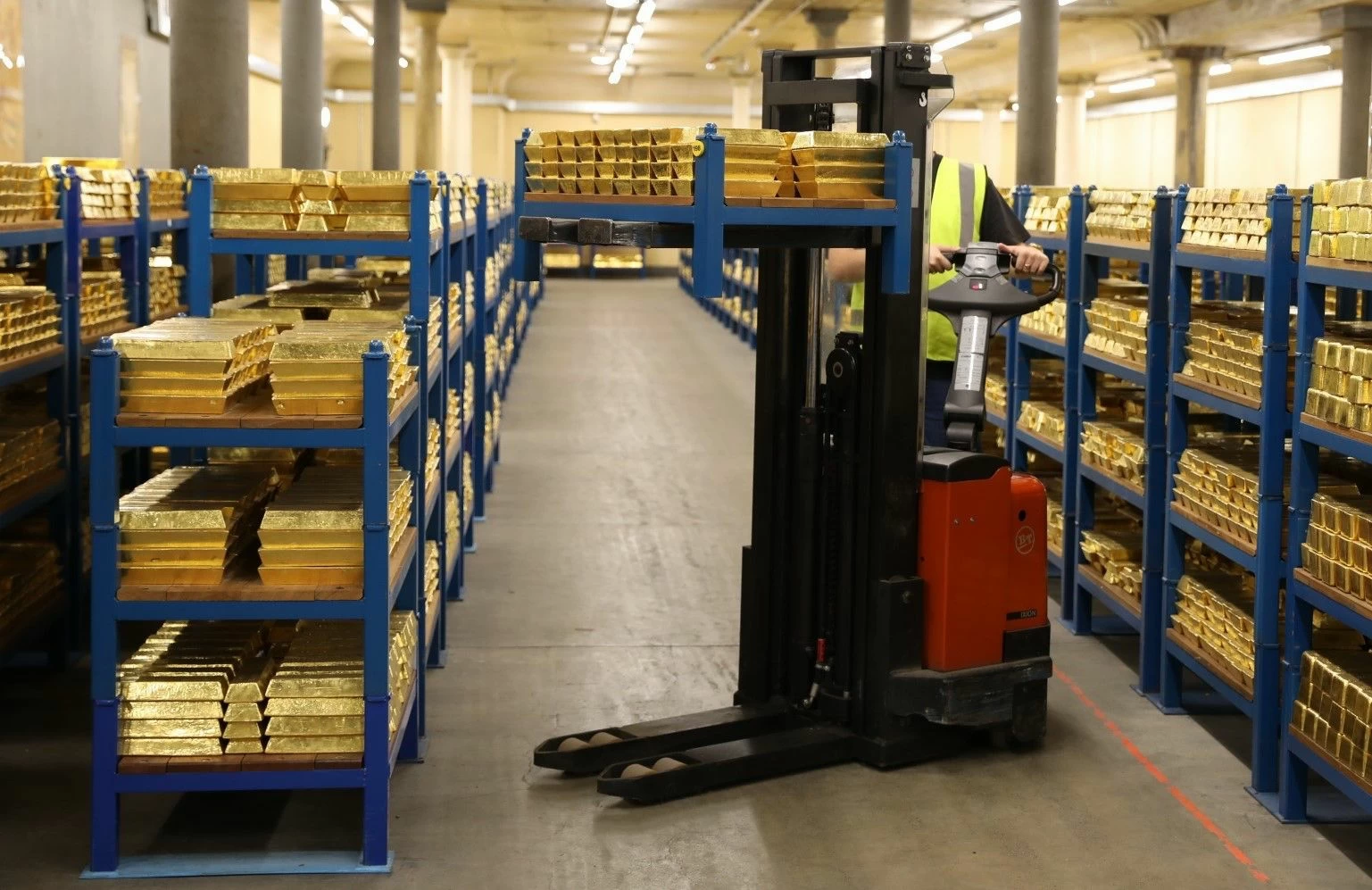
في خطوة تعكس تنامي المخاوف من تداعيات الاضطرابات الجيوسياسية، أعاد البنك المركزي الهولندي توزيع نحو 86 طناً من احتياطيات البلاد الذهبية، بنقل جزء منها من الولايات المتحدة وكندا إلى بريطانيا، بهدف تعزيز الجاهزية للأزمات وتسريع القدرة على استخدام الاحتياطي عند الحاجة.
نقل الذهب إلى لندن
وأوضح البنك المركزي الهولندي، في بيان صدر أمس (الأربعاء)، أن العملية تمت بين مارس وأغسطس 2026، وشملت نحو 86 طناً من الذهب كانت مخزنة في نيويورك وأوتاوا، وأُعيد توزيعها لتصبح لندن مركزاً رئيسياً لتخزين جزء من الاحتياطي لدى بنك إنجلترا.
وأشار إلى أن الخطوة تأتي في إطار تعزيز «الجاهزية للأزمات»، في ظل تزايد الاضطرابات الجيوسياسية، موضحاً أن تخزين الذهب في لندن يجعله أكثر قابلية للتداول وأسرع في الاستخدام إذا تطلبت الظروف ذلك.
لندن.. مركز الذهب
وتحظى لندن بمكانة محورية في سوق الذهب العالمي، باعتبارها أحد أبرز مراكز تداول الذهب الفعلي، فيما يرى البنك المركزي الهولندي أن تخزين الذهب لدى بنك إنجلترا يستوفي معايير التداول الدولية، ما يتيح بيعه أو استخدامه بصورة أسرع في حالات الطوارئ مقارنة بالذهب المخزن في نيويورك وأوتاوا.
ولم تتضمن العملية نقل الكمية بالكامل بصورة فعلية؛ إذ باع البنك المركزي الهولندي نحو 59 طناً من الذهب في نيويورك، واشترى كمية مماثلة في لندن.
أما أكثر من 27 طناً، فنُقلت فعلياً من الولايات المتحدة وكندا إلى مركز البنك في مدينة زيست الهولندية، قبل نقل كمية مماثلة من زيست إلى لندن، لتجنب الحاجة إلى صهر سبائك الذهب وإعادة تصنيعها.
تغيير خريطة الاحتياطي
وأدت العملية إلى تغيير واضح في التوزيع الجغرافي للاحتياطي الهولندي؛ إذ تراجعت حصة الذهب المخزن في نيويورك من 31.3% إلى 18.5%، كما انخفضت حصة أوتاوا من 19.7% إلى 18.5%، في حين ارتفعت حصة لندن من 18.1% إلى 32.1%، مع بقاء 30.8% من الاحتياطي داخل هولندا.
ويبلغ إجمالي احتياطي هولندا من الذهب نحو 612.4 طن، قُدرت قيمته بنحو 72.2 مليار يورو في نهاية 2025، ما يعني أن إعادة توزيع 86 طناً لا تمثل خفضاً لحجم الاحتياطي، وإنما تغييراً في مواقع تخزين جزء منه.
جاهزية لمواجهة الأزمات
وأكد رئيس البنك المركزي الهولندي أولاف سلايبن أن بلاده لا تفترض بالضرورة اضطرارها إلى استخدام احتياطياتها الذهبية خلال أزمة مستقبلية، لكنه شدد على أهمية تعزيز القدرة على الصمود والاستعداد، موضحاً أن تحسين قابلية استخدام الذهب يمثل جزءاً من هذه الإستراتيجية.
وتبرز أهمية الذهب في احتياطيات البنوك المركزية لكونه، خلافاً لكثير من الأصول المالية، لا يمثل التزاماً على جهة أخرى، ويمكن الاعتماد عليه كأصل احتياطي في الظروف الاقتصادية والمالية الاستثنائية.
كما أن توزيع الاحتياطيات جغرافياً يساعد على الحد من المخاطر المرتبطة بالاعتماد على موقع واحد، خصوصاً في الأزمات التي قد تعطل عمليات النقل أو التداول.
الذهب في صدارة الاحتياطيات
وتأتي الخطوة الهولندية في وقت تواصل البنوك المركزية حول العالم تعزيز اهتمامها بالذهب، باعتباره أحد أبرز أصول الاحتياطي، وسط ارتفاع مستويات عدم اليقين الجيوسياسي والاقتصادي.
وفي الحالة الهولندية، اختار البنك المركزي إعادة توزيع جزء من المخزون بدلاً من زيادة حجم الاحتياطي، لتصبح سرعة الوصول إلى الذهب وإمكانية تداوله، إلى جانب تنويع مواقع تخزينه، عنصرين أساسيين في إدارة الاحتياطيات.
وبعد إعادة التوزيع، أصبحت لندن أكبر مركز منفرد لاحتياطيات الذهب الهولندية بنسبة 32.1%، تليها المنشآت الموجودة داخل هولندا بنسبة 30.8%، فيما تراجعت حصة كل من نيويورك وأوتاوا إلى 18.5%، في تحول يعكس إعادة ترتيب مواقع التخزين أكثر من كونه تغييراً في حجم الثروة الذهبية الهولندية.
In a move reflecting growing concerns about the implications of geopolitical disruptions, the Dutch central bank has redistributed approximately 86 tons of the country's gold reserves, transferring part of it from the United States and Canada to Britain, with the aim of enhancing crisis readiness and accelerating the ability to utilize the reserves when needed.
Gold Transfer to London
The Dutch central bank clarified in a statement issued yesterday (Wednesday) that the operation took place between March and August 2026, involving about 86 tons of gold that were stored in New York and Ottawa, which were redistributed to make London a key center for storing part of the reserves at the Bank of England.
It noted that this step is part of enhancing "crisis readiness," amid increasing geopolitical disruptions, explaining that storing gold in London makes it more tradable and quicker to use if circumstances require it.
London.. The Gold Hub
London holds a pivotal position in the global gold market, being one of the most prominent centers for physical gold trading, while the Dutch central bank believes that storing gold at the Bank of England meets international trading standards, allowing for faster sale or use in emergencies compared to gold stored in New York and Ottawa.
The operation did not involve the physical transfer of the entire quantity; the Dutch central bank sold about 59 tons of gold in New York and purchased a similar amount in London.
More than 27 tons were physically transferred from the United States and Canada to the bank's center in the Dutch city of Zeist, before a similar quantity was moved from Zeist to London, to avoid the need to melt gold bars and remanufacture them.
Changing the Reserve Map
This operation resulted in a clear change in the geographical distribution of the Dutch reserves; the share of gold stored in New York decreased from 31.3% to 18.5%, while Ottawa's share dropped from 19.7% to 18.5%, and London's share increased from 18.1% to 32.1%, with 30.8% of the reserves remaining within the Netherlands.
The total gold reserves of the Netherlands amount to approximately 612.4 tons, valued at around 72.2 billion euros at the end of 2025, meaning that redistributing 86 tons does not represent a reduction in the size of the reserves, but rather a change in the storage locations of part of it.
Readiness to Face Crises
The President of the Dutch central bank, Olaf Sleijpen, confirmed that his country does not necessarily assume it will have to use its gold reserves during a future crisis, but emphasized the importance of enhancing resilience and preparedness, explaining that improving the usability of gold is part of this strategy.
The importance of gold in central bank reserves is highlighted by the fact that, unlike many financial assets, it does not represent a liability to another party, and can be relied upon as a reserve asset in exceptional economic and financial circumstances.
Additionally, geographically distributing reserves helps mitigate risks associated with reliance on a single location, especially during crises that may disrupt transportation or trading operations.
Gold at the Forefront of Reserves
The Dutch move comes at a time when central banks around the world continue to enhance their interest in gold, considering it one of the most prominent reserve assets, amid rising levels of geopolitical and economic uncertainty.
In the Dutch case, the central bank chose to redistribute part of the stock instead of increasing the size of the reserves, making the speed of access to gold and its tradability, along with diversifying its storage locations, two key elements in reserve management.
After the redistribution, London became the largest single center for Dutch gold reserves at 32.1%, followed by facilities within the Netherlands at 30.8%, while the shares of both New York and Ottawa dropped to 18.5%, in a shift that reflects a rearrangement of storage locations rather than a change in the size of Dutch gold wealth.