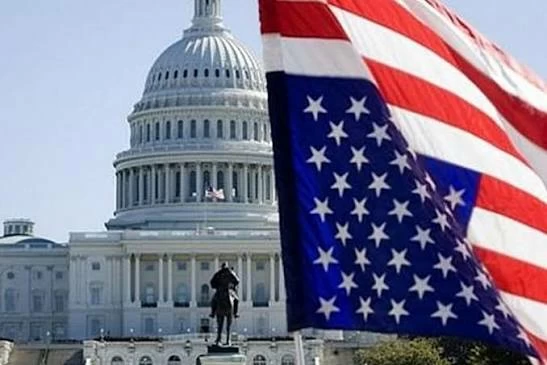
فيما تقترب انتخابات التجديد النصفي للكونغرس الأمريكي في نوفمبر القادم، تتزايد المخاوف داخل أوساط الجمهوريين من أن تتحول الحرب مع إيران إلى عبء انتخابي يهدد فرص الحزب مع استمرار العمليات العسكرية للشهر السادس وتزايد الضغوط المرتبطة بارتفاع أسعار الوقود وتكاليف المعيشة.
اختبار انتخابي صعب
ووفق وكالة «بلومبيرغ»، فإن استراتيجيين جمهوريين يرون أن استمرار الحرب يضع الرئيس دونالد ترمب والحزب أمام اختبار انتخابي صعب، خصوصاً أن جزءاً من الناخبين الجمهوريين دعم ترمب في الانتخابات الأخيرة استناداً إلى وعود تتعلق بخفض التضخم وتجنب التورط في حروب خارجية طويلة.
وكان ترمب توقع أن تستغرق العمليات العسكرية نحو أربعة أو خمسة أسابيع، إلا أن المواجهة امتدت إلى ستة أشهر، ما أثار تساؤلات داخل الأوساط الجمهورية حول أهداف الحرب ومدى قدرتها على تحقيق نتائج يمكن عرضها على الناخبين قبل موعد الاقتراع.
تأثير ارتفاع كلفة المعيشة
وتزداد حساسية الملف مع اقتراب الانتخابات التي يسعى فيها الجمهوريون إلى الحفاظ على أغلبيتهم في الكونغرس. ويرى ديمقراطيون واستراتيجيون أن استمرار ارتفاع كلفة المعيشة يمكن أن يمنح المعارضة فرصة لاستعادة مواقع في مجلسي النواب والشيوخ، الأمر الذي قد يقيّد قدرة ترمب على تنفيذ أجندته خلال النصف الثاني من ولايته.
وتشير بيانات استطلاعية إلى تراجع الدعم للحرب حتى داخل القاعدة الجمهورية. فقد انخفض تأييد العمليات العسكرية بين الجمهوريين من 77% في مارس إلى 69%، بالتزامن مع وصول معدل تأييد ترمب إلى 33%، وفق الأرقام التي أوردها التقرير.
الحرب قضية اقتصادية
وتظهر مؤشرات السباق الانتخابي بدورها تغيراً في بعض الولايات التي كانت تُعد أكثر أماناً للجمهوريين. ففي 20 أغسطس، أعاد تقرير «كوك بوليتيكال ريبورت» تصنيف سباقي مجلس الشيوخ في تكساس وأيوا باعتبارهما متكافئين، في مؤشر على أن المنافسة قد تصبح أكثر حدة في ولايات يحتاج الجمهوريون إلى الاحتفاظ بها لضمان استمرار أغلبيتهم.
ويخشى بعض المسؤولين والاستراتيجيين الجمهوريين تحديداً من أن يتحول تأثير الحرب إلى قضية اقتصادية. فمع استمرار القتال، أصبحت أسعار البنزين وتكاليف المعيشة أكثر حضوراً في النقاش الانتخابي من التطورات العسكرية والسياسية المرتبطة بإيران، وهو ما قد يجعل الناخبين يقيّمون أداء الإدارة من خلال تأثير الحرب في حياتهم اليومية.
ترمب يتمتع بقاعدة انتخابية قوية
ورغم هذه المخاوف، لا يبدو أن قيادات الحزب الجمهوري مستعدة لمواجهة ترمب علناً، في ظل استمرار تمتعه بقاعدة انتخابية قوية داخل الحزب. كما أن الجمهوريين يواجهون معادلة دقيقة بين الدفاع عن سياسات الرئيس والحفاظ على استقلالية مرشحيهم في انتخابات قد تتحدد نتائجها بفارق محدود في عدد من الولايات.
وبالنسبة إلى الجمهوريين، قد يكون عامل الوقت حاسماً. فإذا تمكنت الإدارة من إنهاء الحرب أو تقديم نتائج واضحة قبل نوفمبر، فقد يتراجع تأثيرها الانتخابي. أما استمرارها دون نهاية واضحة، مع بقاء الضغوط الاقتصادية، فقد يحول النزاع مع إيران من ملف في السياسة الخارجية إلى قضية مركزية في قرار الناخب الأمريكي.
As the U.S. midterm elections approach in November, concerns are growing among Republicans that the war with Iran could become an electoral burden threatening the party's chances, especially with military operations continuing into the sixth month and rising pressures related to fuel prices and the cost of living.
A Tough Electoral Test
According to Bloomberg, Republican strategists believe that the continuation of the war places President Donald Trump and the party before a tough electoral test, particularly since part of the Republican voters supported Trump in the last elections based on promises related to reducing inflation and avoiding involvement in lengthy foreign wars.
Trump had predicted that military operations would last about four or five weeks, but the confrontation has extended to six months, raising questions within Republican circles about the war's objectives and its ability to achieve results that can be presented to voters before the election date.
The Impact of Rising Living Costs
The sensitivity of the issue increases as the elections approach, in which Republicans seek to maintain their majority in Congress. Democrats and strategists believe that the continued rise in living costs could give the opposition a chance to regain ground in both the House and Senate, which could limit Trump's ability to implement his agenda during the second half of his term.
Polling data indicates a decline in support for the war even within the Republican base. Support for military operations among Republicans has dropped from 77% in March to 69%, coinciding with Trump's approval rating falling to 33%, according to the figures reported.
The War as an Economic Issue
Election race indicators also show a shift in some states that were considered safer for Republicans. On August 20, the Cook Political Report reclassified the Senate races in Texas and Iowa as competitive, indicating that the competition may become more intense in states that Republicans need to hold onto in order to ensure their continued majority.
Some Republican officials and strategists specifically fear that the impact of the war could turn into an economic issue. With fighting ongoing, gas prices and living costs have become more prominent in electoral discussions than the military and political developments related to Iran, which may lead voters to evaluate the administration's performance based on the war's impact on their daily lives.
Trump Maintains a Strong Electoral Base
Despite these concerns, Republican leadership does not seem ready to confront Trump publicly, as he continues to enjoy a strong electoral base within the party. Additionally, Republicans face a delicate equation between defending the president's policies and maintaining the independence of their candidates in elections where the outcomes may be determined by narrow margins in several states.
For Republicans, the factor of time may be crucial. If the administration can end the war or provide clear results before November, its electoral impact may diminish. However, if it continues without a clear end, alongside ongoing economic pressures, the conflict with Iran may shift from a foreign policy issue to a central concern in the decision-making of American voters.