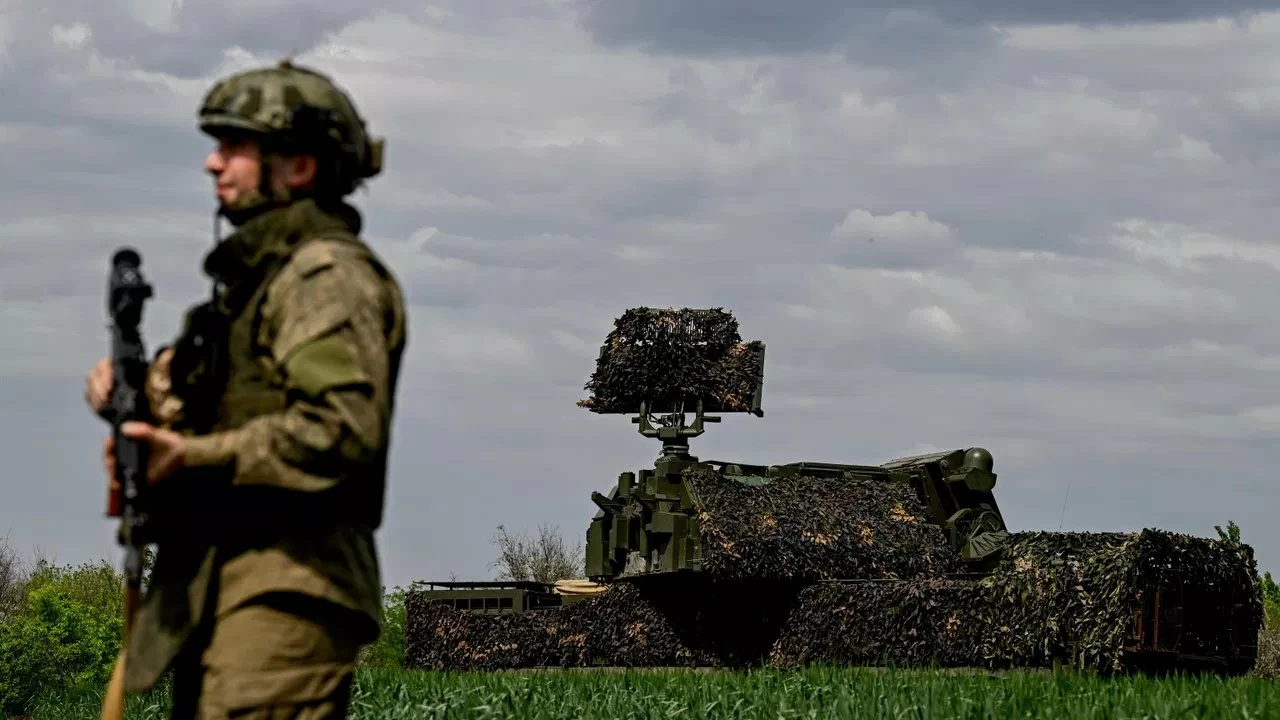
أعلن عمدة موسكو سيرغي سوبيانين أن الدفاعات الجوية الروسية تعاملت مع آلاف المسيّرات الأوكرانية التي حلقت باتجاه العاصمة خلال أسبوع، في مؤشر جديد على تصاعد حرب الطائرات المسيّرة بين روسيا وأوكرانيا واتساع نطاق الهجمات إلى العمق الروسي.
وقال سوبيانين إن 2652 مسيّرة رُصدت وهي تتجه نحو موسكو خلال الفترة من صباح 15 أغسطس حتى صباح 22 أغسطس، مشيراً إلى أن معظمها جرى اعتراضه وإسقاطه على مسافات بعيدة عن العاصمة.
وأضاف أن قوات الدفاع الجوي أسقطت 493 مسيّرة أثناء اقترابها من موسكو، دون أن يذكر تفاصيل عن حجم الأضرار الناجمة عن الهجمات أو عدد الإصابات خلال هذه الفترة.
وفي السياق نفسه، أعلنت وزارة الدفاع الروسية أن قواتها أسقطت 1053 مسيّرة أوكرانية فوق مناطق مختلفة من الأراضي الروسية خلال الساعات الأربع والعشرين السابقة، في واحدة من أحدث المؤشرات على كثافة استخدام الطائرات المسيّرة في الهجمات المتبادلة بين الطرفين.
وتأتي هذه التطورات في وقت أصبحت فيه المسيّرات عنصراً رئيسياً في العمليات العسكرية الروسية الأوكرانية، إذ تستخدم كييف الطائرات المسيرة بعيدة المدى لاستهداف مواقع في العمق الروسي، بينما تعتمد موسكو بدورها على أعداد كبيرة من المسيّرات والصواريخ في ضرب أهداف داخل أوكرانيا.
وتقول موسكو إن الهجمات الأوكرانية تستهدف بصورة متكررة مناطق سكنية ومنشآت مدنية ومرافق للطاقة والصناعة في المناطق الحدودية، إضافة إلى أهداف في عمق الأراضي الروسية، فيما تؤكد كييف أن عملياتها تستهدف بدرجة أساسية منشآت مرتبطة بالقدرات العسكرية الروسية.
وفي المقابل، تقول وزارة الدفاع الروسية إن ضرباتها داخل أوكرانيا تركز على المنشآت العسكرية ومؤسسات الصناعات الدفاعية والبنية التحتية التي تستخدمها القوات الأوكرانية، وتنفذ باستخدام أسلحة دقيقة تطلق من الجو والبحر والبر، إلى جانب الطائرات المسيّرة.
وتعكس كثافة الهجمات بالطائرات المسيّرة تحولاً متزايداً في طبيعة الحرب، بعدما أصبحت المسيّرات وسيلة رئيسية لاستنزاف الدفاعات الجوية، وتنفيذ هجمات بعيدة المدى، واختبار قدرة الخصم على حماية مراكز المدن والمنشآت الحيوية، في وقت لا تزال فيه الجهود الدبلوماسية الرامية إلى إنهاء الحرب تواجه تحديات كبيرة.
The Mayor of Moscow, Sergey Sobyanin, announced that Russian air defenses dealt with thousands of Ukrainian drones that flew towards the capital over the course of a week, marking a new indication of the escalation of the drone war between Russia and Ukraine and the widening scope of attacks into the Russian interior.
Sobyanin stated that 2,652 drones were detected heading towards Moscow from the morning of August 15 to the morning of August 22, noting that most of them were intercepted and shot down at distances far from the capital.
He added that air defense forces shot down 493 drones as they approached Moscow, without providing details about the extent of the damage caused by the attacks or the number of casualties during this period.
In the same context, the Russian Ministry of Defense announced that its forces shot down 1,053 Ukrainian drones over various areas of Russian territory in the previous twenty-four hours, in one of the latest indicators of the intensity of drone use in the mutual attacks between the two sides.
These developments come at a time when drones have become a key element in the Russian-Ukrainian military operations, as Kyiv uses long-range drones to target sites deep within Russia, while Moscow, in turn, relies on large numbers of drones and missiles to strike targets inside Ukraine.
Moscow claims that Ukrainian attacks repeatedly target residential areas, civilian facilities, and energy and industrial infrastructure in border regions, in addition to targets deep within Russian territory, while Kyiv asserts that its operations primarily target facilities related to Russian military capabilities.
In contrast, the Russian Ministry of Defense states that its strikes inside Ukraine focus on military facilities, defense industry institutions, and infrastructure used by Ukrainian forces, carried out using precision weapons launched from air, sea, and land, alongside drones.
The intensity of drone attacks reflects a growing shift in the nature of the war, as drones have become a primary means of exhausting air defenses, conducting long-range strikes, and testing the adversary's ability to protect urban centers and vital facilities, at a time when diplomatic efforts to end the war continue to face significant challenges.