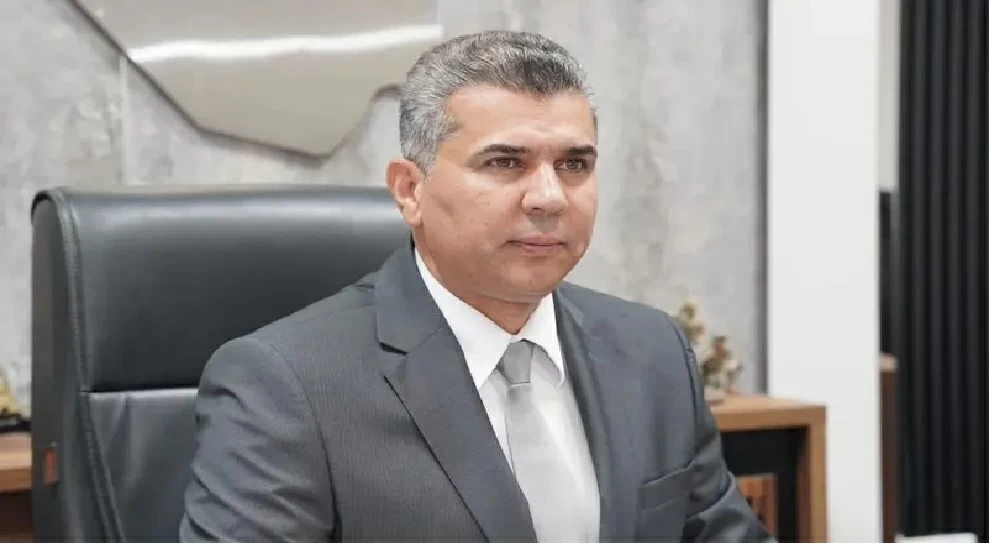
شددت وزارة الداخلية العراقية على المضي قدماً في مسار حصر السلاح بيد الدولة.
وأكد رئيس خلية الإعلام الأمني الفريق سعد معن أن ملف حصر السلاح بيد الدولة يمثل مساراً وطنياً وأمنياً يهدف إلى تعزيز هيبة الدولة وسيادة القانون وحماية أمن العراق واستقراره. وأعلن أن هذا المسار لا يستهدف فصيلاً أو جهة أو مكوناً بعينه، وفق ما نقلت وكالة الأنباء العراقية «واع»، اليوم (الأربعاء).
وقال معن إن حصر السلاح بيد الدولة لا يعني حصره بفئة أو تشكيل محدد وإنما يشمل كل سلاح خارج إطار المؤسسات الرسمية للدولة أياً كانت الجهة التي تمتلكه بما في ذلك السلاح العشائري وأي سلاح لا يخضع للضوابط والقوانين النافذة«.
وأشار إلى أن عدداً من الفصائل المنضوية تحت الإدارة الرسمية لهيئة الحشد الشعبي باشرت فعلياً إجراءات تسليم سلاحها، فيما تسير فصائل أخرى في الاتجاه نفسه.
وأفاد بأن هذه الخطوات تأتي ضمن ترتيبات مؤسساتية وقانونية تهدف إلى تنظيم وضع التشكيلات والمقاتلين بما ينسجم مع الإطار الرسمي للدولة.
يذكر أن ثلاثة من كبرى الفصائل المسلحة في العراق، وهي سرايا السلام بزعامة مقتدى الصدر، وعصائب أهل الحق بزعامة الشيخ قيس الخزعلي، وكتائب الإمام علي بزعامة شبل الزيدي، أعلنت قبل فترة تسليم سلاحها للدولة والانخراط في العمل المدني.
ويقود رئيس الحكومة علي الزيدي حالياً مفاوضات مع خمسة فصائل مسلحة وهي حركة النجباء، وكتائب سيد الشهداء، وكتائب حزب الله العراقي، وسرايا أولياء الدم، وأصحاب الكهف لتسليم سلاحها.
ويعد ملف حصر السلاح بيد الدولة من أبرز القضايا السياسية والأمنية في العراق منذ عام 2003، وتزايد الاهتمام به بعد ظهور جماعات مسلحة خلال الحرب على تنظيم داعش الإرهابي عام 2014، قبل أن يتم تنظيم وضع هيئة الحشد الشعبي قانونياً عام 2016 باعتبارها جزءاً من القوات المسلحة العراقية وترتبط بالقائد العام للقوات المسلحة.
وظل ملف تنظيم السلاح والعلاقة بين الدولة وبعض الفصائل المسلحة الموالية لإيران من الملفات الحساسة في المشهد العراقي، مع استمرار الدعوات السياسية لتأكيد أن تكون القرارات الأمنية والعسكرية ضمن مؤسسات الدولة الرسمية.
The Iraqi Ministry of Interior emphasized the need to move forward with the process of restricting arms to the state.
The head of the Security Media Cell, Lieutenant General Saad Ma'an, confirmed that the file of restricting arms to the state represents a national and security path aimed at enhancing the authority of the state, the rule of law, and protecting Iraq's security and stability. He announced that this path does not target a specific faction, entity, or component, according to what the Iraqi News Agency "INA" reported today (Wednesday).
Ma'an stated that restricting arms to the state does not mean limiting it to a specific group or formation but includes all weapons outside the framework of the state's official institutions, regardless of the entity that possesses them, including tribal weapons and any weapons not subject to the existing regulations and laws.
He pointed out that a number of factions under the official administration of the Popular Mobilization Authority have already begun the process of handing over their weapons, while other factions are moving in the same direction.
He indicated that these steps come within institutional and legal arrangements aimed at organizing the status of formations and fighters in line with the official framework of the state.
It is noteworthy that three of the largest armed factions in Iraq, namely the Peace Brigades led by Muqtada al-Sadr, the Asa'ib Ahl al-Haq led by Sheikh Qais al-Khazali, and the Imam Ali Brigades led by Shibl al-Zaydi, announced some time ago their intention to hand over their weapons to the state and engage in civilian work.
The Prime Minister, Ali al-Zaydi, is currently leading negotiations with five armed factions: the al-Nujaba Movement, the Sayyid al-Shuhada Brigades, the Iraqi Hezbollah Brigades, the Saraya Awliya al-Dam, and the Ahl al-Kahf to hand over their weapons.
The issue of restricting arms to the state is one of the most prominent political and security issues in Iraq since 2003, and interest in it increased after the emergence of armed groups during the war against the terrorist organization ISIS in 2014, before the legal status of the Popular Mobilization Authority was organized in 2016 as part of the Iraqi armed forces, linked to the Commander-in-Chief of the Armed Forces.
The issue of regulating arms and the relationship between the state and some armed factions loyal to Iran remains a sensitive topic in the Iraqi scene, with ongoing political calls to ensure that security and military decisions are made within the official state institutions.