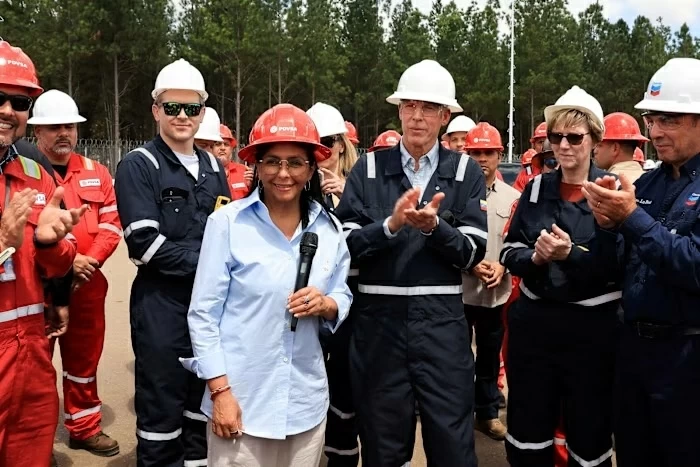
كشفت المفاوضات الأخيرة بين الحكومة الفنزويلية والمعارضة عن تحوّل لافت في موقف السلطات تجاه الرئيس السابق نيكولاس مادورو، بعدما خلا جدول أعمال جلسات التفاوض من أي مطالبة بإطلاق سراحه أو إعادته إلى فنزويلا، رغم أن الحكومة كانت قد جعلت قضيته في السابق أولوية سياسية.
ووفق ما نقلته تقارير إعلامية عن مشاركين في المفاوضات، لم تطرح حكومة الرئيسة المؤقتة ديلسي رودريغيز قضية مادورو خلال خمس جلسات عقدت على مدى نحو أسبوعين، في مؤشر اعتبره مراقبون الأكثر وضوحًا حتى الآن على أن كاراكاس باتت تتعامل مع احتجاز الرئيس السابق باعتباره ملفًا منفصلًا تتركه للقضاء الأمريكي.
وكانت رودريغيز قد أدانت في وقت سابق احتجاز مادورو وزوجته سيليا فلوريس على يد القوات الأمريكية، ووصفت العملية بأنها اعتداء على فنزويلا، فيما تعهد مسؤولون موالون لمادورو بمواصلة الضغط من أجل الإفراج عنه.
مفاوضات تركز على الانتخابات والاقتصاد
وركزت الجولة الأولى من الحوار بين الحكومة والمعارضة بصورة أساسية على ترتيبات المرحلة السياسية المقبلة، بما في ذلك بحث خطوات تمهد لإجراء انتخابات رئاسية جديدة، إلا أن المفاوضات لم تُسفر عن نتائج حاسمة في هذا الملف.
وبدلًا من ذلك، انصبّ جانب مهم من النقاش على احتياجات إعادة إعمار البلاد في أعقاب الزلازل المدمرة التي ضربتها في يونيو، إلى جانب المطالبة بإعادة نحو أربعة مليارات دولار من الذهب الفنزويلي المحتفظ به في خزائن بنك إنجلترا.
كما اتفق الطرفان على بدء العمل لإصلاح منظومة العدالة، فيما أعلنت الحكومة الإفراج عن 131 سجينًا سياسيًا عقب انتهاء المحادثات. غير أن منظمة (فورو بينال) الحقوقية قالت إنها تمكنت من التحقق من الإفراج عن 78 شخصًا على الأقل.
تراجع حضور مادورو في المشهد الرسمي
ويرى محللون أن غياب قضية مادورو عن المفاوضات يعكس تغيرًا سياسيًا داخل السلطة الفنزويلية، خصوصًا مع ابتعاد رودريغيز تدريجيًا عن الخطاب الذي كان يضع الرئيس السابق في قلب المشهد السياسي.
وتشير مؤشرات عدة إلى هذا التحول؛ من بينها إزالة عدد من اللافتات والملصقات التي كانت تطالب بالإفراج عن مادورو وزوجته من شوارع المدن الفنزويلية، فضلًا عن طمس بعض الجداريات المؤيدة له. كما باتت رودريغيز تتجنّب، إلى حد كبير، ذكر مادورو في ظهوراتها العلنية، في وقت تتجه فيه إلى تعزيز نفوذها داخل مؤسسات الدولة والأجهزة الأمنية، بينما شهدت علاقات عدد من الشخصيات النافذة في النظام مع واشنطن تغيرات لافتة.
مادورو لا يزال يحظى بولاء أنصاره
ورغم تراجع حضوره الرسمي، لا يزال مادورو يحتفظ بدعم قطاعات متشددة من أنصار التيار (التشافيزمي)، الذين يرون أن إطاحته واحتجازه يمثلان تدخلاً أمريكيًا في شؤون فنزويلا. ويعتقد بعض هؤلاء أن مادورو تعرّض للخيانة من جانب شخصيات مقربة منه، وأن تسليمه للسلطات الأمريكية كان نتيجة صراع داخلي داخل النظام.
في المقابل، أثارت المفاوضات نفسها انقسامات داخل المعارضة الفنزويلية، خصوصًا بسبب استبعاد شخصيات بارزة من الحوار؛ من بينها زعيمة المعارضة ماريا كورينا ماتشادو، الحائزة على جائزة نوبل للسلام.
وتشير التطورات الأخيرة، بحسب محللين، إلى أن القيادة الجديدة في كاراكاس تضع بقاء النظام وإعادة بناء الاقتصاد وتثبيت علاقاتها الدولية في مقدمة أولوياتها، حتى لو تطلب ذلك الابتعاد عن قضية مادورو وترك مسارها للمحاكم الأمريكية.
The recent negotiations between the Venezuelan government and the opposition have revealed a notable shift in the authorities' stance towards former President Nicolas Maduro, as the agenda of the negotiation sessions was devoid of any demands for his release or return to Venezuela, despite the fact that the government had previously made his case a political priority.
According to media reports quoting participants in the negotiations, the government of interim President Delcy Rodríguez did not raise the issue of Maduro during five sessions held over approximately two weeks, a sign that observers considered the clearest indication so far that Caracas is now treating the detention of the former president as a separate matter, leaving it to the American judiciary.
Rodríguez had previously condemned the detention of Maduro and his wife, Cilia Flores, by U.S. forces, describing the operation as an assault on Venezuela, while officials loyal to Maduro pledged to continue pressuring for his release.
Negotiations Focused on Elections and the Economy
The first round of dialogue between the government and the opposition primarily focused on arrangements for the upcoming political phase, including discussing steps to pave the way for new presidential elections, but the negotiations did not yield decisive results on this issue.
Instead, a significant part of the discussion centered on the needs for rebuilding the country following the devastating earthquakes that struck in June, along with demands for the return of approximately four billion dollars of Venezuelan gold held in the Bank of England's vaults.
The two sides also agreed to begin working on reforming the justice system, while the government announced the release of 131 political prisoners following the conclusion of the talks. However, the human rights organization (Foro Penal) stated that it was able to verify the release of at least 78 individuals.
Maduro's Diminished Presence in the Official Scene
Analysts believe that the absence of Maduro's case from the negotiations reflects a political change within the Venezuelan authority, especially as Rodríguez gradually distances herself from the rhetoric that placed the former president at the center of the political scene.
Several indicators point to this shift; among them is the removal of a number of banners and posters demanding the release of Maduro and his wife from the streets of Venezuelan cities, as well as the defacement of some murals supporting him. Rodríguez has also largely avoided mentioning Maduro in her public appearances, as she seeks to strengthen her influence within state institutions and security agencies, while the relationships of several influential figures in the regime with Washington have undergone notable changes.
Maduro Still Enjoys the Loyalty of His Supporters
Despite his diminished official presence, Maduro still retains support from hardline sectors of the Chavismo movement, who see his ousting and detention as American intervention in Venezuela's affairs. Some of these supporters believe that Maduro was betrayed by close associates and that his surrender to U.S. authorities was the result of internal conflict within the regime.
Conversely, the negotiations themselves have sparked divisions within the Venezuelan opposition, particularly due to the exclusion of prominent figures from the dialogue, including opposition leader María Corina Machado, a Nobel Peace Prize laureate.
Recent developments, according to analysts, indicate that the new leadership in Caracas prioritizes the survival of the regime, the rebuilding of the economy, and the stabilization of its international relations, even if this requires distancing itself from Maduro's case and leaving its course to the American courts.