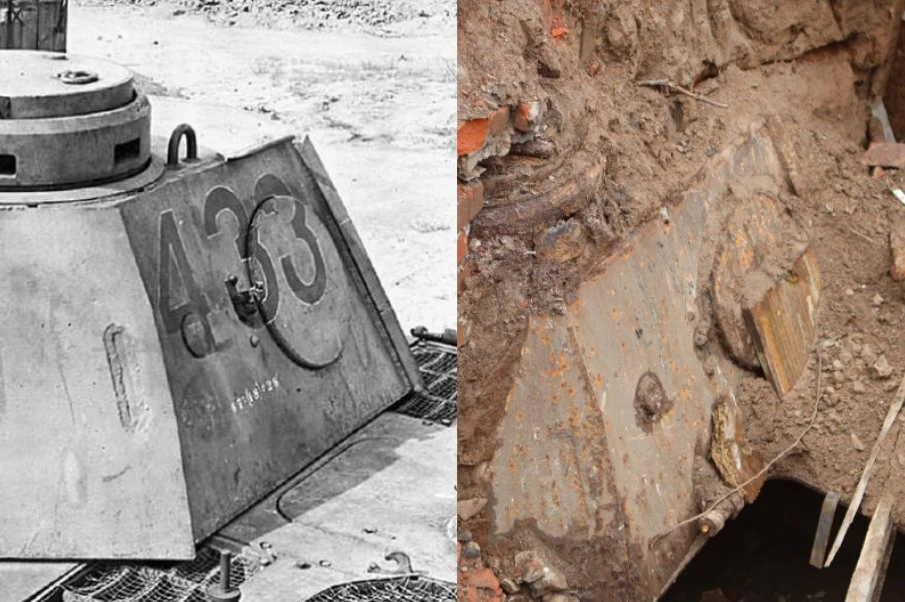
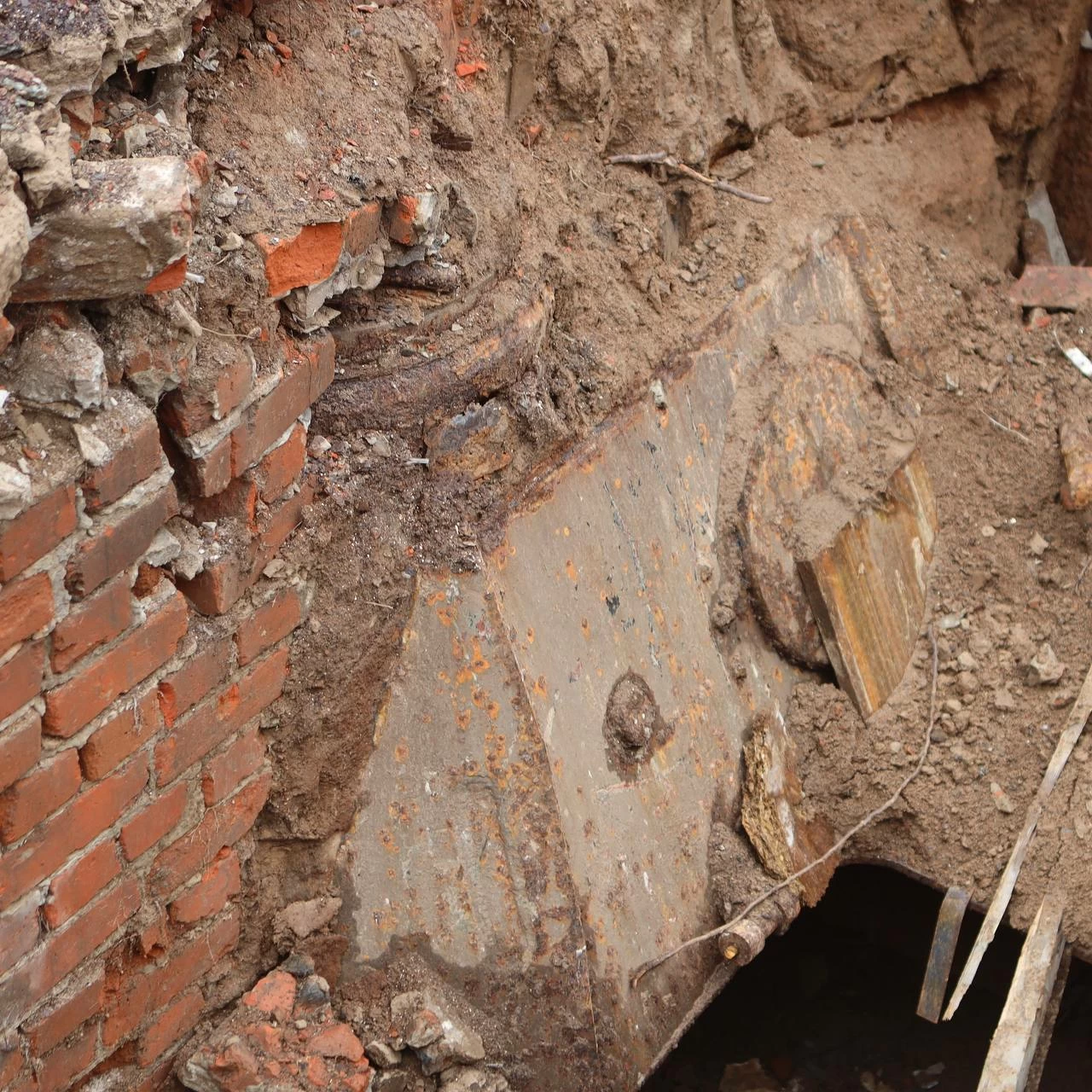
شهدت جامعة قازان الروسية للبحوث التكنولوجية اكتشافًا نادرًا خلال أعمال إنشائية، بعدما عثرت فرق العمل على دبابة ألمانية من طراز «بانثر» تعود إلى الحرب العالمية الثانية، مخبأة داخل مستودع قديم تحت الأرض في أحد مباني الجامعة.
وقالت الجامعة، في بيان نشرته على موقعها الإلكتروني، إن الدبابة ظهرت أثناء أعمال تفكيك مستودع قديم تحت الأرض، حيث عثرت فرق الإنشاء على دبابة من طراز «بانثر»، التي استخدمتها القوات الألمانية خلال الحرب العالمية الثانية.
وأوضحت الجامعة أن الدبابة كانت موجودة على عمق ضحل تحت سطح الأرض، داخل حفرة أُعدت خصيصًا لها، مشيرة إلى أن حالتها بدت جيدة نسبيًا رغم مرور عقود طويلة على انتهاء الحرب.
وكشفت المعطيات الأولية أن الدبابة لم تكن مخزنة هناك لأغراض عسكرية، وإنما كانت تستخدم في السابق لأغراض اختبارية مرتبطة بالمتفجرات، ما يفسر وجودها داخل منشأة تحت الأرض تابعة للمؤسسة التعليمية.
ولفتت الجامعة إلى أن البناء المحيط بالدبابة ساعد على بقائها في حالة جيدة، إذ لا تزال أحجار الطوب التي شكّلت جدران الحفرة موجودة، إلى جانب درج يؤدي مباشرة إلى برج الدبابة.
ويُعد العثور على دبابة «بانثر» داخل منشأة جامعية روسية اكتشافًا لافتًا، ليس فقط بسبب ندرة بقاء المعدات العسكرية الألمانية الثقيلة من تلك الحقبة في حالة جيدة، وإنما أيضًا بسبب الغموض الذي يحيط بمسار وصولها إلى قازان والوظيفة التي أدتها داخل المنشأة بعد انتهاء الحرب.
وتُعد «بانثر» من أشهر الدبابات الألمانية التي ظهرت خلال الحرب العالمية الثانية، إذ دخلت الخدمة في عام 1943، وصُممت أساسًا لمواجهة الدبابات السوفيتية الحديثة آنذاك، ولا سيما دبابة «تي-34».
وكانت الدبابة مزودة بمدفع عيار 75 ملم، وتميزت بتدريع مائل وفر لها مستوى مرتفعًا نسبيًا من الحماية، إلى جانب قوة نيران جعلتها من أبرز الدبابات الألمانية في النصف الثاني من الحرب.
وشاركت دبابات «بانثر» في عدد من المعارك الكبرى على الجبهة الشرقية، قبل أن تنتهي الحرب في أوروبا عام 1945، تاركة وراءها آلاف الآليات التي دُمرت أو استولت عليها القوات السوفيتية.
ويأتي هذا الاكتشاف ليضيف قطعة جديدة إلى سجل المعدات العسكرية التي خلفتها الحرب العالمية الثانية في روسيا، والتي لا تزال تظهر أحيانًا خلال أعمال البناء والتنقيب أو في المناطق التي شهدت نشاطًا عسكريًا خلال الحرب.
The Kazan Russian Technological University witnessed a rare discovery during construction work, as teams found a German "Panther" tank dating back to World War II, hidden inside an old underground warehouse in one of the university's buildings.
The university stated in a statement published on its website that the tank appeared during the dismantling of an old underground warehouse, where construction teams discovered a "Panther" tank that was used by German forces during World War II.
The university clarified that the tank was located at a shallow depth beneath the surface, inside a pit specifically prepared for it, noting that its condition appeared relatively good despite the decades that have passed since the end of the war.
Initial data revealed that the tank was not stored there for military purposes, but was previously used for testing related to explosives, which explains its presence inside an underground facility belonging to the educational institution.
The university pointed out that the surrounding structure helped the tank remain in good condition, as the bricks that formed the walls of the pit are still present, along with a staircase leading directly to the tank's turret.
Finding a "Panther" tank inside a Russian university facility is a remarkable discovery, not only because of the rarity of heavy German military equipment from that era remaining in good condition, but also due to the mystery surrounding how it arrived in Kazan and the role it played within the facility after the war.
The "Panther" is one of the most famous German tanks that appeared during World War II, having entered service in 1943, and was primarily designed to counter the modern Soviet tanks of that time, particularly the T-34 tank.
The tank was equipped with a 75 mm gun and featured sloped armor that provided it with a relatively high level of protection, along with firepower that made it one of the most prominent German tanks in the second half of the war.
"Panther" tanks participated in several major battles on the Eastern Front before the war in Europe ended in 1945, leaving behind thousands of vehicles that were destroyed or captured by Soviet forces.
This discovery adds a new piece to the record of military equipment left by World War II in Russia, which still occasionally emerges during construction and excavation work or in areas that witnessed military activity during the war.