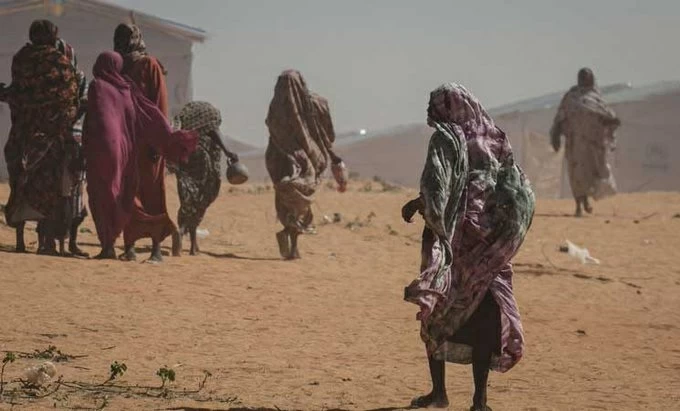
نزح نحو 40 ألف شخص خلال أسبوع واحد من محلية قيسان ومحيطها بإقليم النيل الأزرق جنوب شرقي السودان، وسط تصاعد العمليات العسكرية وتدهور الأوضاع الإنسانية، وفق منظمة حقوقية سودانية، في أحدث موجة نزوح تشهدها المنطقة منذ اتساع رقعة القتال فيها.
وقالت منظمة «مناصرة ضحايا دارفور» إن النازحين، وغالبيتهم من النساء والأطفال وكبار السن، فروا إلى مناطق ديم سعد ووَد المحامي والكار وغيرها، بعدما اضطر بعضهم إلى نقل أمتعتهم عبر المراكب وعبور النهر، بالتزامن مع هطول الأمطار وموسم الخريف.
وحذرت المنظمة من تفاقم أوضاع النازحين بسبب النقص الحاد في الغذاء ومياه الشرب ومواد الإيواء والخدمات الصحية، مشيرة إلى أن بعض الأسر تركت منازلها ومصادر رزقها بحثاً عن مناطق أكثر أمناً.
ودعت المنظمة إلى تدخل عاجل من المنظمات المحلية والإقليمية والدولية لتوفير المساعدات، وضمان حماية المدنيين، كما طالبت أطراف النزاع بإعلان هدنة إنسانية عاجلة تتيح إيصال الإغاثة إلى المتضررين.
وتزامن ذلك مع اتهام المنظمة للجيش السوداني بقصف الجسر الرابط بين منطقتي بكوري وأمورا في محلية قيسان بالمدفعية، ما أدى إلى تدميره، بحسب بيانها. وقالت إن الجسر يمثل طريقاً حيوياً لنقل السلع والبضائع وتنقل السكان، محذرة من أن تدميره خلال موسم الأمطار سيزيد من صعوبة وصول المدنيين إلى الحاجات الأساسية.
وتأتي هذه التطورات بعد اتساع رقعة القتال في إقليم النيل الأزرق، حيث أعلنت قوات تحالف «تأسيس»، الذي يضم قوات الدعم السريع والحركة الشعبية-شمال، السيطرة على قيسان ثم مدينة الكرمك الإستراتيجية في أغسطس الجاري.
وتكتسب قيسان والكرمك أهمية إستراتيجية بسبب موقعهما في جنوب شرقي السودان قرب الحدود مع إثيوبيا، فيما جعل تصاعد القتال في المنطقة النيل الأزرق إحدى الجبهات الرئيسية الجديدة في الحرب السودانية، بعد أن ظل الإقليم بعيداً نسبياً عن مركز المعارك خلال مراحل سابقة من الصراع. وتشير تقارير حديثة إلى استمرار العمليات العسكرية والغارات والقصف المتبادل في المنطقة.
ولا تأتي موجة النزوح الأخيرة بمعزل عن أزمة إنسانية أوسع في النيل الأزرق؛ فقد حذرت الأمم المتحدة في يوليو الماضي من أوضاع إنسانية وصحية حرجة تهدد نحو 170 ألف نازح في مواقع إيواء بالإقليم، بسبب تدهور خدمات المياه والصرف الصحي والنظافة، مع مخاطر متزايدة لانتشار الأمراض المنقولة بالمياه.
ويشهد السودان منذ أبريل 2023 حرباً بين الجيش وقوات الدعم السريع، أدت إلى واحدة من أكبر أزمات النزوح في العالم، مع استمرار اتساع رقعة العمليات العسكرية وتفاقم الحاجات الإنسانية، خصوصاً في المناطق التي تستقبل موجات جديدة من الفارين من القتال.
Approximately 40,000 people have been displaced in just one week from the Qaisan locality and its surroundings in the Blue Nile region of southeastern Sudan, amid escalating military operations and a deterioration of humanitarian conditions, according to a Sudanese human rights organization, in the latest wave of displacement the area has witnessed since the fighting expanded.
The organization "Advocacy for Darfur Victims" stated that the displaced, most of whom are women, children, and the elderly, fled to areas such as Deme Saad, Wad Al-Muhami, and Al-Kar, among others, after some were forced to transport their belongings by boats and cross the river, coinciding with the rainfall and the autumn season.
The organization warned of the worsening conditions for the displaced due to a severe shortage of food, drinking water, shelter materials, and health services, noting that some families left their homes and sources of livelihood in search of safer areas.
The organization called for urgent intervention from local, regional, and international organizations to provide assistance and ensure the protection of civilians, and it urged the conflicting parties to declare an immediate humanitarian ceasefire to allow relief to reach those affected.
This coincided with the organization accusing the Sudanese army of shelling the bridge connecting the areas of Bakouri and Amora in the Qaisan locality with artillery, leading to its destruction, according to its statement. It stated that the bridge represents a vital route for transporting goods and the movement of residents, warning that its destruction during the rainy season will increase the difficulty for civilians to access basic necessities.
These developments come after the expansion of fighting in the Blue Nile region, where the "Foundation" alliance, which includes the Rapid Support Forces and the Sudan People's Liberation Movement-North, announced control over Qaisan and then the strategic city of Kurmuk in August.
Qaisan and Kurmuk hold strategic importance due to their location in southeastern Sudan near the border with Ethiopia, while the escalation of fighting in the Blue Nile region has made it one of the new main fronts in the Sudanese war, after the region had remained relatively distant from the center of battles during previous stages of the conflict. Recent reports indicate that military operations, airstrikes, and mutual shelling continue in the area.
The recent wave of displacement does not occur in isolation from a broader humanitarian crisis in the Blue Nile; the United Nations warned last July of critical humanitarian and health conditions threatening around 170,000 displaced individuals in shelter sites in the region, due to the deterioration of water, sanitation, and hygiene services, with increasing risks of waterborne diseases spreading.
Since April 2023, Sudan has been witnessing a war between the army and the Rapid Support Forces, leading to one of the largest displacement crises in the world, with the continued expansion of military operations and worsening humanitarian needs, especially in areas receiving new waves of those fleeing the fighting.