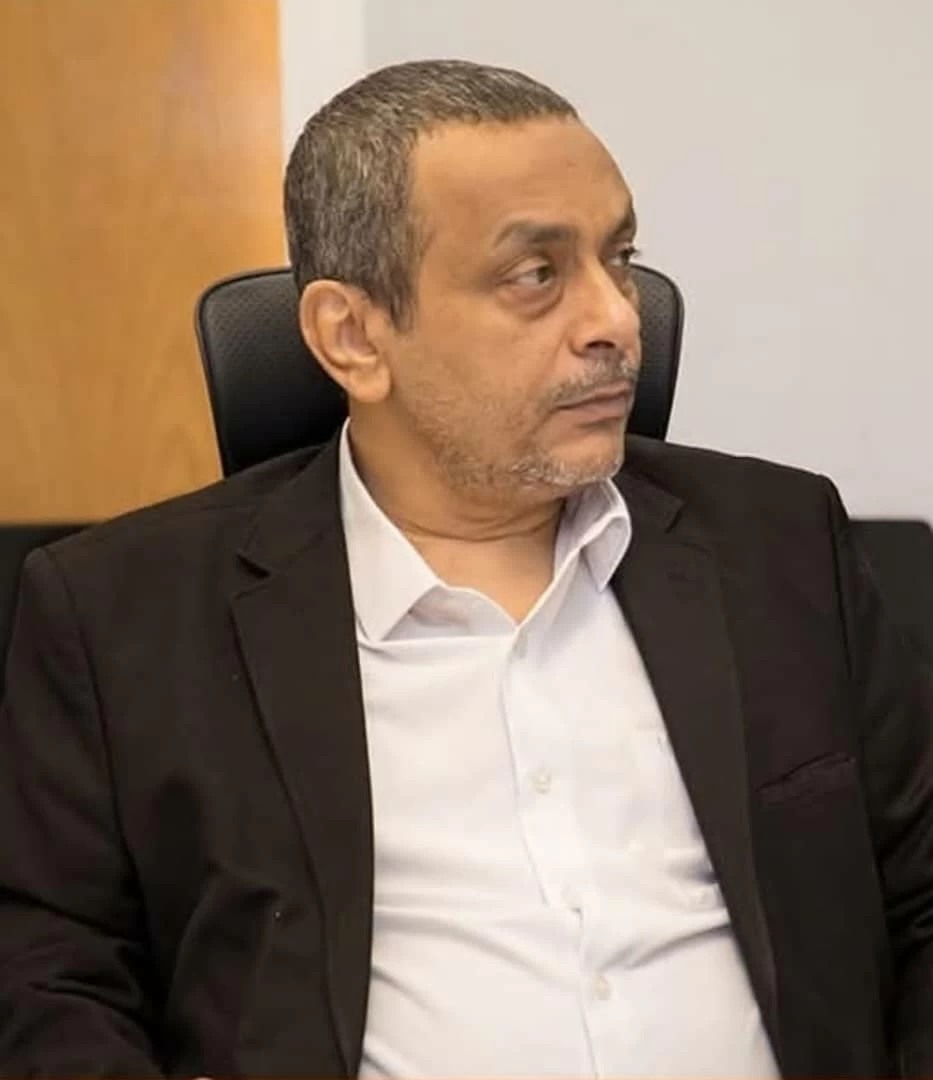
أكد عضو اللجنة التحضيرية للمجلس التنسيقي الأعلى، الأمين العام المساعد لمجلس حضرموت الوطني الدكتور رفعت سالم باصريح أن العلاقة بين المجلس التنسيقي الأعلى ومجلس القيادة الرئاسي والحكومة تقوم على المسؤولية الوطنية والشراكة المؤسسية واحترام مؤسسات الدولة، مبيناً أن المجلس يسعى لأن يكون إطاراً داعماً للتوافق ونقل تطلعات أبناء حضرموت بصورة مؤسسية ومنظمة، مع التأكيد على ضرورة تنفيذ الاستحقاقات المقررة لحضرموت لتعزيز الثقة المتبادلة.
وقال باصريح في حوار مع «عكاظ»: حضرموت تمتلك مقومات الدولة النموذجية من إنسان واعٍ، وتاريخ عريق، وموقع إستراتيجي، وثروات طبيعية تؤهلها للريادة، مؤكداً أن المجلس التنسيقي الأعلى ليس بديلاً للمكونات القائمة، بل يرتكز على مبدأ التكامل لا الإحلال والشراكة لا المنافسة.
وثمّن عضو اللجنة التحضيرية للمجلس التنسيقي، الدور الإقليمي المحوري للسعودية في دعم الأمن والاستقرار في اليمن وتقريب وجهات النظر وتشجيع الحوار والحلول السياسية.
استجابة لحاجة وطنية ملحة
وأكد باصريح أن فكرة تأسيس المجلس التنسيقي الأعلى جاءت استجابةً لحاجة وطنية ملحة فرضتها طبيعة المرحلة الحساسة التي تمر بها حضرموت واليمن عموماً، موضحاً أن حضرموت تمتلك رصيداً كبيراً من التنوع السياسي والمجتمعي الذي يمثل مصدر قوة حقيقية إذا تم تنظيمه وإدارته ضمن إطار من الحوار والتنسيق.
وحذر باصريح من أنه قد يتحول إلى عامل تشتت إذا غابت آليات التوافق والعمل المشترك، موضحاً أن الكيان الجديد لا ينطلق من فكرة منافسة الآخرين أو حل محل أي مكون قائم، بل يسعى لبناء مساحة مشتركة للحوار تعزز الشراكة الوطنية.
وعن الهدف الأساسي للمجلس والقيمة المضافة التي سيقدمها، أشار باصريح إلى أن الغاية الكبرى تتمثل في الانتقال من تعدد الجهود إلى تنسيقها، ومن تباين المواقف إلى بناء رؤية موحدة تجاه مستقبل حضرموت.
ولفت أن القيمة الحقيقية للمجلس في تأسيس عمل مؤسسي مستدام يجمع مختلف القوى حول القواسم المشتركة، ويتيح إدارة الاختلاف بروح إيجابية ومسؤولة، مما يرفع من قدرة حضرموت على الدفاع عن مصالحها، وجذب الاستثمار، وتحقيق الأمن والاستقرار والتنمية المنشودة.
مبدأ التكامل لا الإحلال
وفي ردّه على المخاوف المثارة بشأن احتمالية أن يقوم المجلس بإضعاف المكونات القائمة أو الحلول محلها، أكد باصريح أن هذا التخوف مفهوم، لكنه لا يعكس أهداف المجلس أو فلسفة تأسيسه القائمة على «مبدأ التكامل لا الإحلال، والشراكة لا المنافسة».
وبيّن أن المكونات الحضرمية تمتلك تاريخاً وتجارب وحضوراً مجتمعياً وسياسياً معتبراً، والمجلس لا يسعى لإلغاء أي منها أو الانتقاص من دورها، بل يهدف لإيجاد مساحة تجمع الجميع حول القضايا الكبرى، مشدداً على أن قوة المشروع الحضرمي الحقيقية تكمن في استيعاب التنوع وتحويله إلى عنصر قوة ووحدة صف.
وحول علاقة المجلس التنسيقي بالمكونات الأخرى، والقوى السياسية والمجتمعية، شدد باصريح على أن حضرموت تتسع للجميع وأن مستقبلها لا يُبنى بالإقصاء.
ومن موقعه كونه أميناً عاماً مساعداً لمجلس حضرموت الوطني بالمكلا، أشار إلى أن المرحلة تتطلب تكامل المبادرات لا تنافسها، مبيناً أن أي اختلاف في الرؤى يمكن تجاوزه عبر الحوار المسؤول خدمة للمصلحة العليا لحضرموت.
وأكد أن الجمع بين عضويته في اللجنة التحضيرية للمجلس التنسيقي وأمانة مجلس حضرموت الوطني لا يشكل أي تعارض، بل يلتقيان عند هدف خدمة حضرموت وتعزيز حضورها.
ثوابت وطنية ورؤية اقتصادية
وفي ما يتعلق بالموقف السياسي للمجلس ومدى تبنيه لمشاريع كالحكم الذاتي أو الفيدرالية، أوضح باصريح أن المجلس ليس إطاراً أيديولوجياً يتبنى مشروعاً سياسياً مسبقاً، بل هو منصة للتنسيق والحوار.
وأضاف أولوية المرحلة تتمثل في بناء التوافق الحضرمي وصياغة رؤية مشتركة، أما شكل الدولة والنظام السياسي فهي قضايا وطنية تُناقش عبر الحوار الشامل بما يضمن مشاركة أبناء حضرموت الفاعلة وصياغة مستقبلهم.
وعلى صعيد العلاقة بمجلس القيادة الرئاسي والحكومة، أكد أن العلاقة تقوم على المسؤولية الوطنية والشراكة المؤسسية، إذ يسعى المجلس ليكون إطاراً داعماً للتوافق ونقل تطلعات المجتمع بصورة منظمة، مع التأكيد على أهمية تنفيذ الاستحقاقات المقررة لحضرموت لتعزيز الثقة المتبادلة.
وشدد على أن معادلة ربط استئناف تصدير النفط بتنفيذ حقوق حضرموت هي معادلة عدالة وشراكة وطنية، فدعم التصدير مصلحة اقتصادية وطنية، لكن التنمية والاستقرار لا يتحققان إلا بضمان حقوق حضرموت وثرواتها كعامل بناء وتنمية عادلة.
شراكة إقليمية وأبعاد مجتمعية
وثمّن باصريح الدور الإقليمي المحوري للمملكة العربية السعودية في دعم الأمن والاستقرار وتقريب وجهات النظر في اليمن، مؤكداً أن الدعم الإقليمي والدولي يكون أكثر فاعلية حين يعزز التوافق الداخلي والمؤسسي.
وأشار إلى أن أبرز تحديات اللجنة التحضيرية تتمثل في تحقيق أوسع توافق ممكن، وصياغة وثائق تنظيمية تعكس تطلعات الجميع، وتحويل التوافق إلى عمل مؤسسي مستدام يحقق نتائج ملموسة على الأرض تتجاوز حدود الإعلانات السياسية.
وشدد على حتمية مشاركة الشباب والمرأة ومؤسسات المجتمع المدني في صناعة القرار، معتبراً أن نجاح المجلس مرتبط بقدرته على استيعاب الطاقات والكفاءات وتوسيع دائرة المشاركة وتكريس تكافؤ الفرص.
وأبدى تفاؤله الكبير بمستقبل حضرموت وما تمتلكه من مقومات إنسانية وتاريخية وثروات طبيعية تؤهلها للريادة شريطة وحدة الصف والعمل المؤسسي.
واختتم باصريح الحوار بالتأكيد على أن حضرموت تطالب بحقوقها المشروعة في إطار العدالة والشراكة، داعياً القوى والمكونات كافة إلى تغليب لغة الحوار والمصلحة العامة.
وأعرب باصريح عن شكره لكل من أسهم في هذا المشروع الوطني، وفي مقدمتهم عضو مجلس القيادة الرئاسي ومحافظ حضرموت سالم أحمد الخنبشي، وأعضاء اللجنة التحضيرية واللجان الفنية، مجدداً العزم على المضي قدماً نحو بناء مستقبل يليق بأبناء حضرموت ويحفظ حقوقهم ووحدة صفهم.
Member of the Preparatory Committee for the Supreme Coordinating Council, Assistant Secretary-General of the Hadhramaut National Council, Dr. Rafat Salem Basrih, confirmed that the relationship between the Supreme Coordinating Council and the Presidential Leadership Council and the government is based on national responsibility, institutional partnership, and respect for state institutions. He indicated that the council seeks to be a supportive framework for consensus and to convey the aspirations of the people of Hadhramaut in an institutional and organized manner, emphasizing the necessity of implementing the established entitlements for Hadhramaut to enhance mutual trust.
Basrih stated in an interview with "Okaz": Hadhramaut possesses the components of a model state, including an aware population, a rich history, a strategic location, and natural resources that qualify it for leadership. He affirmed that the Supreme Coordinating Council is not a substitute for existing components but is based on the principle of integration, not replacement, and partnership, not competition.
He praised the pivotal regional role of Saudi Arabia in supporting security and stability in Yemen, bringing perspectives closer, and encouraging dialogue and political solutions.
In Response to an Urgent National Need
Basrih confirmed that the idea of establishing the Supreme Coordinating Council came in response to an urgent national need imposed by the sensitive phase that Hadhramaut and Yemen are going through in general, explaining that Hadhramaut has a significant stock of political and social diversity that represents a real source of strength if organized and managed within a framework of dialogue and coordination.
He warned that it could turn into a factor of dispersion if mechanisms for consensus and joint action are absent, clarifying that the new entity does not start from the idea of competing with others or replacing any existing component but seeks to build a common space for dialogue that enhances national partnership.
Regarding the main goal of the council and the added value it will provide, Basrih pointed out that the ultimate aim is to transition from multiple efforts to their coordination, and from differing positions to building a unified vision for the future of Hadhramaut.
He noted that the true value of the council lies in establishing sustainable institutional work that brings together various forces around common denominators, allowing for the management of differences in a positive and responsible spirit, thereby enhancing Hadhramaut's ability to defend its interests, attract investment, and achieve the desired security, stability, and development.
The Principle of Integration, Not Replacement
In response to concerns raised about the possibility of the council weakening existing components or replacing them, Basrih confirmed that this concern is understandable, but it does not reflect the council's objectives or its founding philosophy based on "the principle of integration, not replacement, and partnership, not competition."
He clarified that the Hadhrami components have a significant history, experiences, and community and political presence, and the council does not seek to eliminate any of them or diminish their role but aims to create a space that gathers everyone around major issues, stressing that the true strength of the Hadhrami project lies in absorbing diversity and transforming it into a source of strength and unity.
Regarding the relationship of the Supreme Coordinating Council with other components, political forces, and community groups, Basrih emphasized that Hadhramaut has room for everyone and that its future cannot be built on exclusion.
From his position as Assistant Secretary-General of the Hadhramaut National Council in Mukalla, he indicated that the phase requires the integration of initiatives, not their competition, explaining that any differences in visions can be overcome through responsible dialogue in service of the higher interest of Hadhramaut.
He confirmed that his membership in the Preparatory Committee for the Coordinating Council and the Secretariat of the Hadhramaut National Council does not constitute any conflict but rather converges at the goal of serving Hadhramaut and enhancing its presence.
National Constants and Economic Vision
Regarding the political stance of the council and its adoption of projects such as self-governance or federalism, Basrih clarified that the council is not an ideological framework that adopts a pre-existing political project but is a platform for coordination and dialogue.
He added that the priority of the phase lies in building Hadhrami consensus and formulating a common vision, while the shape of the state and the political system are national issues to be discussed through comprehensive dialogue that ensures the active participation of the people of Hadhramaut in shaping their future.
On the relationship with the Presidential Leadership Council and the government, he confirmed that the relationship is based on national responsibility and institutional partnership, as the council seeks to be a supportive framework for consensus and to convey the community's aspirations in an organized manner, emphasizing the importance of implementing the established entitlements for Hadhramaut to enhance mutual trust.
He stressed that the equation of linking the resumption of oil exports to the implementation of Hadhramaut's rights is an equation of justice and national partnership, as supporting exports is a national economic interest, but development and stability can only be achieved by guaranteeing Hadhramaut's rights and resources as a factor for fair construction and development.
Regional Partnership and Community Dimensions
Basrih praised the pivotal regional role of the Kingdom of Saudi Arabia in supporting security and stability and bringing perspectives closer in Yemen, affirming that regional and international support is more effective when it enhances internal and institutional consensus.
He pointed out that the main challenges facing the Preparatory Committee are to achieve the broadest possible consensus, formulate regulatory documents that reflect everyone's aspirations, and transform consensus into sustainable institutional work that achieves tangible results on the ground that go beyond the limits of political announcements.
He emphasized the necessity of involving youth, women, and civil society institutions in decision-making, considering that the success of the council is linked to its ability to absorb energies and competencies, expand the circle of participation, and establish equal opportunities.
He expressed great optimism about the future of Hadhramaut and what it possesses of human, historical, and natural resources that qualify it for leadership, provided there is unity of ranks and institutional work.
Basrih concluded the dialogue by affirming that Hadhramaut demands its legitimate rights within the framework of justice and partnership, calling on all forces and components to prioritize the language of dialogue and the public interest.
He expressed his gratitude to everyone who contributed to this national project, especially to the member of the Presidential Leadership Council and the Governor of Hadhramaut, Salem Ahmed Al-Khanbashi, and the members of the Preparatory Committee and technical committees, reiterating the determination to move forward towards building a future that befits the people of Hadhramaut and preserves their rights and unity.