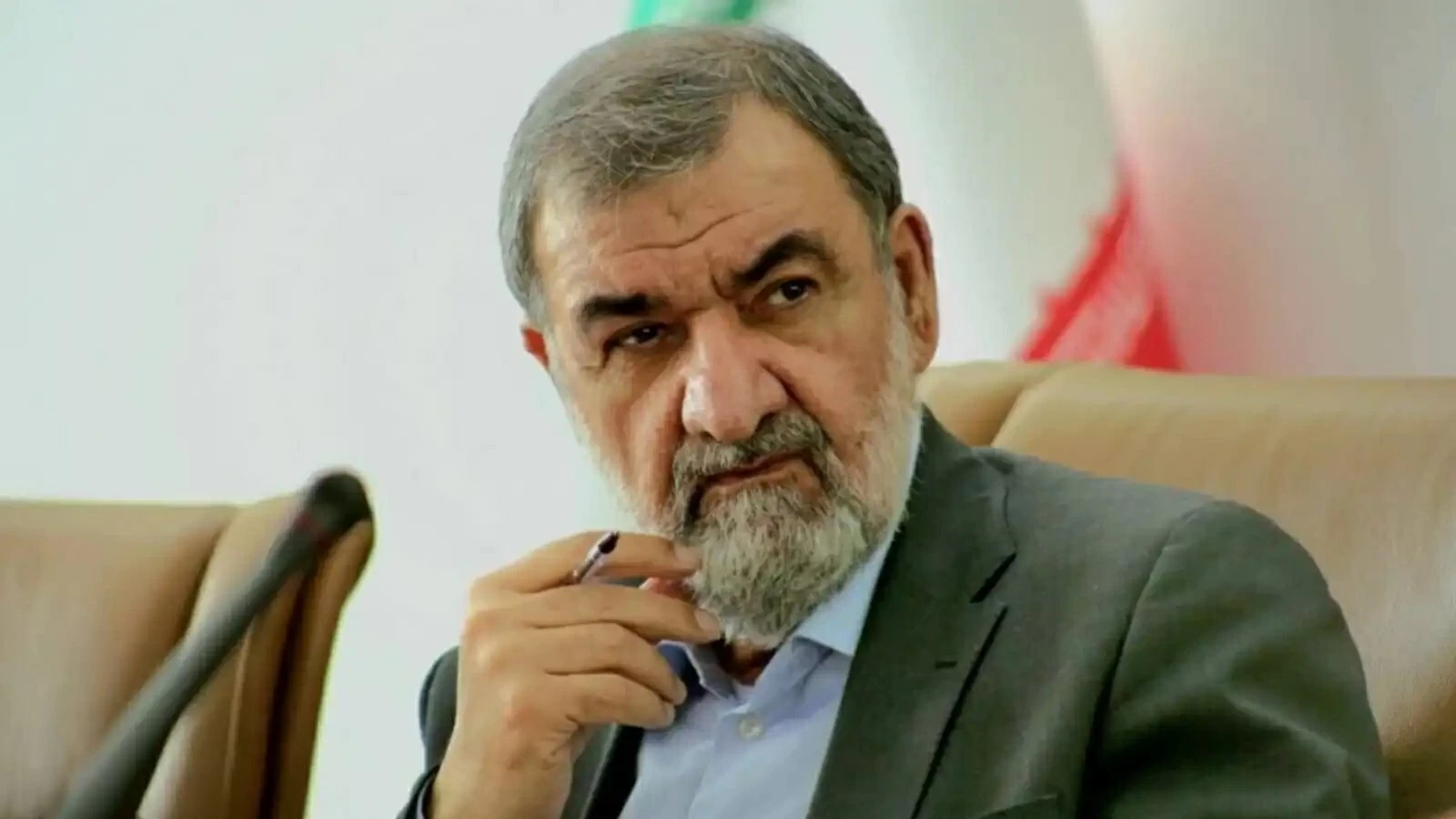
أصدر المرشد الإيراني مجتبى خامنئي، اليوم (الأحد)، قراراً بتعيين اللواء محسن رضائي ممثلاً له في المجلس الأعلى للأمن القومي الإيراني، بعد فترة من الارتباك والجدل.
وأعرب خامنئي عن أمله في أن ينجح رضائي في أداء هذه المسؤولية، فيما أكد أن سلفه محمد باقر ذو القدر لا يزال في وضع صحي صعب، ودعا له بالشفاء.
وذكرت وكالة فارس أن رضائي كان من أبرز قادة فترة الحرب العراقية الإيرانية، وتولى قيادة الحرس الثوري الإيراني خلال جزء كبير من سنوات الحرب.
وجاء التعيين بالتزامن مع حديث الرئيس الإيراني مسعود بزشكيان عن ضرورة الانتقال من حالة «لا حرب ولا سلام» إلى مسار أكثر استقراراً.
وكان قرار تعيينه قد أثار جدلاً خلال الأيام الماضية، ودفع بوكالة «إيسنا» التي نشرت الخبر لبضع دقائق قبل أن تحذفه، كما سحبت وكالات إيرانية أخرى، من بينها «تسنيم» و«مهر»، الخبر نفسه.
وقال مساعد شؤون الاتصالات والإعلام في مكتب الرئيس الإيراني، مهدي طباطبائي، إن تعيين محسن رضائي أميناً للمجلس الأعلى للأمن القومي جاء بموجب مرسوم أصدره الرئيس مسعود بزشكيان، موضحاً على حسابه في «إكس» أن القرار جاء بعد استقالة محمد باقر ذو القدر من منصبه أميناً للمجلس وقبولها، وتوليه مسؤولية جديدة.
ولاحقاً، أفادت وسائل إعلام إيرانية بإصدار خامنئي مرسوماً بتعيين محمد باقر ذو القدر مستشاراً سياسياً له.
بدوره، قال بزشكيان في مؤتمر صحفي عقده بمناسبة يوم الصحفي، إن الظروف الحالية قد تمثل فرصة مناسبة لمواصلة مسار التوصل إلى اتفاق وحل القضايا عبر الحوار، موضحاً أن إيران تستطيع من خلال المفاوضات متابعة حقوقها ومطالبها.
ورأى الرئيس الإيراني أن «الوقت الحالي هو أفضل وقت للتوصل إلى اتفاق»، واصفاً الوضع الحالي بأنه «لا حرب ولا سلام».
وأشار إلى أن التحدي الرئيسي الذي تواجهه حكومته لا يتمثل بالضرورة في احتمال شن هجوم أمريكي جديد، وإنما في الأوضاع الاقتصادية ومعيشة المواطنين.
The Iranian leader, Mojtaba Khamenei, issued a decision today (Sunday) appointing Major General Mohsen Rezaei as his representative in the Iranian Supreme National Security Council, after a period of confusion and controversy.
Khamenei expressed hope that Rezaei would succeed in fulfilling this responsibility, while confirming that his predecessor, Mohammad Baqer Qalibaf, remains in a difficult health condition and prayed for his recovery.
Fars News Agency reported that Rezaei was one of the prominent leaders during the Iran-Iraq War and led the Iranian Revolutionary Guard for a significant part of the war years.
The appointment coincided with Iranian President Masoud Bezhakian's remarks about the need to transition from a state of "neither war nor peace" to a more stable path.
The decision to appoint him had sparked controversy in recent days, prompting the "ISNA" agency, which published the news, to delete it after a few minutes, as well as other Iranian agencies, including "Tasnim" and "Mehr," to retract the same news.
Mahdi Tabatabai, the assistant for communications and media in the Iranian president's office, stated that Mohsen Rezaei's appointment as Secretary of the Supreme National Security Council came by a decree issued by President Masoud Bezhakian, clarifying on his account on "X" that the decision followed Mohammad Baqer Qalibaf's resignation from his position as Secretary of the council and its acceptance, as he took on a new responsibility.
Later, Iranian media reported that Khamenei issued a decree appointing Mohammad Baqer Qalibaf as his political advisor.
For his part, Bezhakian stated at a press conference held on Journalist Day that the current circumstances might represent a suitable opportunity to continue the path toward reaching an agreement and resolving issues through dialogue, explaining that Iran can pursue its rights and demands through negotiations.
The Iranian president viewed the "current time as the best time to reach an agreement," describing the current situation as "neither war nor peace."
He pointed out that the main challenge facing his government is not necessarily the possibility of a new American attack, but rather the economic conditions and the livelihoods of citizens.