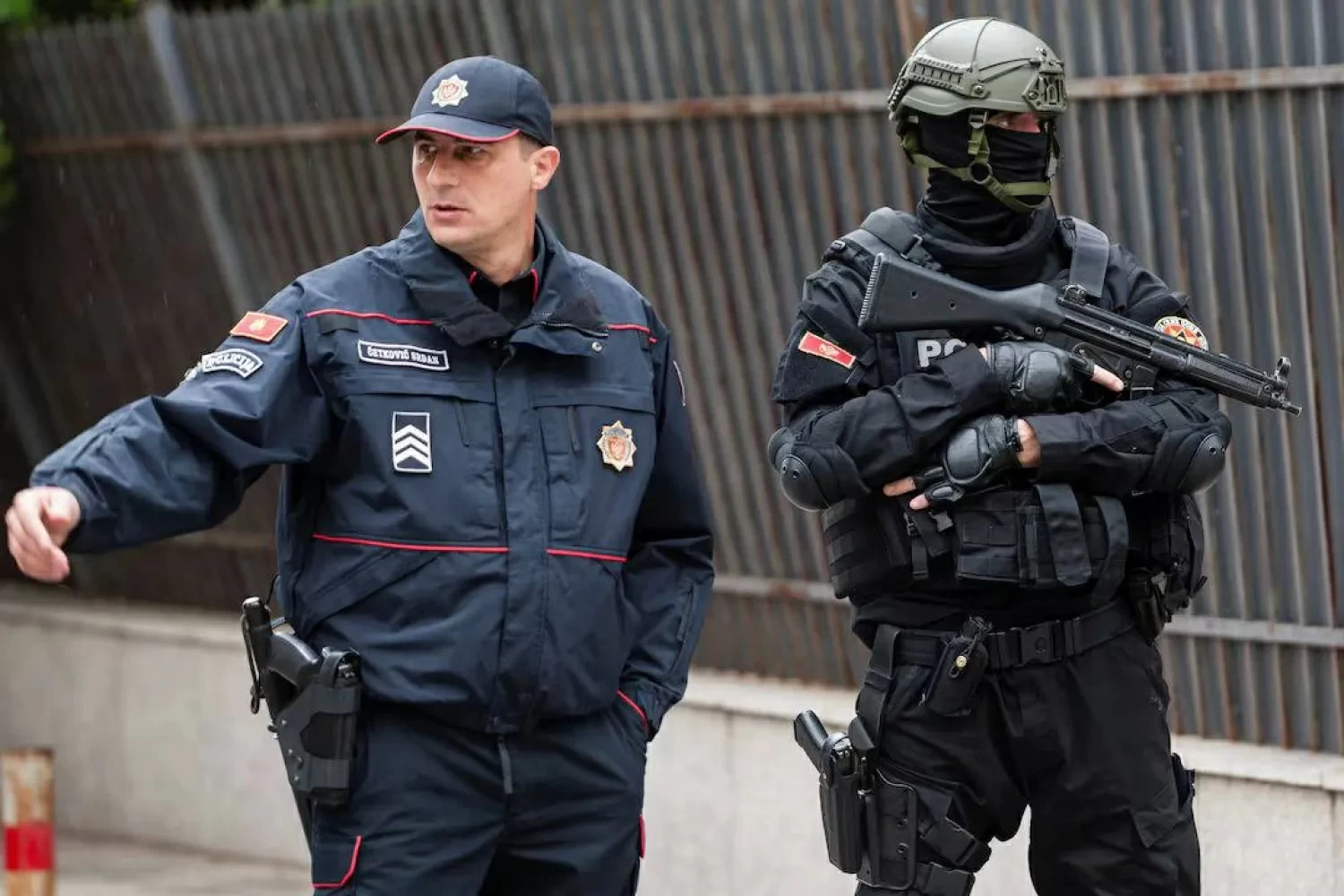
أعلنت شرطة الجبل الأسود بالتعاون مع مكتب التحقيقات الفيدرالي الأمريكي (FBI)، القبض على إيراني يشتبه في تورطه بهجمات قرصنة ألحقت أضراراً قيمتها 3.4 مليار دولار ببنية تحتية أمريكية.
وأصدرت محكمة المقاطعة الجنوبية في نيويورك أمراً باعتقال الرجل (39 عاماً)، الذي يحمل الجنسيتين الإيرانية والتركية، لمحاكمته بتهم من بينها التآمر لارتكاب أعمال احتيال إلكتروني والقرصنة وسرقة معلومات شخصية.
ووفق مديرية الشرطة في الجبل الأسود، فإن الشرطة قبضت عليه في منتجع كوتور الساحلي على البحر الأدرياتيكي.
وأضافت في بيان أنه «شن هجمات قرصنة على نطاق واسع... منذ عام 2013... واستهدف أكثر من 150 جامعة في الولايات المتحدة، وتسبب في أضرار تقدر بأكثر من 3.4 مليار دولار».
وذكرت الشرطة أن القضية ستحال الآن إلى قاض بالمحكمة العليا في بودجوريتشا عاصمة الجبل الأسود لبدء إجراءات التسليم.
وأشارت إلى أن الحرس الثوري وكيانات إيرانية أخرى، من بينها جامعات، استفادت من البيانات التي حصل عليها والوصول إلى الحسابات المخترقة للجامعات.
وحذرت أجهزة الأمن الإلكتروني وإنفاذ القانون والمخابرات الأمريكية في أبريل من زيادة حملات القرصنة الإيرانية التي تستهدف البنية التحتية الحيوية للولايات المتحدة.
The police of Montenegro, in cooperation with the American Federal Bureau of Investigation (FBI), announced the arrest of an Iranian suspected of being involved in hacking attacks that caused damages worth $3.4 billion to American infrastructure.
A federal court in the Southern District of New York issued a warrant for the arrest of the 39-year-old man, who holds both Iranian and Turkish citizenship, to stand trial on charges including conspiracy to commit electronic fraud, hacking, and stealing personal information.
According to the police directorate in Montenegro, the police apprehended him in the coastal resort of Kotor on the Adriatic Sea.
It added in a statement that he "has been launching widespread hacking attacks... since 2013... targeting more than 150 universities in the United States, causing damages estimated at over $3.4 billion."
The police stated that the case will now be referred to a judge in the High Court in Podgorica, the capital of Montenegro, to initiate extradition proceedings.
It pointed out that the Revolutionary Guard and other Iranian entities, including universities, benefited from the data he obtained and access to the hacked accounts of the universities.
In April, U.S. cybersecurity, law enforcement, and intelligence agencies warned of an increase in Iranian hacking campaigns targeting critical infrastructure in the United States.