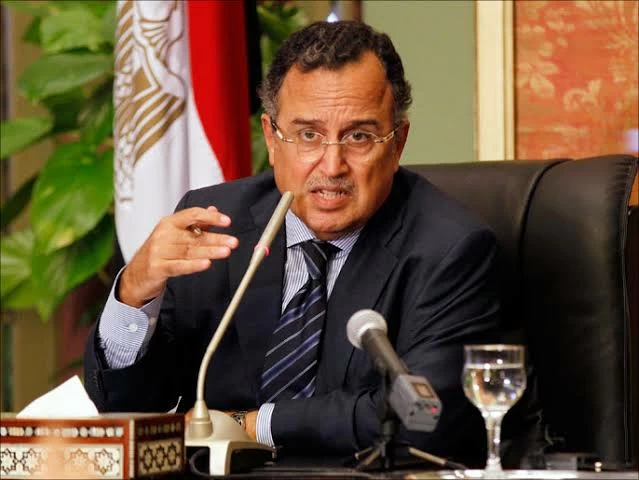
أكد الأمين العام الجديد لجامعة الدول العربية الدكتور نبيل فهمي، أن الجامعة العربية ستظل «بيت العرب الجامع» والإطار الرئيسي لتنسيق المواقف العربية والدفاع عن المصالح المشتركة، في أول تصريح له عقب اعتماده رسمياً أميناً عاماً للجامعة العربية لمدة خمس سنوات تبدأ اعتباراً من الأول من يوليو القادم.
وجاءت تصريحات فهمي بعد ساعات من اعتماد مجلس جامعة الدول العربية على المستوى الوزاري، خلال دورته العادية المستأنفة الـ165 التي عقدت في العاصمة الأردنية عمّان، تعيينه بالإجماع أميناً عاماً جديداً للجامعة العربية خلفاً لأحمد أبو الغيط.
وأعرب الأمين العام الجديد للجامعة العربية عن خالص شكره وتقديره للقادة العرب على الثقة التي أولوه إياها، مؤكداً أن الإجماع العربي على اختياره لا يمثل فقط موضع اعتزاز شخصي، وإنما مسؤولية تاريخية كبيرة يعتزم الاضطلاع بها بكل التزام وإخلاص.
وقال إن الأمة العربية تمر بمرحلة دقيقة ومفصلية من تاريخها، في ظل ما تواجهه من تحديات جسام ومتغيرات إقليمية ودولية متسارعة، الأمر الذي يتطلب تعزيز العمل العربي المشترك والدفاع عن المصالح العربية وترسيخ مبادئ التضامن بين الدول العربية كافة.
وشدد الأمين العام الجديد على أهمية احترام سيادة الدول العربية وصون أمنها وسلامة أراضيها، إلى جانب دعم الجهود الوطنية لتحقيق التنمية المستدامة وتحسين أوضاع الشعوب العربية، مؤكداً ضرورة حسن استثمار الإمكانات والموارد الكبيرة التي تمتلكها الأمة العربية لتحقيق مستقبل أكثر استقراراً وازدهاراً.
وأكد فهمي أن الجامعة العربية ستواصل أداء دورها كمنصة جامعة للحوار والتشاور والتنسيق بين الدول الأعضاء، مشيراً إلى العمل خلال المرحلة القادمة على تطوير المنظمة العربية وتحديث آليات عملها بما يتواكب مع التحولات الدولية والإقليمية المتسارعة.
وأضاف أن المرحلة القادمة تتطلب تكثيف التنسيق والتشاور العربي لمواجهة الأزمات والتهديدات التي تشهدها المنطقة، إلى جانب تعزيز التعاون العربي للاستفادة من الفرص المتاحة وتحويل التحديات الراهنة إلى فرص تدعم الاستقرار والتنمية.
ويأتي تعيين نبيل فهمي على رأس الأمانة العامة للجامعة العربية في وقت تواجه المنطقة العربية تحديات سياسية وأمنية واقتصادية متشابكة، تتصدرها تطورات القضية الفلسطينية، والتوترات الإقليمية، والأزمات الممتدة في عدد من الدول العربية، فضلاً عن الحاجة إلى تطوير آليات العمل العربي المشترك وتعزيز التكامل بين الدول الأعضاء.
ويعد نبيل فهمي أحد أبرز الدبلوماسيين المصريين والعرب، وشغل منصب وزير الخارجية المصري من يونيو 2013 حتى يوليو 2014، كما تولى منصب سفير مصر لدى الولايات المتحدة ومندوبها الدائم لدى الأمم المتحدة في جنيف، واكتسب خبرة واسعة في ملفات الأمن الإقليمي والعلاقات الدولية ونزع السلاح.
ويأتي اختياره أميناً عاماً لجامعة الدول العربية خلفاً لأحمد أبو الغيط الذي قاد المنظمة منذ 2016، وهي فترة شهدت العديد من التحديات الإقليمية الكبرى، من بينها الأزمات في سورية وليبيا واليمن والسودان، إلى جانب الحرب في غزة وتصاعد التوترات الإقليمية.
وتأسست جامعة الدول العربية عام 1945، وتضم 22 دولة عربية، وتعد الإطار المؤسسي الأبرز للعمل العربي المشترك، وتضطلع بدور محوري في تنسيق المواقف السياسية العربية وتعزيز التعاون الاقتصادي والاجتماعي والثقافي بين الدول الأعضاء، فضلاً عن تمثيل المصالح العربية في المحافل الدولية والإقليمية.
ويواجه الأمين العام الجديد ملفات معقدة خلال ولايته القادمة، في مقدمتها دعم القضية الفلسطينية، وتعزيز الأمن القومي العربي، وتطوير منظومة العمل العربي المشترك، ومواكبة التحولات المتسارعة في مجالات الاقتصاد الرقمي والذكاء الاصطناعي والتنمية المستدامة.
The new Secretary-General of the Arab League, Dr. Nabil Fahmy, confirmed that the Arab League will remain "the house of all Arabs" and the main framework for coordinating Arab positions and defending common interests, in his first statement following his official appointment as Secretary-General of the Arab League for a five-year term starting from July 1st.
Fahmy's statements came just hours after the Council of the Arab League at the ministerial level approved, during its resumed 165th ordinary session held in the Jordanian capital, Amman, his unanimous appointment as the new Secretary-General of the Arab League, succeeding Ahmed Aboul Gheit.
The new Secretary-General of the Arab League expressed his sincere gratitude and appreciation to the Arab leaders for the trust they have placed in him, affirming that the Arab consensus on his selection represents not only a personal honor but also a significant historical responsibility that he intends to undertake with full commitment and sincerity.
He stated that the Arab nation is going through a critical and pivotal phase in its history, amid the immense challenges and rapidly changing regional and international dynamics it faces, which requires enhancing joint Arab action, defending Arab interests, and solidifying the principles of solidarity among all Arab countries.
The new Secretary-General emphasized the importance of respecting the sovereignty of Arab states and safeguarding their security and territorial integrity, in addition to supporting national efforts to achieve sustainable development and improve the conditions of Arab peoples, stressing the necessity of effectively utilizing the vast capabilities and resources possessed by the Arab nation to achieve a more stable and prosperous future.
Fahmy confirmed that the Arab League will continue to perform its role as a platform for dialogue, consultation, and coordination among member states, noting that efforts will be made in the upcoming phase to develop the Arab organization and modernize its working mechanisms to keep pace with the rapid international and regional transformations.
He added that the upcoming phase requires intensifying Arab coordination and consultation to address the crises and threats facing the region, as well as enhancing Arab cooperation to take advantage of available opportunities and turn current challenges into opportunities that support stability and development.
Nabil Fahmy's appointment as the head of the Arab League's secretariat comes at a time when the Arab region is facing intertwined political, security, and economic challenges, topped by developments in the Palestinian issue, regional tensions, and ongoing crises in several Arab countries, in addition to the need to develop mechanisms for joint Arab action and enhance integration among member states.
Nabil Fahmy is considered one of the most prominent Egyptian and Arab diplomats, having served as Egypt's Foreign Minister from June 2013 to July 2014, and also held the position of Egypt's Ambassador to the United States and its Permanent Representative to the United Nations in Geneva, gaining extensive experience in regional security, international relations, and disarmament issues.
His selection as Secretary-General of the Arab League follows Ahmed Aboul Gheit, who led the organization since 2016, a period that witnessed many major regional challenges, including the crises in Syria, Libya, Yemen, and Sudan, as well as the war in Gaza and escalating regional tensions.
The Arab League was established in 1945 and includes 22 Arab countries, serving as the most prominent institutional framework for joint Arab action. It plays a pivotal role in coordinating Arab political positions and enhancing economic, social, and cultural cooperation among member states, as well as representing Arab interests in international and regional forums.
The new Secretary-General faces complex issues during his upcoming term, primarily supporting the Palestinian cause, enhancing Arab national security, developing the system of joint Arab action, and keeping pace with the rapid transformations in the fields of digital economy, artificial intelligence, and sustainable development.