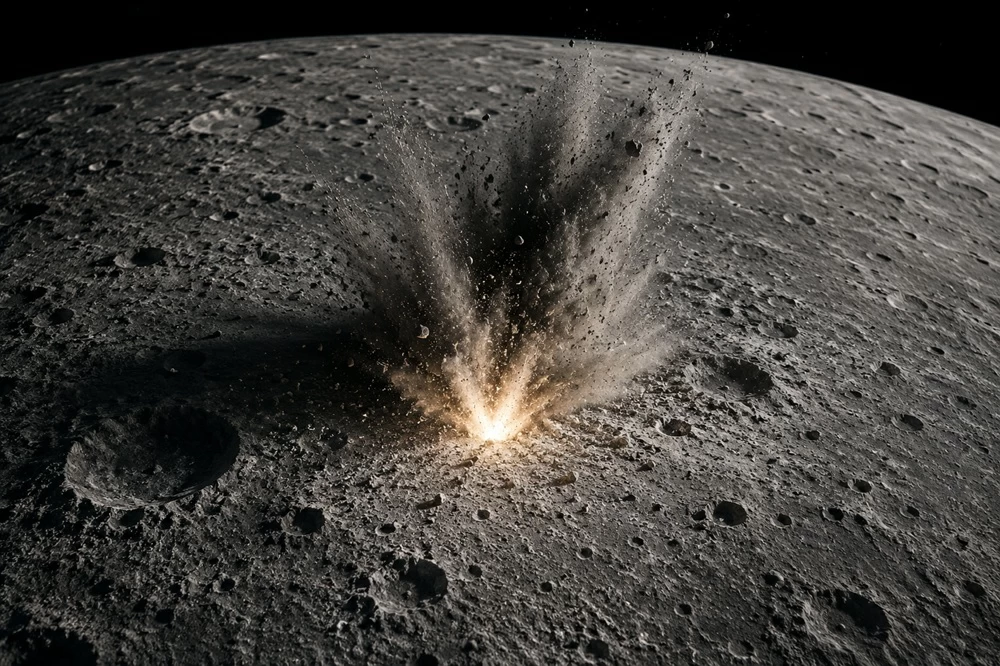
ارتطمت الطبقة العليا من صاروخ تابع لشركة «سبيس إكس» بسطح القمر (الأربعاء) كما أكّد علماء استنادًا إلى عمليات رصد أُجريت بواسطة تلسكوب في تشيلي التقط أدلة على وجود سحابة من الحطام.
ويتوقع أن يكون الارتطام الذي لم يكن متعمدًا، أحدث فوهة على سطح القمر تأمل وكالات الفضاء بما فيها «ناسا» الأمريكية في توثيقها.
وكان العلماء يتوقعون أن ترتطم الطبقة العليا من صاروخ «فالكون 9» التي توازي في حجمها حافلة، بسطح القمر نحو الساعة 6:35 بتوقيت غرينتش (الأربعاء)، وهو ما حدث.
وأعلن المرصد الأوروبي الجنوبي على وسائل التواصل الاجتماعي أن التلسكوب التابع له والموجود في تشيلي «رصد خطوطًا طيفية»، وهي بصمات كيميائية للصوديوم والليثيوم في سحابة الارتطام التي استمرت بين خمس وعشر دقائق بعد وقوع الحدث.
وأوضح أن الصوديوم مصدره على الأرجح التربة القمرية، في حين أن الليثيوم قد يكون مصدره الصاروخ.
وتعتزم وكالة الفضاء الأمريكية (ناسا) التقاط صور لموقع الاصطدام عبر مسبارها القمري «لونار ريكونيسانس أوربيتر» والمسبار الكوري الجنوبي «باثفايندر لونار أوربيتر»، مع العلم أنّ توافر الصور سيستغرق أيامًا.
وكان العلماء وهواة الفلك يأملون في مشاهدة سحابة الغبار والصخور والحطام التي نتجت عن حادثة الارتطام وأضاءتها الشمس.
وبافتراض أن الوقود قد استُهلك بالكامل، قال الباحثون قبل تأكيد الحادثة إن طبقة الصاروخ التي يبلغ وزنها نحو أربعة أطنان يفترض أن تكون قد سقطت بسرعة تقارب 8690 كيلومترًا في الساعة قرب فوهة أينشتاين في النصف الشمالي من القمر.
وكان صاروخ «فالكون 9» الذي صنّعته «سبيس إكس»، أطلق نحو الفضاء في يناير 2025 حاملًا مركبتين.
وعادت طبقة الدفع إلى الأرض بينما بقيت الطبقة العليا التي استحالت حطامًا فضائيًا، في الفضاء لمواصلة نقل المركبتين الفضائيتين.
The upper stage of a rocket belonging to "SpaceX" collided with the surface of the Moon on Wednesday, as confirmed by scientists based on observations conducted by a telescope in Chile that captured evidence of a debris cloud.
The unintentional impact is expected to create the latest crater on the Moon's surface, which space agencies, including the American "NASA," hope to document.
Scientists had anticipated that the upper stage of the "Falcon 9" rocket, which is roughly the size of a bus, would strike the Moon's surface around 6:35 GMT on Wednesday, and that is exactly what happened.
The European Southern Observatory announced on social media that its telescope in Chile "observed spectral lines," which are chemical signatures of sodium and lithium in the impact cloud that lasted between five and ten minutes after the event.
It clarified that the sodium likely originated from the lunar soil, while the lithium may have come from the rocket.
The American space agency (NASA) plans to capture images of the impact site using its lunar probe "Lunar Reconnaissance Orbiter" and the South Korean probe "Pathfinder Lunar Orbiter," noting that the availability of the images will take several days.
Scientists and astronomy enthusiasts hoped to see the cloud of dust, rocks, and debris produced by the impact illuminated by the sun.
Assuming that the fuel was completely consumed, researchers stated before confirming the incident that the rocket stage, weighing about four tons, was expected to have fallen at a speed of approximately 8,690 kilometers per hour near the Einstein crater in the northern hemisphere of the Moon.
The "Falcon 9" rocket manufactured by "SpaceX" was launched into space in January 2025 carrying two spacecraft.
The booster stage returned to Earth while the upper stage, which turned into space debris, remained in space to continue transporting the two spacecraft.