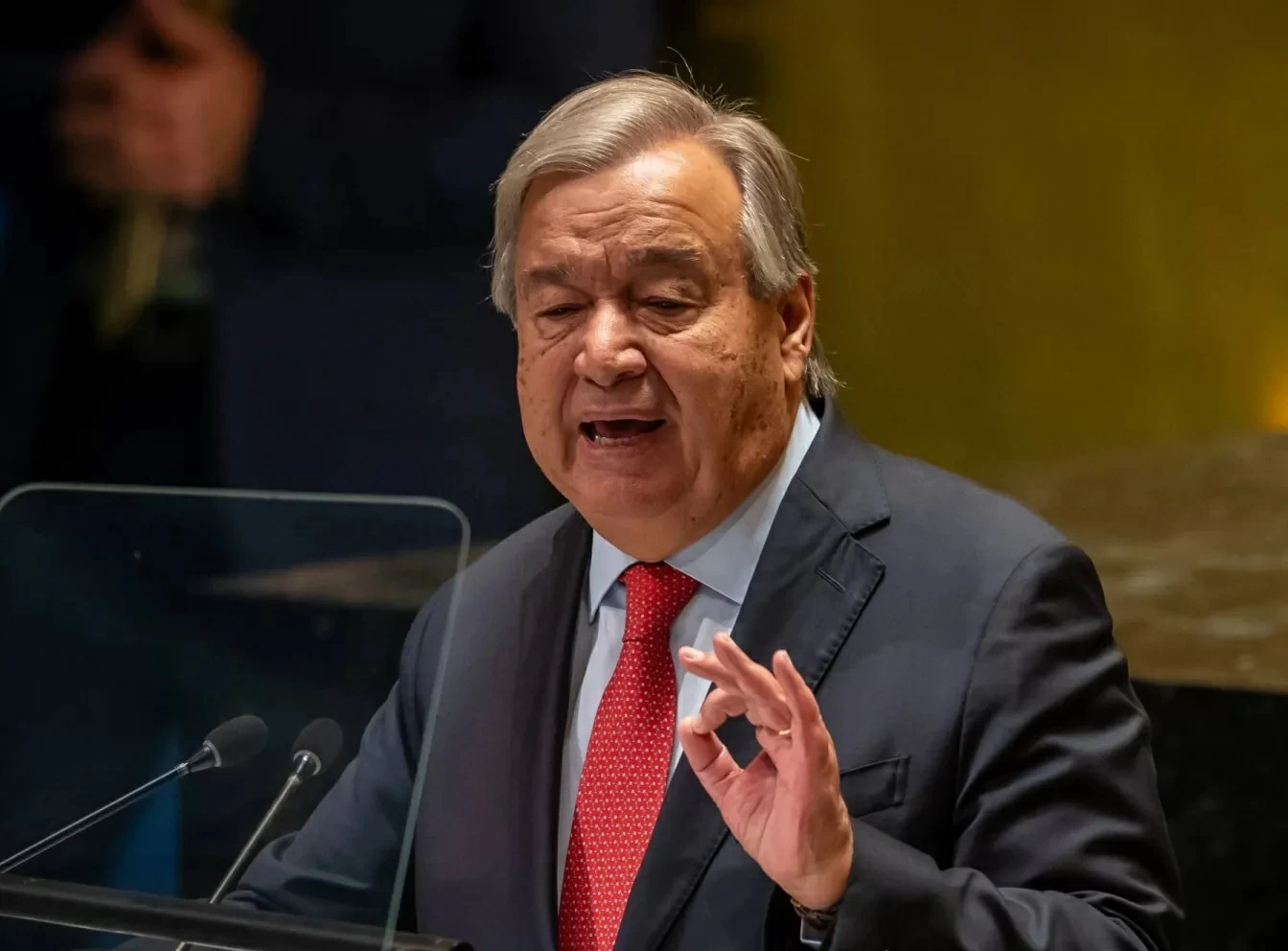
قلل الأمين العام للأمم المتحدة، أنطونيو غوتيريش، اليوم (الأربعاء)، من أهمية القمة الأمريكية - الصينية التي عقدت الأسبوع الماضي في بكين، مؤكداً أنها خففت التوتر لكنها لم تحقق تقدماً.
وقال غوتيريش في مؤتمر صحفي بطوكيو: إن اجتماع قادة أكبر اقتصادين في العالم الأسبوع الماضي ربما يكون قد خفف حدة التوترات، ولكنه لم يسفر عن تحقيق أي تقدم، مما زاد من احتمال إجراء الرئيس الصيني شي جين بينغ زيارة إلى واشنطن في وقت لاحق من العام الحالي، مضيفاً:«لنكن واضحين، لم يتحقق أي تقدم كبير، وبالتالي فإن زيارة شي إلى واشنطن تكتسب أهمية هائلة».
ورحب الأمين العام بهذه الفرصة، لكنه لم يبد أي مؤشر حول ما إذا كان يجري الإعداد لمثل هذه الخطط، محذراً من أن الأمم المتحدة تواجه انهياراً مالياً وشيكاً بسبب المستحقات غير المدفوعة، والتي تأتي في معظمها من الولايات المتحدة، أكبر مساهم في العالم.
وأشار إلى أن تلك المديونيات، التي تشمل ميزانيات حفظ السلام والميزانيات العادية، تبلغ أكثر من ثلاثة مليارات دولار، مبيناً أنه سيواصل الإلحاح على واشنطن لدفع مستحقاتها وأنه لن يطلب من دول مثل الصين واليابان تعويض النقص.
ولم يتفق شي وترمب في بكين على تمديد هدنة تجارية هشة، ينتهي أمدها في وقت لاحق من العام الحالي، لكنه أشاد بالزعيم الصيني ودعاه لزيارة واشنطن في سبتمبر والتي تتزامن مع انعقاد الجمعية العامة للأمم المتحدة، مما يثير احتمال أن يلقي الزعيم الصيني كلمة بنفسه أمام الجمعية لأول مرة منذ عام 2015.
The United Nations Secretary-General, Antonio Guterres, downplayed the significance of the U.S.-China summit held last week in Beijing, stating that it eased tensions but did not achieve any progress.
Guterres said at a press conference in Tokyo that the meeting of the leaders of the world's two largest economies last week may have alleviated some tensions, but it did not result in any progress, increasing the likelihood of Chinese President Xi Jinping visiting Washington later this year. He added, "Let’s be clear, no significant progress has been made, and therefore Xi's visit to Washington gains immense importance."
The Secretary-General welcomed this opportunity but did not indicate whether preparations for such plans were underway, warning that the United Nations faces an imminent financial collapse due to unpaid dues, most of which come from the United States, the largest contributor in the world.
He noted that these debts, which include peacekeeping budgets and regular budgets, exceed three billion dollars, stating that he will continue to urge Washington to pay its dues and that he will not ask countries like China and Japan to make up the shortfall.
Xi and Trump did not agree in Beijing to extend a fragile trade truce, which is set to expire later this year, but Trump praised the Chinese leader and invited him to visit Washington in September, coinciding with the United Nations General Assembly, raising the possibility that the Chinese leader may address the assembly himself for the first time since 2015.