أكد سفير الصومال لدى القاهرة علي عبدي أواري أن الحكومة الصومالية تواصل جهودها واتصالاتها المكثفة من أجل إسراع الإفراج عن البحارة المصريين المختطفين على متن ناقلة النفط «M/T Eureka»، مشيراً إلى وجود تنسيق وتحركات مستمرة على مختلف المستويات لضمان سلامتهم وعودتهم في أقرب وقت.
وقال السفير الصومالي خلال لقاء مساعد وزير الخارجية المصري للشؤون الأفريقية السفير كريم شريف: «إننا نبذل قصارى جهدنا والسلطات الصومالية تتابع القضية باهتمام بالغ، وتبذل اتصالات رفيعة المستوى مع الجهات المعنية في إطار العمل على احتواء الأزمة وإنهاء عملية الاحتجاز، انطلاقاً من العلاقات الأخوية والروابط التاريخية التي تجمع بين مصر والصومال».
وشدد أواري على حرص الحكومة الصومالية على تعزيز التعاون والتنسيق مع مصر في مختلف القضايا الأمنية والبحرية، مؤكداً أهمية تكاتف دول البحر الأحمر وخليج عدن لمواجهة التحديات المشتركة، ودعم جهود تحقيق الأمن والاستقرار في المنطقة.
كما ثمن السفير الصومالي الدور المصري الداعم لوحدة الصومال وسلامة أراضيه، والجهود التي تبذلها القاهرة لمساندة مؤسسات الدولة الصومالية وتعزيز قدراتها في مواجهة الإرهاب وترسيخ الاستقرار والتنمية.
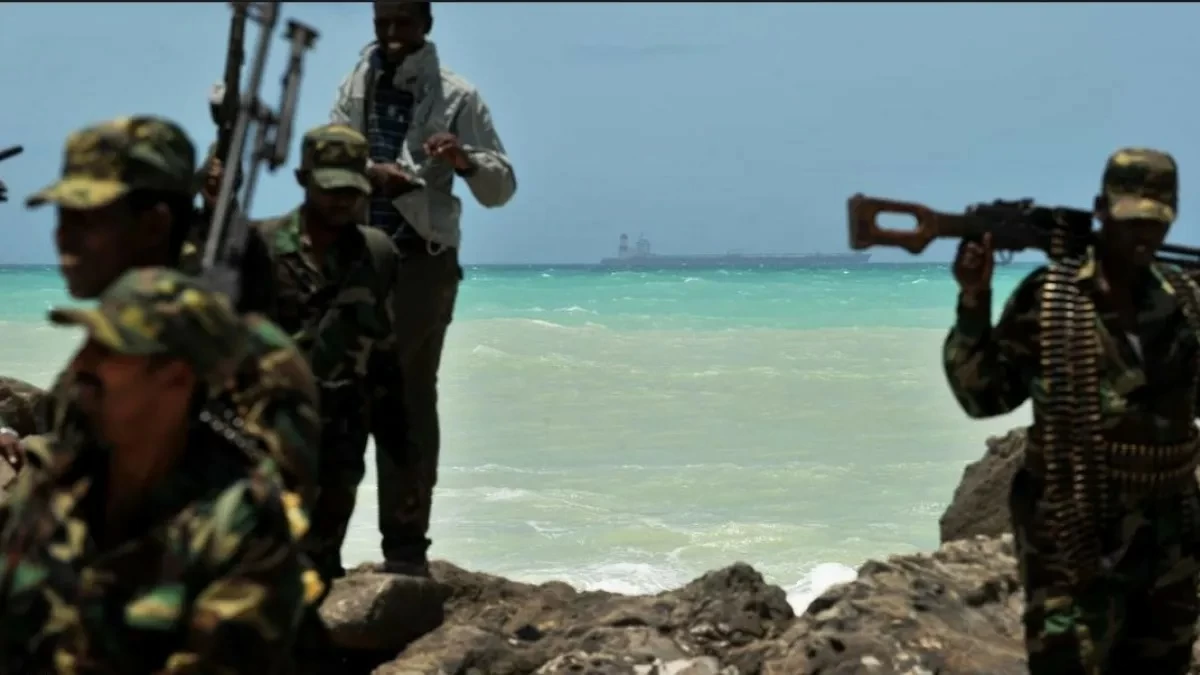
وتعود الأزمة إلى يوم 2 مايو، عندما تعرضت ناقلة النفط M/T Eureka التي ترفع علم توغو وتحمل نحو 2800 طن من الديزل لهجوم من قراصنة صوماليين مسلحين قبالة سواحل محافظة شبوة في اليمن، حيث اقتيدت السفينة بعد ذلك إلى المياه الإقليمية الصومالية قرب منطقة بونتلاند شمالي شرقي الصومال.
ويضم طاقم السفينة 8 بحارة مصريين من بينهم مهندسون وضباط وفنيون، إلى جانب 4 بحارة آخرين من الهند، ومع مرور الأيام، ارتفعت مطالب القراصنة بالفدية من نحو 3-3.5 مليون دولار إلى 10 ملايين دولار، وسط تقارير عن تدهور الظروف الإنسانية على متن السفينة، بما في ذلك تقييد الطعام والماء وزيادة عدد الحراس المسلحين.
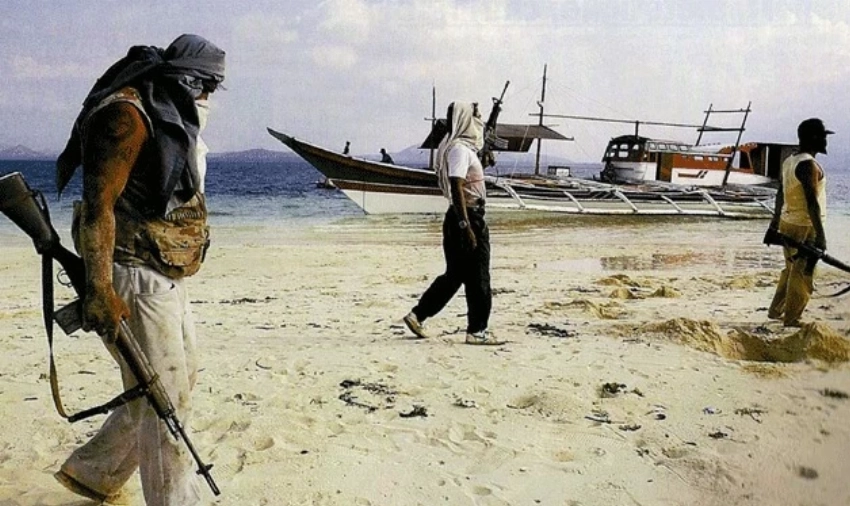
يأتي هذا الحادث ضمن عودة ملحوظة لنشاط القرصنة في خليج عدن والبحر الأحمر خلال الفترة الأخيرة، رغم الجهود الدولية السابقة لمكافحتها، حيث تُعد منطقة بونتلاند مركزاً تاريخياً للقرصنة الصومالية بسبب الظروف الاقتصادية والأمنية في بعض المناطق الساحلية.
The Somali Ambassador to Cairo, Ali Abdi Awari, confirmed that the Somali government continues its efforts and intensive communications to expedite the release of the Egyptian sailors kidnapped aboard the oil tanker "M/T Eureka," pointing out that there is ongoing coordination and movements at various levels to ensure their safety and return as soon as possible.
The Somali ambassador said during a meeting with the Egyptian Assistant Foreign Minister for African Affairs, Ambassador Karim Sharif: "We are doing our utmost, and the Somali authorities are closely following the case, making high-level communications with the relevant parties as part of efforts to contain the crisis and end the detention process, based on the fraternal relations and historical ties that bind Egypt and Somalia."
Awari emphasized the Somali government's commitment to enhancing cooperation and coordination with Egypt on various security and maritime issues, affirming the importance of the Red Sea and Gulf of Aden countries coming together to face common challenges and support efforts to achieve security and stability in the region.
The Somali ambassador also praised Egypt's supportive role for the unity of Somalia and the integrity of its territory, as well as the efforts made by Cairo to support Somali state institutions and enhance their capabilities in combating terrorism and establishing stability and development.
The crisis dates back to May 2, when the oil tanker M/T Eureka, flying the Togolese flag and carrying about 2,800 tons of diesel, was attacked by armed Somali pirates off the coast of Shabwa Governorate in Yemen, after which the ship was taken to Somali territorial waters near the Puntland region in northeastern Somalia.
The crew of the ship includes 8 Egyptian sailors, including engineers, officers, and technicians, along with 4 other sailors from India. As days passed, the pirates' ransom demands increased from about $3-3.5 million to $10 million, amid reports of deteriorating humanitarian conditions aboard the ship, including restrictions on food and water and an increase in the number of armed guards.
This incident is part of a noticeable resurgence of piracy activity in the Gulf of Aden and the Red Sea in recent times, despite previous international efforts to combat it, as the Puntland region is historically a center for Somali piracy due to the economic and security conditions in some coastal areas.