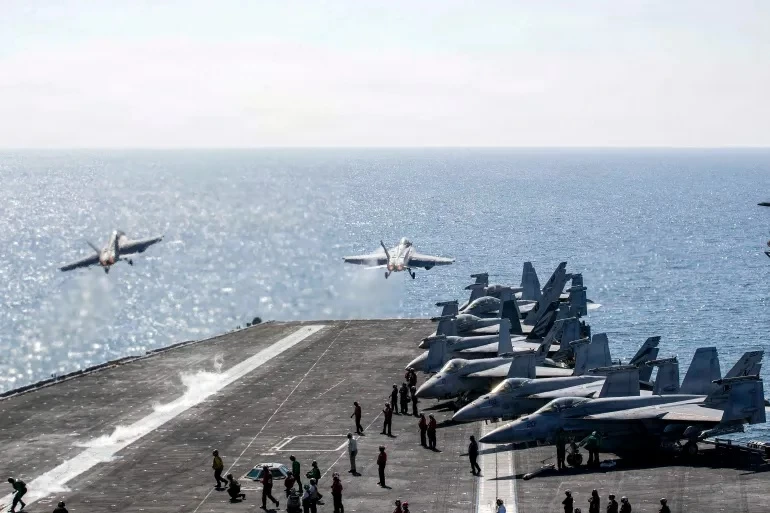
حددت مجلة «نيوزويك» الأمريكية أربعة سيناريوهات محتملة لمسار الحرب الأمريكية على إيران، وسط تزايد المؤشرات على عودة التصعيد العسكري إلى الواجهة.
واعتبرت المجلة أن إدارة ترمب لا تستبعد خيارات عسكرية جديدة، وسط تساؤلات متزايدة: هل ستقدم إيران تنازلات لتجنب الحرب؟ أم أنها تراهن على عامل الوقت واستنزاف واشنطن اقتصادياً وسياسياً؟
استئناف الحرب لفرض اتفاق محدود
يعد أحد أكثر السيناريوهات ترجيحاً يتمثل في عودة الولايات المتحدة إلى توجيه ضربات عسكرية لإجبار إيران على العودة إلى طاولة التفاوض بشروط أفضل.
ولم تستبعد أن يشن البيت الأبيض ضربة عسكرية جديدة لدفع طهران إلى تقديم تنازلات تتعلق بالبرنامج النووي أو بحرية الملاحة.
ورغم احتمال التوصل إلى اتفاق أولي محدود حول التفتيش النووي أو الملاحة البحرية، فإن المجلة ترى أن القضايا الأصعب، مثل تفكيك البرنامج النووي الإيراني بالكامل، ستظل مؤجلة.
إيران تتراجع تحت الضغط الاقتصادي
أما السيناريو الأكثر استقراراً، فهو أن توافق إيران على تسوية قبل استئناف الحرب بشكل واسع. وتشير نيوزويك إلى أن وسطاء إقليميين يحاولون صياغة مخرج يسمح لطهران بتقديم تنازلات، مقابل تخفيف تدريجي للعقوبات الأمريكية.
وأكدت أن الضغوط الاقتصادية على إيران تتزايد مع استمرار تعطيل الملاحة في الخليج وارتفاع أسعار الطاقة، الأمر الذي يفاقم الأزمة الاقتصادية داخل البلاد.
وفي المقابل، يواجه ترمب ضغوطاً داخلية بسبب ارتفاع أسعار النفط وتأثيرها على الاقتصاد الأمريكي قبل الانتخابات النصفية. وترى المجلة أن نجاح هذا السيناريو يتطلب صيغة تسمح للطرفين بادعاء تحقيق مكاسب.
حرب استنزاف طويلة
ويعد أكثر السيناريوهات السلبية، وهو تحول الحرب إلى حالة استنزاف مزمنة، تتخللها ضربات أمريكية وردود إيرانية وتعطيل مستمر للملاحة في مضيق هرمز.
وبحسب التقرير، فإن هذه الحرب الاقتصادية قد تتحول إلى معركة صبر وتحمل، حيث تواجه إيران تراجع الصادرات النفطية، بينما تتحمل الولايات المتحدة ارتفاع أسعار الطاقة وضغوط الحلفاء القلقين من استمرار الأزمة.
وحذرت المجلة من أن استمرار المواجهة سيؤدي إلى تزايد السخط الشعبي داخل إيران، وربما أيضاً داخل الولايات المتحدة، بسبب التكاليف الاقتصادية والسياسية لحرب لا تبدو لها نهاية واضحة.
وقف نار شكلي وحرب مستمرة
أما السيناريو الأخير، الذي تعتبره نيوزويك الأكثر ترجيحا، فهو استمرار وقف إطلاق النار شكلياً، بينما تتواصل الضغوط الاقتصادية والعسكرية بصورة غير مباشرة. وفي هذا الوضع، تستمر العقوبات والحصار البحري والتوتر في مضيق هرمز والهجمات السيبرانية والمسيّرات، من دون إعلان حرب شاملة.
وترى أن هذا السيناريو قد يكون الأنسب لترمب، لأنه يمنحه أدوات ضغط قوية على إيران من دون الاضطرار لاتخاذ قرار حاسم بشأن حرب مفتوحة.
إلا أنها حذرت من أن هذا الوضع الغامض قد يتحول إلى «حرب دائمة تحت اسم وقف إطلاق النار»، حيث تستمر الأزمة من دون تسوية سياسية حقيقية.
وتكمن المشكلة الأساسية، حسب التقرير، في غياب اتفاق واضح يحدد شروط إنهاء الحرب، وإعادة فتح الملاحة في الخليج، وضبط البرنامج النووي الإيراني.
Newsweek magazine has identified four potential scenarios for the course of the U.S. war on Iran, amid increasing signs of a return to military escalation.
The magazine considered that the Trump administration does not rule out new military options, amid growing questions: Will Iran make concessions to avoid war? Or is it betting on the factor of time and exhausting Washington economically and politically?
Resuming war to impose a limited agreement
One of the more likely scenarios involves the United States returning to carry out military strikes to force Iran back to the negotiating table on better terms.
It does not rule out that the White House may launch a new military strike to push Tehran to make concessions regarding its nuclear program or maritime navigation.
Despite the possibility of reaching a preliminary limited agreement on nuclear inspections or maritime navigation, the magazine believes that the more difficult issues, such as completely dismantling the Iranian nuclear program, will remain postponed.
Iran retreats under economic pressure
The more stable scenario is that Iran agrees to a settlement before a wide resumption of war. Newsweek points out that regional mediators are trying to craft an exit that allows Tehran to make concessions in exchange for a gradual easing of U.S. sanctions.
It confirmed that economic pressures on Iran are increasing as disruptions in navigation in the Gulf continue and energy prices rise, exacerbating the economic crisis within the country.
In contrast, Trump faces domestic pressures due to rising oil prices and their impact on the U.S. economy ahead of the midterm elections. The magazine believes that the success of this scenario requires a formula that allows both parties to claim they have achieved gains.
Long war of attrition
This is the most negative scenario, where the war turns into a chronic state of attrition, punctuated by American strikes, Iranian responses, and ongoing disruptions to navigation in the Strait of Hormuz.
According to the report, this economic war could turn into a battle of patience and endurance, as Iran faces declining oil exports, while the United States endures rising energy prices and pressures from allies concerned about the ongoing crisis.
The magazine warned that continued confrontation will lead to increased public discontent within Iran, and perhaps also within the United States, due to the economic and political costs of a war that does not seem to have a clear end.
Formal ceasefire and ongoing war
The final scenario, which Newsweek considers the most likely, is that the ceasefire continues formally, while economic and military pressures continue indirectly. In this situation, sanctions, maritime blockades, tensions in the Strait of Hormuz, cyberattacks, and drone strikes continue, without declaring a full-scale war.
It sees this scenario as potentially the most suitable for Trump, as it provides him with strong leverage over Iran without having to make a decisive decision about an open war.
However, it warned that this ambiguous situation could turn into a "perpetual war under the guise of a ceasefire," where the crisis continues without a real political settlement.
The fundamental problem, according to the report, lies in the absence of a clear agreement that defines the conditions for ending the war, reopening navigation in the Gulf, and regulating the Iranian nuclear program.