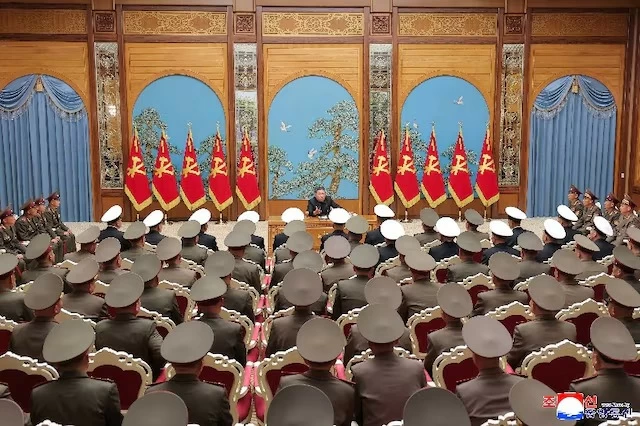
أكد الزعيم الكوري الشمالي كيم جونغ أون، أن خطط تعزيز الوحدات العسكرية المنتشرة على الحدود مع كوريا الجنوبية، إلى جانب دعم وحدات رئيسية أخرى في الجيش، تمثل خطوة أساسية نحو «ردع الحرب بشكل أكثر فعالية»، بحسب ما نقلته وكالة الأنباء المركزية الكورية الشمالية الرسمية (KCNA).
وجاءت تصريحات كيم، خلال اجتماع عُقد الأحد لقادة الفرق والألوية العسكرية في الجيش الكوري الشمالي، حيث شدد على ضرورة تحويل المناطق الحدودية مع كوريا الجنوبية إلى «حصن لا يمكن اختراقه»، في ظل استمرار التوتر بين الجارتين.
ودعا الزعيم الكوري الشمالي إلى إعادة هيكلة أنظمة التدريب العسكري وتوسيع نطاق المناورات العملية بما يتناسب مع طبيعة الحروب الحديثة، مؤكدًا ضرورة إعادة تعريف المفاهيم العملياتية للجيش بما يواكب التطورات العسكرية العالمية.
كما شدد كيم على أهمية الحفاظ على الجاهزية الكاملة في مواجهة ما وصفه بـ«العدو الرئيسي»، في إشارة إلى كوريا الجنوبية، في وقت لا تزال فيه الكوريتان رسميًا في حالة حرب منذ انتهاء النزاع بينهما في الفترة من 1950 إلى 1953 باتفاق هدنة دون توقيع معاهدة سلام نهائية.
من جهتها، قالت وزارة الوحدة الكورية الجنوبية إن الاجتماع يُعتقد أنه الأول من نوعه الذي يعقده كيم مع قادة الفرق والألوية منذ توليه السلطة، مؤكدة أن سيول ستواصل جهودها لاحتواء التوترات العسكرية والعمل على بناء الثقة بين الطرفين.
وفي السياق ذاته، أعلنت هيئة الأركان المشتركة في كوريا الجنوبية أن القوات الكورية الشمالية كثفت منذ مارس الماضي أعمال التحصين قرب الحدود البرية بين البلدين، بما في ذلك إنشاء جدران ومنشآت دفاعية جديدة.
ويرى خبراء أن إشارات كيم إلى «تحصين الحدود الجنوبية» قد تعني أيضًا تعزيز الوجود العسكري البحري لكوريا الشمالية في المناطق المتنازع عليها مع الجنوب، خصوصا قرب «خط الحدود الشمالية» البحري المثير للخلاف.
وأشار الباحث في المعهد الكوري للوحدة الوطنية في سيول، هونغ مين، إلى أن حديث كيم عن تطوير أساليب القتال الحديثة يعكس على الأرجح الدروس التي استخلصتها بيونغ يانغ من الحرب في أوكرانيا والصراعات الدائرة في الشرق الأوسط، لا سيما ما يتعلق باستخدام الطائرات المسيّرة والضربات الدقيقة وتقنيات الحرب الإلكترونية.
North Korean leader Kim Jong Un confirmed that plans to enhance military units deployed along the border with South Korea, along with supporting other key units in the army, represent a fundamental step towards "more effectively deterring war," according to the official Korean Central News Agency (KCNA).
Kim's statements came during a meeting held on Sunday with military division and brigade leaders in the North Korean army, where he emphasized the need to transform the border areas with South Korea into a "fortress that cannot be breached," amid ongoing tensions between the two neighbors.
He called for a restructuring of military training systems and an expansion of the scope of practical maneuvers to align with the nature of modern warfare, stressing the necessity to redefine the operational concepts of the army in line with global military developments.
Kim also highlighted the importance of maintaining full readiness in the face of what he described as the "main enemy," referring to South Korea, at a time when the two Koreas remain officially in a state of war since the end of their conflict from 1950 to 1953 with a ceasefire agreement that did not include a final peace treaty.
For its part, the South Korean Ministry of Unification stated that the meeting is believed to be the first of its kind that Kim has held with division and brigade leaders since he assumed power, confirming that Seoul will continue its efforts to contain military tensions and work on building trust between the two sides.
In the same context, the South Korean Joint Chiefs of Staff announced that North Korean forces have intensified fortification activities near the land border between the two countries since March, including the construction of new walls and defensive facilities.
Experts believe that Kim's references to "fortifying the southern border" may also imply strengthening North Korea's naval military presence in disputed areas with the south, particularly near the contentious "Northern Limit Line" maritime boundary.
Researcher Hong Min from the Korea Institute for National Unification in Seoul pointed out that Kim's talk about developing modern combat methods likely reflects the lessons Pyongyang has drawn from the war in Ukraine and the ongoing conflicts in the Middle East, especially regarding the use of drones, precision strikes, and electronic warfare techniques.