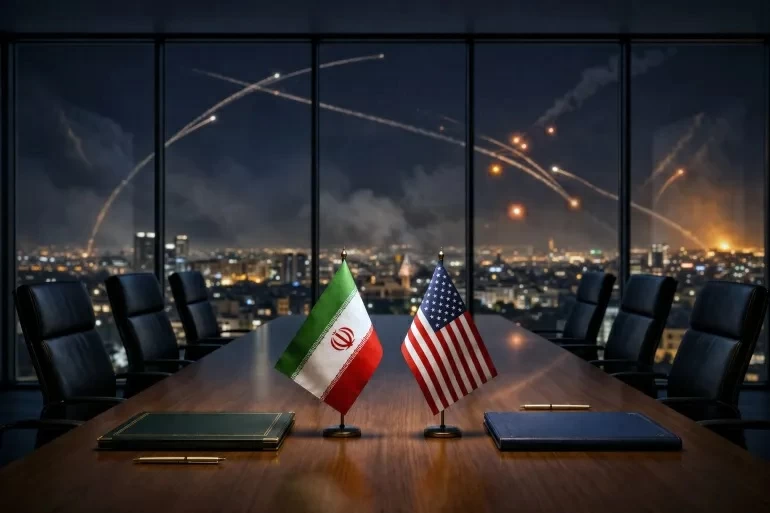
أفصح مصدر باكستاني أن الخلافات بين إيران والولايات المتحدة قد لا تجد متسعاً من الوقت لتسويتها، قائلاً: «ليس لدينا الكثير من الوقت لسد الفجوات بين البلدين»، مضيفاً أن البلدين «يواصلان تغيير شروطهما وأهدافهما».
ونقلت وكالة «رويترز»، اليوم الإثنين، عن المصدر أن إسلام أباد سلّمت الولايات المتحدة الليلة الماضية مقترحاً إيرانياً معدلاً يهدف إلى إنهاء الحرب، في الوقت الذي تشهد فيه المحادثات بين الطرفين تعثراً مستمراً.
وأفاد المصدر بأن وزير الداخلية الباكستاني مدّد زيارته الحالية لطهران يوماً ثالثاً، مؤكداً أن الجهود الرسمية لإسلام أباد تنصبّ في الوقت الراهن على محاولة ضمان استمرار التهدئة.
ونقلت وكالة «تسنيم» الإيرانية، عن مصدر مقرب من فريق التفاوض، أن طهران سلّمت عبر الوسيط الباكستاني نصّاً جديداً يتضمن 14 بنداً، لافتاً إلى أن المقترح الجديد يركز بشكل أساسي على مفاوضات إنهاء الحرب وبناء الثقة من جانب الولايات المتحدة.
وبينما أعلن الرئيس الأمريكي دونالد ترمب لمجلة «فورتشن» أن إيران «تتوق إلى التوقيع» على اتفاق لوقف إطلاق النار مع الولايات المتحدة، قال المتحدث باسم الخارجية الإيرانية إسماعيل بقائي إن المحادثات مع الولايات المتحدة مستمرة بوساطة باكستانية. وأضاف: «رغم رفض واشنطن مقترحنا فقد تلقينا عبر الوسيط الباكستاني مجموعة من الملاحظات الأمريكية».
ولفت بقائي إلى أن «تبادل وجهات النظر» متواصل بين بلاده والولايات المتحدة عبر الوسيط الباكستاني، وأن إيران قد قدمت وجهة نظرها بشأن الملاحظات الأمريكية.
وكان ترمب وجه إنذاراً علنياً لطهران بطرح «مقترح محدّث بأسرع وقت»، مهدداً بـ«عواقب وخيمة» وإعادة الخيار العسكري الشامل إلى الطاولة بعدما وصف الهدنة بأنها في «غرفة الإنعاش».
في المقابل، رفضت إيران ما اعتبرته «شروطاً استسلامية»، ورد رئيس البرلمان محمد باقر قاليباف بإنذار مضاد عبر منصة «إكس»، مؤكداً أنه لا بديل عن الاعتراف بحقوق الشعب الإيراني كاملة كما وردت في «مقترح الـ14 بندا»، محذراً ترمب من أن أي خيار آخر لن يجلب لواشنطن إلا «فشلاً تلو آخر»، وفق قوله.
من جانبه، دعا المستشار الألماني فريدريش ميرتس طهران إلى الدخول في مفاوضات مباشرة مع واشنطن، مطالباً بضرورة أن تتوقف عن تهديد جيرانها، وشدّد على ضرورة فتح مضيق هرمز أمام حركة الملاحة الدولية دون أي قيود.
A Pakistani source revealed that the disagreements between Iran and the United States may not have enough time for resolution, stating: "We do not have much time to bridge the gaps between the two countries," adding that the two countries "continue to change their terms and objectives."
The Reuters agency reported today, Monday, that the source indicated Islamabad delivered a revised Iranian proposal to the United States last night aimed at ending the war, at a time when negotiations between the two sides are facing ongoing difficulties.
The source reported that the Pakistani Interior Minister extended his current visit to Tehran for a third day, confirming that Islamabad's official efforts are currently focused on trying to ensure the continuation of the ceasefire.
The Iranian agency "Tasnim" reported, citing a source close to the negotiating team, that Tehran delivered a new text through the Pakistani mediator that includes 14 points, noting that the new proposal primarily focuses on negotiations to end the war and build trust from the United States.
While U.S. President Donald Trump announced to "Fortune" magazine that Iran "is eager to sign" a ceasefire agreement with the United States, Iranian Foreign Ministry spokesman Ismail Baqaei stated that talks with the United States are ongoing with Pakistani mediation. He added: "Although Washington rejected our proposal, we received a set of American comments through the Pakistani mediator."
Baqaei pointed out that "the exchange of views" continues between his country and the United States through the Pakistani mediator, and that Iran has presented its perspective on the American comments.
Trump had issued a public warning to Tehran to present a "revised proposal as soon as possible," threatening "severe consequences" and the return of the comprehensive military option to the table after describing the truce as being in "intensive care."
In contrast, Iran rejected what it considered "surrender conditions," and the Speaker of Parliament Mohammad Baqer Qalibaf responded with a counter-warning via the "X" platform, emphasizing that there is no alternative to recognizing the full rights of the Iranian people as stated in the "14-point proposal," warning Trump that any other option would only bring Washington "failure after failure," according to his statement.
For his part, German Chancellor Friedrich Merz called on Tehran to enter into direct negotiations with Washington, demanding that it stop threatening its neighbors, and stressed the necessity of opening the Strait of Hormuz to international shipping without any restrictions.